Table of Contents >> Show >> Hide
- What are calluses on hands and fingers, exactly?
- Causes of calluses on hands and fingers
- When a hand callus is normal vs. when it’s a red flag
- How to treat calluses on hands and fingers (safely at home)
- Professional treatment options
- Prevention: how to keep calluses from coming back (without quitting life)
- FAQ: quick answers that actually help
- Experiences that make calluses feel very real (and very human)
- The “Weekend Warrior” lifter who learned the callus rip is a villain
- The guitarist who thought dry fingertips were “part of the lifestyle”
- The gardener whose gloves made everything worse
- The barista/cook who washed hands constantly and couldn’t figure out why calluses cracked
- The climber who realized callus care is part of the sport
- Conclusion
- SEO Tags
Calluses are basically your skin’s way of putting on a tiny work glove and saying, “I’ve seen things.”
They’re common, usually harmless, and sometimes even helpfuluntil they crack, snag, sting, or start looking
like your hand is auditioning for a role as “Old Map #3.”
This guide breaks down what hand and finger calluses are, why they show up, how to treat them safely, how to
prevent them (without giving up your hobbies), and when it’s time to let a clinician take a look.
What are calluses on hands and fingers, exactly?
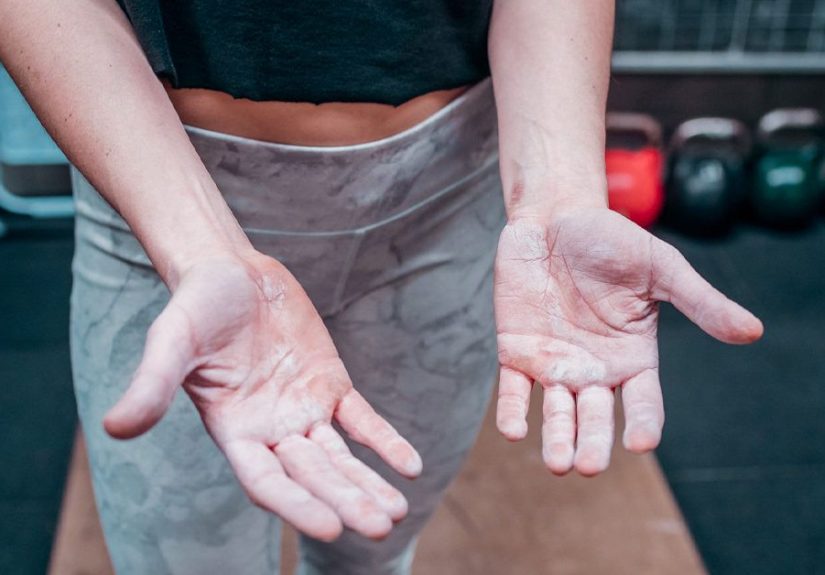
A callus is a thickened patch of skin that forms when your body tries to protect itself from repeated
friction or pressure. Think of it as your skin’s “upgrade” after your hands keep rubbing the same spot:
gripping a barbell, holding a guitar pick, pinching pruning shears, turning a screwdriver, or even
pressing a pen in the same place every day.
Most calluses on hands and fingers are painless and don’t require treatment unless they bother you, crack,
catch on fabric, or become tender. In many cases, reducing the rubbing or pressure is the single most
effective “treatment.”
Callus vs. corn vs. wart: how to tell the difference
-
Callus: Usually a broader, flatter area of thickened skin. Often on palms, finger pads,
or along spots that grip tools. Typically not sharply painful. -
Corn: Usually smaller, more focused, and can have a defined “core.” Corns are more common
on feet, but the key idea is that they’re more concentrated and often painful with direct pressure. -
Wart: Caused by a virus, often interrupts the normal skin lines and may show tiny dark
dots (clotted blood vessels). Warts can be tender when pinched from the sides and may spread.
If you’re not sure which one you’re dealing withespecially if it’s growing, painful, or changingdon’t
play dermatologist roulette. Get it checked.
Causes of calluses on hands and fingers
Calluses are almost always about repeated friction or pressure. The “why” matters because
the best treatment is usually removing (or modifying) the triggerwithout necessarily quitting the activity
you love.
1) Repetitive gripping and friction
This is the big one. Any repeated motion that rubs the same area can thicken skin over time:
- Strength training: Barbells, dumbbells, kettlebells, pull-up bars.
- Climbing and gymnastics: Holds and bars create high friction zones on palms and finger pads.
- Music: Guitar, bass, violin, cellostring contact and pressure on fingertips.
- Hand tools: Hammers, shovels, rakes, screwdrivers, wrenches, paint rollers.
- Work tasks: Construction, mechanics, hairstyling, food service, healthcare tasks with repeated glove-on-skin friction.
2) Pressure points from technique or equipment
Sometimes it’s not the activityit’s how you’re doing it. A grip that folds your skin into the handle
(hello, barbell “pinch”) can concentrate pressure in one spot. Tool handles that are too narrow, too hard,
or too slick can increase rubbing. Even a poorly fitted glove can cause more friction, not less.
3) Dry skin and cracking that makes thick skin worse
Dryness doesn’t “cause” calluses in the same way friction does, but dry, rigid skin is more likely to
thicken, split, and feel uncomfortable once a callus forms. If your hands are frequently washed, exposed
to chemicals, or in cold/dry air, calluses may become rougher and more likely to crack.
4) Underlying skin conditions that mimic calluses
Some rashes and skin disorders can look like thickened skin. For example, eczema or psoriasis can cause
scaling and thickened patches. If you’re seeing itching, widespread redness, cracking that won’t improve,
or multiple areas appearing without an obvious friction trigger, it’s worth checking in with a clinician.
When a hand callus is normal vs. when it’s a red flag
Usually normal (and kind of impressive)
- It’s in a spot that clearly matches a repeated activity (lifting, tools, instrument).
- It’s not very painfulmaybe mildly tender if you press hard.
- The skin is intact (no drainage, no spreading redness, no warmth).
- It stays relatively stable in size and texture over time.
Get medical advice sooner if you notice:
- Increasing pain, especially pain that feels sharp or deep.
- Cracks that bleed, open sores, drainage, or signs of infection (spreading redness, warmth, swelling).
- Rapid growth, unusual color change, or an irregular surface that doesn’t fit your usual pattern.
- Possible wart signs (interrupts skin lines, tiny dark dots, spreading clusters).
-
Higher-risk health situations where skin injuries can become complicated (for example,
diabetes, circulation problems, immune suppression, or reduced sensation in hands/feet).
If you’re in a higher-risk group, “DIY skin surgery” is a hard no. Even a small cut can turn into a bigger
problem quickly.
How to treat calluses on hands and fingers (safely at home)
The goal is not to erase your skin’s protective armor overnight. The goal is to make it comfortable,
smooth, and less likely to crackwhile reducing whatever caused it.
Step 1: Reduce the friction (the part everyone skips)
- Change your grip: In lifting, avoid letting the bar roll into your palm crease; aim for a grip that reduces skin folding.
- Upgrade your handle: Add grip tape, padded wraps, or a thicker handle cover on tools.
- Wear the right glove: Snug enough to prevent rubbing, not so tight it pinches; consider fingerless gloves for weightlifting.
- Use padding strategically: Moleskin-style padding or athletic tape can protect a hotspot while it calms down.
Step 2: Soften the thick skin
Soak your hands in warm (not scorching) soapy water for a few minutes to soften the thickened layer.
This helps you remove only what’s ready to come offwithout turning your hand into a DIY woodworking project.
Step 3: Gently exfoliategently is doing a lot of work here
After soaking, use a pumice stone, emery board, or a gentle callus file to smooth the thickened skin.
Keep it light and gradual. Removing too much can cause bleeding, pain, or infectionand then you’re not
“treating a callus,” you’re “creating a problem.”
Step 4: Moisturize like you mean it
Daily moisturizing helps keep thick skin flexible and less crack-prone. Lotions and creams that contain
ingredients designed to soften thickened skin (often called keratolytics) can be especially useful.
- Urea (often found in “rough skin” or “callus” creams)
- Ammonium lactate (helps with thick, dry skin)
- Salicylic acid (can soften thick skin but must be used carefully)
Pro tip: Apply moisturizer at night and consider cotton gloves afterward to help it absorb and reduce
transfer to your sheets (or your phone, or your pet, or your entire life).
Step 5: Use medicated products carefully (and not for everyone)
Over-the-counter products for corns/calluses sometimes include salicylic acid. These can help soften thick
skin, but they can also irritate or damage surrounding healthy skin if overused or applied imprecisely.
Avoid medicated acids if your skin is broken or you have reduced sensation or circulation problemscheck
with a healthcare professional instead.
What NOT to do
- Don’t cut or shave the callus with razors, knives, or scissors.
- Don’t sand aggressively until it burns; pain is not a progress bar.
- Don’t ignore crackstreat dryness early to prevent splitting.
- Don’t assume it’s “just a callus” if it’s spreading, bleeding, or unusually painful.
Professional treatment options
If a callus is painful, keeps returning, or you suspect it’s not actually a callus, a clinician (often a
dermatologist or a podiatrist for foot issues) can help. For hand calluses, dermatology is a common route,
especially if there’s uncertainty about warts, eczema, psoriasis, or another skin condition.
What a clinician might do
- Confirm the diagnosis (callus vs wart vs other skin issue).
- Safely pare down thick skin using sterile techniques when appropriate.
- Recommend targeted topical treatments or protective strategies.
- Look for the “why”technique, equipment, or medical factors that make it recur.
If you have diabetes, circulation problems, or reduced sensation, professional guidance is especially
important before attempting any at-home removal methods.
Prevention: how to keep calluses from coming back (without quitting life)
Prevention works best when it’s practical. The goal isn’t “never have a callus again.” The goal is
“no painful, cracked, snaggy calluses that ruin your day.”
For workouts (weightlifting, CrossFit, calisthenics)
- Fix the grip: Keep the bar from rolling into your palm crease where skin bunches.
- Use protective gear wisely: Gymnastic grips or well-fitted gloves can reduce friction.
- Maintain the callus: Light filing after showers keeps edges smooth and less likely to tear.
- Moisturize: Dry calluses tear more easilyflexible skin behaves better.
For musicians
- Build tolerance gradually: Shorter practice sessions early on prevent blister-then-callus drama.
- Keep fingertip skin healthy: Moisturize around (not necessarily right on) the playing surface if it’s getting cracked.
- Check technique: Excess pressure can create unnecessary friction and strain.
For tool work and hands-on jobs
- Choose better handles: Wider, cushioned grips reduce pressure points.
- Wear the right glove: The best glove prevents rubbing; the wrong one causes it.
- Take micro-breaks: Even short breaks change pressure patterns and reduce hotspots.
- Hand care routine: Wash, dry thoroughly, moisturizeespecially after chemical exposure.
For everyone: the “low-effort, high-payoff” checklist
- Identify the friction trigger.
- Pad or adjust the trigger (gloves, tape, handle grips, technique).
- Soften + gently smooth 1–2 times per week.
- Moisturize daily to prevent cracking.
FAQ: quick answers that actually help
Do calluses on hands and fingers go away?
Often, yesespecially if you reduce the friction or pressure that caused them. If the activity continues,
you may not want them fully gone (a small callus can be protective), but you can keep them smooth and
comfortable.
Is it okay to peel or pick at a callus?
It’s tempting, but picking can tear deeper skin and raise infection risk. If a callus is snagging, smooth
it gently after soaking and moisturize instead of ripping it off like a hangnail with ambition.
Are calluses contagious?
No. Calluses are a mechanical response, not an infection. If something is spreading like a rumor, consider
whether it might be a wart or another skin condition.
When should I worry about an infection?
Increasing redness, warmth, swelling, pain, pus, or an open sore are signs to get medical adviceespecially
if you have health conditions that increase risk.
Experiences that make calluses feel very real (and very human)
Below are common experiences people report when dealing with calluses on hands and fingers. If any of these
feel familiar, you’re in good companyand you’ll probably laugh at least once while you fix it.
The “Weekend Warrior” lifter who learned the callus rip is a villain
A lot of gym-goers don’t notice their calluses until the day they do pull-ups, the bar shifts, and a thick
flap of skin decides to retire early. The lesson most people learn fast: the problem wasn’t “having a
callus,” it was having a raised edge that caught and tore. Once they started smoothing calluses
lightly after showers and moisturizing at night, rips became rare. They also adjusted their grip so the bar
sat closer to the fingers (less skin folding in the palm). The callus didn’t vanishand that’s fine. It
became flatter, softer, and less dramatic.
The guitarist who thought dry fingertips were “part of the lifestyle”
Finger calluses are almost a rite of passage for string players. But there’s a difference between
“protective thickening” and “cracked, painful fingertips that snag on your jeans.” Many players find that
a tiny amount of moisturizer around the fingertips (not slathered directly right before playing) keeps skin
flexible. Shorter practice blocks during the first few weeks also helpbecause blisters often turn into
uneven calluses, and uneven calluses are the ones that split. Technique matters too: pressing harder than
necessary doesn’t just make your hand sore, it can create thicker calluses in all the wrong places.
The gardener whose gloves made everything worse
This one surprises people: gloves can cause calluses if they don’t fit well. A loose glove can bunch and
rub, acting like a tiny sandpaper puppet show on your palm. Once the gardener switched to a snug glove
with a smoother interior and added padding where the tool handle hit, the callus stopped growing. The skin
didn’t “fix itself overnight,” but it gradually softened because the friction trigger was gone. The best
part? They could still garden for hourswithout a post-gardening hand that looked like it belonged to a
mythological creature.
The barista/cook who washed hands constantly and couldn’t figure out why calluses cracked
Repeated handwashing and sanitizer can make skin dry and brittle. When there’s already thickened skin from
gripping and repetitive tasks, dryness turns it into a crack-prone patch. People in food service often find
relief with a simple routine: fragrance-free moisturizer after shifts and a heavier ointment at night.
Keeping calluses flexible reduces splitting, which means less pain and fewer “surprise stings” when lemon
juice or sanitizer hits a crack. It’s not glamorous, but neither is wincing every time you touch a
cardboard box.
The climber who realized callus care is part of the sport
Climbers talk about callus maintenance the way runners talk about shoes. Overbuilt calluses can catch and
tear, while thin, raw skin hurts and limits training. Many climbers keep calluses lightly sanded and edges
smooth, focusing on “even thickness” rather than “maximum thickness.” They also treat cracks early with
moisturizers and protective coverage. The big mindset shift is this: callus care isn’t vanity. It’s injury
preventionjust like warming up or taping a finger.
The common thread in all these stories is simple: calluses are manageable. When you reduce
friction, smooth thick edges, and moisturize consistently, calluses tend to become smaller problemsliterally
and figuratively.
Conclusion
Calluses on hands and fingers are usually your body’s smart response to repeated friction or pressure.
Most of the time, they’re harmlesssometimes even helpful. The best strategy is to address the cause
(technique, tools, gloves, padding), then keep the skin comfortable with gentle smoothing and regular
moisturizing. Avoid cutting calluses yourself, use medicated products carefully, and get medical advice if
the area is painful, changing, infected, or confusing.
Your hands do a lot. Treat them like the MVPs they arepreferably with fewer rough edges and fewer surprise
cracks.