Table of Contents >> Show >> Hide
- What Is Snuff?
- Why Do Some People Think Snuff Is Safer Than Smoking?
- Is Snuff Harmful? Yes, and Here’s Why
- Symptoms and Warning Signs Linked to Snuff Use
- Can Snuff Help You Quit Smoking?
- How to Quit Snuff
- Who Should Be Especially Cautious?
- The Bottom Line
- Experiences Related to Snuff: What People Commonly Go Through
- SEO Metadata
If the word snuff sounds a little old-timey, dusty, or like something a villain keeps in a tiny silver tin, you are not entirely wrong. But snuff is not just a quirky historical footnote. It is a real tobacco product still used today, and despite its “smokeless” image, it is not harmless. In fact, that “no smoke, no problem” reputation is one of the biggest reasons people underestimate it.
Snuff belongs to the smokeless tobacco family. That means people do not light it, puff it, or produce dramatic movie-scene clouds. Instead, they place it in the mouth or, in some forms, inhale it through the nose. Because there is no smoke, some people assume it is a safer choice than cigarettes. That sounds logical for about five seconds. Then the science walks in and ruins the party.
The short answer is this: yes, snuff can be harmful. It contains nicotine, which is highly addictive, and it also contains cancer-causing chemicals. Regular use has been linked to mouth problems, gum disease, tooth damage, nicotine dependence, and increased risks of serious diseases, including certain cancers. So while snuff may skip the ashtray, it does not skip the health consequences.
This guide explains what snuff is, how it is used, why it is risky, what symptoms and warning signs to watch for, and what to know if you are thinking about quitting. No scare tactics, no fake drama, just the facts with enough clarity to keep your brain awake.
What Is Snuff?
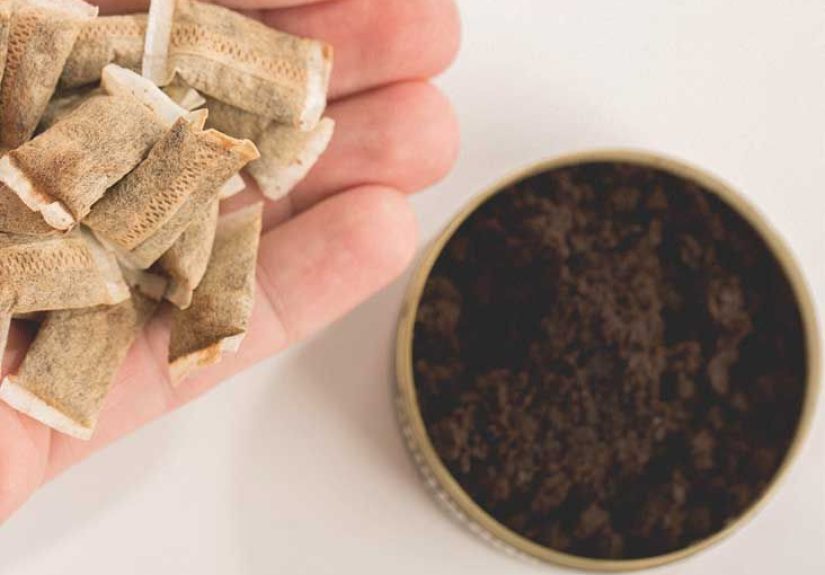
Snuff is a type of finely ground or shredded tobacco. It may be sold dry or moist, loose or in pouches, and it can come in flavored or scented varieties. The exact product matters because “snuff” is an umbrella term people use loosely, and that can cause plenty of confusion.
Moist snuff
Moist snuff is the form most people in the United States picture when they hear “dip” or “snuff.” A user places a pinch or pouch between the gum and lip or inside the cheek. Nicotine and other chemicals are absorbed through the tissues in the mouth. Many users spit during use, although some do not.
Dry snuff
Dry snuff is a powdered tobacco product that is typically sniffed through the nostrils. It is less common in the United States than moist snuff, but it still exists. It may sound old-fashioned, but old-fashioned does not equal safe. Bell-bottoms can come back. Carcinogens should not.
Snuff vs. snus vs. chewing tobacco
These products are related, but they are not identical. Snus is usually a moist, pouched smokeless tobacco product. Chewing tobacco is generally sold as loose leaf, plug, or twist. People often lump all of them together, and from a health standpoint they do share one big headline: they expose the body to nicotine and harmful chemicals. So while the packaging and texture may vary, the “this can still hurt you” theme remains stubbornly consistent.
Why Do Some People Think Snuff Is Safer Than Smoking?
The logic usually goes like this: cigarettes create smoke, smoke damages the lungs, snuff does not create smoke, therefore snuff must be much safer. It is true that smokeless tobacco does not expose the lungs to smoke in the same way cigarettes do. But that does not make snuff a healthy workaround.
Snuff still delivers nicotine, and it still exposes the body to a mix of harmful substances, including tobacco-specific nitrosamines, which are among the most dangerous cancer-linked chemicals found in tobacco. In other words, the danger simply takes a different route. Instead of traveling through smoke into the lungs, the chemicals sit in the mouth, contact soft tissue directly, and enter the bloodstream through mucous membranes.
So yes, the risk profile is different from cigarettes. But different does not mean harmless, and it definitely does not mean “good for you.” Salad and cake are different too. Only one of them gets invited to the doctor’s lecture less often.
Is Snuff Harmful? Yes, and Here’s Why
If you are looking for the evidence-based answer, it is not especially mysterious: snuff is harmful. It can damage tissues in the mouth, fuel nicotine addiction, and raise the risk of serious disease over time.
1. It can cause nicotine addiction
Snuff contains nicotine, the chemical that makes tobacco products addictive. Nicotine acts on the brain’s reward pathways, which is why users often develop cravings, use the product more often over time, and feel withdrawal symptoms when they try to stop. That dependence can build gradually. At first it may seem like a habit tied to driving, sports, work breaks, or stress. Then one day the can is not optional anymore. It is basically running the schedule.
2. It raises cancer risk
One of the biggest health concerns with snuff is its link to cancer. Smokeless tobacco has been associated with cancers of the mouth, esophagus, and pancreas. The tissues that sit in direct contact with the tobacco are especially vulnerable. That is why lesions, gum changes, and suspicious patches can show up where the product is placed most often.
This is also why healthcare professionals take white patches, red patches, and sores in the mouth seriously. A patch that looks minor to a user can be an early sign that the tissue is not happy at all. And when your body starts leaving passive-aggressive notes in your mouth, it is a good idea to pay attention.
3. It can damage your mouth, gums, and teeth
Snuff is rough on oral health. Common problems linked with long-term use include:
- Gum recession, especially where the tobacco sits
- Gingivitis and periodontitis
- Tooth decay and exposed tooth roots
- Tooth staining
- Bad breath
- Leukoplakia, which is a white patch in the mouth that can become cancerous
- Tooth loss related to advanced gum disease
The irony is almost rude: some people use snuff because they do not want smoke stains or a cigarette smell, then end up with gum damage, tooth discoloration, and chronic mouth irritation anyway. The body always collects its invoices.
4. It may increase the risk of heart disease and stroke
Snuff is not just a mouth issue. Nicotine affects the cardiovascular system by raising heart rate, increasing blood pressure, and narrowing blood vessels. Research and public health guidance indicate that smokeless tobacco use may also increase the risk of heart disease and stroke. So while the lungs are not the main target here, the heart does not get to clock out.
5. It can be harmful during pregnancy
Using snuff during pregnancy is not safe. Nicotine exposure can affect fetal development, and smokeless tobacco use during pregnancy has been associated with risks such as early delivery, stillbirth, and other harmful outcomes. “But I am not smoking” is not a protective magic spell. Nicotine is still nicotine.
6. It can poison children if ingested
Smokeless tobacco products can be dangerous for children, especially flavored products or small pouches that may seem less threatening than they really are. If a child eats or sucks on tobacco products, nicotine poisoning can occur. Symptoms can include nausea, vomiting, weakness, shaking, excess saliva, rapid heartbeat, trouble breathing, and, in severe cases, life-threatening complications. That is a strong argument for storing these products like they are dangerous chemicals, because they are.
Symptoms and Warning Signs Linked to Snuff Use
Not every snuff user notices obvious symptoms right away. Some changes build slowly, which is part of the problem. Still, there are several signs that should not be ignored.
Common early effects
- Sore or irritated gums
- Burning where the tobacco sits
- Extra saliva
- Bad breath
- Yellow or brown tooth staining
- Mouth sores
- Changes in taste
More serious warning signs
- White or red patches in the mouth
- A lump, thickened spot, or sore that does not heal
- Bleeding in the mouth
- Pain when chewing or swallowing
- Loose teeth or receding gums
- Numbness or persistent mouth pain
If you notice a sore, patch, lump, or irritation lasting more than two weeks, get it checked by a doctor or dentist. It may turn out to be something minor, but this is not the category of problem that deserves the “I’ll just ignore it and hope it gets bored” treatment.
Can Snuff Help You Quit Smoking?
Some people switch from cigarettes to snuff because they think it is a stepping stone toward quitting tobacco altogether. The problem is that snuff is not a safe substitute for smoking, and it can simply trade one form of nicotine dependence for another. In many cases, people end up using both products or staying hooked on smokeless tobacco long term.
If the real goal is quitting nicotine, there are far better tools available. Evidence-based options include behavioral counseling, quitlines, digital support programs, and FDA-approved nicotine replacement or cessation medications under medical guidance. In plain English: there are smarter exits than swapping one tobacco product for another and calling it progress.
How to Quit Snuff
Quitting snuff can be tough, mostly because nicotine is excellent at making itself feel necessary. The good news is that people quit successfully every day, and support helps a lot.
Practical steps that can help
- Pick a quit date and treat it like a real commitment, not a vague “someday” fantasy.
- Throw out the stash: cans, pouches, spit bottles, and backup supplies.
- Identify your triggers, such as driving, stress, coffee, sports, or social routines.
- Use substitutes like sugar-free gum, sunflower seeds, or a straw to keep your mouth busy.
- Consider treatment support such as counseling or quit medications with professional guidance.
- Call 1-800-QUIT-NOW for free coaching and support in the United States.
What withdrawal can feel like
When people stop using snuff, they may experience cravings, irritability, trouble concentrating, restlessness, headaches, increased appetite, low mood, or sleep problems. That does not mean quitting is going badly. It usually means nicotine is throwing a dramatic farewell tantrum on the way out.
Withdrawal symptoms often improve with time, and many people find that the discomfort becomes more manageable once they get through the first stretch. Having a plan matters. So does not romanticizing the product you are leaving behind.
Who Should Be Especially Cautious?
The honest answer is: everyone. But some groups face especially serious concerns, including:
- Teens and young adults, because nicotine can affect developing brains and increase the risk of addiction
- Pregnant people, because nicotine and smokeless tobacco can harm fetal development
- People with gum disease or oral lesions, because snuff can worsen damage
- People with heart disease risk factors, because nicotine can strain the cardiovascular system
- Households with children, because accidental ingestion can be dangerous
The Bottom Line
So, what is snuff and is it harmful? Snuff is a form of smokeless tobacco made from finely ground or shredded tobacco, and yes, it can absolutely be harmful. It may be moist or dry, used in the mouth or through the nose, and sold in ways that make it look less threatening than cigarettes. But the health risks are real.
Snuff can lead to nicotine addiction, irritate and damage the mouth, increase the risk of gum disease and tooth loss, and raise the odds of serious conditions including oral cancer, esophageal cancer, pancreatic cancer, heart disease, and stroke. It also creates risks during pregnancy and can be dangerous if children get into it.
If you use snuff, this is not a judgment speech. It is an information upgrade. You are not doomed, and you are not stuck. But the product is not doing your body any favors. The earlier you cut ties with it, the better your mouth, heart, and future self are likely to feel about the decision.
Experiences Related to Snuff: What People Commonly Go Through
People’s experiences with snuff often follow a pattern that is less glamorous than the marketing and more annoying than expected. Many users start because the product seems convenient. There is no smoke, no lighter, no cloud, and no obvious smell filling the room. For some, it begins during sports, road trips, work shifts, or social situations where smoking feels inconvenient or off-limits. At first, the experience may seem manageable: a buzz, a routine, a little ritual that feels tied to focus, stress relief, or habit.
Then the everyday effects start to creep in. Some users notice that the exact spot where they place the snuff begins to feel irritated or tender. Others start seeing gum changes in the mirror, even if they do not know the medical name for what they are seeing. A lot of people report extra saliva, bad breath, a strange taste, or teeth that seem harder to keep clean. Some say they did not realize how often they were reaching for the can until they forgot it at home and suddenly felt cranky, distracted, and weirdly incomplete. That is often the addiction piece making itself known.
Another common experience is denial mixed with comparison. A user may think, “At least I am not smoking.” That thought can stick around for years. It feels comforting, practical, and maybe even responsible. But then a dentist points out gum recession. Or a white patch shows up. Or the user notices they need more snuff more often just to feel normal. The product that once felt like a casual sidekick starts behaving more like a demanding roommate who eats your groceries and damages the furniture.
When people try to quit, the experience can be surprisingly intense. Cravings can hit during the exact moments the product used to show up: after meals, in the car, during stress, while watching a game, or during a work break. Some people feel irritable. Some get headaches. Some cannot focus. Others suddenly want to snack on everything that is not nailed down. This stage can be frustrating because users often know the product is harmful, yet their brain still acts like it is losing a best friend. That does not mean quitting is impossible. It means dependence is real.
On the positive side, many former users describe a turning point after the first difficult phase. Their mouth feels less irritated. Their breath improves. Their teeth look better. They stop planning their day around whether they have a can nearby. The mental space that used to be occupied by cravings begins to open up again. In that sense, one of the most powerful experiences related to snuff is not the buzz from using it. It is the relief of no longer needing it.