Table of Contents >> Show >> Hide
- What Exactly Is Quinoa?
- Quinoa Nutrition: Small Seed, Big Nutrient Payload
- Top Quinoa Benefits for a Healthy, Balanced Diet
- How to Add Quinoa to Your Daily Meals
- Quinoa vs. Other Whole Grains
- Who Should Be Careful with Quinoa?
- Quinoa Benefits: Putting It All Together in a Balanced Diet
- Real-Life Experiences & Practical Tips with Quinoa (Extra Insights)
- Conclusion: Quinoa as a Quiet Hero of Your Plate
If you’ve ever stared at that mysterious bag of quinoa in the grocery store and thought,
“I don’t know how to pronounce you, so I’m not buying you,” this article is for you.
(By the way, it’s KEEN-wah, not “kwi-no-ah.”) Quinoa has gone from ancient Andean staple
to modern nutrition star for good reason. It’s a nutrient-dense, naturally gluten-free
seed that behaves like a whole grain and fits beautifully into a healthy, balanced diet.
From its impressive protein content to its heart and blood sugar benefits, quinoa is more
than just trendy. It’s a practical, everyday ingredient that can help you build satisfying
meals, manage your weight, and support long-term health. Let’s break down what makes quinoa
so specialand how to actually enjoy it, not just admire it on Instagram.
What Exactly Is Quinoa?
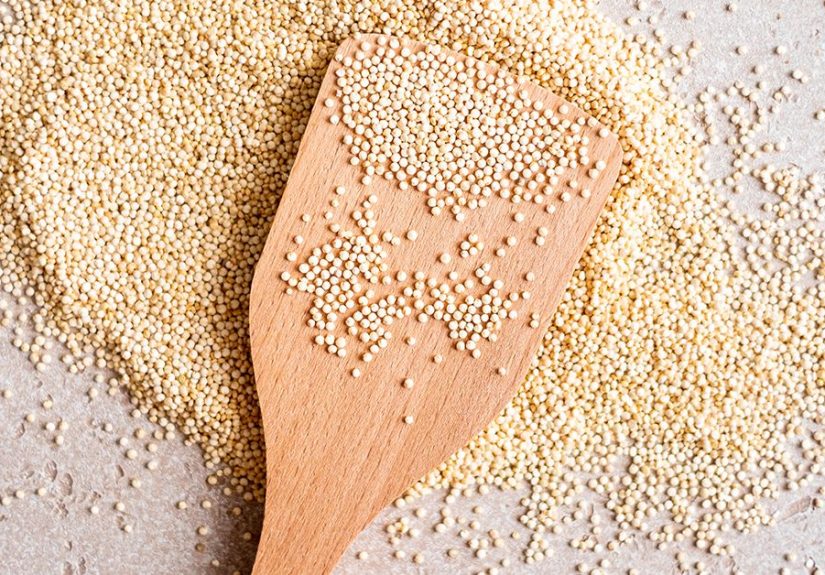
Quinoa is technically a seed from the plant Chenopodium quinoa, but in the kitchen,
we treat it like a whole grainsimilar to rice or barley. Nutrition experts often call it a
“pseudo-cereal” because it’s cooked and eaten like a grain even though it doesn’t grow on grass
like wheat or oats.
It originated in the Andean region of South America, where it has been cultivated for thousands
of years. Today, it’s grown in many parts of the world and is available in several varieties,
the most common being white (or golden), red, and black quinoa. They all offer similar health
benefits, though red and black quinoa tend to be a bit nuttier and chewier.
Quinoa Nutrition: Small Seed, Big Nutrient Payload
One of the biggest quinoa benefits is its strong nutrient profile. A typical
1-cup serving of cooked quinoa (about 185 grams) provides roughly:
- About 8 grams of protein
- Around 5 grams of fiber
- Complex carbohydrates for steady energy
- Heart-healthy unsaturated fats
- Key minerals like magnesium, iron, zinc, manganese, and phosphorus
- B vitamins that support metabolism and nervous system function
Quinoa is naturally gluten-free and is considered safe for people who need to avoid gluten,
such as those with celiac disease or non-celiac gluten sensitivity, as long as it’s processed
in a gluten-free facility and not cross-contaminated.
Top Quinoa Benefits for a Healthy, Balanced Diet
1. A Rare Plant-Based Complete Protein
One of the standout quinoa health benefits is that it’s a complete protein. That means it
contains all nine essential amino acids your body can’t make on its own. Most plant sources
are low in one or more of these amino acids, so quinoa is especially valuable if you’re
vegetarian, vegan, or simply trying to reduce your meat intake.
Practically speaking, this makes quinoa a smart base for bowls, salads, and main dishes. Pair
it with beans, roasted vegetables, tofu, or chicken, and you’ve got a meal that supports muscle
repair, satiety, and steady energy.
2. High Fiber for Digestion, Fullness, and Heart Health
A balanced diet needs fiber, and quinoa delivers. With around 5 grams of fiber per cooked cup,
it helps support a healthy digestive system, keeps you feeling full longer, and can help manage
cholesterol levels. Higher fiber intake is associated with lower risks of heart disease, type 2
diabetes, and obesity.
If you’re used to refined grains like white rice or regular pasta, swapping in quinoa is an
easy way to increase your fiber intake without dramatically changing your meals.
3. Supports Heart Health
Quinoa acts like other whole grains in supporting heart health, but with a few extra perks.
Its combination of fiber, plant-based protein, and healthy fats helps improve cholesterol
levels and supports healthy blood pressure. Some research suggests that quinoa consumption
may help reduce risk factors for cardiovascular disease, especially when it replaces refined
grains or highly processed foods.
The American Heart Association encourages including whole grains such as quinoa as part of a
heart-healthy eating pattern. Add it to grain bowls with beans, avocado, and veggies, or swap
it for white rice in your favorite stir-fry.
4. Helps Manage Blood Sugar and Weight
Quinoa has a relatively low glycemic index compared to many refined carbohydrates. That means
it raises blood sugar more slowly, helping you avoid spikes and crashes that leave you hungry
and tired. Its combination of complex carbs, fiber, and protein promotes better blood sugar
control and may reduce risk factors for metabolic syndrome and type 2 diabetes.
When it comes to weight management, quinoa shines as a “high satiety” food. Fiber and protein
help you feel comfortably full, not stuffed, so you’re less likely to snack mindlessly later.
Nutrition experts often recommend quinoa for weight loss or weight maintenance plans because
it’s nutrient-dense but not overly calorie dense.
5. Naturally Gluten-Free (When You Need It)
For people following a gluten-free diet, quinoa can be a lifesaver. It provides the chewy,
grain-like experience that many gluten-free options lack, and it comes with far better
nutrition than many processed gluten-free products. Instead of relying on gluten-free white
bread or rice crackers, you can turn to quinoa for fiber, protein, and minerals.
Just be sure to check labels for possible cross-contamination if you have celiac disease.
Look for certified gluten-free brands when possible.
6. Loaded with Vitamins, Minerals, and Antioxidants
Quinoa isn’t just carbs and protein. It’s also a good source of magnesium (important for
muscle function and blood pressure), iron (for oxygen transport), zinc (for immunity),
and manganese (for metabolism and antioxidant defenses). It also contains antioxidants such
as quercetin and kaempferol, which may help reduce inflammation and protect cells from
oxidative stress.
A balanced diet rich in antioxidant-containing foods like quinoa, fruits, vegetables, nuts,
and seeds supports long-term health and may lower the risk of chronic diseases over time.
How to Add Quinoa to Your Daily Meals
One of the overlooked quinoa benefits is convenience. It cooks relatively quicklyusually in
about 15 minutesmaking it weeknight-friendly.
Basic Cooking Tips
- Rinse quinoa before cooking to remove its natural bitter coating (saponins).
- Use about 2 cups of water or broth for every 1 cup of dry quinoa.
- Bring to a boil, reduce to a simmer, cover, and cook for 12–15 minutes.
- Let it rest, covered, for 5 minutes; then fluff with a fork.
From there, you can treat quinoa as a blank canvas. It takes on the flavor of whatever you
cook it withbroth, herbs, spices, citrus, or sauces.
Easy Ways to Use Quinoa
- Breakfast: Make a warm “quinoa oatmeal” with milk, cinnamon, berries, and nuts.
- Lunch: Build a salad bowl with quinoa, chickpeas, cucumbers, tomatoes, and feta.
- Dinner: Use quinoa instead of rice in stir-fries, stuffed peppers, or burrito bowls.
- Snacks: Toss leftover quinoa into soups, stews, and even veggie patties.
You don’t need to overhaul your entire menu to enjoy quinoa. Simply swap it in for other grains
a few times a week and let it quietly upgrade your nutrient intake.
Quinoa vs. Other Whole Grains
So how does quinoa compare to other whole grains like brown rice, barley, or oats?
- More protein: Quinoa generally provides more protein per cup than brown rice.
- Complete amino acid profile: It’s one of the few plant foods with all essential amino acids.
- Comparable fiber: Quinoa’s fiber content is similar to or higher than some common grains, and higher than many refined options.
- Naturally gluten-free: Unlike barley or farro, quinoa is naturally gluten-free.
The takeaway: you don’t need to choose one “best” grain. A balanced diet benefits from variety.
Quinoa is simply one of the most versatile players on the whole-grain team.
Who Should Be Careful with Quinoa?
While quinoa is a healthy choice for most people, a few groups may need to be more mindful:
-
People with digestive sensitivity: If quinoa isn’t rinsed well, leftover
saponins can cause bitterness or mild digestive upset in some individuals. -
Those with specific allergies: Rarely, people can be allergic to quinoa or
to components in its outer coating. -
Individuals on low-fiber diets temporarily: During certain medical treatments
or digestive flare-ups, your provider may recommend limiting high-fiber foods, including whole grains.
If you have a chronic condition such as kidney disease, severe digestive disorders, or are on a
therapeutic diet, check with your healthcare provider or a registered dietitian before making big
changes to your grain intake.
Quinoa Benefits: Putting It All Together in a Balanced Diet
A “healthy, balanced diet” isn’t about one magic food. It’s about patterns over time: plenty
of plants, enough protein, high-fiber carbohydrates, and healthy fats. Quinoa supports that
pattern by:
- Adding high-quality, plant-based protein to meals
- Boosting fiber intake for digestion and heart health
- Providing vitamins, minerals, and antioxidants
- Offering a gluten-free whole-grain option
- Helping with satiety and steady energy
When you combine quinoa with vegetables, legumes, lean proteins, nuts, and seeds, you get
well-rounded meals that feel satisfyingnot like “diet food.”
Real-Life Experiences & Practical Tips with Quinoa (Extra Insights)
Reading about quinoa benefits is one thing. Actually cooking and eating iton busy Tuesdays,
with limited time and a sink full of dishesis another story. Here are some experience-based
insights and practical tips that help quinoa move from theory to everyday life.
Start with Flavors You Already Love
If you jump straight into a plain quinoa-and-kale situation, your taste buds might rebel.
Instead, fold quinoa into familiar dishes. For example, replace half the rice in your favorite
stir-fry with quinoa, or toss it into chili the way you’d add beans. The familiar flavors from
sauces, herbs, and spices help you warm up to quinoa’s nutty taste and slightly chewy texture.
People often find that once they stop treating quinoa as something “special” and instead treat
it as just another grain in the pantry, they use it more. Think, “What would I normally serve
over rice or pasta?” and try quinoa there.
Batch Cook Once, Enjoy All Week
One of the easiest ways to make quinoa a regular in your balanced diet is batch cooking. Cook
a large pot at the start of the week, let it cool, and store it in the refrigerator. From there,
you can:
- Throw a scoop into salads for extra protein and fiber.
- Stir it into soups or stews to make them more filling.
- Use it as the base for quick grain bowls with whatever veggies and proteins you have.
- Turn it into a breakfast “porridge” with milk, fruit, and nuts.
Having cooked quinoa on hand turns “I don’t know what to eat” moments into “I’ll just build a
quick quinoa bowl” instead of defaulting to takeout.
Season It Like You Mean It
A lot of “meh” quinoa experiences come down to bland seasoning. Cook quinoa in low-sodium
vegetable or chicken broth instead of water. Add aromatics like garlic, onion, or bay leaves
to the pot. After cooking, toss it with olive oil, lemon juice, fresh herbs, or a spoonful
of pesto. If you like bold flavors, quinoa can absolutely handle them.
For a balanced diet, sauces and seasonings are your friends, not your enemies. When used
mindfully, they make healthy meals something you actually crave.
Use Quinoa to Upgrade Comfort Foods
You don’t have to abandon comfort food to eat well. Instead, let quinoa sneak into the
comfort foods you already enjoy:
- Mix quinoa into meatballs or meatloaf instead of breadcrumbs.
- Use quinoa in casseroles as a base instead of white rice.
- Make “mac and cheese” bowls with quinoa, a lighter cheese sauce, and steamed veggies.
These tweaks can increase the protein and fiber content of your favorite dishes while keeping
the cozy, satisfying feel intact.
Listen to Your Body (It’s Part of “Balanced”)
A truly balanced diet is not just about nutrients on a label; it’s also about how you feel.
Some people notice that adding quinoa helps them stay full longer, concentrate better, and
avoid energy crashes. Others may need smaller portions at first while their digestive system
adjusts to more fiber.
Pay attention to your energy levels, digestion, and hunger cues when you add quinoa to your
routine. If you feel better and more satisfied, that’s a good sign it’s working for you.
If you feel uncomfortably full, try smaller portions or mix it with lower-fiber foods until
you adjust.
Make Quinoa Part of a Long-Term Pattern, Not a Fad
Quinoa isn’t a magic bullet, and it definitely won’t fix an otherwise unbalanced diet on its
own. But when you make it part of an overall patternmore whole grains, more plants, less
highly processed foodit becomes a reliable, flexible building block for better health.
Over months and years, those small, sustainable changes matter far more than a week of “super
clean eating.” Think of quinoa as one of many tools in your healthy-eating toolbox: always
available, easy to use, and surprisingly versatile once you get comfortable with it.
Conclusion: Quinoa as a Quiet Hero of Your Plate
Quinoa may not be the flashiest ingredient in your kitchen, but it’s one of the most
hard-working. It brings complete plant protein, fiber, vitamins, minerals, and antioxidants
to the table, all while fitting into a wide range of mealsfrom breakfast bowls to hearty
dinners. It supports heart health, blood sugar balance, weight management, and digestive
health, especially when it replaces more refined grains and is paired with nutrient-rich
foods like vegetables, beans, nuts, and lean proteins.
If you’re looking for one practical change to move your eating pattern in a healthier
direction, letting quinoa share some of rice or pasta’s spotlight is a smart, simple step.
Your taste buds get variety, your body gets better nutrition, and your future self gets
the benefits of a more balanced, sustainable way of eating.