Table of Contents >> Show >> Hide
- Why Cleaning Mushrooms Matters
- The Short Answer: The Best Way to Clean Mushrooms
- Should You Wash Mushrooms or Just Wipe Them?
- How to Clean Mushrooms Properly: Step by Step
- How to Clean Different Types of Mushrooms
- Common Mistakes to Avoid
- How to Store Mushrooms Before Cleaning
- Do You Ever Need to Peel Mushrooms?
- The Best Cleaning Method Based on How You Are Cooking Them
- Kitchen Experiences and Practical Lessons From Cleaning Mushrooms
- Conclusion
Mushrooms are delicious, flexible, and just fancy enough to make a weeknight dinner feel like it went to finishing school. But before they hit the pan, they usually need a little cleanup. That is where many home cooks get stuck. Some people swear you should never let mushrooms go near water. Others rinse them like they are tiny potatoes. Somewhere in the middle sits the truth, wearing an apron and trying not to overcomplicate dinner.
If you want to know how to clean mushrooms properly, the good news is this: it is not difficult, it just depends on how dirty the mushrooms are and how you plan to cook them. A light wipe may be enough for one batch. A quick rinse may be smarter for another. The real goal is simple: remove dirt and grit without turning your mushrooms soggy, slimy, or sad.
This guide breaks down the best way to clean mushrooms, how to wash different varieties, what mistakes to avoid, and how to store them so they stay in good shape. Whether you are working with white button mushrooms, cremini mushrooms, portobellos, shiitakes, oyster mushrooms, or morels, this mushroom-cleaning playbook will help you do it right.
Why Cleaning Mushrooms Matters
Mushrooms may look neat in the package, but they are not always spotless. Store-bought mushrooms can still have bits of growing material, debris, or hidden grit tucked into the cap, around the stem, or in the gills. Wild mushrooms can be even messier, especially if they have grown through leaves, bark, sand, or pine needles.
Cleaning mushrooms properly matters for three reasons. First, nobody wants a gritty bite in a creamy pasta or buttery sauté. Second, basic cleaning helps reduce surface dirt before cooking. Third, good handling helps preserve texture. Mushrooms are naturally moisture-rich, so the wrong cleaning method can leave them waterlogged before they even meet the skillet.
In other words, cleaning mushrooms is not just about hygiene. It is also about taste, texture, and not ruining dinner over something the size of a golf ball.
The Short Answer: The Best Way to Clean Mushrooms
If you want the quick version, here it is:
- Clean mushrooms right before you use them, not hours or days ahead.
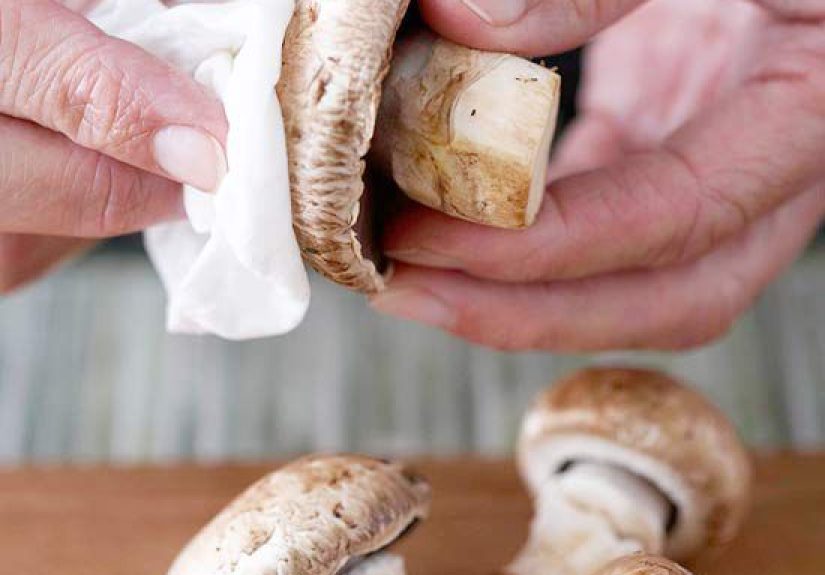
- For lightly dirty mushrooms, wipe with a damp paper towel or use a soft brush.
- For dirtier mushrooms, rinse briefly under cool running water.
- Never soak mushrooms in a bowl of water unless a specific wild variety really needs it.
- Dry them well with paper towels, a clean kitchen towel, or a salad spinner.
- Do not wash mushrooms with soap, detergent, or produce wash.
That is the core method. The rest is detail, timing, and knowing when a mushroom needs a quick wipe versus a quick rinse.
Should You Wash Mushrooms or Just Wipe Them?
This is the great mushroom debate, and like many kitchen arguments, both sides have a point.
If your mushrooms only have a little surface dust, wiping them with a damp paper towel or brushing them off is usually enough. This is especially helpful when you want the mushrooms to brown deeply in a hot pan. Less surface moisture means they get to the golden, savory stage faster.
But if the mushrooms are visibly dirty, hiding grit in folds, or carrying little clumps of growing material, a quick rinse is often the better move. Briefly washing mushrooms under cool running water is completely reasonable. The trick is to rinse fast, not soak, and dry them right away.
So the answer is not “never wash mushrooms.” It is “do not drown them like they owe you money.”
How to Clean Mushrooms Properly: Step by Step
1. Start with a quick inspection
Dump the mushrooms onto a clean towel, cutting board, or baking sheet and give them a once-over. Look for damaged spots, slimy patches, or mushy stems. If a mushroom feels sticky, smells off, or looks more haunted than hearty, toss it.
This is also the time to separate mushrooms by size if you are cooking them whole, halved, or sliced. Bigger mushrooms often hide more debris underneath the cap, so checking first saves time later.
2. Brush or wipe off light dirt
For mushrooms that are mostly clean, use a damp paper towel, clean cloth, or soft mushroom brush to remove surface debris. Gently rub the cap, stem, and any creases where dirt likes to camp out.
This method works especially well for button mushrooms, cremini mushrooms, and portobellos that only need minor cleanup.
3. Rinse briefly if needed
If wiping is not cutting it, place the mushrooms in a colander and rinse them quickly under cool running water. Do not leave them sitting in water, and do not soak them in a bowl. A quick rinse loosens grit without giving the mushrooms too much time to absorb extra moisture.
If you are rinsing mushrooms with deep gills or folds, turn and rub them gently with your hands as the water runs over them. The goal is to remove the dirt, not exfoliate the mushroom into a new personality.
4. Dry thoroughly
As soon as the mushrooms are clean, dry them well. This step matters more than people think. Excess moisture can make mushrooms steam instead of brown, which is how you end up with a pan full of beige regret.
Pat them dry with paper towels, use a clean dish towel, or spin them in a salad spinner if you have one. Then let them rest for a minute on a dry towel before slicing or cooking.
5. Trim what needs trimming
Cut off the very end of the stem if it looks dry, tough, or dirty. For some mushrooms, that is all you need. For others, like shiitakes, the whole stem may be too woody to eat. Save those tough stems for broth, soup, or stock instead of throwing them away.
If you are using large portobellos, you can also scrape out the dark gills with a spoon. They are edible, but they can darken sauces and fillings. If that does not bother you, leave them in. If you want a cleaner-looking dish, scoop them out.
How to Clean Different Types of Mushrooms
Button and cremini mushrooms
These are the easiest mushrooms to clean. If they look tidy, wipe them with a damp towel. If they are noticeably dirty, rinse briefly and dry well. Trim the stem ends if needed, then slice, halve, or cook whole.
Portobello mushrooms
Portobellos can hold dirt around the stem and under the cap. Wipe or rinse the cap, trim the stem, and decide whether to remove the gills. If you are stuffing, grilling, or roasting them, removing the gills can make the final dish look less muddy. If you are slicing them for sandwiches or sautéing them for tacos, the gills are usually no big deal.
Shiitake mushrooms
Shiitake caps clean up well with a damp towel or a quick rinse. The stems are usually too fibrous to eat, so trim them off before cooking. Keep them in a freezer bag for stock if you like deep, savory flavor.
Oyster and maitake mushrooms
These delicate mushrooms often grow in clusters. Instead of treating each piece like a tiny individual, trim the tough base first, then gently pull the cluster apart. Brush away debris or rinse quickly if needed, then dry carefully. They bruise more easily than button mushrooms, so use a gentle touch.
Morels and other wild mushrooms
Wild mushrooms are a different category. They can trap a surprising amount of grit, sand, insects, and forest debris. Morels, in particular, often need extra care because of their honeycomb structure. Split them lengthwise, shake out debris, and rinse or swish them carefully if they need it. Then dry them thoroughly before cooking.
One major note: do not eat wild mushrooms unless they have been identified with certainty by a true expert. “Looks edible” is not a food safety plan. Also, morels should be cooked before eating, not served raw.
Common Mistakes to Avoid
Washing them too early
Mushrooms keep best when stored unwashed. Cleaning them hours ahead may seem efficient, but the extra moisture can shorten shelf life and encourage a slimy texture. Wait until you are ready to cook.
Soaking them
If you drop mushrooms into a bowl of water and wander off to answer a text, they will not thank you. Soaking adds unnecessary moisture and can hurt texture. Quick contact with water is fine. A mushroom bath is not.
Using soap or produce wash
Mushrooms should be cleaned with cool running water only. Soap, detergent, bleach solutions, and commercial produce washes are not a smart move. Mushrooms are porous, and these products are not meant to become part of dinner.
Skipping the drying step
Even a correct rinse can backfire if you do not dry the mushrooms well afterward. Surface water delays browning and can make sautéed mushrooms release more liquid before they caramelize.
Crowding the pan
This is not a cleaning mistake exactly, but it causes the same frustration people blame on washing. If mushrooms are packed too tightly in the pan, they steam. Spread them out so the moisture can cook off and the edges can turn golden.
How to Store Mushrooms Before Cleaning
Proper storage makes cleaning easier later. Keep fresh mushrooms unwashed in the refrigerator, ideally in a paper bag or their original breathable packaging. Avoid airtight containers and sealed plastic bags if possible, since trapped moisture speeds up spoilage.
If your mushrooms came pre-sliced or in a package labeled washed or ready-to-eat, follow the package instructions. Otherwise, store them dry and clean them only when you are about to use them.
Fresh mushrooms are usually best when they are firm, dry-looking, and earthy-smelling. If they become slimy, shriveled, or suspiciously dark, it is time to let them go. Every mushroom deserves a graceful exit.
Do You Ever Need to Peel Mushrooms?
For most store-bought mushrooms, no. Peeling mushrooms is generally unnecessary and wastes time. A wipe or quick rinse does the job without sacrificing edible parts. If the outside is damaged or unusually tough, trim that specific area rather than peeling the whole mushroom.
The Best Cleaning Method Based on How You Are Cooking Them
For sautéing or roasting
Use the driest method that gets them clean. A damp wipe or quick rinse followed by excellent drying works best. This helps mushrooms brown faster.
For soup or stew
A quick rinse is often perfectly fine because the mushrooms are heading into liquid anyway. Just avoid soaking them first.
For stuffing or grilling portobellos
Clean the caps carefully, trim the stems, and remove the gills if you want a cleaner presentation or less dark liquid in the final dish.
For wild mushroom dishes
Take your time. Wild mushrooms can hide grit in places that seem designed by a prankster. Extra cleaning is better than a crunchy surprise in risotto.
Kitchen Experiences and Practical Lessons From Cleaning Mushrooms
Anyone who cooks mushrooms regularly eventually collects a few mushroom stories, and they are usually not glamorous. One day you toss “clean enough” cremini mushrooms into a skillet, only to discover halfway through dinner that your pasta has a faint crunch. Another day you get nervous about dirt, rinse the mushrooms too aggressively, and end up wondering why they look less like sautéed mushrooms and more like steamed brown pillows. Mushroom cleaning is one of those quiet kitchen skills that seems tiny until it affects the whole meal.
A common experience for home cooks is realizing that the mushrooms were not actually the problem, the timing was. Plenty of people wash mushrooms early in the day because it feels productive. Then dinner rolls around, and the mushrooms are damp, tired, and somehow slimier than when they came home from the store. Cleaning mushrooms right before cooking sounds almost too simple, but it really does change the outcome. They stay fresher, they brown better, and they are much easier to work with.
Another relatable lesson comes from portobellos. Many cooks buy them for burgers, stuffed dinners, or vegetarian mains and do not think much about the gills until the finished dish turns murky brown. That is usually the moment the spoon comes out next time. It is not that the gills are bad; they are just dramatic. If you like a cleaner look in a creamy filling or light-colored sauce, removing them makes a noticeable difference.
Shiitakes teach a different lesson: not every part of every mushroom wants to be dinner. The first time someone bites into a chewy, woody shiitake stem, they tend to remember it. After that, trimming the stems becomes second nature, and saving them for broth feels like a small kitchen victory. It is the kind of move that makes you feel resourceful without forcing you to start a homesteading channel.
Then there are morels, which bring adventure and mild chaos to the cutting board. People love them for their nutty flavor, but they can hide sand and little bits of nature in places that seem mathematically impossible. Anyone who has cleaned morels knows the mixture of admiration and suspicion involved. You rinse, split, inspect, and rinse again, because no one wants woodland confetti in a pan sauce.
Over time, most cooks land on a flexible routine instead of a strict rule. If the mushrooms look clean, wipe them. If they look dirty, rinse them quickly. Dry them well. Trim what needs trimming. Cook them without overcrowding the pan. That routine is not flashy, but it works. And that is the real kitchen experience behind cleaning mushrooms properly: the best method is not the loudest one. It is the one that gets rid of grit, protects texture, and helps dinner taste like you meant it.
Conclusion
Learning how to clean mushrooms properly is less about following a rigid rule and more about using the right level of cleanup for the mushrooms in front of you. A light wipe works for mushrooms that are nearly clean. A quick rinse works for mushrooms with visible dirt. The big no-nos are soaking them, washing them too far in advance, and skipping the drying step.
Once you know that, mushrooms become much easier to handle. You can clean them with confidence, cook them with better texture, and avoid the twin disasters of grit and sogginess. That is a win for weeknight cooking, holiday cooking, and every pan in between.