Table of Contents >> Show >> Hide
- Before You Start: Know What You’re Dealing With
- Quick Safety Checklist (Do This. Seriously.)
- The 14-Step Odor Removal Plan
- Step 1: Identify the odor source (your nose is a detective)
- Step 2: Decode the care tag and pick the “safe lane”
- Step 3: Strip what you can and wash what’s washable
- Step 4: Vacuum like you mean it (top to bottom, seams included)
- Step 5: Air it out (yes, ventilation is a “cleaning tool”)
- Step 6: Dry deodorize with baking soda (the low-drama classic)
- Step 7: Vacuum the baking soda thoroughly (slow passes win)
- Step 8: For general funk, mist lightly with a vinegar-water solution (water-safe fabrics)
- Step 9: For pet urine or organic odors, use an enzymatic cleaner (follow the label)
- Step 10: Treat cushion inserts and foam (where odors love to squat)
- Step 11: Deep refresh with steam or extraction (when the smell is “in there”)
- Step 12: Speed-dry to prevent musty rebound
- Step 13: Use an odor-eliminating fabric spray (not just perfume)
- Step 14: Prevent the next stink (maintenance that doesn’t ruin your life)
- Troubleshooting: When the Smell Won’t Quit
- of Real-World “Couch Smell” Experiences (So You Feel Less Alone)
- Conclusion
Couches are basically giant, comfy odor sponges. They collect snack crumbs, pet funk, “mystery” spills, body oils, and sometimes that unmistakable eau de someone definitely took a nap here. The good news: you usually don’t need to banish your sofa to the curb. With the right plan (and a little patience), you can remove odors from a couch without turning your living room into a chemistry lab.
This guide walks you through a practical, fabric-safe approach used by cleaning pros and home-care experts. You’ll learn how to diagnose the smell, choose the right method for your upholstery, and deodorize deeply (not just perfume-bomb the problem).
Before You Start: Know What You’re Dealing With
Odors tend to fall into a few categories, and the “best” fix depends on which one you’ve got:
- Food & grease: oils cling to fibers and hold onto smells.
- Pets (wet dog, litter box vibes, accidents): organic odors often need enzymes.
- Musty/mildew: usually a moisture and airflow issue, not just “dirty fabric.”
- Smoke: clings to fabric and foam; may require multiple rounds and deeper extraction.
- New couch smell: off-gassing can fade with time + ventilation.
Quick Safety Checklist (Do This. Seriously.)
- Find the care tag (often under cushions). Common codes include: W (water-based), S (solvent only), W/S (either), and X (vacuum/brush onlyno liquids).
- Spot test any cleaner in a hidden area first.
- Don’t over-wet cushionsfoam holds moisture and can turn “odor removal” into “mildew farming.”
- When in doubt (silk, velvet, “X” code, antique fabrics, or severe pet urine in foam), consider professional upholstery cleaning.
The 14-Step Odor Removal Plan
Step 1: Identify the odor source (your nose is a detective)
Remove pillows, throws, and cushion covers. Smell each layersurface fabric, seams, cushion inserts, and the frame area. If the odor is strongest in one spot, treat that area first instead of deodorizing the entire couch like you’re fogging for mosquitoes.
Step 2: Decode the care tag and pick the “safe lane”
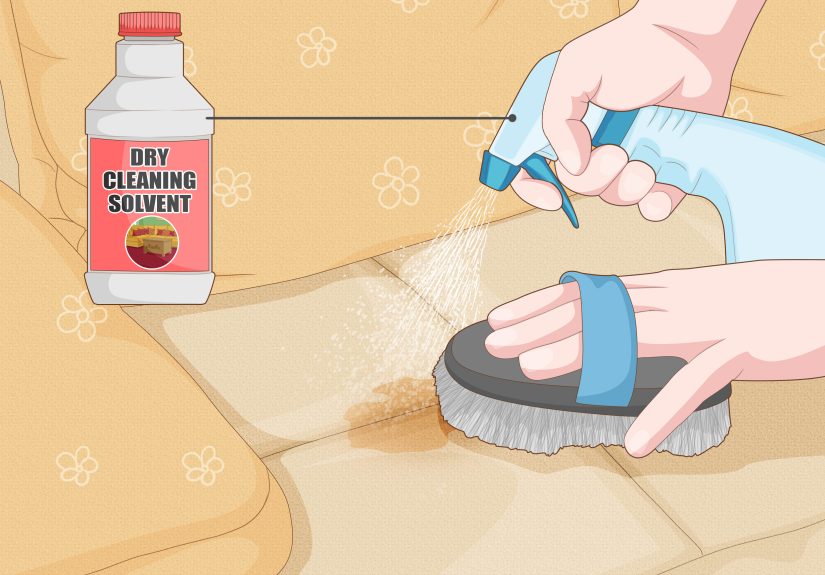
If you see X, skip DIY liquids and use vacuuming, brushing, and professional help. If you see S, avoid water and use appropriate solvent methods (often rubbing alcohol for certain microfiberbut still spot test). If you see W or W/S, you have more options (water-based cleaning, light misting, extraction).
Step 3: Strip what you can and wash what’s washable
If cushion covers or slipcovers are removable and machine-washable, wash them per label directions. Odors love hiding in removable textiles, and cleaning them separately is often the fastest win. Air-dry if you’re worried about shrinkage.
Step 4: Vacuum like you mean it (top to bottom, seams included)
Use an upholstery attachment and go slowly. Hit creases, tufting, seams, and under cushions. Crumbs and pet hair hold odor, and leaving them behind is like lighting a candle next to a trash can.
Step 5: Air it out (yes, ventilation is a “cleaning tool”)
Open windows, run fans, and if possible, remove cushions and stand them on edge so air reaches more surface area. Sunlight can help freshen some fabricsjust avoid baking delicate or brightly colored textiles in direct sun for hours.
Step 6: Dry deodorize with baking soda (the low-drama classic)
Sprinkle a generous, even layer of baking soda over the fabric (and both sides of removable cushions if possible). Let it sit at least 30 minutes; for stubborn odors, leave it a few hours or overnight. Baking soda works best when it has time to interact with the odor and oils trapped in fibers.
Pro tip: Don’t dump it into the couch like a snowstorm. A light, even layer is easier to remove and less likely to get lodged deep in the fabric.
Step 7: Vacuum the baking soda thoroughly (slow passes win)
Vacuum with slow, overlapping passes. Press gently into the fabric to lift powder out of the fibers rather than just skating over the top. If you still see residue, vacuum again after the couch sits for 10–15 minutes.
Step 8: For general funk, mist lightly with a vinegar-water solution (water-safe fabrics)
If your couch is W or W/S, mix equal parts white vinegar and water in a spray bottle. Lightly mistdo not soakthen blot with a clean cloth. Vinegar smell fades as it dries, and it can help neutralize lingering odors after you’ve removed the actual gunk.
If you hate the smell of vinegar, remember: it’s temporary. Unlike “tropical waterfall breeze” sprays, it’s not trying to move in permanently.
Step 9: For pet urine or organic odors, use an enzymatic cleaner (follow the label)
Enzymatic cleaners are designed to break down organic compounds (like urine proteins) rather than masking the odor. Apply according to the product instructionsmany require a dwell time and air-drying. Blot; don’t rub. If the smell returns after drying, repeat, because odor can “reappear” as moisture evaporates and leftover residue concentrates.
Step 10: Treat cushion inserts and foam (where odors love to squat)
If the odor lives in the foam, surface cleaning won’t fully solve it. Remove inserts (if possible) and:
- Sprinkle baking soda on the foam, let it sit several hours, then vacuum with a handheld vacuum.
- Air out foam near a sunny window (avoid damp weather).
- If foam is urine-soaked or smells sour even after treatment, replacement may be the most cost-effective fix.
Step 11: Deep refresh with steam or extraction (when the smell is “in there”)
For water-safe upholstery, a handheld steam cleaner or upholstery extractor can help lift odor-causing residues from deeper fibers. Don’t overdo the moisturemultiple light passes are safer than one soaking session. For delicate fabrics, keep steam at a safe distance and avoid saturating.
Step 12: Speed-dry to prevent musty rebound
Moisture is the villain behind many “why does it smell worse now?” moments. After any wet method: blot excess moisture, run fans, and consider a dehumidifier. Keep cushions propped up so air circulates. Your goal is dry-in-hours, not dry-in-days.
Step 13: Use an odor-eliminating fabric spray (not just perfume)
If you want a finishing move, choose a fabric-safe spray designed to neutralize odors (not merely cover them). Use it after the couch is clean and dry. If you spray first, you’re basically layering “fresh linen” on top of “old pepperoni.”
Step 14: Prevent the next stink (maintenance that doesn’t ruin your life)
- Vacuum weekly if you have pets or snack-on-sofa energy; monthly at minimum.
- Handle spills immediately: blot first, then clean based on the care code.
- Control humidity: musty odors love damp rooms.
- Rotate cushions so one seat doesn’t become the official “sweat throne.”
- Consider washable slipcovers if your household is high-traffic (kids, pets, roommates, all of the above).
Troubleshooting: When the Smell Won’t Quit
If odors persist after two thorough rounds, one of these is usually true:
- The odor source is in the foam or frame (especially urine or smoke).
- You’re using the wrong method for the fabric code (for example, water on solvent-only fabric).
- The couch isn’t drying fast enough, creating a musty/mildew loop.
At that point, professional upholstery cleaning (hot-water extraction, controlled chemistry, strong drying airflow) can be worth itespecially for higher-end couches or severe pet odors.
of Real-World “Couch Smell” Experiences (So You Feel Less Alone)
If you’ve ever leaned in to fluff a cushion and immediately regretted having a functioning sense of smell, welcome to the club. Here are a few common couch-odor scenarios people run intoand what tends to work in the real world. Think of this as the “group chat” version of upholstery deodorizing.
1) The Wet-Dog Couch: Someone’s adorable best friend hops up after a rainy walk and suddenly your sofa smells like a freshly laundered towel that was immediately thrown into a swamp. In this situation, the fastest combo is ventilation + vacuum + baking soda. Airflow does more than you’d think because that damp smell is partly moisture. Let cushions stand on edge near a fan, then hit the whole couch with a light baking soda layer for a few hours. If you skip the drying and go straight to sprays, you often end up with “wet dog” plus “spring meadow,” which is not a scent anyone requested.
2) The “Movie Night Was a Mistake” Couch: Greasy takeout odor is sneaky because oils cling to fibers and keep releasing smell. Vacuuming gets crumbs, but oils need time and gentle chemistry. People usually get results by doing a baking soda sit (longer is better), vacuuming thoroughly, then using a light mist of vinegar-water on water-safe fabric. The vinegar step isn’t about making your couch smell like salad dressingit’s about nudging odor compounds out of “cling mode.” The real lesson from this couch: paper plates are cheaper than replacing foam inserts.
3) The “It Was Just One Tiny Spill” Lie: A little milk, beer, or sugary drink can turn into a stubborn odor because it seeps down. The fix is less glamorous: find the exact spot, blot, and clean according to the care code. Then dry fast. When people fail here, it’s usually because they cleaned the surface but left dampness inside the cushion. Fans and dehumidifiers aren’t exciting, but neither is a couch that smells like a forgotten gym bag.
4) The Pet Accident That “Totally Didn’t Soak In”: If it’s urine, enzymes are the difference between success and heartbreak. Many people try soap, vinegar, or baking soda first, feel hopeful, and then the smell comes back on a humid day like a horror-movie sequel. That’s organic residue reactivating. Enzyme cleaner used correctly (dwell time, air-dry, repeat if needed) is usually what finally ends the saga. And if the foam is fully saturated? Sometimes replacing the insert is the grown-up moveeven if your pet acts innocent the entire time.
5) The Thrifted Couch With “History”: Old smoke or deep mustiness can live in the padding and frame. In these cases, surface deodorizing helps, but people often need multiple rounds plus deeper extraction, and sometimes professional cleaning. The most important “experience-based” tip here is pacing: do one method, let it dry completely, reassess, then repeat. Stacking five products at once usually creates a new smell: “panic,” with notes of “why did I do that?”
Bottom line: most couch odors can be removed with a calm, methodical approachvacuum, deodorize, spot-treat the source, and dry thoroughly. Your couch didn’t get smelly in one day, and it usually won’t get fresh in five minutes. But it will get thereand you’ll feel like a cleaning wizard who didn’t even need a wand.
Conclusion
To remove odors from a couch, you don’t need extreme measuresyou need the right method for your fabric, a focus on the true odor source (not just fragrance), and thorough drying. Start with vacuuming and baking soda, step up to vinegar misting for water-safe fabrics, use enzymatic cleaners for organic/pet odors, and consider steam/extraction for deep-set funk. With a little consistency, your couch can go back to smelling like “home” instead of “what happened here?”