Table of Contents >> Show >> Hide
- Why These Gluten-Free Snickerdoodles Actually Work
- The Best Gluten-Free Snickerdoodles Recipe
- What These Cookies Taste Like
- Pro Tips for Soft and Chewy Gluten-Free Snickerdoodles
- Common Mistakes to Avoid
- Easy Variations for This Recipe
- How to Serve and Store Them
- Why This Gluten-Free Cookie Recipe Is Worth Repeating
- Experience: What Baking Gluten-Free Snickerdoodles Feels Like in Real Life
- Final Thoughts
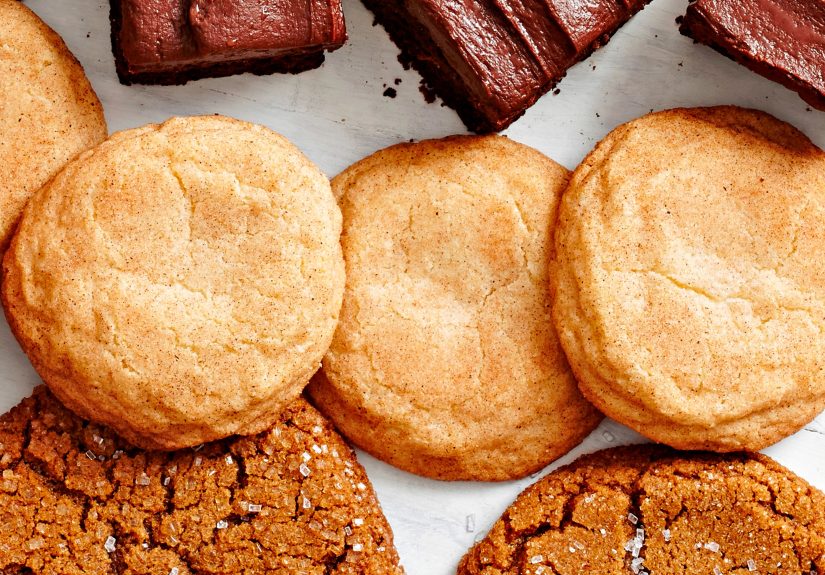
There are two kinds of cookie disappointment in this world: the sad, dry gluten-free cookie that crumbles like a dramatic soap-opera exit, and the fake snickerdoodle that tastes suspiciously like a sugar cookie wearing a cinnamon disguise. This recipe avoids both tragedies. These gluten-free snickerdoodles are soft in the center, lightly crisp at the edges, and coated in that classic cinnamon-sugar finish that makes people hover near the cooling rack “just to look.” Sure. To look.
A great gluten-free snickerdoodles recipe should still taste like the real thing. That means a tender bite, a gentle tang from cream of tartar, a crackly top, and enough cinnamon sugar to make your kitchen smell like a bakery that has its life together. The good news? You do not need a culinary degree, a moon-phase chart, or a backup emotional support whisk. You just need the right flour blend, a few smart baking moves, and the willpower not to eat all the dough before it reaches the oven.
Why These Gluten-Free Snickerdoodles Actually Work
Gluten-free cookie baking is often a balancing act between tenderness and structure. Traditional wheat flour gives cookies a flexible framework, but gluten-free snickerdoodle cookies need that structure from somewhere else. That is why a high-quality 1-to-1 gluten-free baking flour is the easiest path to success. A blend that already contains rice flour, starches, and usually xanthan gum helps the dough hold together without turning into cookie sand.
The second secret is one that loyal snickerdoodle fans will defend with surprising passion: cream of tartar. This ingredient gives classic snickerdoodles their faintly tangy flavor and contributes to their signature texture. If you skip it, you can still make a cinnamon sugar cookie. But a true snickerdoodle? That is a different story. Cream of tartar plus baking soda gives the cookie lift, character, and that “wait, why is this so good?” quality that makes the whole batch disappear at suspicious speed.
Then there is the cinnamon-sugar coating, which is not decorative fluff. It creates a delicate crust around each cookie and helps deliver that familiar snickerdoodle flavor in the very first bite. Finally, a short chill helps the dough firm up, limits overspreading, and encourages better cracks on top. In other words, a quick trip to the fridge saves the cookies from becoming cinnamon pancakes. Science is beautiful.
The Best Gluten-Free Snickerdoodles Recipe
Yield, Time, and Texture
Yield: 24 cookies
Prep time: 20 minutes
Chill time: 30 minutes
Bake time: 10 to 12 minutes per batch
Texture: Soft centers, lightly crisp edges, crackly tops
Ingredients for the Cookie Dough
- 2 1/4 cups (315 g) gluten-free 1-to-1 baking flour, preferably with xanthan gum
- 1 teaspoon cream of tartar
- 3/4 teaspoon baking soda
- 1/2 teaspoon fine salt
- 3/4 cup (170 g) unsalted butter, softened
- 1 cup (200 g) granulated sugar
- 1/4 cup (50 g) light brown sugar
- 2 large eggs, room temperature
- 2 teaspoons pure vanilla extract
Ingredients for the Cinnamon-Sugar Coating
- 1/4 cup (50 g) granulated sugar
- 1 1/2 tablespoons ground cinnamon
How to Make Gluten-Free Snickerdoodles
- Preheat the oven. Set your oven to 350°F. Line two baking sheets with parchment paper. This is also an excellent moment to pretend you are the kind of organized person who always has parchment on hand.
- Mix the dry ingredients. In a medium bowl, whisk together the gluten-free flour, cream of tartar, baking soda, and salt. Whisk well so the leavening is evenly distributed.
- Cream the butter and sugars. In a large bowl, beat the softened butter, granulated sugar, and brown sugar until the mixture looks lighter and fluffy, about 2 to 3 minutes. Do not rush this step. It helps create a better cookie texture.
- Add the eggs and vanilla. Beat in the eggs one at a time, then mix in the vanilla extract. Scrape down the sides of the bowl so everything is fully incorporated.
- Combine wet and dry ingredients. Add the flour mixture to the butter mixture and mix just until a soft dough forms. The dough may feel slightly sticky, which is completely normal.
- Chill the dough. Cover the bowl and refrigerate for 30 minutes. This short chill makes the dough easier to handle and helps the cookies stay thicker as they bake.
- Make the coating. In a small bowl, stir together the sugar and cinnamon for the coating.
- Scoop and roll. Scoop the dough into 1 1/2 tablespoon portions and roll each portion into a ball. Roll each dough ball generously in the cinnamon-sugar mixture until well coated.
- Arrange on baking sheets. Place the dough balls about 2 inches apart on the prepared baking sheets. If you like a slightly flatter cookie, press them down very gently with your palm. If you want thicker cookies, leave them round.
- Bake. Bake for 10 to 12 minutes, or until the edges are set and the tops are puffed and crackled. The centers may still look slightly soft. That is exactly what you want.
- Cool properly. Let the cookies rest on the pan for 5 minutes, then transfer them to a wire rack. They will continue to set as they cool, which is handy because cookies rarely accept instructions while hot.
What These Cookies Taste Like
These easy gluten-free snickerdoodles are buttery, cozy, and warmly spiced without becoming heavy. The outside has a delicate crispness from the cinnamon sugar, while the center stays tender and chewy. The flavor is sweet but not one-note, thanks to the subtle tang from cream of tartar and the vanilla in the dough. In plain English: they taste like the cookie version of a fleece blanket and a good mood.
Because the recipe uses a reliable gluten-free flour blend and a little brown sugar, the cookies avoid the chalky or gritty texture that can ruin gluten-free baking. They feel like actual cookies, not a compromise. That matters. Nobody bakes a batch of snickerdoodles hoping for “surprisingly acceptable.” The goal is delicious, period.
Pro Tips for Soft and Chewy Gluten-Free Snickerdoodles
1. Use a Good Gluten-Free Flour Blend
Not all gluten-free flours behave the same way. A gluten-free baking blend that is designed as a cup-for-cup replacement is the simplest option for consistent results. If your blend does not include xanthan gum, the cookies may spread more and feel more fragile.
2. Measure Carefully
Too much flour is one of the fastest ways to make cookies dry. Spoon the flour into the measuring cup and level it off, or use a kitchen scale. Your cookies will thank you by not becoming little cinnamon hockey pucks.
3. Do Not Skip the Chill
A quick chill is especially helpful in gluten-free cookie recipes because it gives the flour time to hydrate and helps control spread. Even 30 minutes makes a noticeable difference in shape and texture.
4. Pull Them Slightly Early
If you wait until the centers look fully baked in the oven, the cookies may end up too firm after cooling. Bake until the edges are set and the tops are crackly, then let residual heat do the rest.
5. Roll Generously in Cinnamon Sugar
Do not be shy here. The coating helps define the cookie. A thin dusting is polite; a full roll is memorable.
Common Mistakes to Avoid
- Using melted butter instead of softened butter: Melted butter can encourage too much spread unless the recipe is built for it.
- Replacing cream of tartar with nothing: You lose the classic tang and part of the cookie’s identity.
- Overbaking: Gluten-free cookies can go from soft to dry quickly. Watch the edges, not just the clock.
- Using a gritty flour blend: Some blends are better suited for bread or pancakes than cookies.
- Skipping parchment paper: It helps the cookies bake more evenly and release easily.
Easy Variations for This Recipe
Dairy-Free Gluten-Free Snickerdoodles
Use a good plant-based butter replacement designed for baking. The cookies may spread a little differently, so chilling becomes even more useful.
Brown Butter Version
If you want a deeper, slightly nutty flavor, brown the butter first, then cool it until it is soft but not liquid. This adds richness and makes the cookies taste a little more grown up, like they started paying taxes.
Holiday Snickerdoodles
Add a pinch of nutmeg or cardamom to the cinnamon-sugar coating for a more festive twist. This works beautifully in cookie tins and dessert trays.
Mini Snickerdoodles
Use 1 tablespoon of dough per cookie and reduce the baking time by a minute or two. Mini cookies are perfect for parties, gifting, or convincing yourself you only had “a few.”
How to Serve and Store Them
These cookies are wonderful slightly warm, at room temperature, or paired with coffee, tea, or a cold glass of milk. They also make an excellent addition to holiday cookie boxes because they hold up well and bring that nostalgic cinnamon-sugar flavor everyone recognizes immediately.
Store the cookies in an airtight container at room temperature for up to 4 days. To keep them softer, place a small piece of bread in the container. The cookies will absorb moisture from the bread without tasting like a sandwich, which is a relief. You can also freeze the baked cookies for up to 2 months. Thaw at room temperature before serving.
Why This Gluten-Free Cookie Recipe Is Worth Repeating
There are plenty of cookie recipes that are good once and then mysteriously never made again. This is not one of them. This homemade gluten-free snickerdoodles recipe earns repeat status because it uses familiar ingredients, does not require complicated flour math, and delivers a classic cookie experience without tasting like a special project. It is approachable enough for weeknight baking, but good enough for holidays, cookie exchanges, and guests who claim they can “always tell” when something is gluten-free. Let them try one first. Then enjoy the silence.
Experience: What Baking Gluten-Free Snickerdoodles Feels Like in Real Life
One of the most relatable experiences with gluten-free baking is the cautious optimism that shows up right after you mix the dough. You want to believe. You really do. But if you have ever made gluten-free cookies before, you may have trust issues. Maybe you have been betrayed by dry chocolate chip cookies. Maybe you have met a flour blend that tasted like cardboard with ambition. So when you start making gluten-free snickerdoodles, there is usually a small voice in your head whispering, “Let us not get emotionally attached.”
Then the cinnamon sugar hits the bowl, and everything improves. Suddenly the kitchen smells familiar, warm, and outrageously comforting. Rolling the dough balls in the coating feels oddly satisfying, like the baking equivalent of putting on fresh sheets. It is simple, repetitive, and just a little therapeutic. By the time the first tray goes into the oven, the mood changes completely. The cookie skeptic becomes a hopeful citizen again.
And then comes the best part: the smell. Snickerdoodles have a way of making a kitchen smell like someone in the house definitely has excellent life choices. The cinnamon blooms first, then the butter, then that sugary bakery aroma that causes people to wander into the room asking suspiciously casual questions like, “So… what are you making?” Nobody has ever drifted into a kitchen because steamed broccoli smelled emotionally compelling. But snickerdoodles? They have star power.
There is also a small thrill in seeing the tops crackle the way they are supposed to. If you have baked gluten-free desserts for a while, you know that visual success matters. A crackly top says, “Yes, this is a real cookie.” A soft center says, “Yes, you may have another.” A tray that cools without crumbling apart says, “We did it. We beat the odds and the pantry.” That feeling is part of why recipes like this become favorites. They are not just tasty. They are reassuring.
These cookies also tend to win over mixed crowds, which is another memorable part of the experience. If you bring gluten-free snickerdoodles to a gathering, someone will usually eat one without realizing it is gluten-free. That is the dream, frankly. Not because there is anything wrong with gluten-free baking, but because it is nice when the cookie gets to be a cookie first and a dietary workaround second. When people reach for a second one before asking questions, you know the recipe is doing its job.
Another real-life truth: these cookies have strong “just one more” energy. The first one is for quality control. The second is because it is still warm. The third is because you are evaluating texture. By the fourth, everyone has stopped pretending. That is part of their charm. Gluten-free snickerdoodles are familiar enough to feel nostalgic, but good enough to feel like a small victory every single time.
For many bakers, that is what makes this recipe special. It is not fussy. It is not trendy. It does not rely on a dozen hard-to-find ingredients or demand perfect weather conditions. It is simply a dependable, cozy, cinnamon-sugar cookie that happens to be gluten-free and happens to make people very happy. In the crowded world of cookie recipes, that is a pretty excellent reputation to have.
Final Thoughts
If you want a cookie that is classic, cozy, and reliable, this gluten-free snickerdoodles recipe deserves a permanent spot in your baking rotation. It is easy enough for beginners, satisfying enough for experienced bakers, and delicious enough that nobody will care what kind of flour is in the bowl. Bake a batch for the holidays, for guests, or for a random Tuesday that needs improving. Cinnamon sugar has a strong track record with all three.