Table of Contents >> Show >> Hide
- Why the Traditional Round White Teapot Still Matters
- What Makes a Round White Teapot “Traditional”?
- Best Materials for a Traditional White Teapot
- How Shape Affects Brewing
- Which Teas Work Best in a Traditional Round White Teapot?
- How to Choose the Right Traditional Round White Teapot
- Styling and Serving With a White Teapot
- Care Tips for Long-Lasting Beauty
- Everyday Value of a Traditional Round White Teapot
- Experiences With a Traditional Round White Teapot
- Final Thoughts
A traditional round white teapot is one of those rare household objects that never seems to go out of style. It is simple without being boring, elegant without trying too hard, and practical in a way that makes you feel oddly organized just by looking at it. In a kitchen full of trendy gadgets that promise to “change your life,” the round white teapot quietly whispers, “I have been doing my job beautifully for centuries, thank you very much.”
That quiet confidence is part of the appeal. Whether you use it for a weekday breakfast, a slow Sunday afternoon, or a table set for guests, a classic white teapot fits the scene. It works with farmhouse kitchens, minimalist shelves, vintage china cabinets, and modern dining tables that are trying very hard to pretend they are not just expensive rectangles. It is adaptable, timeless, and refreshingly free of drama.
For tea lovers, the appeal goes beyond looks. The shape, material, color, and balance of a traditional round white teapot all contribute to the experience of brewing and serving tea. It can be a functional tool, a decorative centerpiece, and a tiny ritual machine all in one. That is a lot to ask from a pot with a handle and a lid, but here we are.
Why the Traditional Round White Teapot Still Matters
Some kitchen items survive because they are useful. Others survive because they are beautiful. The traditional round white teapot has managed to do both, which is frankly overachieving.
The round form helps tea circulate inside the pot more evenly. This is one reason rounded teapots have remained so popular across different tea traditions. When hot water meets loose leaves, the body of the pot gives them room to open and move. That gentle movement helps create a more balanced infusion instead of a brew that tastes flat, bitter, or confused about its career path.
The white finish matters too. White teaware has long been associated with a clean, classic look. It reflects light beautifully, highlights the color of the tea being poured, and plays well with almost any table setting. A white teapot can lean formal with linen napkins and polished silver, or casual with toast, a newspaper, and the kind of morning hair that says, “I have made peace with reality.”
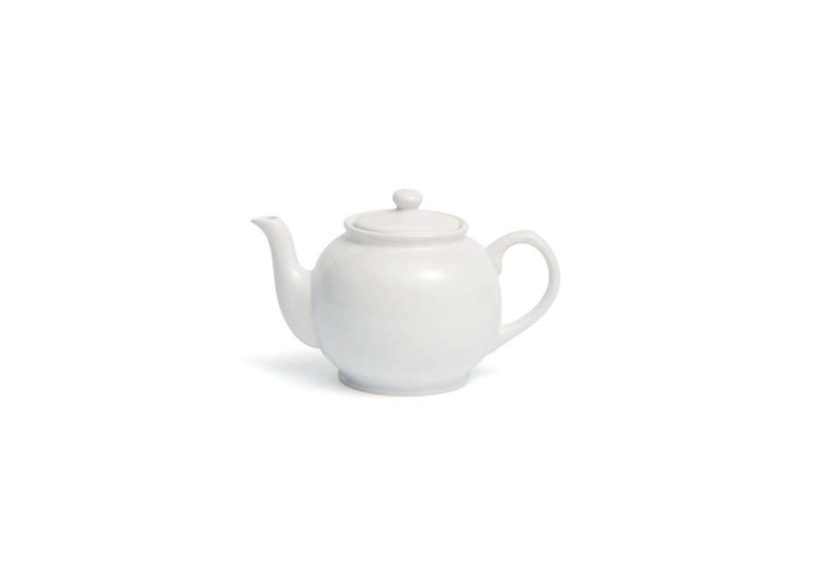
Traditional design also brings familiarity. A rounded belly, curved handle, neat lid, and graceful spout create a silhouette people instantly recognize. There is comfort in that. Even before the tea is poured, the pot signals warmth, hospitality, and a slower pace.
What Makes a Round White Teapot “Traditional”?
Not every white teapot earns the word traditional. Some are sleek and modern, some are sculptural, and some look like they were designed by a committee that had never actually met tea. A traditional round white teapot usually includes several hallmark features.
1. A rounded body
The body is typically full and curved rather than tall and sharply angular. This shape feels balanced in the hand and visually soft on the table. It also supports even steeping by giving leaves room to expand.
2. A simple white glaze
Traditional white teapots often feature porcelain, ceramic, or stoneware with a glossy or lightly satin finish. Some are bright white and crisp, while others lean creamy or ivory. The best versions look clean and understated rather than sterile.
3. A practical spout and lid
A good traditional teapot pours neatly. That sounds obvious, but not every pot understands the assignment. The spout should allow a steady stream with minimal dripping, and the lid should sit securely so it does not attempt escape during pouring.
4. Comfortable proportions
Traditional teapots are often sized for two to six cups, making them useful for solo drinkers, couples, or small gatherings. They are not meant to dominate the table like a decorative pumpkin at Thanksgiving. They are meant to serve gracefully.
Best Materials for a Traditional White Teapot
When people picture a traditional round white teapot, they are usually imagining one made from porcelain or ceramic. That is for good reason. These materials have a long history in tea service and remain popular because they are versatile, attractive, and relatively easy to maintain.
Porcelain
Porcelain is the classic favorite. It has a refined look, a smooth glazed surface, and a non-porous quality that makes it a strong option for brewing different teas without hanging on to old flavors. If you switch between black tea, green tea, white tea, herbal blends, and that one mystery loose-leaf blend you bought because the packaging looked poetic, porcelain is wonderfully forgiving.
Porcelain teapots also tend to look crisp and polished, which is perfect for the white traditional style. They are often lighter than chunkier stoneware, which can make pouring easier. The trade-off is that very thin porcelain may lose heat a little faster than heavier ceramic bodies, so preheating the pot becomes especially helpful.
Ceramic and stoneware
Ceramic and stoneware versions offer a slightly earthier presence. They may be a bit heavier, sometimes better at holding warmth, and often feel reassuringly solid. If porcelain is the ballet dancer, stoneware is the dependable friend who always shows up on time with snacks.
Many white teapots sold for everyday use fall into this category. They balance beauty with durability and often suit casual tea drinkers who want something sturdy enough for regular use.
How Shape Affects Brewing
The rounded shape is not just charming. It is useful. Tea leaves need space to unfurl, especially loose-leaf varieties. A rounded pot gives the leaves more room to move around inside the water, which can improve extraction and help the brew taste fuller and more even.
The broad interior can also make the pot easier to rinse and clean. This matters more than you might think. A teapot that is hard to clean has a sneaky way of ending up at the back of the cabinet, where it sits in silence judging your life choices.
Traditional round teapots also tend to create a visually smooth pour. The body, handle, and spout usually work together in a way that feels balanced. When the pot is well designed, you do not have to wrestle with it. You simply pour. There is a tiny dignity in that moment.
Which Teas Work Best in a Traditional Round White Teapot?
One of the biggest advantages of a white porcelain or ceramic teapot is versatility. Unlike unglazed clay pots that are often dedicated to one kind of tea, a glazed round white teapot can move easily from one style to another.
Black tea
Classic breakfast teas, Earl Grey, Assam, Darjeeling, and similar blends all feel right at home in a traditional white teapot. The vessel retains warmth well enough for a satisfying steep, especially if you preheat it first.
Green and white tea
Because porcelain generally does not over-insulate the way some heavier materials can, it can be an excellent choice for more delicate teas when you use the proper water temperature. The clean interior also keeps subtle flavors from getting muddied.
Herbal and floral infusions
Chamomile, peppermint, hibiscus, rooibos, and floral blends look especially lovely in service from a white teapot. The neutral color makes the whole setup feel fresh and inviting.
Loose-leaf tea and tea bags
A traditional round white teapot can handle both. If it includes a built-in strainer or removable infuser, even better. If not, a separate tea strainer works perfectly well. Tea has survived for centuries without needing an app, so there is no need to overcomplicate this.
How to Choose the Right Traditional Round White Teapot
Not all teapots are created equal. Some are gorgeous but awkward. Some are practical but about as romantic as office carpeting. The best choice depends on how you actually drink tea.
Consider capacity
If you mostly drink tea alone, a smaller pot around 20 to 28 ounces may be ideal. For two to four people, something in the 30 to 46 ounce range is often more useful. A pot that is too large for your routine can make tea feel less fresh and more like leftovers with ambition.
Check the pour
A teapot should pour smoothly without dribbling down the spout. This is one of those tiny details that separates a lovely daily ritual from wiping the table every single time.
Look at handle comfort
The handle should feel secure and balanced, especially when the pot is full. A beautiful teapot that feels unstable in the hand is basically a trust exercise.
Think about care
Many modern white porcelain and ceramic teapots are dishwasher safe, and some are microwave safe, though details vary depending on trim, finish, and whether metal infusers are included. If convenience matters, always check care instructions before buying.
Styling and Serving With a White Teapot
This is where the traditional round white teapot really shines. It is almost ridiculously easy to style. Pair it with matching white cups and saucers for a crisp classic look, or mix it with patterned china for a more collected, layered table. Add a linen tablecloth and scones for full afternoon tea energy, or place it next to a plate of buttered toast and call it a very respectable breakfast.
Because white is neutral, it works in every season. In spring, it looks airy and floral. In summer, it feels fresh and bright. In fall, it balances richer colors beautifully. In winter, it practically begs to be surrounded by candlelight, shortbread, and dramatic opinions about cinnamon.
A white teapot also photographs well, which may or may not matter to you. But let us be honest: tea people enjoy a nice still life. Steam rising from a white pot has cinematic potential.
Care Tips for Long-Lasting Beauty
A traditional round white teapot is not high-maintenance, but it does appreciate good manners.
First, preheat the pot with hot water before brewing. This helps stabilize temperature and can improve the final cup, especially for black tea or when using thinner porcelain.
Second, avoid sudden temperature shock. Going from very cold to very hot too quickly can stress ceramic materials. Your teapot likes a little emotional preparation, just like the rest of us.
Third, rinse thoroughly after use. Tea stains can build up over time, particularly in white interiors. A gentle cleaner or baking soda paste can help remove marks if needed, but harsh scrubbing is rarely necessary.
Finally, pay attention to lids, strainers, and decorative finishes. Gold trim, delicate decals, or metal infusers may change what is dishwasher or microwave safe. When in doubt, hand wash and proceed with quiet caution.
Everyday Value of a Traditional Round White Teapot
Part of the charm of this teapot style is that it feels equally at home in daily life and special occasions. It is not a single-use luxury item meant to appear twice a year like a dramatic aunt. It is an everyday object that can still feel ceremonial.
That balance is rare. A traditional round white teapot can sit on an open shelf looking beautiful, then step into active duty for breakfast, lunch, book club, brunch, a rainy afternoon, or a conversation that needs tea before it needs opinions. It makes ordinary moments feel slightly more composed. Not perfect, just nicer. Sometimes that is enough.
Experiences With a Traditional Round White Teapot
Living with a traditional round white teapot changes the feeling of tea in small but memorable ways. It is not magic, although on tired mornings it can seem suspiciously close. There is something about lifting a rounded white pot from the shelf that feels intentional. Even before the kettle finishes heating, the day starts to slow down a notch.
One of the best experiences with this kind of teapot is how easily it fits into different moods. On rushed weekdays, it can still make a quick cup feel less rushed. You drop in tea leaves, pour in hot water, set the lid in place, and for a few minutes the kitchen feels like a place instead of a hallway you happen to cook in. That may sound dramatic, but tea has always had a flair for turning tiny routines into tiny ceremonies.
On weekends, the experience gets even better. A round white teapot looks good on a breakfast tray, beside a stack of pancakes, or in the middle of a table with fruit, toast, and soft sunlight doing its very best impression of a lifestyle magazine. It does not steal attention, but it improves everything around it. It is the quiet friend who somehow makes the whole group photo look more put together.
Guests tend to respond to it warmly too. A traditional white teapot feels familiar. People know what to do around it. They reach for cups, ask what is brewing, lean into conversation, and settle in. There is no intimidation factor. A bright red modernist teapot might be interesting, but a classic white one says, “Come sit down.” Hospitality matters, and design can absolutely help create it.
There is also pleasure in the visual simplicity. Watching amber black tea or pale green tea pour from a white pot into matching cups is satisfying in a way that is hard to explain without sounding like a person who alphabetizes their spice rack for fun. The contrast is clean, calm, and oddly restorative.
Even the imperfections become part of the experience. Maybe a faint tea stain appears after months of use. Maybe the lid rattles a little when poured too enthusiastically. Maybe the handle feels warmer than expected because you got impatient and skipped preheating properly. These are not failures. They are signs that the pot is being used, not merely admired.
Over time, a traditional round white teapot often becomes attached to memory. It is the pot used during stormy evenings, family visits, long phone calls, holidays, or quiet mornings when the house was finally still. Unlike trendier serveware, it does not age out of relevance. If anything, it grows more meaningful because it stays the same while life keeps changing around it.
That may be the strongest argument for owning one. It is not just a vessel for tea. It becomes a backdrop for moments you end up remembering. And for something so simple, that is pretty impressive work.
Final Thoughts
The traditional round white teapot remains popular because it solves a very modern problem with a very old answer: how to make daily life feel a little calmer, a little prettier, and a little more deliberate. Its rounded shape supports good brewing, its white finish stays timeless, and its classic form works across nearly any kitchen or table.
If you want teaware that is versatile, elegant, and genuinely enjoyable to use, this style is hard to beat. It does not need to be flashy. It just needs to pour well, feel good in the hand, and invite you to pause long enough to enjoy what is in the cup. For many tea drinkers, that is exactly the point.