Table of Contents >> Show >> Hide
- What Coqui Coqui Actually Is (Besides a Vibe)
- The Coqui Coqui Luxury Code: Quiet, Crafted, and Slightly Wild
- Where Coqui Coqui Lives on the Yucatán Peninsula
- Why This Counts as “Mexican Luxury” (Not Just “Minimalism With Good Lighting”)
- How to Do a “Coqui Coqui Crawl” Across the Peninsula (Without Turning It Into a Marathon)
- How to Choose a Coqui Coqui Scent Like a Non-Chaotic Adult
- Practical Tips (Because “Rustic Luxury” Still Includes Mosquitoes)
- Extra: of Sensory Experiences in Coqui Coqui Land
- Conclusion: The Most Luxurious Thing Coqui Coqui Offers Is Attention
Luxury usually announces itself. It jingles with lobby chandeliers, it hums with infinity pools, it hands you a cucumber water and then politely
invoices you for it. Coqui Coqui does the opposite. It whispers. It smells incredible. And it makes you realize that “more” isn’t always more
sometimes it’s just… louder.
On Mexico’s Yucatán Peninsulawhere pastel colonial cities meet jungle lagoons and limestone ruinsCoqui Coqui has built a cult following by treating
travel like a full-body sense test. Their formula is part perfumery, part boutique hideaway, part design manifesto, and part “please put your phone
away and go stare at the moon like a Victorian poet.” It’s Mexican luxury with restraint: intimate spaces, artisanal details, and fragrances that
smell like the peninsula distilled into memory.
What Coqui Coqui Actually Is (Besides a Vibe)
Coqui Coqui is best described as a sensory brand that happens to have roomsvery few rooms. The heart of the universe is perfumery: unisex scents,
hand-prepared and inspired by specific landscapes, with showrooms designed like apothecaries for people who love beautiful bottles and quiet
obsession. From there, the brand expands into residences and spas that translate the same philosophy into architecture, materials, and ritual.
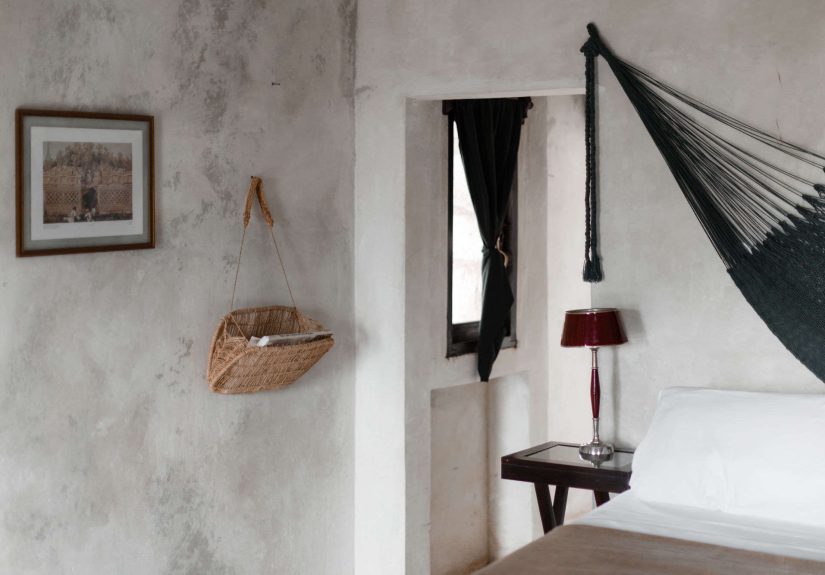
Think: stone, neutral hues, handmade hammocks, antique maps, botanical drawings, and the kind of lighting that makes you look like you’ve been
drinking water and minding your business for years. Coqui Coqui doesn’t try to entertain you with stuff. It tries to tune you back into yourself.
(Which is convenient, because the Yucatán heat will also tune you into yourself, mostly by making you question every fabric choice you’ve ever made.)
The Coqui Coqui Luxury Code: Quiet, Crafted, and Slightly Wild
1) Design that feels “archaeologist-chic,” not “resort brochure”
Across the peninsula, Coqui Coqui spaces lean into natural materialslimestone, wood, thatch, polished concreteplus handcrafted pieces and
nostalgic explorer-era cues (globes, trunks, maps) that nod to the region’s history of discovery without turning it into a theme park. At the Cobá
residence, for example, their own description highlights safari-inspired handmade furniture, stone baths, hanging hammocks, and an “1920s explorer’s
era” mood designed to complement the surrounding jungle and ruins.
This matters because the Yucatán is visually loud in the best waybright towns, dense greens, fierce sun. Coqui Coqui’s restraint becomes a kind of
luxury filter: it frames the outside world rather than competing with it.
2) Fragrance as a travel souvenir you’ll actually use
Plenty of hotels sell a candle. Coqui Coqui builds the whole story around scent: botanical research, landscape-inspired collections, and the idea
that a place can be remembered through notes like tobacco, orange blossom, coconut, mint, or citrus. Their perfumery pages emphasize that their
team studies botanical histories of different landscapes and produces fragrances by handmeasuring, mixing, decanting, and packaging with care.
And unlike the “souvenir tequila” you swore you’d sip thoughtfully at home (and then used to flambé shrimp exactly once), perfume is practical.
One spray and you’re back in the peninsulastanding under a ceiling fan, wearing linen, feeling mysteriously capable of reading a novel.
3) Luxury that doesn’t require constant electricity to prove itself
One reason the brand became iconicespecially in its early Tulum erawas its willingness to embrace simplicity: handmade furniture, palm-thatched
roofs, hammocks, and a “unplug” mentality where you’re encouraged to trade screens for stars. Even when you do have modern comforts, the point is
never the gadget; it’s the calm.
Where Coqui Coqui Lives on the Yucatán Peninsula
Coqui Coqui’s Yucatán footprint is less “hotel chain” and more “secret society of beautiful doors.” Several locations are tinysometimes literally
a single suiteso the experience feels private by design. Here’s the peninsula map in human terms.
Valladolid: Colonial Streets + A Perfumery That Hides a Suite
Valladolid is the peninsula’s charming middle child: close enough to major sites to be convenient, calm enough to feel like you discovered it
yourself. Coqui Coqui’s presence here is foundationalmultiple sources tie the brand’s scent-making and Valladolid together, and the town’s
aesthetic (colonial façades, leafy parks, honey-toned light) fits the brand like a tailored guayabera.
If you’re lucky enough to stay in a Valladolid suite above/behind a perfumery, expect the “only a few rooms” philosophy to shine: curated furniture,
an emphasis on terraces and gardens, and breakfasts that feel like they were designed by someone who respects both mangoes and silence. Verified guest
reviews on Hotels.com describe an experience with a beautifully decorated room opening onto a terrace, plus a small pool and breakfast served on a
private terracedetails that capture the brand’s intimate, sensory-first approach.
Mérida: Belle Époque Bones, Perfumery Soul
Mérida is the cultural capital of the Yucatán state: grand avenues, restored mansions, markets, museums, and an energy that balances tradition with
modern creative life. Travel editors often frame it as a city that rewards wanderingand Coqui Coqui fits neatly into that rhythm as a place to pause,
sniff, sip, and reset.
Travel + Leisure highlights the Coqui Coqui Mérida café and frames the property as both hotel and perfumeryexactly the hybrid identity that makes
the brand so sticky (in your brain, not on your wriststhough if you overspray, anything is possible). Architectural Digest has also pointed to the
Mérida outpost’s romantic suite stylinggilded details, crystal fixtures, Venetian-plaster wallsunderscoring how the brand can shift from jungle
minimalism to mansion romance without losing its quiet-luxury restraint.
Izamal: The Yellow City, With a Hidden Oasis
Izamal is famous for its yellow architecture and its monastery built atop Maya ruins. It’s photogenic in a way that almost feels unfairlike the town
hired a color consultant and then refused to tell anyone their rates. In that golden setting, Coqui Coqui’s Casa de los Santos is described by Condé
Nast Traveler as an apothecary/perfumery that offers a single suite, complete with a private terrace and plunge pool. That’s the Coqui Coqui method
in a sentence: minimal rooms, maximal atmosphere.
Izamal is ideal if you want the peninsula’s history and beauty without the coastal buzz. It’s also perfect for travelers who enjoy the adrenaline rush
of knowing there is exactly one suite and you are competing with the rest of the internet for it. (May the fastest finger win.)
Cobá: Jungle Lagoon Drama (The Good Kind)
Nearly an hour inland from Tulum, Cobá feels like the peninsula’s secret chapter: ruins wrapped in jungle, lagoons, cenotes, and a slower rhythm that
makes you stop checking the time because the time is “jungle o’clock.” Travel + Leisure describes Coqui Coqui Cobá as two symmetrical limestone
towers linked by a suspended wooden bridge, inspired by neighboring Maya ruinsan architectural move that blends design with context instead of
dropping a generic “luxury box” into the landscape.
The interiors are often framed as explorer-era romance: earth tones, handmade furniture, stone tubs, hammocks, antique maps. Coqui Coqui’s own Cobá
description leans into that same ideameticulous curation, safari-inspired pieces, botanical drawings, anthropological booksplus a cenote-inspired
pool and a spa menu rooted in traditional techniques and natural ingredients. AFAR’s write-up captures the brand’s understated-luxury thesis: rooms are
spare but not spartan; everything extraneous is left out so the essential details can actually matter.
Tulum: The Legend, the Boom, and the Aftermath
Coqui Coqui’s origin story is closely tied to Tulum’s transformation. Architectural Digest has described Coqui Coqui as a pioneer of Tulum’s hotel
boom, with bare limestone rooms epitomizing the town’s signature allure. Condé Nast Traveler’s hotel description paints the old-school vibe: handmade
furniture, palm-thatched roofs, hammocks, and a “simple directions” tone that made it feel like you were visiting a friendif your friend happened to
be a perfumer with impeccable taste and a beachfront bar.
But Tulum’s growth came with conflict. Multiple reports from the mid-2010s describe raids and seizures tied to land disputes, with Coqui Coqui among
the properties affected and later mourned online by fans using #freecoquicoqui. The key takeaway for travelers today isn’t gossipit’s context:
Coqui Coqui’s enduring appeal is bigger than any single address. The brand’s inland residences (and the broader Coqui Coqui universe) carry the
aesthetic forward, even as Tulum itself keeps evolving.
Why This Counts as “Mexican Luxury” (Not Just “Minimalism With Good Lighting”)
Luxury on the Yucatán Peninsula can mean many things: beachfront service, private chefs, yachts, you name it. Coqui Coqui offers a different model
one that feels distinctly Mexican because it’s rooted in place, craft, and cultural texture rather than imported hotel sameness.
- Sense of place: Limestone, thatch, hammocks, botanical notes, and design references that echo the peninsula’s landscapes and history.
- Small scale: Some locations are famously tinysometimes one suiteso privacy is built in, not marketed as an upgrade.
- Ritual over spectacle: A massage, a bath, a terrace breakfast, a scent chosen slowly. The “event” is that you finally exhale.
-
Rules that protect tranquility: Coqui Coqui’s guest information emphasizes quiet and privacyclear check-in/out times, limited
nighttime reception, and restrictions on unregistered visitorssignals that the brand treats calm as an asset, not a happy accident.
In other words: it’s luxury that asks you to participate. You don’t just consume it; you co-create it by slowing down.
How to Do a “Coqui Coqui Crawl” Across the Peninsula (Without Turning It Into a Marathon)
The smartest way to experience Coqui Coqui is to treat it like punctuationnot the whole sentence. Let the residences and perfumeries break up a
broader Yucatán itinerary of ruins, cenotes, food, and towns. Here’s a practical flow that balances culture with calm.
Day 1–2: Mérida as your base
Start in Mérida to acclimate: walk Paseo de Montejo, visit a museum-house or two, eat something involving citrus and slow-roasted pork, then stop by
Coqui Coqui for a café break and scent sampling. This is your “set the mood” chapter.
Day 3: Izamal day trip (or overnight if you want maximum quiet)
Go early, enjoy the yellow streets before peak heat, tour the monastery, and then retreat into Coqui Coqui’s apothecary calm. If you can snag the
suite, make it your “digital detox” night: plunge pool, book, early sleep.
Day 4: Valladolid for colonial charm and cenote access
Valladolid makes a perfect overnight because it’s central and atmospheric. Browse markets, grab local treats (honey and chocolate show up often in
Coqui Coqui’s world for a reason), then lean into the suite experience: terrace time, slow breakfast, and a scent that becomes your Valladolid stamp.
Day 5–6: Cobá for jungle immersion
Head toward the lagoon landscapes. Cobá rewards early mornings: explore ruins before the heat peaks, then return for a swim, a nap (this is not a
moral failure), and a spa treatment. Coqui Coqui’s spa philosophy emphasizes traditional methods and natural ingredients, with menus varying by
locationso treat it like local cuisine: don’t order the same thing everywhere.
Day 7: Optional coast (Tulum or beyond), with realistic expectations
If you go to the coast, go for the sea and the biosphere, not nostalgia. Use what you learned inland: pick one beautiful thing per day, then quit
while you’re ahead. (This is also solid life advice.)
How to Choose a Coqui Coqui Scent Like a Non-Chaotic Adult
You don’t need to buy a fragrance, but if you do, make it meaningful. Coqui Coqui’s whole thesis is that scent is memory. Here’s a low-drama method:
- Pick your “place” first: Are you trying to bottle jungle evenings, citrus mornings, or coastal salt air?
- Test on skin, then wait: The Yucatán heat changes everythinglet it settle before you commit.
- Buy the one that makes you time-travel: If you smile for no reason, that’s your scent. Congratulations. You are now a person with a signature.
If you’re not ready for perfume commitment, start smaller: room and linen sprays, oils, or even a craft item that carries the design language home.
Coqui Coqui’s “travel essentials” and artisan goods lean into local materials and techniqueshammocks, leather pieces, textilesbuilt for people who
like their souvenirs usable and beautiful.
Practical Tips (Because “Rustic Luxury” Still Includes Mosquitoes)
Respect the climate
Pack breathable fabrics, plan outdoor activities early, and hydrate like it’s your side hustle. The peninsula is glorious, but it is not here to
validate your heavy denim choices.
Book early and stay flexible
Many Coqui Coqui stays are limited in inventory (sometimes dramatically), so availability can be tight. If you can’t stay on-site, visiting a boutique
or café still gives you the sensory experienceand you can spend the savings on a scent you’ll keep for years.
Let the region lead
The magic of the Yucatán isn’t only in the propertiesit’s in the web of culture around them: Maya traditions, crafts, local foods, and landscapes that
shift from city to cenote to jungle in a single drive. The best Coqui Coqui trip uses the brand as a lens, not a bubble.
Extra: of Sensory Experiences in Coqui Coqui Land
Morning in Mérida starts with light that looks like it’s been edited by a film director who loves warm tones. You step onto the street and immediately
understand why people fall hard for this city: the air smells faintly of citrus and stone, and the architecture seems designed to make you walk slower.
You duck into a café, order something simple, and thenbecause you are a responsible adult who makes excellent choicesyou wander into a perfumery to
“just look.” Famous last words.
Inside, everything is calm: glass bottles, clean lines, quiet corners. You test a scent and it doesn’t shout. It unfoldsfirst bright, then herbal,
then warmlike the peninsula itself moving through the day. You leave with perfume on your wrist and the distinct feeling that you have accidentally
upgraded your personality.
Later, in Izamal, the town glows in yellow like it’s storing sunlight for a rainy season that never comes. You walk past the monastery and the pyramid,
then slip behind an unassuming façade into a space that feels like a secret. The plunge pool sits there like a private joke between you and the heat.
You take a dip, and suddenly the day stops being a schedule and becomes a mood. Somewhere in the distance, a horse carriage clops by. You consider
becoming the sort of person who writes letters.
Valladolid arrives with softer edges: leafy streets, colonial charm, and the gentle thrill of knowing you’re close to cenotes that look like portals to
another world. The suiteif you’re stayingdoesn’t overwhelm you with amenities. It wins with details: the terrace, the way the air moves, the hush.
Breakfast appears like a kindness rather than a performance. You sit by the water, listen to the city wake up, and think, “Oh. This is the thing.
This is why people travel.”
Then Cobá flips the script. The jungle feels louder, greener, more alive. You can almost hear the history. The lagoon holds stillness like a skill,
and the towers rise with that surreal “how is this real?” energy. You climb, you swim, you shower outdoors, and you start to understand the Coqui Coqui
obsession: it’s not about being pampered by a system; it’s about being re-sensitized to your own senses. At night, you sit outside and the darkness
isn’t emptyit’s full. Stars. Insects. The occasional mysterious rustle that reminds you you’re a visitor here, not the main character.
You go home and unpack. The sunscreen smell fades. The photos get posted. But the perfume is the cheat code. One sprayweeks later, months laterand
you’re back on a terrace with warm air on your skin, listening to the world slow down. That’s the real luxury: not escaping life, but remembering how
to feel it.
Conclusion: The Most Luxurious Thing Coqui Coqui Offers Is Attention
Coqui Coqui’s Yucatán Peninsula story isn’t about big resorts or big displays. It’s about precisionmaterials chosen thoughtfully, spaces designed to
quiet the mind, and scents that bottle a place without turning it into a cliché. If you want Mexican luxury that feels intimate, cultured, and
refreshingly unbothered, this is the kind that doesn’t need to raise its voice. It just opens the door, hands you a memory, and lets the peninsula do
the rest.