Table of Contents >> Show >> Hide
- Why rare LEGO minifigures get so expensive
- 20 rare LEGO minifigures collectors still chase
- 1. Black Superman (San Diego Comic-Con 2013) about $9,546
- 2. Mr. Gold (Series 10) about $8,037
- 3. Spider-Man (SDCC 2013) about $4,875
- 4. Chrome Gold C-3PO (Star Wars 30th Anniversary) about $3,000
- 5. Boba Fett (Cloud City, printed arms and legs) about $2,611
- 6. Spider-Woman (SDCC 2013) about $2,600
- 7. Iron Man (Toy Fair 2012 Exclusive) about $1,829
- 8. Clone Trooper Commander Fox misprint about $1,823
- 9. Green Arrow (SDCC 2013) about $1,800
- 10. Yoda “I Heart NY” (Toy Fair 2013) about $1,700
- 11. Finch Dallow about $1,582
- 12. The Collector (SDCC 2014) about $1,299
- 13. PS4 Spider-Man (Comic-Con 2019) about $1,218
- 14. Quatro Boy about $1,200
- 15. Zebra Batman (Comic-Con 2019) about $1,200
- 16. Shadow Leonardo about $1,184
- 17. Jean Grey in Phoenix Costume (Comic-Con 2012) about $1,152
- 18. Deadpool Duck (Comic-Con 2017) about $1,101
- 19. Miles Morales (Classic Suit, Sony promo) about $1,100
- 20. The Kraang (SDCC 2013) about $1,022
- What these prices tell us about the LEGO collector market
- Collector experiences: what the rare-minifigure hunt is really like
- Conclusion
- SEO Tags
If you ever dumped a box of LEGO on the floor and thought, “There’s no way a tiny plastic wizard, bounty hunter, or zebra-striped Batman could be worth real money,” welcome to the delightful chaos of the collector market. Some rare LEGO minifigures are worth more than a decent laptop, a weekend getaway, or a truly reckless number of tacos. In a few cases, they are worth all three.
Collectors chase rare minifigures for a simple reason: scarcity plus fandom equals wallet panic. The figures that command the highest prices usually come from San Diego Comic-Con giveaways, Toy Fair promos, limited blind-bag runs, misprints, or sets that quietly disappeared before most fans even knew what had happened. Add beloved franchises like Star Wars, Marvel, DC, and Teenage Mutant Ninja Turtles, and suddenly a two-inch figure turns into a tiny financial event.
Note: The values below are approximate collector-market estimates for loose or typical secondary-market examples. Actual prices can rise or fall depending on condition, packaging, accessories, print quality, and whether the seller knows they are holding a small plastic treasure chest.
Why rare LEGO minifigures get so expensive
The rarest LEGO minifigures are not always the oldest ones. Age helps, sure, but rarity usually comes from limited distribution. Some figures were handed out only to convention attendees. Others were randomly packed into products in tiny quantities. A few became expensive because they were tied to a short production run, like a late design change, an exclusive store promotion, or a figure that appeared in only one retired set.
Condition matters a lot. Collectors pay more for clean printing, tight joints, uncracked arms, correct capes, original helmets, and factory accessories. A loose figure missing one tiny part can still be valuable, but it may lose serious money compared with a complete example. In other words, that missing blaster or cape is not “just somewhere in the bin.” It is a budget line item.
What really drives value, though, is collector psychology. LEGO fans love completion. Marvel fans want exclusives. Star Wars fans want every Boba Fett ever made. And once a figure gets labeled “rare,” demand starts sprinting faster than a minifigure late for Comic-Con.
20 rare LEGO minifigures collectors still chase
1. Black Superman (San Diego Comic-Con 2013) about $9,546
This black-suit Superman is one of the most expensive LEGO minifigures on the market, and it is easy to see why. It was a San Diego Comic-Con exclusive, which already means limited access and immediate collector frenzy. The black suit gives it extra appeal because it feels different from standard Superman variants, and collectors love “different” almost as much as they love “exclusive.” It is the kind of minifigure that makes a display shelf look instantly expensive.
2. Mr. Gold (Series 10) about $8,037
Mr. Gold is the legend that turned blind-bag hunting into a full-blown sport. Only 5,000 were produced worldwide, and they were randomly inserted into LEGO Minifigures Series 10 packs. That scarcity, plus the thrill-of-the-hunt story behind it, made this figure collector catnip. Mr. Gold is not just rare; it represents a moment in LEGO history when people were practically developing advanced detective skills in the toy aisle.
3. Spider-Man (SDCC 2013) about $4,875
This Comic-Con Spider-Man is one of the crown jewels of LEGO Marvel collecting. It was never a regular retail figure, so supply was tiny from the start. Because Spider-Man is one of the most recognizable superheroes on the planet, demand has stayed remarkably strong. For many collectors, this is the figure that separates “I like LEGO” from “I may need to reorganize my insurance paperwork.”
4. Chrome Gold C-3PO (Star Wars 30th Anniversary) about $3,000
Gold chrome plus Star Wars plus limited distribution is basically a recipe for collector drama. This C-3PO figure was created to celebrate the 30th anniversary of Star Wars, and its shiny finish makes it instantly stand out from standard droids. It is flashy, historic, and tied to one of LEGO’s most powerful themes. If a minifigure could know it was fancy, this one absolutely would.
5. Boba Fett (Cloud City, printed arms and legs) about $2,611
Cloud City Boba Fett is the superstar of regular retail-set minifigures. Unlike many convention exclusives, this one came in a standard LEGO set, but only in the 2003 Cloud City release. That set did not have massive circulation, and Boba Fett’s detailed arm and leg printing made the figure especially desirable. It remains one of the most famous grails in LEGO Star Wars collecting, and yes, people still talk about it with the reverence usually reserved for lost treasure.
6. Spider-Woman (SDCC 2013) about $2,600
Spider-Woman proves that niche characters can become major collector prizes when the release is limited enough. This SDCC exclusive did not flood the market, and its connection to the early LEGO Marvel exclusive era makes it even more desirable. It is rare, recognizable to comic fans, and difficult enough to find that collectors tend to pounce when one appears for sale.
7. Iron Man (Toy Fair 2012 Exclusive) about $1,829
Iron Man was already a powerhouse character, and this Toy Fair edition turned that popularity into serious value. Unlike a mass-market release, this version had the kind of restricted availability that creates instant long-term demand. It also benefits from Tony Stark’s endless ability to sell anything with a helmet, a glowing chest piece, and a slightly smug expression.
8. Clone Trooper Commander Fox misprint about $1,823
Misprints are a special kind of collectible magic. They are production oddities, often accidental, and that makes them irresistible to serious hobbyists. Commander Fox stands out because the figure combines Star Wars popularity with a specific printing variation that collectors recognize immediately. It is the LEGO equivalent of a typo that accidentally became valuable art.
9. Green Arrow (SDCC 2013) about $1,800
Green Arrow may not have Batman-level brand power, but his SDCC exclusive minifigure has become a serious collector prize. Limited convention giveaways tend to age extremely well in the resale market, especially from the early superhero-exclusive years. For DC completists, this one is a must-have. For everyone else, it is proof that archery can apparently pay very well in plastic form.
10. Yoda “I Heart NY” (Toy Fair 2013) about $1,700
This version of Yoda is odd in exactly the right way. It is not just rare; it is memorable. A tiny Jedi Master wearing an “I Heart NY” shirt is the kind of design that sticks in collectors’ brains forever. Add a Toy Fair-exclusive release, and the figure becomes a quirky but premium piece of LEGO Star Wars history.
11. Finch Dallow about $1,582
Finch Dallow is a fascinating case because the value comes from scarcity through production timing. The figure only appeared in later runs of a Resistance Bomber set, which meant many buyers never got it at all. That kind of uneven release can turn a relatively recent minifigure into a collector phenomenon fast. It is one of the clearest examples of how LEGO rarity is not always about age; sometimes it is about timing and distribution quirks.
12. The Collector (SDCC 2014) about $1,299
A character literally named The Collector becoming collectible feels almost too perfect. This SDCC figure has strong Marvel appeal, a memorable design, and the kind of exclusivity that fuels aftermarket prices. It is also one of those minifigures that display beautifully, which matters more than some people admit. Collectors love rarity, but they also love shelves that make guests say, “Wait, how much?”
13. PS4 Spider-Man (Comic-Con 2019) about $1,218
This figure taps into the popularity of Insomniac’s PlayStation Spider-Man design, which already had a devoted fanbase beyond traditional comic readers. Limited Comic-Con distribution pushed it into premium territory. It is a neat example of how gaming crossovers can give LEGO minifigures an extra value boost.
14. Quatro Boy about $1,200
Quatro Boy is one of the stranger entries on the list, and that is part of the appeal. It is obscure, unusual in design, and not the kind of figure most casual fans know by name. But obscure plus hard to find is a powerful combo in collecting. Sometimes the market rewards icon status. Other times it rewards “Wait, what on earth is that?”
15. Zebra Batman (Comic-Con 2019) about $1,200
Batman has more variants than most collectors have shelf space, but Zebra Batman stands apart because it is both weird and exclusive. Comic-Con-only oddball variants often become fan favorites precisely because they feel playful and impossible. This figure is absurd in the best possible way, which is honestly very on-brand for comic-book collecting.
16. Shadow Leonardo about $1,184
Teenage Mutant Ninja Turtles minifigures already have a loyal following, and Shadow Leonardo sits near the top of the value ladder. It was an event-exclusive version with a darker, more unusual look than the standard retail release. TMNT fans, variant collectors, and completionists all want a piece of it, which is exactly how prices stay high.
17. Jean Grey in Phoenix Costume (Comic-Con 2012) about $1,152
Jean Grey in her Phoenix costume hits several collector sweet spots at once: X-Men popularity, event exclusivity, and a visually distinctive design. This is the kind of figure that keeps climbing because it appeals to both LEGO fans and comic collectors who may not normally chase brick toys. Cross-fandom demand is no joke.
18. Deadpool Duck (Comic-Con 2017) about $1,101
This figure is gloriously ridiculous, and that is exactly why people love it. Mash-up characters often have cult appeal, but a Comic-Con-exclusive mash-up involving Deadpool is basically engineered for collector enthusiasm. It is funny, strange, rare, and instantly memorable. In other words, it checks every valuable-toy box except “makes financial sense.”
19. Miles Morales (Classic Suit, Sony promo) about $1,100
Miles Morales has become one of the hottest Spider-Man-related characters in modern pop culture, and this exclusive classic-suit version benefited from that momentum. Limited availability and the strength of the character helped elevate it quickly. It is a newer reminder that modern exclusives can become expensive much faster than many fans expect.
20. The Kraang (SDCC 2013) about $1,022
The Kraang rounds out the list with one more Comic-Con exclusive that collectors continue to chase. As with Shadow Leonardo, the TMNT connection helps a lot, but the figure’s event-only status is the real engine behind its price. It is rare enough to matter, weird enough to be memorable, and tied to a franchise with a loyal collector base. That is a strong recipe for lasting value.
What these prices tell us about the LEGO collector market
The biggest lesson is that rarity beats size. A massive LEGO set can be expensive, but a tiny minifigure can outperform it if distribution was limited enough. Comic-Con exclusives dominate because they were hard to get from day one. Retail grails like Cloud City Boba Fett show that even ordinary store releases can explode in value when production is low and fan demand is high. Then you have wild cards like Finch Dallow and misprinted Commander Fox, which prove the market also rewards odd production stories.
The second lesson is that fandom matters. Spider-Man, Batman, Star Wars, X-Men, and TMNT all bring passionate collectors into the room. That widens the buyer pool and keeps prices elevated. The third lesson is less fun but very practical: packaging, condition, and completeness matter enormously. A cracked torso is not a charming battle scar when hundreds or thousands of dollars are involved.
Collector experiences: what the rare-minifigure hunt is really like
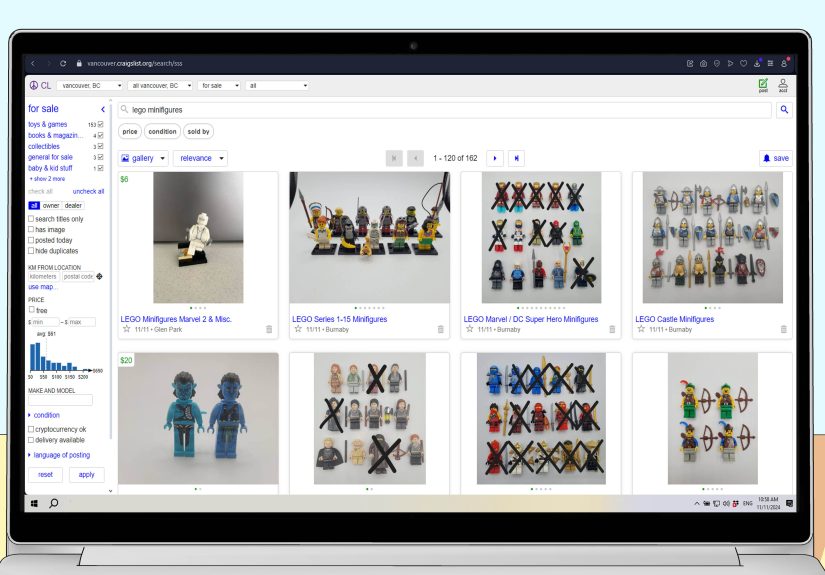
Anyone who has spent time chasing rare LEGO minifigures knows the experience is part treasure hunt, part detective work, part emotional roller coaster, and part trying not to scream when a seller posts a blurry photo of a figure with “maybe complete?” in the description. The thrill starts with the possibility that something valuable might turn up where nobody expects it: a yard sale, an old family storage bin, a local toy shop, or a random online listing buried under terrible keywords. The hobby rewards patience, weirdly sharp eyesight, and the ability to spot a rare print from three thumbnail images and a prayer.
There is also a special kind of joy in learning the tiny details that separate an ordinary figure from a valuable one. New collectors often discover that one helmet mold, one torso print, or one set-exclusive accessory can change everything. That moment is addictive. Suddenly, you are not just looking at toys anymore. You are comparing leg printing, checking whether a cape is the correct fabric, and wondering why a small plastic bow is somehow worth more than dinner.
Then there is the social side. Rare minifigure collecting has a surprisingly talkative community. Collectors swap tips, debate values, warn each other about fakes, and celebrate lucky finds like they just discovered buried pirate gold. One person finds a Cloud City Boba Fett in a childhood box, and the whole hobby collectively gasps. Another person realizes their “random Star Wars pilot” is actually Finch Dallow, and suddenly their weekend gets much more exciting. These stories keep the market lively because they remind everyone that the next big find could still be out there.
Of course, there is heartbreak too. Arms crack. White parts yellow. Chrome finishes wear down. A figure that looks complete turns out to have the wrong head, wrong cape, or replacement accessories. Condition issues can turn a dream score into a “well, that’s still neat” situation. Experienced collectors get very serious about storage for this reason. Sunlight, dust, rough handling, and loose bins are the villains of the story. Rare minifigures may be small, but they are not low-maintenance.
What makes the experience memorable, though, is that it balances nostalgia with strategy. Many people start collecting because they loved LEGO as kids. They stay because the hunt is fun, the research is satisfying, and every rare figure has a story. Some were handed out at events. Some were hidden in blind bags. Some slipped into the market quietly and became expensive before most fans noticed. That sense of history gives the hobby real personality.
And maybe that is the best part of all. Rare LEGO minifigures are not just expensive objects. They are tiny snapshots of fandom, marketing history, design oddities, and collector obsession. They remind us that something playful can also become meaningful, and that value does not always come from size. Sometimes it comes from a small gold gentleman named Mr. Gold, and sometimes it comes from a zebra-striped Batman that sounds like a joke until you see the price tag.
Conclusion
Rare LEGO minifigures prove that the secondary market has a sense of humor. One day you are buying toys; the next day you are researching convention exclusives, production runs, and whether a tiny green Jedi in a novelty shirt is worth four figures. The most valuable examples combine scarcity, strong franchises, and memorable release stories, which is why names like Mr. Gold, Cloud City Boba Fett, Chrome C-3PO, and Comic-Con Spider-Man keep showing up in collector wish lists.
If you collect LEGO seriously, the smart move is to learn the details, protect condition, and verify completeness before buying or selling. If you collect casually, it is still worth checking old bins and retired sets before assuming they are just dusty nostalgia. Sometimes the treasure is not the giant spaceship. Sometimes it is the little person standing next to it.