Table of Contents >> Show >> Hide
- First, What Is Actually Sitting in Nose Pores?
- Way #1: Wash Smart, Not Harsh
- Way #2: Use Chemical Exfoliation to Unclog Buildup
- Way #3: Use a Retinoid to Keep Pores Clear Over Time
- Support Habits That Make All Three Methods Work Better
- A Simple Routine for Cleaning Nose Pores
- When to See a Dermatologist
- What Real-Life Experience Usually Looks Like
- Conclusion
- SEO Tags
If your nose seems to collect oil like it is running a tiny side business, welcome to the club. Nose pores are famous for looking clogged, dotted, shiny, and occasionally downright dramatic under bathroom lighting. The good news is that you can absolutely make them look cleaner and less noticeable. The less-fun-but-important news is that you cannot permanently erase pores or force them to vanish into another dimension.
What you can do is remove excess oil, loosen dead skin buildup, prevent blackheads, and manage sebaceous filaments so your skin looks smoother and clearer. That is the real goal. A clean-nosed victory, if you will.
This guide breaks down three realistic ways to clean nose pores, what actually works, what tends to backfire, and how to build a routine that does not leave your skin angry, flaky, or plotting revenge. If you have ever scrubbed your nose like you were polishing a kitchen sink, this article is especially for you.
First, What Is Actually Sitting in Nose Pores?
Before you start a war on your nose, it helps to know what you are dealing with. Most pore buildup falls into one of two buckets: blackheads or sebaceous filaments.
Blackheads are clogged pores filled with oil and dead skin cells. Because the pore stays open, the material inside oxidizes and darkens. That dark dot is not dirt. So if your first instinct is to scrub harder, your nose would like a word.
Sebaceous filaments are different. They are a normal part of the skin and help move oil to the surface. They often appear on the nose because that area has a high concentration of oil glands. They can look like tiny gray, tan, or yellowish dots. Unlike blackheads, they are not exactly “bad,” and they usually return even after extraction because they are part of normal skin function.
That distinction matters. If you treat every tiny dot like a crisis, you can easily overdo exfoliation and irritate your skin. The aim is not to bully your pores into submission. The aim is to keep them clear enough that they behave themselves.
Way #1: Wash Smart, Not Harsh
Why gentle cleansing works
The first and most underrated way to clean nose pores is also the least glamorous: wash your face properly. A gentle cleanser used consistently can remove excess oil, sunscreen, makeup, and daily grime before they settle into pores and set up camp.
Many people sabotage this step by using hot water, gritty scrubs, harsh soaps, or washing five times a day like they are trying to win a cleanliness medal. Unfortunately, over-cleansing can strip your skin, trigger irritation, and sometimes lead to even more oil production. In other words, your skin responds by saying, “Cool, we are dry now. Let’s make extra oil.”
How to do it right
Wash your face twice a day, once in the morning and once at night. If you get sweaty after a workout, wash again then. Use lukewarm water, not hot. Pick a mild, fragrance-free cleanser, especially if your skin is sensitive.
If your nose gets especially oily or blackhead-prone, you can choose a cleanser with salicylic acid. This ingredient is a beta hydroxy acid that helps exfoliate inside the pore lining, making it especially useful for oilier areas like the nose. It is not magic, but it is one of the few ingredients that genuinely earns its reputation.
Best practices for cleansing nose pores
- Massage cleanser gently over the nose for 20 to 30 seconds.
- Do not scrub with rough washcloths, cleansing brushes, or walnut-shell anything.
- Remove makeup fully at night, especially around the nose crease area.
- Pat dry instead of rubbing your skin like you are sanding furniture.
If you wear heavy makeup or water-resistant sunscreen, a double-cleanse at night can help. Start with an oil cleanser or micellar water, then follow with a gentle water-based cleanser. That gives you a cleaner surface without resorting to aggressive scrubbing.
Way #2: Use Chemical Exfoliation to Unclog Buildup
Why this step matters
If cleansing is your defensive line, chemical exfoliation is your cleanup crew. Nose pores tend to collect a mix of sebum and dead skin cells. When that mixture lingers, it can lead to blackheads, rough texture, and pores that look larger than they really are.
The most helpful at-home exfoliant for this problem is usually salicylic acid. Because it is oil-soluble, it can work inside pore openings better than many surface exfoliants. This makes it especially popular for treating blackheads on the nose, forehead, and chin.
How to use salicylic acid without frying your face
You do not need to go full chemistry lab. Start with a low-strength leave-on product or cleanser. Many people do well with a salicylic acid product a few times per week at first. If your skin tolerates it, you can increase frequency slowly. If your skin stings, peels, or gets tight enough to crack a smile on its own, back off.
A clay mask can also be helpful once or twice a week. Clay does not replace salicylic acid, but it can absorb surface oil and temporarily make pores look cleaner and tighter. It is a nice sidekick, not the superhero.
What to avoid
Skip harsh physical scrubs if your nose is already irritated. They may make your skin feel smooth for about five minutes, then leave it red and annoyed. Also be careful with pore strips. Yes, they can be satisfying in a weirdly primal way. Yes, they may remove some debris. But they do not solve the underlying issue, and they can pull out normal sebaceous filaments along with buildup. For some people, that leaves the skin drier and more irritated.
If you want the benefits of exfoliation without the drama, slow and steady wins this race. Think “consistent routine” rather than “one heroic Saturday scrub session.”
Way #3: Use a Retinoid to Keep Pores Clear Over Time
The long-game solution
If you want cleaner-looking nose pores not just today but next month, a retinoid deserves a serious look. Retinoids help normalize skin cell turnover, which means fewer sticky dead skin cells clogging pore openings. For blackheads and recurring congestion, they are one of the most evidence-based options around.
Over-the-counter adapalene is a common starter retinoid. Prescription tretinoin is another option, often used when acne or stubborn comedones are more persistent. Retinoids are less about instant gratification and more about long-term improvement. They are the reliable friend who shows up on time, not the flashy friend who disappears after brunch.
How to start a retinoid routine
Apply a pea-sized amount at night to the acne-prone or congestion-prone areas of the face, not just directly on one dot. Start two to three nights per week, then increase as tolerated. Pair it with a plain moisturizer if needed.
Expect a transition period. Mild dryness, flaking, or irritation can happen early on, especially if you pile on too many active ingredients at once. That is why alternating a salicylic acid product in the morning and a retinoid at night can be a smart strategy for many people.
Retinoid rules you do not want to ignore
- Use sunscreen during the day, because retinoids can increase sun sensitivity.
- Do not combine a retinoid with every other active ingredient on Earth during week one.
- Be extra cautious if your skin is sensitive or if you are using prescription products.
- If you are pregnant, trying to become pregnant, or breastfeeding, ask a clinician before using a retinoid.
Retinoids are excellent for preventing pore congestion, but they do not work overnight. Give them several weeks before deciding they are not for you. Your pores did not get moody in one day, and they will not calm down in one day either.
Support Habits That Make All Three Methods Work Better
Use noncomedogenic products
Look for moisturizers, sunscreen, and makeup labeled noncomedogenic or won’t clog pores. If you spend money on good cleansing and exfoliation but then layer on pore-clogging products, your routine is basically fighting itself.
Wear sunscreen every day
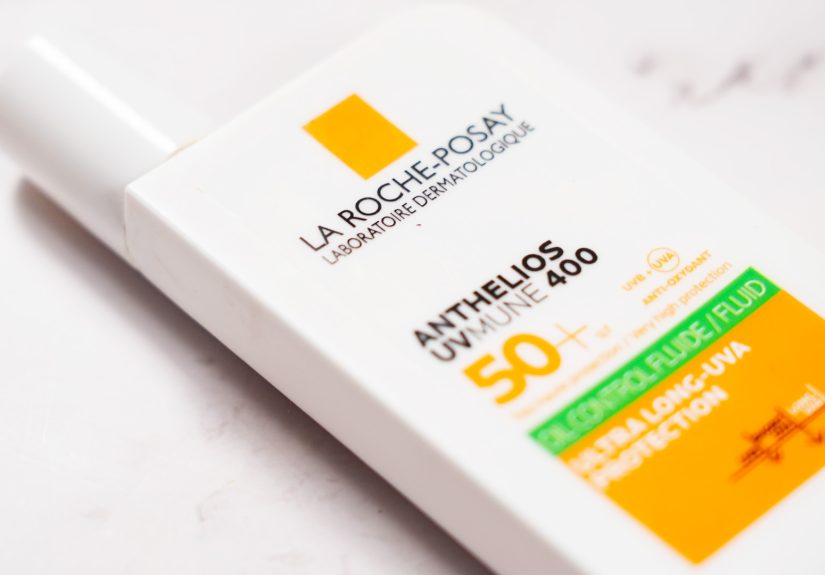
Sun damage can make pores appear larger over time by affecting skin texture and support. A lightweight facial sunscreen, ideally broad-spectrum and comfortable enough that you will actually wear it, is one of the simplest ways to protect your progress.
Do not squeeze and pick
It is tempting. We all know it. But picking blackheads with fingernails can increase inflammation, push debris deeper, and leave marks behind. If you have stubborn congestion that does not respond to a good routine, a dermatologist can safely extract blackheads or recommend stronger treatments.
Be patient
One of the biggest mistakes people make is switching products too quickly. Your skin needs time. A cleanser may help fairly quickly, but chemical exfoliants and retinoids usually need weeks to show meaningful results. Product hopping is fun for social media. It is less fun for your moisture barrier.
A Simple Routine for Cleaning Nose Pores
Morning
- Gentle cleanser or salicylic acid cleanser
- Lightweight noncomedogenic moisturizer
- Broad-spectrum sunscreen
Evening
- Gentle cleanser
- Adapalene or other retinoid on scheduled nights
- Plain moisturizer if needed
One to two times per week
- Clay mask or a leave-on salicylic acid treatment, depending on your skin type
If your skin starts feeling tight, flaky, or irritated, scale back. Skin care should feel like maintenance, not punishment.
When to See a Dermatologist
At-home care works well for many people with mild blackheads and oily nose pores. But if your nose congestion is severe, painful, inflamed, or not improving after a couple of months, it is worth seeing a board-certified dermatologist. The same goes for cystic acne, frequent picking scars, or pores that look unusually enlarged or infected.
Professional options may include stronger retinoids, prescription azelaic acid, comedone extraction, chemical peels, or other targeted treatments. Translation: you do not have to keep wrestling the same stubborn pore forever.
What Real-Life Experience Usually Looks Like
People often imagine that cleaning nose pores will feel dramatic, like one treatment will lift years of buildup and leave them with glass skin by Tuesday. Real life is much less cinematic. The usual experience is gradual. First, your nose may feel less greasy by midday. Then the makeup around the nose starts sitting better. A week or two later, the rough little texture that used to show up under bright light starts looking calmer. The dots may still be there, but they are often softer, lighter, and less obvious.
Another common experience is frustration during the first phase of a better routine. Someone starts a salicylic acid cleanser and expects instant results. Instead, they see a few dry patches around the nostrils and wonder whether they made a terrible mistake. Usually, that is a sign to adjust frequency, add moisturizer, and stop treating the nose like a science fair experiment. Once people find the right rhythm, the routine feels much easier to stick with.
Many also discover that what they thought were stubborn blackheads were actually sebaceous filaments. This can be oddly comforting and mildly annoying at the same time. Comforting, because it means the skin is not “dirty.” Annoying, because sebaceous filaments are normal and tend to come back. That is why the best results usually come from maintenance, not one-time extraction marathons.
A very common story goes like this: a person tries pore strips, gets excited by the immediate result, then notices the dots return almost right away. After a while, they switch to a gentler routine with salicylic acid, a noncomedogenic moisturizer, and sunscreen. It is less thrilling than peeling a strip off your nose and inspecting it like a trophy, but it tends to be far more sustainable. The skin looks steadier, less shiny, and less irritated.
People who add adapalene often describe the experience as slow but worthwhile. The first few weeks can feel underwhelming. There may be some flaking, some “Is this doing anything?” energy, and a strong temptation to quit. Then, around the one- to two-month mark, the nose often begins to look smoother overall. Blackheads form less aggressively, oil feels more manageable, and the pores stop looking like they are staging a public protest.
Those with sensitive skin often report the best results when they stop chasing perfection. Instead of trying five actives at once, they focus on consistency: gentle cleansing, one targeted treatment, moisturizer, sunscreen. That simpler routine frequently wins. Skin tends to respond better when it is not constantly irritated, and pores usually look smaller when the surrounding skin is calm.
There is also an emotional side to all this. Nose pores are tiny, but they can take up an unreasonable amount of mental space, especially under magnifying mirrors and harsh bathroom lights. A healthier experience is learning to improve the skin without obsessing over every dot. Cleaner-looking pores are a realistic goal. Pore-free skin is not. Once people accept that, their routines become saner, their skin becomes happier, and their mirrors become slightly less dramatic.
Conclusion
The best way to clean nose pores is not with brute force. It is with a smart routine that respects how skin actually works. Start with gentle cleansing, add salicylic acid to loosen buildup, and consider a retinoid if you want longer-term help keeping pores clear. Support the whole plan with noncomedogenic products, sunscreen, and a firm no-thank-you to aggressive scrubbing and picking.
Nose pores may always exist, because your face is not a porcelain teacup. But with the right approach, they can look cleaner, smoother, and much less bossy.