Table of Contents >> Show >> Hide
- Ryan Seacrest’s Debut Was Smooth, Respectful, and Very Ryan Seacrest
- Fans Had Praise, But Also a Few Very Specific Notes
- Why the Host Change Felt Bigger Than a Normal TV Shake-Up
- The Ratings Suggested Curiosity Was High
- What Fans Seemed to Want From the New Era
- Early Slip-Ups Made the Transition Feel Human
- Why Seacrest May Be a Smart Long-Term Fit
- Viewer Experience: Watching the First Seacrest Episodes Felt Like Meeting a New Neighbor
- Conclusion: Fans Have Notes, But the Wheel Keeps Turning
Editorial note: This article is based on publicly reported information from reputable U.S. entertainment and media outlets, including Good Morning America, Entertainment Weekly, People, The Associated Press, Los Angeles Times, TVLine, NewscastStudio, Decider, The Hollywood Reporter, Deadline, and other industry coverage. Factual background was cross-checked for accuracy before writing.
For more than four decades, Wheel of Fortune has been one of television’s most reliable comfort foods. It is the mashed potatoes of weeknight TV: familiar, warm, and somehow still exciting when someone buys the wrong vowel. So when Ryan Seacrest officially stepped onto the stage as the new host, replacing the legendary Pat Sajak, fans did what fans do best: they watched carefully, clapped politely, and then sprinted to the internet with notes.
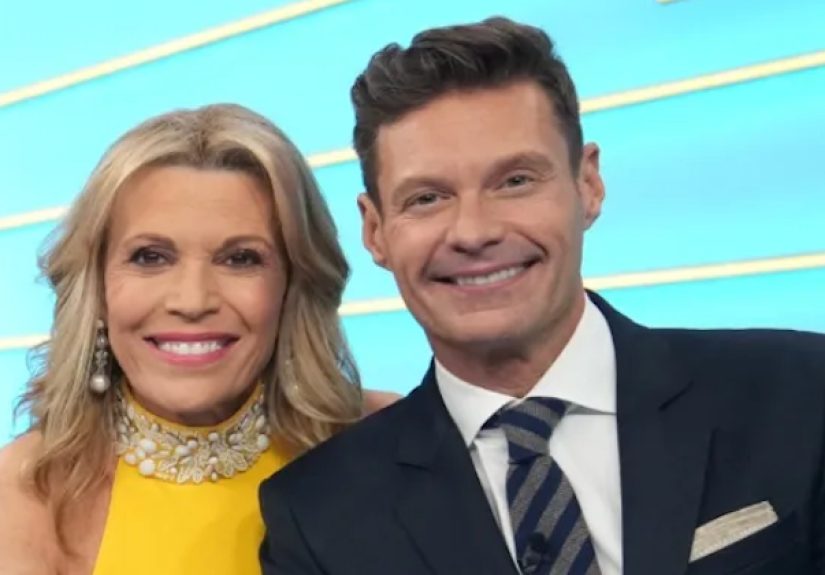
Seacrest made his regular Wheel of Fortune hosting debut on September 9, 2024, opening Season 42 alongside longtime co-host Vanna White. The moment was not just a casting change; it was a cultural handoff. Pat Sajak had been the face of the syndicated version of the show for decades, and his final regular episode aired on June 7, 2024. That is a lot of consonants, vowels, prize wedges, and polite contestant banter to inherit.
The good news for Seacrest? He is no stranger to live lights, big crowds, and the strange American sport of asking people to be charming while numbers fly around them. The tougher news? Wheel of Fortune viewers are not casual observers. They are guardians of the wheel. Move a camera angle, change a set color, or alter the rhythm of a toss-up puzzle, and they will notice faster than someone spotting “RSTLNE” in a bonus round.
Ryan Seacrest’s Debut Was Smooth, Respectful, and Very Ryan Seacrest
Ryan Seacrest entered the show with a careful balance of humility and polish. He acknowledged the legacy of the program, thanked viewers for the warm welcome, and admitted he had “big shoes to fill” before getting the game moving. That line mattered. Fans did not want a host who acted like he had invented the wheel. They wanted someone who understood he was stepping into a family room tradition, not just another shiny hosting gig.
His strengths were immediately visible. Seacrest knows how to keep a show moving. He has the clean pacing of someone who has spent years juggling contestants, judges, countdowns, interviews, and commercial breaks without looking like a man trapped inside a stopwatch. On Wheel, that matters. The host has to guide the game, celebrate contestants, handle mistakes, and get out of the way when the puzzle itself becomes the star.
That last part is tricky. Pat Sajak’s charm came from understatement. He could turn a raised eyebrow into a full paragraph. Seacrest, by contrast, brings a brighter, more energetic style. Neither approach is wrong, but the difference is noticeable. For viewers who grew up with Sajak’s dry wit, Seacrest’s enthusiasm may have felt like someone replaced the living room lamp with a studio spotlight. Functional? Yes. A little bright at first? Also yes.
Fans Had Praise, But Also a Few Very Specific Notes
The early fan reaction was mixed in the way only game show fandom can be mixed: supportive, suspicious, nostalgic, and oddly passionate about graphics. Many viewers praised Seacrest for being professional, upbeat, and respectful of the show’s tone. Others missed Sajak’s relaxed rhythm and felt the transition still needed time to settle. Decider and other entertainment outlets reported that reactions to both Seacrest and the redesigned set ranged from “breath of fresh air” to “rocky start.”
One of the biggest fan notes had less to do with Seacrest himself and more to do with the overall presentation. Viewers commented on the new set, the brighter visuals, and the updated camera choices. During toss-up puzzles, some fans found the contestant boxes on screen distracting. Others were not sold on the revamped stage design, even though the production team clearly aimed to honor the show’s history while giving it a more modern look.
The New Set Became Its Own Character
Season 42 introduced a refreshed visual identity, including a more expansive stage, updated lighting, and design elements inspired by the wheel itself. NewscastStudio reported that production designer J.P. Connelly worked with Renee Hoss-Johnson on a set intended to nod to past eras while creating a grander, more contemporary space. The famous wheel remained structurally familiar, but the surrounding world became glossier, brighter, and more cinematic.
That is exactly the kind of change that divides loyal viewers. Some people love a fresh coat of paint. Others want the TV equivalent of their childhood kitchen, right down to the wallpaper. For a show like Wheel of Fortune, the set is not just scenery. It is part of the ritual. Viewers know where the wheel sits, how the board looks, how the host moves, and when Vanna glides into frame. Change any of that, and it feels like someone rearranged the furniture while America was at dinner.
Vanna White Helped Keep the Transition Grounded
If Seacrest was the new engine, Vanna White was the seatbelt. Her continued presence gave fans a sense of stability during the transition. White extended her contract through the 2025–26 season, ensuring that the show’s most familiar face after Sajak would remain part of the new era.
Her chemistry with Seacrest was especially important. On debut night, she welcomed him warmly, asked how he felt after the first game, and gave viewers the sense that the show had not been dropped into unknown territory. She was the bridge between the Pat Sajak era and the Ryan Seacrest era, wearing the calm expression of someone who has seen every possible puzzle category and survived every questionable contestant guess.
Why the Host Change Felt Bigger Than a Normal TV Shake-Up
Replacing a host is never simple. Replacing a host who helped define a show for more than 40 years is like replacing the voice in your GPS with a Broadway performer. The destination may be the same, but the ride feels different. Pat Sajak was not just a presenter; he was part of the show’s muscle memory. Viewers knew his pauses, his jokes, his playful impatience, and his ability to keep the game from feeling too serious.
Seacrest came in with his own resume, and it is a serious one. Before Wheel, he had hosted American Idol, radio programs, major live events, and New Year’s Eve broadcasts. The Los Angeles Times noted that he was named the new host in June 2023 after Sajak announced his retirement plans, and Seacrest publicly framed the job as a full-circle moment connected to his earlier work hosting the game show Click.
That experience helped him avoid the most dangerous trap: over-hosting. Wheel of Fortune does not need a host who performs a monologue between every spin. It needs a host who can keep the contestants comfortable, explain the rules, react naturally, and let the puzzle do the heavy lifting. Seacrest mostly understood that assignment. His debut was not a reinvention. It was more like changing drivers while keeping the same beloved road trip playlist.
The Ratings Suggested Curiosity Was High
Fan complaints did not stop people from watching. In fact, curiosity helped turn Seacrest’s arrival into a ratings win. Deadline reported that premiere week averaged 8.31 million viewers and became the top syndicated show that week, with a 21 percent household increase over the previous year’s premiere week. For a show already considered a television institution, that is not just a polite welcome. That is America collectively saying, “Fine, we’ll see how he does.”
This matters because online reaction can sometimes sound louder than actual audience behavior. A handful of sharp comments can create the impression that everyone is furious, when the ratings tell a more complicated story. Many fans may have had notes, but they still showed up. That is classic loyal-viewer behavior: complain about the curtains, then sit down and watch the whole episode anyway.
What Fans Seemed to Want From the New Era
The strongest fan feedback can be summed up in one phrase: modernize carefully. Viewers were not necessarily against Ryan Seacrest. Many simply wanted the show to preserve its easy rhythm. Wheel of Fortune works because it feels simple, even though producing it smoothly requires serious precision. Contestants spin, letters appear, prizes build, someone guesses too confidently, and families at home shout answers at the screen as though the television owes them money.
Fans seemed to want Seacrest to do three things: keep the energy friendly, avoid making the show about himself, and respect the format. They also wanted producers to be careful with visual changes. New graphics and camera angles may look sleek, but if they interfere with puzzle-solving, viewers will object. The home audience wants to play along. Anything that distracts from the board risks becoming the real puzzle.
The Pat Sajak Comparison Was Inevitable
No matter how well Seacrest did, comparison was unavoidable. Sajak’s final farewell was emotional precisely because he had become part of viewers’ nightly routines. Entertainment Weekly reported that his goodbye emphasized the show’s role as a safe, family-friendly half-hour of entertainment. That legacy shaped how fans judged Seacrest from the first minute.
But the fairest comparison may not be “Is Ryan Seacrest Pat Sajak?” He is not, and he should not try to be. The better question is: “Can Ryan Seacrest protect what makes Wheel feel like Wheel?” His debut suggested he understands the assignment, even if the show around him still needed a few spins to settle.
Early Slip-Ups Made the Transition Feel Human
A few weeks after the debut, Seacrest experienced his first widely discussed on-screen slip-up when he hesitated before confirming a contestant’s correct bonus-round answer. People reported that the moment involved a brief pause before Seacrest acknowledged the win, after which the contestant was congratulated and the celebration continued.
Moments like that are easy internet fuel, but they are also part of joining a show with so many moving parts. Wheel looks effortless because the machinery behind it is well-oiled. A new host has to listen to contestants, track rulings, manage timing, watch the board, follow production cues, and still appear relaxed enough to ask someone from Ohio about their rescue dog. That is not as easy as it looks from the couch.
Why Seacrest May Be a Smart Long-Term Fit
Seacrest’s biggest advantage is not just experience; it is adaptability. He has spent much of his career entering established formats and keeping them moving. American Idol required emotional sensitivity, quick pacing, and live-show discipline. Radio requires spontaneity. New Year’s Eve coverage requires the ability to smile through chaos, weather, countdowns, and people wearing novelty glasses. Those skills translate well to Wheel of Fortune.
He also appears aware that the show does not need a revolution. Before the debut, he told Good Morning America that the lesson was essentially not to make unnecessary changes because the show already works. That is probably the smartest thing any incoming Wheel host could say. Nobody asked for Wheel of Fortune: Extreme Puzzle Volcano Edition. They asked for a familiar game with a host who can keep it pleasant.
Viewer Experience: Watching the First Seacrest Episodes Felt Like Meeting a New Neighbor
Watching Ryan Seacrest’s first stretch as host felt a little like meeting the new neighbor who moved into the house everyone on the block already loved. The lawn is still there. The porch light still works. The mailbox is in the same place. But suddenly there is a new person waving from the doorway, and the whole neighborhood is quietly judging whether he understands trash pickup day.
That was the experience for many longtime Wheel of Fortune fans. The game itself was still comfortingly familiar. Contestants still spun the wheel with the same mixture of hope and upper-body commitment. Vanna White still brought elegance and continuity. The puzzle board still invited viewers at home to feel brilliant one moment and completely humbled the next. Yet the rhythm was different because hosting is not just reading rules. It is the invisible music of the show.
Seacrest’s debut created an interesting viewing tension. On one hand, he was polished enough that the episode never felt out of control. On the other hand, viewers could feel him settling into a role that had been shaped by someone else for generations. There were moments when his energy helped the room feel lively, especially with contestants who responded well to his warmth. There were also moments when longtime fans likely missed Sajak’s drier, quieter style. That is not a criticism so much as a reminder that TV habits are emotional habits.
The set changes added another layer to the experience. For casual viewers, the brighter look may have simply felt updated. For dedicated fans, every visual adjustment carried meaning. A new backdrop was not just a backdrop; it was a signal. A camera change was not just a camera change; it was a question: “Are they changing my show?” That is why the strongest fan feedback often focused on things that might seem small to outsiders. When people invite a show into their homes for decades, small things become big things.
Still, the debut had a genuine sense of occasion. There was a feeling that everyone involved knew the stakes. Seacrest did not try to bulldoze the past. White’s presence softened the transition. The contestants gave the episode the natural unpredictability that keeps Wheel from becoming too polished. And viewers, even the skeptical ones, had a reason to come back the next night: not only to watch the puzzles, but to watch the new host grow into the job.
That may be the most realistic way to judge the Seacrest era. A debut episode is not a final exam. It is the first spin. The wheel has to go around a few times before everyone knows where it will land.
Conclusion: Fans Have Notes, But the Wheel Keeps Turning
Ryan Seacrest’s Wheel of Fortune debut was never going to please everyone. The show is too old, too beloved, and too woven into American TV habits for a host change to pass quietly. Fans praised his professionalism and energy, questioned some production choices, debated the new set, missed Pat Sajak, and watched anyway. That combination may be the most honest review possible.
The early Seacrest era shows that Wheel of Fortune is trying to do something difficult: stay familiar while proving it is not frozen in amber. The safest path forward is not to chase trends, but to protect the show’s core pleasures. Keep the puzzles clear. Keep the contestants front and center. Let Vanna remain the graceful constant. Let Seacrest become comfortable enough to be himself without pushing too hard. And maybe, just maybe, give fans a little time before they declare a camera angle a national emergency.
For now, the wheel keeps spinning. The vowels are still for sale. The audience is still shouting answers from the couch. And Ryan Seacrest, notes and all, has officially entered one of the most famous hosting jobs in television history.