Table of Contents >> Show >> Hide
- What Seaweed Farming Actually Looks Like
- Why Seaweed Farming Gets So Much Sustainability Hype
- Health Benefits of Eating Seaweed
- The Risks and Caveats Consumers Should Know
- Challenges Slowing the Industry Down
- Where Seaweed Farming Goes Next
- Experience: What Seaweed Farming Feels Like Up Close
- Final Thoughts
Note: This article is written in original, web-ready HTML, based on current U.S. source material, and intentionally omits source links by request.
If farming had a cool, ocean-loving cousin who never borrowed your lawn mower, it would be seaweed farming. It does not need arable land. It does not beg for freshwater. It does not show up asking for fertilizer, pesticides, or a giant tractor. Instead, it grows in the ocean, quietly minding its own business while humans suddenly realize, “Wait… this might actually help feed people, support coastal jobs, and do the planet a few favors too.”
That combination is exactly why seaweed farming has gone from niche curiosity to serious conversation in food, aquaculture, climate, and public health circles. In the United States, growers, researchers, and coastal communities are paying more attention to kelp and other edible seaweeds because the crop checks a lot of modern boxes at once: sustainability, versatility, nutrition, and economic potential. And unlike some trendy “superfoods” that arrive with a halo and leave with a shrug, seaweed has centuries of culinary history behind it.
Still, this is not a fairy tale starring magical kelp ribbons. Seaweed farming comes with real limits, real risks, and real growing pains. Nutritional value varies by species. Iodine can be a plus or a problem depending on how much you eat. Contaminants matter. Permitting can be slow. Processing infrastructure is still catching up. In other words, seaweed farming is promising, but it is not a mermaid-powered shortcut to saving the world.
This article breaks down what seaweed farming is, why it is often praised as a sustainability standout, what health benefits seaweed may offer, what consumers should watch out for, and where the industry may be heading next.
What Seaweed Farming Actually Looks Like
Seaweed farming is the cultivation of marine algae in coastal waters. In the U.S., the conversation often centers on kelp, especially sugar kelp and other cold-water species grown in places like Maine, Alaska, and Washington. Farmers usually seed lines with young seaweed, suspend those lines in the ocean, and let the crop grow through the colder months. When conditions are right, the plants grow fast, which is one reason growers love talking about kelp the way proud gardeners talk about tomatoes in July.
Compared with many land-based crops, the production model is strikingly lean. Seaweed grows through photosynthesis, pulling nutrients and carbon dioxide from surrounding water as it develops. Because it grows in the sea, it does not require freshwater irrigation or farmland. That alone makes it interesting in a century where water stress, soil degradation, and land competition are no longer abstract concerns but daily headlines.
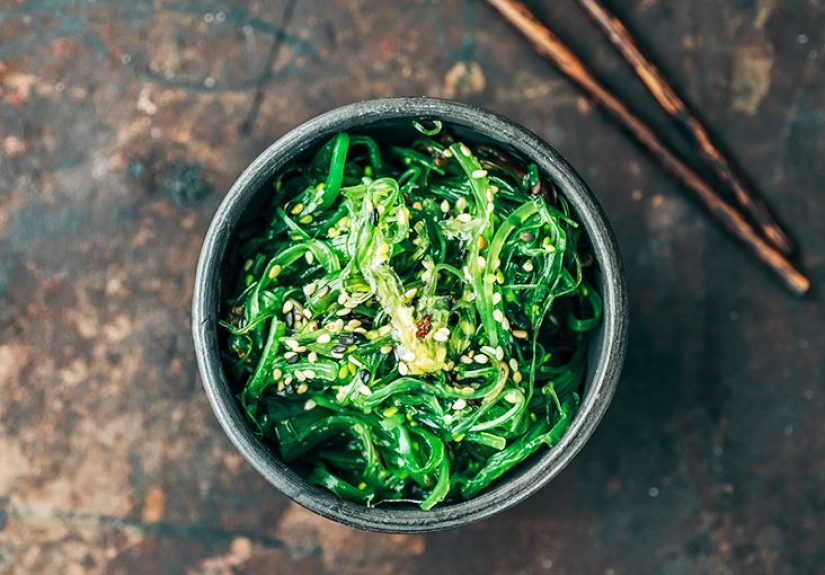
Seaweed farms are not one-size-fits-all. Some operations focus on food products such as frozen kelp cubes, seaweed salads, seasonings, noodles, snacks, and fermented items. Others are exploring seaweed for animal feed, fertilizers, biostimulants, cosmetics, packaging materials, and alternative ingredients for plant-based foods. The crop’s flexibility is part of its appeal: it can move from salad bowl to soil amendment to industrial input without needing an identity crisis in between.
Why U.S. Growers Are Paying Attention
Seaweed farming has become especially attractive to coastal communities looking to diversify income. In parts of New England and Alaska, fishermen and working waterfront businesses already have boats, marine knowledge, and practical skills that transfer well to mariculture. Seaweed offers a seasonal complement to existing work rather than a total career reinvention. That matters. Industries usually scale faster when people can adapt equipment and expertise they already have instead of starting from scratch with a 400-page handbook and a prayer.
There is also a timing advantage. Seaweed can fit into seasonal windows that do not always overlap with other fisheries. That makes it appealing to families and small businesses trying to smooth income across the year. Add growing consumer curiosity about ocean-friendly foods, and you can see why the sector keeps attracting attention.
Why Seaweed Farming Gets So Much Sustainability Hype
Let us start with the obvious: seaweed farming looks good on paper because it sidesteps several environmental pressures tied to conventional agriculture. No plowed soil. No irrigation canals. No synthetic fertilizer spreading truck. No chemical pesticide routine. In a world exhausted by debates over water use, land use, and nutrient runoff, seaweed arrives like the overachiever who forgot to be annoying.
No Freshwater, No Fertilizer, No Farmland
This is the headline benefit for a reason. Seaweed production does not compete with row crops for farmland, and it does not drain freshwater supplies to stay alive. That makes it especially interesting as climate stress tightens water availability in many regions. It also means seaweed can expand food production without asking, “Which forest, field, or wetland do we bulldoze first?” That is a meaningful advantage, not just a marketing slogan.
Because seaweed absorbs nutrients directly from the water, farms may also help remove excess nitrogen in some settings. In carefully chosen locations, that can support better water quality and potentially complement other forms of aquaculture. Some integrated systems pair seaweed with shellfish because one crop can help take up what the other leaves behind. It is not wizardry. It is ecology with decent teamwork.
Potential Ocean Benefits, With a Necessary Reality Check
Seaweed also absorbs carbon dioxide as it grows, which is why it often appears in conversations about climate solutions and ocean acidification. In some coastal settings, seaweed farming may help buffer local water chemistry and provide habitat or shelter for marine life. Those are real reasons scientists and coastal planners care about it.
But here is the important reality check: not every climate claim made about seaweed farming deserves a standing ovation. Seaweed absolutely captures carbon while it is growing. The harder question is what happens after harvest. If the crop is eaten, processed, or turned into products with short life cycles, that does not automatically equal long-term carbon storage. Some researchers and policy groups have stressed that seaweed’s climate value is promising, but not simple, and definitely not a free pass to make grand, glittery carbon promises.
That does not make seaweed farming less worthwhile. It just makes it more honest to say that its strongest near-term benefits may be local water-quality support, low-input food production, coastal economic resilience, and product substitution for more resource-intensive materials.
Coastal Jobs and Economic Resilience
Seaweed farming matters economically because it can help working waterfronts stay working. In Maine, Washington, Alaska, and California, seaweed projects have been linked to farmer training, community engagement, internship opportunities, and job creation tied to farming, harvesting, processing, packaging, and product development. The crop also creates opportunities for value-added businesses: think condiments, snacks, seasonings, frozen foods, animal feed ingredients, and even kelp-based materials.
For communities that have long depended on one fishery or one volatile market, that diversification is not a side benefit. It is the point.
Health Benefits of Eating Seaweed
Now to the dinner plate. Nutritionally, seaweed is not all hype. Many edible seaweeds are low in calories and fat, while supplying minerals, fiber, and plant compounds that make dietitians nod approvingly. Seaweed varieties differ a lot, so there is no single nutritional profile, but several broad benefits show up again and again.
It Can Be Rich in Iodine
One of seaweed’s biggest nutritional calling cards is iodine. Your body needs iodine to make thyroid hormones, which help regulate metabolism, growth, and development. Seaweed is one of the most iodine-rich foods around, which can be helpful because iodine is essential and some people do not get enough of it. This is especially relevant in discussions about plant-forward eating patterns, since seaweed can be one of the few standout iodine sources in those diets.
That said, seaweed’s iodine strength is also where the plot thickens. Different species can contain dramatically different amounts, and eating too much high-iodine seaweed on a regular basis can be risky, especially for people with thyroid conditions. So yes, seaweed can be helpful. No, that does not mean turning kelp into your daily personality.
Fiber, Minerals, and Beneficial Compounds
Seaweed may provide fiber, iron, magnesium, potassium, vitamin K, folate, and other micronutrients depending on the type and preparation. Some seaweeds also contain polysaccharides that act like dietary fiber and may support gut health by feeding beneficial bacteria. That prebiotic angle is one reason seaweed keeps showing up in wellness conversations that are at least somewhat more evidence-based than a moon-water smoothie.
Some early research also suggests seaweed compounds may have benefits related to blood sugar response, satiety, and cardiometabolic health. But it is important not to overstate the science. Seaweed is nutritious, yes. It is an interesting functional food, yes. It is not a cure-all in a snack pack.
A Useful Food for Variety
One underrated benefit is dietary variety. Seaweed brings savory umami flavor, texture, and mineral richness to soups, rice bowls, salads, broths, egg dishes, grain bowls, seafood meals, and snacks. It can make plant-forward meals more satisfying without leaning on ultra-processed ingredients for all the heavy lifting. That is good news for eaters who want more nutrient-dense foods and fewer “healthy” products that taste like packaging peanuts with ambition.
The Risks and Caveats Consumers Should Know
Seaweed is nutritious, but it is not risk-free. The most responsible way to talk about health benefits is to put the caveats right next to them, where they belong.
Too Much Iodine Can Backfire
Because some seaweeds are extremely high in iodine, eating large amounts too often can contribute to thyroid problems in susceptible people. This is particularly important for people with hyperthyroidism, hypothyroidism, autoimmune thyroid disease, or those taking thyroid-related medications. Pregnant people should also be mindful of iodine balance, since iodine is essential during pregnancy but extremes are not a good idea.
The practical takeaway: seaweed works best as part of a balanced diet, not as an all-day, every-day supplement strategy. Food is one thing. Mega-dosing yourself with kelp because the internet told you it is “natural” is another.
Sodium and Contaminants Matter
Some packaged seaweed products can be high in sodium, so the health halo can get a little crooked if the snack is heavily salted. Seaweed can also absorb metals and environmental contaminants from the water where it is grown. That does not mean edible seaweed is automatically unsafe, but it does mean source matters. Reputable growers, regulated processing, water-quality oversight, and good manufacturing practices are not boring technicalities. They are the difference between “smart food trend” and “bad headline.”
Consumers should buy from trusted brands and treat seaweed supplements more cautiously than whole foods. Supplements can concentrate iodine or other compounds in ways that make overconsumption easier.
Challenges Slowing the Industry Down
If seaweed farming sounds so sensible, why is it not already everywhere? Because every promising industry eventually meets reality, and reality shows up wearing boots.
Permitting, Siting, and Public Acceptance
Ocean space is busy. Farmers, fishermen, boaters, regulators, conservation groups, and coastal residents all have interests in how that space is used. Picking the right site for a seaweed farm means considering water conditions, temperature, habitat effects, navigation, competing uses, and future climate conditions. It is not as simple as dropping lines in the water and waiting for lunch to happen.
Permitting can be slow and confusing, especially in emerging industries where rules are still evolving. Public understanding can also lag behind the science. Some communities are enthusiastic. Others need more reassurance about visibility, navigation, environmental impact, and long-term management.
Processing and Market Demand
Growing seaweed is only part of the puzzle. Harvesting, washing, drying, freezing, storing, transporting, and turning it into shelf-stable products all require infrastructure. Without strong processing capacity and reliable buyers, farmers can grow a beautiful crop and still struggle to make the math work.
That is why consumer demand matters so much. Research in the U.S. has focused not only on how to farm seaweed, but also on how people perceive it, whether they are willing to buy it, and which value-added products may actually succeed. In plain English: the future of seaweed farming depends as much on smart branding and product design as it does on ropes, spores, and tides.
Where Seaweed Farming Goes Next
The future of seaweed farming in America will likely be shaped by a mix of practical food use, smarter environmental planning, and better processing technology. Food will remain central, but it will not be the whole story. Seaweed is being explored for livestock feed additives, fertilizers, bioplastics, packaging, beauty products, and ingredients that can replace more resource-intensive alternatives.
Responsible growth will matter more than flashy growth. The best version of the industry is not “put seaweed everywhere and hope for the best.” It is farm seaweed in suitable places, monitor environmental effects, protect ecosystems, develop safe and appealing food products, and build markets that actually support coastal communities.
That is a much less dramatic slogan, admittedly. But it is also how durable industries are built.
Experience: What Seaweed Farming Feels Like Up Close
To understand why seaweed farming has captured so much attention, it helps to imagine the experience beyond the policy papers and nutrition charts. Talk to growers, researchers, or coastal families around emerging seaweed operations, and the same feeling comes up again and again: seaweed farming feels surprisingly tangible. It is local. It is seasonal. It is physical. It is the kind of work that reminds people that food does not begin in a grocery aisle under fluorescent lighting.
A typical seaweed farming day is not glamorous in the influencer sense. Nobody is floating around in perfect golden light whispering affirmations to kelp. There are ropes, gloves, cold spray, heavy bins, weather checks, boat prep, paperwork, timing, and the occasional moment when the ocean politely reminds everyone who is in charge. But that is exactly part of the appeal. People involved in seaweed farming often describe a direct connection between their labor, the water, and the final product in a way that feels increasingly rare in modern food systems.
There is also a deep sensory side to it. Seaweed farming has a look and smell all its own: clean salt air, slick lines, dense wet fronds, and the unmistakable briny scent of the working waterfront. For first-time visitors, the harvest can be surprising. Kelp looks elegant in magazine photos, but up close it is abundant, slippery, and more muscular than many people expect. It comes over the side of a boat not as a delicate garnish, but as a serious crop.
For coastal communities, the experience can be emotional as well as economic. In places where fisheries are under pressure from warming waters, shifting species, or market instability, seaweed farming can feel like a new chapter that still respects the old story. It allows people to stay on the water, use familiar skills, and pass maritime knowledge to younger generations without pretending the past can simply be repeated forever. That blend of continuity and adaptation is powerful.
Consumers can feel part of that story too. Eating domestic seaweed often comes with a stronger sense of place than many packaged foods offer. A bag of kelp cubes from Maine, a seaweed seasoning from Alaska, or a snack made from farmed kelp in Washington does not feel interchangeable with anonymous commodity food. It carries geography, seasonality, and a bit of coastal identity. For people tired of generic “healthy products,” that connection can be refreshing.
There is also an educational effect. Once people learn how seaweed is farmed, many start thinking differently about the ocean itself. The ocean stops being just scenery, vacation backdrop, or vague climate concern. It becomes a working food landscape. That shift matters. Seaweed farming can make sustainability feel less like an abstract moral lecture and more like a visible, practical system: grow food with fewer inputs, support coastal jobs, and do it in a way that asks us to pay closer attention to water quality and ecosystem health.
In that sense, the experience of seaweed farming is bigger than the crop. It invites people to imagine a food future that is not purely land-based, not purely industrial, and not purely nostalgic either. It is modern, messy, hopeful, and still under construction. Which may be the most honest reason seaweed farming resonates so strongly right now: it does not promise perfection. It promises possibility.
Final Thoughts
Seaweed farming earns its growing reputation because it sits at a rare intersection of environmental practicality, nutritional value, and economic opportunity. It can produce food without using farmland or freshwater. It may help improve local water conditions in the right places. It can support coastal livelihoods and inspire new products across food, agriculture, and materials. Nutritionally, it offers real benefits, especially as a source of iodine, minerals, fiber, and culinary variety.
But the smartest case for seaweed farming is the balanced one. Seaweed is not a magic climate wand, and it is not a nutritional free-for-all. Success depends on responsible siting, honest science, food safety, careful processing, sensible consumption, and strong markets. If those pieces come together, seaweed farming may become one of the most compelling examples of how food production can work with nature a little more often instead of constantly trying to arm-wrestle it.