Table of Contents >> Show >> Hide
- What Is Lower Abdominal Pain?
- Common Causes of Lower Abdominal Pain
- 1. Gas, bloating, and indigestion
- 2. Constipation
- 3. Irritable bowel syndrome
- 4. Gastroenteritis or food poisoning
- 5. Diverticular disease and diverticulitis
- 6. Urinary tract infection
- 7. Kidney stones
- 8. Appendicitis
- 9. Menstrual cramps
- 10. Endometriosis, ovarian cysts, and pelvic conditions
- 11. Ectopic pregnancy
- 12. Hernias and muscle strain
- When Lower Abdominal Pain Needs Urgent Care
- How Doctors Diagnose Lower Abdominal Pain
- Treatment for Lower Abdominal Pain
- Prevention: How to Lower Your Risk
- Specific Examples: What Different Pain Patterns May Suggest
- Living With Recurring Lower Abdominal Pain
- Experiences Related to Lower Abdominal Pain: Practical Lessons From Everyday Life
- Conclusion
Lower abdominal pain is one of those symptoms that can make your brain turn into a search engine at 2 a.m. One minute you are wondering whether it was the tacos, and the next you are diagnosing yourself with a rare jungle disease you saw in a documentary. The truth is less dramatic most of the time: lower belly pain is commonly linked to digestion, constipation, gas, menstrual cramps, urinary tract infections, or temporary muscle strain. Still, because the lower abdomen contains part of the intestines, bladder, urinary tract, appendix, and reproductive organs, pain in this area deserves attention.
This guide explains the common causes of lower abdominal pain, how treatment usually depends on the root problem, which symptoms are warning signs, and what practical steps may help you feel better. Think of it as a calm, sensible map for a body region that occasionally behaves like a badly organized group chat.
What Is Lower Abdominal Pain?
Lower abdominal pain refers to discomfort below the belly button and above the groin. It may feel sharp, dull, crampy, burning, heavy, bloated, or like pressure. It may appear on the lower left side, lower right side, or across the whole lower belly. Sometimes it comes and goes. Sometimes it parks itself there like it paid rent.
The location, timing, intensity, and related symptoms can offer clues. Pain that improves after a bowel movement may suggest constipation or irritable bowel syndrome. Pain with burning urination may point toward a urinary tract infection. Sudden lower right abdominal pain may raise concern for appendicitis. Pelvic pain with abnormal bleeding or possible pregnancy needs medical attention quickly.
Common Causes of Lower Abdominal Pain
Lower abdominal pain is not a diagnosis by itself. It is a signal. The body is basically waving a tiny flag and saying, “Please investigate.” Below are the most common categories.
1. Gas, bloating, and indigestion
Gas is one of the most common and least glamorous causes of lower abdominal discomfort. It can cause cramping, pressure, rumbling, and bloating. Common triggers include eating too quickly, carbonated drinks, beans, dairy intolerance, artificial sweeteners, and certain high-fiber foods. The pain often shifts around and may improve after passing gas or having a bowel movement.
2. Constipation
Constipation can cause lower abdominal pain, fullness, straining, hard stools, and the uncomfortable sense that your digestive system has entered “do not disturb” mode. It may happen because of low fiber intake, dehydration, inactivity, travel, stress, certain medications, or ignoring the urge to go. Treatment often includes more fluids, gradual fiber intake, regular movement, and sometimes over-the-counter stool softeners or laxatives recommended by a healthcare professional.
3. Irritable bowel syndrome
Irritable bowel syndrome, or IBS, is a common digestive condition that can cause abdominal pain along with diarrhea, constipation, or both. IBS pain is often related to bowel movements and may flare during stress, dietary changes, poor sleep, or after eating certain foods. Treatment is usually individualized. Some people improve with soluble fiber, food trigger tracking, stress management, a temporary low-FODMAP diet guided by a professional, or medications prescribed by a clinician.
4. Gastroenteritis or food poisoning
Stomach flu and food poisoning can cause lower abdominal cramps, diarrhea, nausea, vomiting, fever, and body aches. Symptoms often begin after exposure to contaminated food, water, or a virus. Mild cases usually improve with rest, fluids, and bland foods. However, severe dehydration, persistent fever, bloody stool, or worsening pain should be checked by a healthcare provider.
5. Diverticular disease and diverticulitis
Diverticula are small pouches that can form in the colon, especially with age. When these pouches become inflamed or infected, the condition is called diverticulitis. It commonly causes lower left abdominal pain, fever, nausea, and changes in bowel habits. Mild cases may be managed at home under medical guidance, while severe cases may require antibiotics, hospital care, or rarely surgery.
6. Urinary tract infection
A urinary tract infection, or UTI, can cause pressure or cramping in the lower abdomen, burning while urinating, frequent urination, cloudy or bloody urine, and the feeling that you need to pee even when your bladder is basically sending an empty invoice. UTIs usually require medical evaluation and often antibiotics. Fever, chills, back pain, nausea, or vomiting may suggest the infection has reached the kidneys and needs urgent care.
7. Kidney stones
Kidney stones may cause severe pain that starts in the side or back and moves toward the lower abdomen or groin. The pain can come in waves and may be accompanied by nausea, urinary urgency, or blood in the urine. Small stones may pass with fluids and pain control, but larger stones may need medical procedures such as shock wave treatment or ureteroscopy.
8. Appendicitis
Appendicitis is inflammation of the appendix and often begins with pain near the belly button that moves to the lower right abdomen. The pain usually worsens over time and may become stronger with movement, coughing, or deep breathing. Fever, nausea, vomiting, and loss of appetite can also occur. Appendicitis is a medical emergency because treatment is needed before complications develop.
9. Menstrual cramps
Menstrual cramps are a common cause of lower abdominal or pelvic pain. They may feel like squeezing or cramping and can spread to the lower back or thighs. Many people manage mild cramps with heat, rest, hydration, gentle movement, or pain relievers recommended by a clinician. Severe cramps, pain that disrupts daily life, or pain that changes suddenly should be evaluated.
10. Endometriosis, ovarian cysts, and pelvic conditions
For people with female reproductive organs, lower abdominal pain may come from the uterus, ovaries, or fallopian tubes. Endometriosis can cause painful periods, chronic pelvic pain, pain during bowel movements, and fatigue. Ovarian cysts may cause one-sided pelvic pain, bloating, or pressure. Pelvic inflammatory disease may cause pelvic pain, fever, unusual discharge, or pain during sex. These conditions need professional diagnosis and treatment.
11. Ectopic pregnancy
An ectopic pregnancy occurs when a pregnancy develops outside the uterus. It can cause pelvic or lower abdominal pain, often on one side, and may include vaginal bleeding, dizziness, fainting, or shoulder pain. This is an emergency. Anyone who may be pregnant and has sudden or severe lower abdominal pain should seek immediate medical care.
12. Hernias and muscle strain
A hernia can cause a bulge, pressure, or pain in the lower abdomen or groin, especially when lifting, coughing, or standing. Muscle strain can happen after exercise, heavy lifting, coughing fits, or awkward movements. Muscle pain is often tender to touch and worsens with movement. Hernias should be checked by a clinician, especially if pain becomes severe or the bulge cannot be pushed back in.
When Lower Abdominal Pain Needs Urgent Care
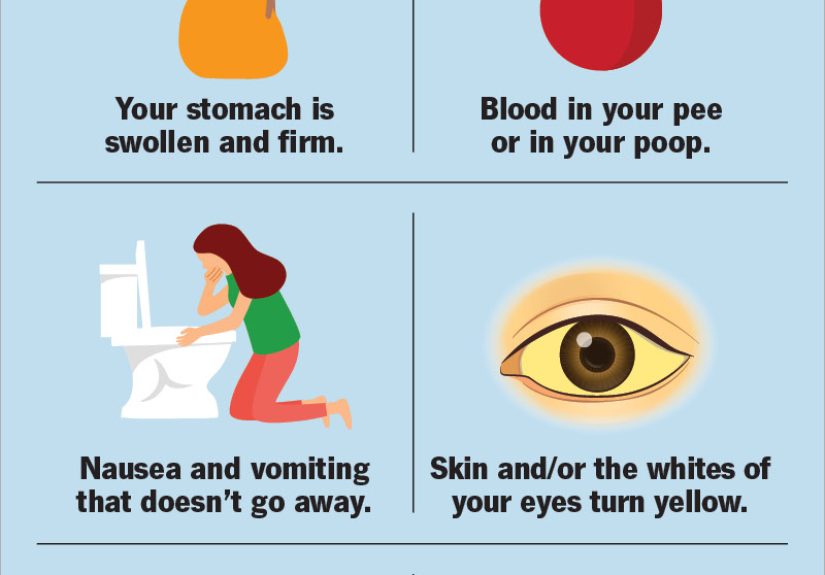
Some symptoms are the body’s version of turning on the hazard lights. Seek urgent medical care if lower abdominal pain is sudden and severe, gets worse quickly, or comes with fever, repeated vomiting, fainting, chest pain, a hard or swollen abdomen, blood in stool or urine, black stools, inability to pass stool or gas, severe dehydration, or pain after an injury.
Also seek immediate care for lower abdominal pain with possible pregnancy, especially if there is one-sided pain, dizziness, fainting, or unusual bleeding. For children, older adults, and people with weakened immune systems, it is safer to get evaluated sooner rather than playing the “maybe it will go away” game.
How Doctors Diagnose Lower Abdominal Pain
A healthcare provider will usually ask about the location, timing, severity, and pattern of pain. They may ask what you ate, when you last had a bowel movement, whether urination hurts, whether you have fever, and whether there is any chance of pregnancy. This is not small talk; it is detective work, but with fewer trench coats.
Depending on symptoms, diagnosis may include a physical exam, urine test, pregnancy test, blood tests, stool tests, ultrasound, CT scan, or pelvic exam. The goal is not just to quiet the pain but to find the cause. Treating appendicitis like gas, for example, would be a very bad plot twist.
Treatment for Lower Abdominal Pain
Treatment depends on the cause. Mild gas or constipation may improve with hydration, walking, dietary changes, and time. IBS may require long-term symptom management. UTIs often need antibiotics. Kidney stones may need pain control, fluids, and sometimes procedures. Appendicitis usually requires urgent medical treatment. Gynecologic causes may require medications, hormonal therapy, antibiotics, imaging, or specialist care.
At-home care for mild lower abdominal pain
If the pain is mild, familiar, and not linked with warning signs, supportive care may help. Try sipping water, resting, using a warm heating pad, taking a gentle walk, and eating bland foods such as rice, toast, bananas, soup, or crackers. Avoid alcohol, greasy foods, and giant “challenge accepted” meals until your stomach stops filing complaints.
For constipation, gradually increase fiber with fruits, vegetables, beans, oats, and whole grains. Do not go from zero fiber to superhero fiber overnight, unless you enjoy becoming a weather system. Increase fiber slowly and drink enough fluids. Regular physical activity can also help bowel movement patterns become more predictable.
Medical treatment options
A clinician may recommend medications such as antacids, antispasmodics, antibiotics, anti-inflammatory medicines, stool softeners, laxatives, or prescription digestive medicines, depending on the diagnosis. In some cases, procedures or surgery are necessary, such as for appendicitis, complicated diverticulitis, certain kidney stones, hernias, or ovarian emergencies.
Prevention: How to Lower Your Risk
You cannot prevent every cause of lower abdominal pain, but you can reduce several common risks. Eat a balanced diet with fiber-rich foods, drink enough water, move your body regularly, avoid holding in bowel movements, practice good bathroom hygiene, and seek care early for urinary symptoms. For menstrual or pelvic pain, tracking symptoms can help identify patterns and make appointments more productive.
A food and symptom journal can be surprisingly useful. Write down meals, pain timing, bowel changes, stress levels, sleep, and menstrual cycle details if relevant. After a few weeks, patterns may appear. Maybe dairy is the villain. Maybe stress is pulling strings behind the scenes. Maybe your “quick snack” of hot chips and soda is not the wellness retreat your intestines requested.
Specific Examples: What Different Pain Patterns May Suggest
Lower left abdominal pain
Lower left pain may come from gas, constipation, IBS, diverticulitis, muscle strain, or reproductive causes. Pain with fever and bowel changes deserves medical evaluation.
Lower right abdominal pain
Lower right pain may be gas or constipation, but worsening pain in this area can suggest appendicitis. If it becomes sharp, persistent, or comes with fever, nausea, or loss of appetite, seek care quickly.
Crampy pain across the lower belly
Cramping across the lower abdomen may be related to menstrual cramps, diarrhea, constipation, IBS, or a stomach virus. Hydration and rest may help mild cases, but severe or persistent pain should be checked.
Pain with urination
Lower abdominal pain with burning, urgency, frequent urination, or cloudy urine may suggest a UTI. Medical care is important because untreated infections can worsen.
Living With Recurring Lower Abdominal Pain
Recurring pain can be frustrating because it interrupts normal life and often feels embarrassing to discuss. But abdominal pain is common, and healthcare providers hear about it every day. There is no award for suffering silently while pretending your lower abdomen is not hosting a tiny marching band.
If pain keeps returning, schedule a medical visit rather than relying on random internet guesses. Bring notes about pain location, frequency, triggers, bowel habits, urinary symptoms, menstrual patterns, medications, supplements, and family history. Clear details can shorten the road to diagnosis.
Experiences Related to Lower Abdominal Pain: Practical Lessons From Everyday Life
Many people first notice lower abdominal pain after a normal day: school, work, errands, a rushed lunch, and maybe a dinner that looked innocent but had other plans. One common experience is the “mystery cramp” that appears after eating too fast or sitting for hours. It may feel alarming, but then improves after walking, drinking water, or using the bathroom. This kind of episode often teaches a simple lesson: the digestive system appreciates routine, movement, and not being treated like a garbage disposal with Wi-Fi.
Another common experience involves constipation. Someone may feel a heavy ache low in the belly, feel bloated, and realize their bathroom schedule has gone missing for a few days. The first instinct may be panic, but the more useful response is usually to review recent habits. Was there enough water? Enough fiber? Any travel? Less exercise? More processed food? Constipation-related lower abdominal pain often improves when daily habits become more consistent, although persistent pain or bleeding should never be ignored.
People with IBS often describe a different kind of experience: the pain is real, but tests may not show a simple infection or injury. Symptoms may flare during exams, deadlines, family stress, poor sleep, or after certain foods. This can feel unfair, as if the gut has become a drama critic. The practical lesson is that IBS management is rarely one magic fix. It may involve tracking food triggers, improving sleep, managing stress, using fiber carefully, and working with a clinician to choose the right treatment.
For those who menstruate, lower abdominal pain may be familiar, but familiarity does not always mean normal. Mild cramps that respond to heat and rest are common. However, severe cramps that cause missed school, missed work, vomiting, faintness, or pain outside the period window deserve evaluation. Many people wait years before asking about conditions such as endometriosis because they were told cramps are “just part of life.” Pain that takes over your schedule is not a personality trait; it is a reason to get help.
UTI-related lower abdominal pain has its own signature experience. The discomfort may feel like pressure low in the belly, paired with burning or urgency. People often say they feel like they need to urinate again immediately after going. The key lesson is not to delay care, especially if fever, back pain, chills, nausea, or vomiting appears. A simple bladder infection is usually treatable, but symptoms that suggest kidney involvement need prompt medical attention.
Then there are the “do not wait” experiences. Sudden severe lower right abdominal pain, lower abdominal pain with fainting, pain during possible pregnancy, or pain with a rigid abdomen should not be watched like a season finale. These symptoms need urgent care. Even if the final diagnosis turns out to be less serious, it is better to be checked than to gamble with conditions such as appendicitis, ectopic pregnancy, kidney infection, or bowel obstruction.
The biggest experience-based takeaway is this: lower abdominal pain should be interpreted in context. Mild, short-lived discomfort after a heavy meal is different from worsening pain with fever. Familiar cramps are different from sudden one-sided pelvic pain. Constipation is different from pain with blood in the stool. Your body gives clues; the trick is listening without panic and acting without denial.
Conclusion
Lower abdominal pain can come from many causes, including gas, constipation, IBS, infections, urinary problems, kidney stones, appendicitis, menstrual cramps, endometriosis, ovarian cysts, hernias, and more. Many mild causes improve with rest, hydration, heat, gentle movement, and smart food choices. But severe, worsening, unusual, or recurring pain should be evaluated by a healthcare professional.
The lower abdomen may not be the most elegant part of human biology, but it is important. When it complains, do not panicbut do not ignore it either. Pay attention to the pattern, watch for red flags, and get medical care when symptoms are intense, persistent, or paired with warning signs.
Medical note: This article is for general educational information only and does not replace professional medical advice, diagnosis, or treatment. If symptoms are severe, sudden, worsening, or concerning, contact a healthcare provider or seek urgent care.