Table of Contents >> Show >> Hide
- Why This Problem Feels Bigger Than the Mess
- 1. Talk About the Pattern, Not Your Spouse’s Personality
- 2. Define What “Clean Up After Yourself” Actually Means
- 3. Make the Invisible Load Visible
- 4. Assign Ownership, Not “Helping”
- 5. Start Small Enough That Success Is Hard to Avoid
- 6. Create Simple Reset Routines
- 7. Use Appreciation Without Turning Into a Parent
- 8. Stop Redoing Everything
- 9. Reduce Friction in the House Itself
- 10. Know When the Mess Is Really About Something Bigger
- What Not to Do
- What a Better Dynamic Looks Like
- Experiences Couples Commonly Have With This Problem
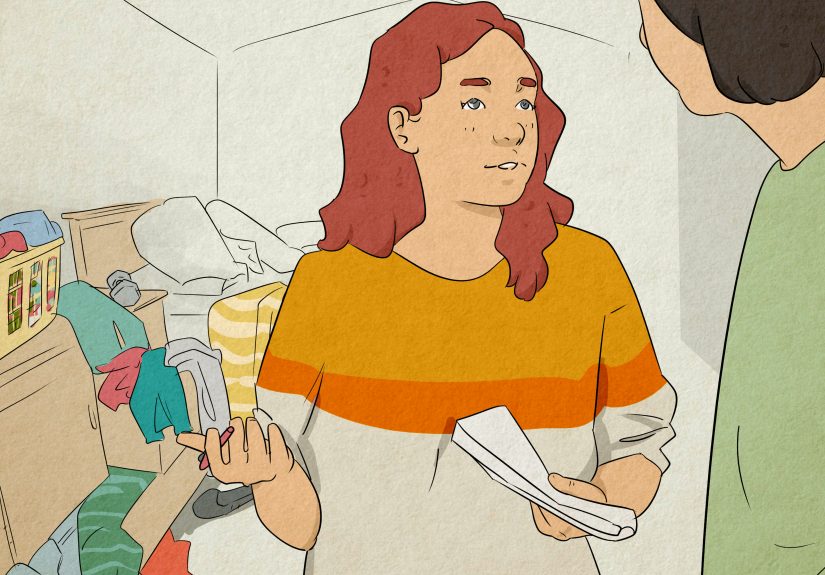
If you have ever stared at a coffee mug on the counter for so long that it started to feel like a personal insult, welcome. You are not alone, you are not dramatic, and no, that hoodie on the chair is not “basically put away.” When one partner keeps leaving messes behind, the real issue usually is not the sock, the plate, or the mysterious pile of receipts. It is what the mess represents: extra work, mental load, and the exhausting feeling that one adult is quietly managing life for two.
That is why this conversation matters. If you are trying to get your spouse to clean up after themselves, the goal is not to become their manager, parent, or full-time household narrator. The goal is to create a home where responsibilities feel shared, expectations are clear, and resentment does not keep setting up camp in the living room. That takes more than nagging. It takes better systems, better communication, and sometimes a brutally honest look at what is really happening.
Below are 10 practical, sane, marriage-friendly ways to address the problem without turning every dirty dish into a relationship summit.
Why This Problem Feels Bigger Than the Mess
Household clutter can trigger arguments because it rarely stays about clutter. Often, the tidier partner feels unseen, overworked, or taken for granted. Meanwhile, the messier partner may feel criticized, micromanaged, or defensive. That is how one towel on the bathroom floor somehow becomes a 45-minute discussion about respect, effort, and “the way things always go around here.”
In many relationships, there is also an invisible layer of work that never makes it onto the chore list. Someone notices when toilet paper is low, remembers the laundry needs to be switched, tracks appointments, wipes counters before guests arrive, and mentally scans every room like a tiny overcaffeinated air-traffic controller. If one person carries most of that load, even small messes can feel huge.
So yes, something may need to change. But that “something” is not just your spouse’s habit. It may be the system, the communication style, the assumptions, or the fact that nobody ever clearly defined what “clean enough” means in your home.
1. Talk About the Pattern, Not Your Spouse’s Personality
If you open with, “You are so lazy,” the conversation is already halfway to the ditch. Personal attacks make people defend themselves instead of hearing you. A better approach is to describe the recurring pattern and the impact it has on you.
Try something like: “I feel overwhelmed when I keep finding dishes, shoes, and wrappers left out because it adds another layer of work to my day.” That language is specific, honest, and much harder to argue with than a character judgment. You are not putting your spouse on trial. You are explaining what daily life feels like from your side of the couch.
This matters because people change behavior more easily when they do not feel humiliated. If the goal is teamwork, start in a way that still leaves room for teamwork.
2. Define What “Clean Up After Yourself” Actually Means
One spouse thinks “clean kitchen” means the dishes are in the dishwasher. The other thinks it means the counters are wiped, leftovers are put away, the sink is rinsed, and the pan is not “soaking” for three business days. That gap matters.
Be concrete. Instead of saying, “I need you to be neater,” say what the finished behavior looks like:
- Put dishes directly into the dishwasher after eating.
- Hang towels back up after showering.
- Put dirty clothes in the hamper, not near the hamper like it is a symbolic gesture.
- Clear personal items off the dining table every night.
Specific expectations reduce conflict because they remove guesswork. Your spouse cannot consistently meet a standard that only exists in your head.
3. Make the Invisible Load Visible
If you are the one constantly noticing, remembering, planning, and prompting, you are probably carrying more than the visible chores. That extra mental work can become the real source of resentment.
Set aside time to list everything it takes to keep the home running. Not just vacuuming and dishes. Include replacing toiletries, tracking bills, planning meals, scheduling repairs, sorting mail, and knowing when the dog food is about to run out. The point is not to create a dramatic spreadsheet that wins you an argument, though let’s be honest, a dramatic spreadsheet can be satisfying. The point is clarity.
When both partners can see the full workload, it becomes easier to divide responsibilities fairly. A spouse who says, “Just tell me what to do,” may not realize that the constant telling is part of the burden.
4. Assign Ownership, Not “Helping”
One of the fastest ways to keep a household problem alive is to make one person the default owner and the other person the occasional helper. If you have to ask, remind, supervise, and follow up, you are still managing the task.
Instead, assign full ownership. For example, one partner owns dinner cleanup from start to finish. The other owns laundry on weekends. One handles trash and recycling completely. The other resets the living room every evening. Ownership means the task is noticed, started, and finished without being chased down by a household project manager wearing pajama pants.
This approach also prevents the classic argument where one person says, “I would have done it if you asked,” and the other person mentally leaves Earth.
5. Start Small Enough That Success Is Hard to Avoid
If your spouse has years of sloppy habits, do not expect a magical transformation by Tuesday. Big lectures and giant chore charts often fail because they feel overwhelming. Start with a few high-impact habits instead.
Choose two or three behaviors that would make the biggest difference in daily life. Maybe it is putting laundry in the hamper, clearing dishes after meals, and doing a 10-minute evening pickup. Build consistency there before adding more.
Small wins matter. When a person experiences early success, they are more likely to keep going. When they feel like they are failing at an endless list, they are more likely to shut down, get defensive, or “forget” again.
6. Create Simple Reset Routines
People are usually better at routines than random acts of responsibility. A repeatable rhythm beats a vague hope that everyone will “just do better.” Try building cleanup into the natural flow of the day.
Examples of easy household reset routines:
- A 10-minute kitchen reset after dinner.
- A five-minute bedroom pickup before bed.
- A weekend morning laundry routine with assigned steps.
- A “leave the room better than you found it” rule for shared spaces.
Routines reduce decision fatigue. Your spouse does not need to wonder when to clean up or whether now is the right time. It becomes part of the day, like brushing teeth or checking whether the fridge contains only one lonely pickle and false hope.
7. Use Appreciation Without Turning Into a Parent
This part is tricky. Adults should not need a gold star for putting a bowl in the sink. At the same time, appreciation helps good habits stick. The key is to sound like a partner, not a kindergarten teacher with a sticker chart.
Say things like, “I noticed you cleared the kitchen before I got to it, and that really helped,” or “Thanks for taking care of the laundry today. It made the evening less stressful.” That kind of response reinforces effort without sounding patronizing.
People often repeat behavior that feels acknowledged. Appreciation also softens the atmosphere, which makes future problem-solving easier. Resentment says, “Why should I notice the one thing you did?” Healthy teamwork says, “I want more of what helps, so I am going to name it.”
8. Stop Redoing Everything
If your spouse loads the dishwasher “wrong” and you quietly reload the whole thing, you may be training them to step back while you stay in charge. That does not mean standards do not matter. It means perfection can accidentally keep the imbalance alive.
Ask yourself: is the task truly undone, or just done differently than I would do it? If the towels are folded strangely but still folded, let the towels live their weird little lives. If the counter is sticky and crumbs are still there, that is different. Focus on essentials, not style.
When one partner always corrects, improves, or takes over, the relationship can slide into a parent-child dynamic. That rarely makes anyone more motivated. Shared responsibility works better when both people have room to do things competently without constant review.
9. Reduce Friction in the House Itself
Sometimes the problem is not willingness. It is a home setup that makes the right behavior annoyingly hard. If shoes always end up by the door, put a basket or rack there. If clothes pile on a chair, put the hamper where the chair is currently winning. If mail explodes across the counter, create a tray and a recycle bin nearby.
Good systems support good habits. Bad systems quietly invite clutter. You do not need a Pinterest-perfect house to make this work. You just need your home to make cleanup easier than not cleaning up.
This is also helpful when one spouse is forgetful, stressed, or easily distracted. Visual cues, labeled baskets, open storage, and simple drop zones can turn cleanup from a moral battle into a practical routine.
10. Know When the Mess Is Really About Something Bigger
Sometimes a spouse who does not clean up is not just careless. They may be overwhelmed, burned out, emotionally checked out, or stuck in a pattern where criticism and avoidance feed each other. In some cases, long-standing disorganization can also connect to stress, attention difficulties, low mood, or a life season where coping skills are stretched thin.
That does not mean you have to tolerate a permanent one-person cleanup crew situation. It does mean that if nothing changes after honest conversations and reasonable systems, the issue may need a deeper conversation. Ask questions such as:
- Are you feeling overwhelmed lately?
- Does this feel harder for you than it used to?
- Are we stuck in a criticism-defensiveness loop?
- Would outside support help us reset this pattern?
If the mess is part of a broader relationship breakdown, couples counseling may help. If the behavior changed suddenly or comes with other signs of emotional struggle, individual support may also be worth considering. Sometimes the dish on the counter is not the issue. It is the symptom waving a tiny, greasy flag.
What Not to Do
Some strategies feel satisfying in the moment but usually make the problem worse over time. Avoid these if you can:
- Do not shame: embarrassment may create short-term action, but it often kills goodwill.
- Do not keep score out loud all day: nobody becomes more generous when every move is audited.
- Do not clean up everything in silence and then explode: quiet resentment is still resentment.
- Do not use sarcasm as your main communication tool: funny in your head, less funny in your marriage.
- Do not accept “tell me what to do” forever: reminders are support, not a permanent job description.
What a Better Dynamic Looks Like
A healthier household does not mean the home is spotless at all times. It means both people take responsibility without one person having to carry all the noticing, reminding, and emotional strain. It means standards are discussed instead of assumed. It means cleanup is part of being a partner, not a favor performed under dramatic protest.
If you want your spouse to clean up after themselves, aim for a shared system, not a one-time promise made in the middle of an argument. Habits change when expectations are clear, ownership is real, and both people understand that mess is not just visual. It affects stress, time, energy, and connection.
That is the real shift. Not “How do I get my spouse to put the cup away?” but “How do we build a home where neither of us feels like the unpaid manager of daily life?” Ask that question, and you are finally solving the right problem.
Experiences Couples Commonly Have With This Problem
Many couples describe the same early stage of this issue: one person notices the mess first, cleans it up first, and complains last. At the beginning, it may feel minor. A few socks on the floor, dishes left by the sink, jackets draped over chairs, wet towels breeding on the bed like they pay rent. The tidier spouse often thinks, “It is easier if I just do it.” That works for a while. Then “a while” turns into months or years, and the annoyance starts to harden into resentment. What looked like a cleaning issue begins to feel like a respect issue.
Another common experience is the reminder cycle. One spouse asks nicely. Then they remind. Then they remind about the reminder. Eventually, they start sounding sharper than they intended, and the other spouse says they feel nagged. From there, both people feel misunderstood. The tidier spouse thinks, “I would not have to repeat myself if it got done.” The messier spouse thinks, “I cannot do anything without being criticized.” That cycle is incredibly common, and it can make two decent people act like argumentative sitcom neighbors.
Some couples discover that the problem improves once they stop talking in broad accusations and start talking in specifics. For example, instead of saying, “You never help around here,” they agree on concrete expectations like clearing the kitchen after dinner, putting shoes away at the door, and doing a 10-minute pickup before bed. That kind of change can feel surprisingly powerful because it removes ambiguity. Suddenly, no one is debating what “later” means, or whether putting a plate near the sink counts as washing it. Miracles do happen.
There are also couples who realize the clutter fight is hiding deeper fatigue. One spouse may be mentally carrying the whole household, from remembering birthdays to replacing paper towels to planning meals to noticing the dog is almost out of food. In those relationships, the actual mess is only part of the burden. What hurts more is feeling alone in the responsibility. When the other spouse begins to take full ownership of certain tasks instead of “helping when asked,” the emotional tone of the relationship often changes. The home may not become magazine-perfect, but the partnership starts to feel fairer.
And then there are the couples who make progress through small rituals. A nightly reset. A Saturday laundry routine. A basket exactly where the clutter always lands. These are not glamorous solutions, but they are real-life solutions. Most people do not need a dramatic speech or a color-coded domestic constitution. They need practical systems they can repeat on tired Tuesdays. The couples who improve are often the ones who stop chasing perfection and start building consistency. That is usually where relief begins.