Table of Contents >> Show >> Hide
- Why 2022 felt like a big deal
- The biggest diabetes technologies that arrived in 2022
- 1. Omnipod 5 made automated insulin delivery more mainstream
- 2. FreeStyle Libre 3 turned CGM into a much smoother experience
- 3. Dexcom G7 arrived at the buzzer
- 4. Eversense E3 offered a very different CGM idea
- 5. Tandem made phone-based insulin dosing feel more real
- 6. Connected insulin pens started looking more practical
- The larger trends behind the gadgets
- What people expected in 2022 but did not fully get
- Who benefited most from 2022 diabetes technology?
- The fine print: exciting does not mean effortless
- Real-world experiences in the 2022 diabetes tech boom
- Conclusion
- SEO Tags
If diabetes technology had a personality in 2022, it would be that overachieving friend who shows up with color-coded notes, a fully charged phone, and an oddly comforting ability to make chaos look manageable. After years of steady progress, 2022 felt like a real turning point for people watching the diabetes tech world closely. Devices became smaller. Software became smarter. Pumps got more automated. Continuous glucose monitors got more discreet. And the whole conversation started shifting away from “Can this gadget work?” to “How much everyday stress can this thing take off my plate?”
That said, the headline New Diabetes Technology Coming in 2022 needs one important reality check: not every hyped-up device actually landed on pharmacy shelves in 2022. Some technologies truly arrived that year in the United States. Others got FDA clearance late in the year. A few were heavily anticipated but slipped into 2023. So rather than serving up a sugar-coated prediction piece, this article takes a historically accurate look at what really defined diabetes technology in 2022, what changed for patients, and why that year mattered so much.
Why 2022 felt like a big deal
The biggest story was not one single gadget. It was the direction of the whole market. In 2022, diabetes technology became more automated, more smartphone-friendly, and more focused on reducing friction. The goal was no longer just collecting glucose numbers. The goal was to help people spend more time in range, make fewer treatment decisions in panic mode, and carry less of the mental math that diabetes demands every single day.
That shift also lined up with broader clinical thinking. Around this time, diabetes guidelines increasingly emphasized continuous glucose monitoring, automated insulin delivery, connected pens, apps, and the growing importance of Time in Range alongside A1C. In plain English, doctors and patients were paying more attention to daily glucose patterns, not just a three-month average. That matters because diabetes is lived one meal, one walk, one bad night’s sleep, and one surprise low at a time.
The biggest diabetes technologies that arrived in 2022
1. Omnipod 5 made automated insulin delivery more mainstream
If there was one launch that generated genuine “finally!” energy in 2022, it was Omnipod 5. Insulet’s system was cleared in January 2022 and became fully available in U.S. retail pharmacy channels in August 2022 for people ages 6 and older with type 1 diabetes. Later that same month, the indication expanded to children as young as 2.
Why was this such a big deal? Because Omnipod 5 brought together several things people had wanted for years: a tubeless insulin pump, automated insulin delivery, Dexcom G6 integration, and smartphone-based control. That combination made the system feel modern in a way older pump setups sometimes did not. There was no tubing to snag on a doorknob, no need to wear a traditional pump clipped to clothing, and less constant manual adjustment in response to glucose swings.
For many users, the appeal was not just better glucose control. It was also the promise of less decision fatigue. Omnipod 5 could automatically increase, decrease, or pause insulin based on CGM data, which meant people were no longer doing every tiny correction by hand. To be clear, it was not a magical “set it and forget it” pancreas in a sticker. Users still had to bolus for meals and stay engaged. But it pushed the diabetes tech world closer to a more helpful form of automation.
2. FreeStyle Libre 3 turned CGM into a much smoother experience
Abbott’s FreeStyle Libre 3 was another major 2022 arrival. It was cleared by the FDA in May 2022 for people ages 4 and up in the United States, and it helped push CGM design toward smaller, easier, and less annoying. That last point deserves applause.
The Libre 3 stood out because it automatically sent real-time, minute-by-minute glucose readings to a compatible smartphone without scanning. Earlier Libre systems were beloved for affordability and simplicity, but the need to scan the sensor for readings was a defining feature. Libre 3 moved closer to the real-time CGM experience people associated with Dexcom, while keeping the sensor tiny. Abbott described it as about the size of two stacked pennies, which is not only impressively small but also an unusually specific mental image for a medical device.
Optional alarms, remote data sharing, and improved discretion made Libre 3 especially attractive for people who wanted continuous data without a bulky wearable. It also hinted at something bigger: CGMs were no longer being seen as niche tools mostly for pump users with type 1 diabetes. They were becoming central to diabetes management more broadly, including for many people with type 2 diabetes.
3. Dexcom G7 arrived at the buzzer
Early in 2022, a lot of people expected the Dexcom G7 to be one of the year’s splashiest launches. It did make it to the FDA-cleared finish line in the United States, but only in December 2022. So yes, it counts as a 2022 milestone, but only just barely, like a movie character diving through a closing elevator door.
The G7 drew attention for several reasons. Dexcom said it was 60% smaller than the prior generation, had a 30-minute warmup, and included a 12-hour grace period when replacing finished sensors. Those details may sound minor to someone outside diabetes care, but in real life they matter. Smaller wearables are easier to live with. Shorter warmups mean less blind time. Grace periods mean fewer frantic transition moments when a sensor expires at a wildly inconvenient hour, which, because diabetes has a sense of humor, is often 2:13 a.m.
Even though broader commercialization rolled into the following year, G7’s clearance signaled the direction the CGM race was heading: more compact hardware, less hassle, smarter app design, and easier integration into broader digital health ecosystems.
4. Eversense E3 offered a very different CGM idea
Most CGMs in 2022 still relied on sensors worn on the skin for 10 to 14 days. Then there was Eversense E3, cleared in early 2022, which brought an implantable CGM approved for up to 180 days in adults with diabetes.
This was a genuinely different approach. Instead of applying and replacing a skin-worn sensor every week or two, users had a sensor inserted under the skin by a healthcare professional. The system provided real-time readings, alerts, and trend data, and the implanted sensor could operate for up to six months. That longer wear time was a huge plus for people who were tired of frequent insertions, adhesive hassles, or the constant “new sensor day” routine.
Of course, Eversense was not perfect for everyone. It still involved insertion and removal procedures, and it had its own calibration requirements. But as a 2022 technology story, it mattered because it showed that innovation was not only about making the same kind of sensor smaller. It was also about rethinking the whole experience of wearing diabetes tech.
5. Tandem made phone-based insulin dosing feel more real
In February 2022, Tandem announced FDA clearance for bolusing from the t:connect mobile app with the t:slim X2 insulin pump. That made it the first FDA-cleared smartphone app capable of initiating insulin delivery on both iOS and Android.
This was one of those upgrades that sounds modest until you picture actual daily life. People with diabetes already do enough device juggling to qualify for honorary IT certifications. Being able to dose from a phone meant more discretion at restaurants, less digging around under clothing, and a setup that felt more in sync with how people already live. It also reinforced one of the clearest 2022 themes: diabetes tech was moving from standalone hardware toward connected, app-centered systems.
6. Connected insulin pens started looking more practical
Not everyone wants an insulin pump, and not everyone should have to. That is why connected insulin pen technology mattered in 2022. NIDDK described diabetes technology as extending beyond CGMs and pumps to include increasingly automated pumps, connected insulin pens, and apps. One notable example was Lilly’s Tempo Personalized Diabetes Management Platform, which began rolling out in late 2022.
Tempo combined a Smart Button attached to a prefilled insulin pen, a companion app, and clinician-facing tools. The idea was simple but powerful: log insulin doses automatically, integrate data more smoothly, send reminders, and help both patients and clinicians make more informed decisions. For people using multiple daily injections, this kind of system promised some of the benefits of digital diabetes care without requiring a full switch to pump therapy.
The larger trends behind the gadgets
Automation was the star of the show
In 2022, the biggest dream in diabetes tech was not “more numbers.” It was less manual babysitting. Automated insulin delivery systems, sometimes called hybrid closed-loop systems or artificial pancreas systems, became the centerpiece of that conversation. These systems combine a CGM, an insulin pump, and an algorithm that adjusts insulin delivery based on glucose readings.
That kind of automation can help reduce highs, soften lows, and increase Time in Range. It does not eliminate diabetes. Let’s not get carried away. But it can reduce the amount of constant correction work users have to perform. In a disease that demands attention 24/7, even a modest reduction in burden is a big quality-of-life upgrade.
Time in Range became a household phrase in diabetes care
Another important change in 2022 was the growing emphasis on Time in Range. Thanks to CGMs, patients and clinicians could look beyond A1C and ask a more useful question: how much of the day is someone actually spending between 70 and 180 mg/dL?
That metric gave people a more practical, lived-in view of diabetes control. A1C still mattered, of course. But Time in Range made it easier to connect daily choices to daily results. You could see what happened after pizza, after a walk, after stress, after sleep deprivation, or after guessing wrong about carbs because the menu described the meal as “lightly glazed” and apparently meant “sugar in a tuxedo.”
Smartphone-first design stopped being a bonus feature
By 2022, smartphone connectivity was no longer just a flashy add-on. It was becoming part of the baseline expectation. Libre 3 sent readings to phones without scanning. Tandem enabled bolusing by app. Omnipod 5 integrated with compatible smartphones. Tempo built its platform around app-based support. Remote data sharing with caregivers and clinicians became more common and more useful.
That matters because diabetes does not happen in a clinic. It happens while commuting, working, exercising, parenting, traveling, and trying to pretend brunch has no consequences. Technology that fits naturally into a phone-centered life has a better chance of actually being used well.
What people expected in 2022 but did not fully get
Not every highly anticipated system crossed the U.S. finish line in 2022. A good example was Medtronic’s MiniMed 780G. It drew serious interest because of its advanced hybrid closed-loop capabilities, but it was still under FDA review and considered investigational in the U.S. during 2022. U.S. approval did not come until April 2023.
And then there were the even more futuristic ideas floating around conference coverage and industry previews: noninvasive glucose sensors, continuous ketone monitoring, and AI-enhanced decision support built from huge pools of device data. Those technologies were exciting, and they pointed toward the future, but most were not ready for prime time in U.S. diabetes care during 2022.
Who benefited most from 2022 diabetes technology?
People with type 1 diabetes using insulin stood to benefit the most immediately, especially those interested in automated insulin delivery and high-frequency glucose data. Families with young children also had a lot to gain from remote monitoring, alerts, and safer overnight management.
But 2022 was also important for people with type 2 diabetes, particularly those using insulin. Guidance that year expanded support for broader CGM use, including adults using basal insulin only. That was a meaningful change because it recognized something patients already knew: glucose data can be helpful even when someone is not using a pump or intensive mealtime insulin.
In other words, the diabetes tech conversation started becoming less exclusive. The benefits of real-time feedback, pattern spotting, and connected care were no longer reserved only for a narrow slice of users.
The fine print: exciting does not mean effortless
For all the progress, 2022 technology still came with caveats. Insurance coverage remained uneven. Training mattered. Adhesive issues remained annoying. Some systems worked only with certain phones. Some users loved alarms, while others wanted to throw their devices into the nearest lake. And even the smartest automated systems still required human input, especially around meals, sick days, exercise, and backup planning.
There was also the issue of access. Better devices do not automatically help people if they are too expensive, too complicated to obtain, or poorly supported in routine care. That gap between what is technologically possible and what is realistically accessible remained one of the biggest unresolved diabetes stories of 2022.
Real-world experiences in the 2022 diabetes tech boom
One reason 2022 felt so different was that the experience of diabetes management started changing in ways that were easy to feel, not just easy to measure. For many people, the first big shift was simply seeing glucose data all the time instead of checking it in scattered snapshots. That changed the emotional rhythm of the day. Instead of wondering whether a number was rising, falling, or quietly planning a rude surprise, users could see the direction in real time. That alone reduced a lot of guesswork.
Parents of children with type 1 diabetes often felt that change most intensely. Overnight glucose management has always been one of the most exhausting parts of care. The combination of better CGMs, alerts, remote monitoring, and more automated insulin delivery gave many families something rare: a little more sleep and a little less fear. Not perfect sleep, of course. Diabetes devices still beep with the confidence of a smoke alarm that found a breadcrumb. But for many families, 2022 technology meant fewer frantic nighttime checks and more confidence that trends were being watched.
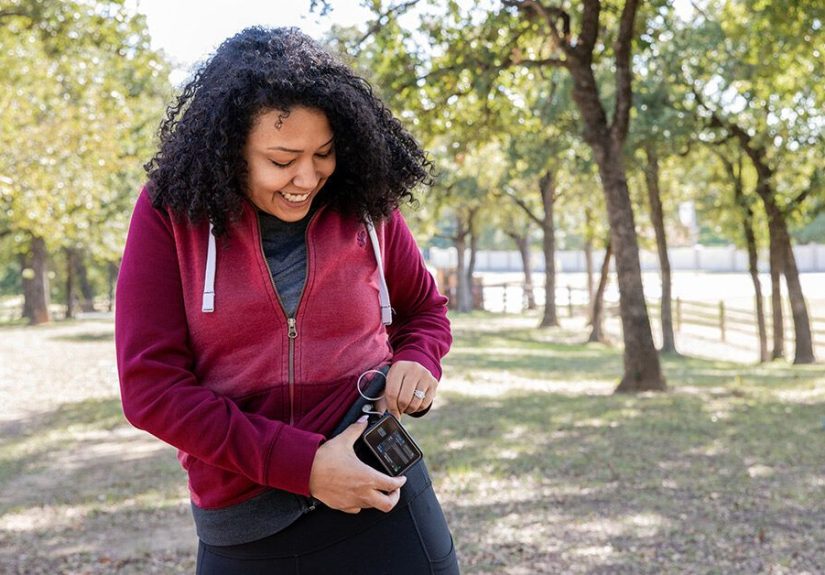
Adults using insulin pumps often described a different kind of relief. Phone-based features made diabetes care feel less medicalized in public. Bolusing from a smartphone, checking CGM data discreetly, and receiving trends on a device already living in a pocket made self-management less conspicuous. That may sound small, but it matters in real life. People go to meetings, dates, grocery stores, airports, and school events. Technology that blends in more smoothly can lower the social burden of diabetes in a way spreadsheets and clinical trials do not fully capture.
For people using multiple daily injections, connected pens and app-based coaching opened another door. Not everyone wants a pump attached to the body, and not everyone needs one. Injection users often talk about a different challenge: remembering doses, tracking insulin on board, and making sense of scattered data from a meter, notebook, and memory that may be running on too little sleep. Connected pen platforms in 2022 aimed to reduce that chaos. The promise was not “be a perfect patient.” The promise was “let the software remember a few things so your brain can stop doing all the unpaid overtime.”
There were frustrations, too. Some users found the learning curve steep. Others ran into insurance denials, pharmacy confusion, supply delays, or compatibility headaches with phones and apps. Some people loved alarms; some experienced alarm fatigue so fierce they wanted silence more than insight. Adhesives irritated skin. Insertions still made some users squeamish. And while automation helped, nobody living with diabetes suddenly got a year off. Meals still mattered. Exercise still changed everything. Stress still behaved like an uninvited co-manager.
Even so, the overall experience in 2022 pointed in a hopeful direction. The new diabetes technology coming in 2022 did not cure diabetes, but it made management feel more informed, more personalized, and in many cases more humane. That may be the most important takeaway of all. The best diabetes technology is not the flashiest device with the fanciest algorithm. It is the tool that helps someone live a little more freely, sleep a little more soundly, and spend a little less of every day negotiating with their pancreas.
Conclusion
Looking back, 2022 was not just a year of new product names and FDA headlines. It was the year diabetes technology became more connected, more automated, and more centered on the real experience of daily life. Omnipod 5 gave automated insulin delivery a huge boost. FreeStyle Libre 3 made CGM smaller and smoother. Dexcom G7 signaled the next generation of real-time monitoring. Eversense E3 offered a long-wear alternative. Tandem pushed phone-based dosing forward. Lilly’s Tempo showed that connected injection therapy had real potential, too.
So when people talk about new diabetes technology coming in 2022, the real story is bigger than a launch calendar. It is the story of diabetes care moving toward less friction, better visibility, smarter insulin delivery, and more realistic support for actual human beings trying to live full lives. And honestly, that is a much better story than just “the sensor got smaller,” even if, yes, the sensor also got smaller.