Table of Contents >> Show >> Hide
- What Is a Vintage Monumental Painter Artist Easel?
- Why These Easels Have Become Collectible
- Main Features to Look For
- How to Use a Vintage Monumental Easel in a Studio
- How to Use It as Home Decor
- Buying Guide: What to Check Before You Purchase
- Care and Maintenance
- Price and Value: What Makes One Easel Worth More?
- Vintage Monumental Easel vs. New Studio Easel
- Real-Life Experience: Living With a Vintage Monumental Painter Artist Easel
- Conclusion
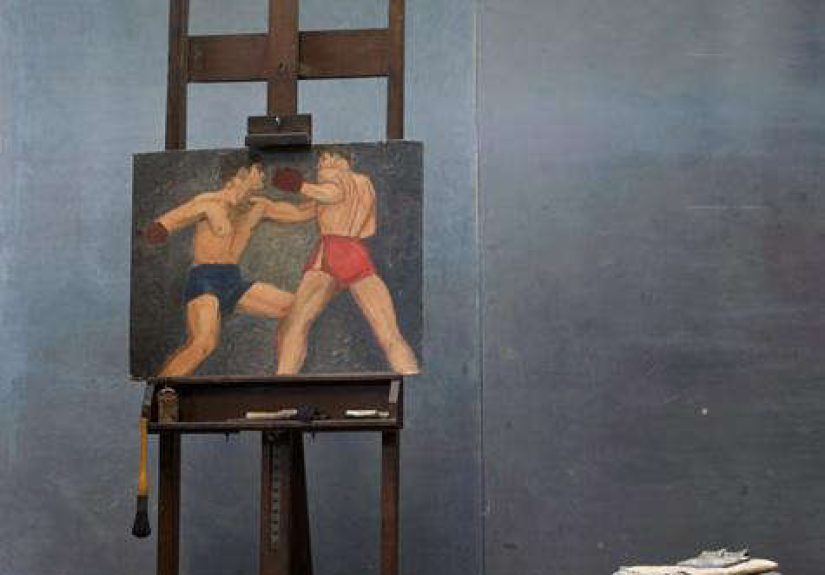
A vintage monumental painter artist easel is not the shy little tripod you bought during that optimistic “I’m going to paint every Sunday” phase. This is the big, architectural, studio-commanding easel that looks as if it has heard decades of artistic muttering, survived several questionable color palettes, and still has enough dignity to hold a canvas taller than your refrigerator.
In the world of antique studio furniture, monumental easels sit somewhere between tool, sculpture, display stand, and silent creative therapist. They were built for serious painting, large canvases, and long working sessions, but today they are also prized as dramatic interior design pieces. A 1950s U.S. example listed as a “Vintage Monumental Painter Artist Easel” was described as both a working painter’s easel and a display piece, with a published price of $1,245 at the time of listing.
That dual identity is the magic: practical enough for a working studio, handsome enough for a gallery-like living room, and old enough to make new furniture feel like it needs to read more books.
What Is a Vintage Monumental Painter Artist Easel?
A monumental artist easel is a large-format studio easel designed to support oversized canvases, heavy panels, or framed works. “Vintage” usually points to a piece made at least 20 to 40 years ago, while “antique” often means 100 years or older. The word “monumental” does not mean it belongs in front of a statue, although honestly, it would probably look good there. It means the easel has notable scale, weight, and visual presence.
Unlike lightweight field easels or folding classroom easels, monumental studio easels often use heavy wood construction, broad bases, adjustable masts, iron hardware, caster wheels, and crank or ratchet mechanisms. A late-19th-century oak example documented by 1stDibs measured about 92.5 inches high in its displayed position, used oak, pine, and iron, and could extend well over three meters in height.
That kind of scale matters. Large canvases need stability. The taller the artwork, the more an easel must resist rocking, twisting, and dramatic wobbling. Nobody wants a painting support that behaves like a nervous flamingo.
Why These Easels Have Become Collectible
They Carry Real Studio History
A vintage studio easel often shows the evidence of use: paint splatters, worn rails, darkened hand grips, old repairs, oxidized metal, tiny dents, and a patina that cannot be faked convincingly. These marks are not flaws in the ordinary sense. They are the object’s biography.
Historic easels appear regularly in museum collections and art history records. The Metropolitan Museum of Art, for example, holds a French mahogany easel traditionally associated with Empress Marie-Louise and her painting teacher, Jean-Baptiste Isabey. The Met notes that easels were common in painters’ studios and often appeared in artists’ self-portraits.
The Met also has an American easel and portfolio stand from around 1880, made in Philadelphia from walnut, ebonized wood, marquetry, and brass. That piece shows how easels could be both functional equipment and decorative furniture.
They Work as Display Furniture
One reason collectors love a vintage monumental painter artist easel is that it solves a decorating problem with flair. Not every artwork needs to hang on a wall. A large easel can display a framed painting, an oversized mirror, a textile panel, a menu board in a restaurant, or even a rotating seasonal artwork in a foyer.
High-end marketplace listings frequently describe antique and vintage easels as both studio tools and interior display pieces. 1stDibs notes that an easel can help incorporate art into a living room when wall space is limited, allowing framed pieces or canvases to stand independently.
In practical terms, a monumental easel gives art breathing room. It creates a focal point without requiring permanent installation. Translation: fewer holes in the wall, more “wow, where did you find that?” energy.
Main Features to Look For
1. Large H-Frame or Studio Structure
Many serious studio easels use an H-frame design because it offers strength, balance, and a stable working platform. Modern art suppliers still describe H-frame easels as ideal for large work because of their rectangular stance and durable base. Blick lists heavy-duty H-frame easels designed for oversized canvases, including models that can handle canvases up to around 100 inches or more depending on the model.
When evaluating a vintage piece, look for a broad base, solid vertical supports, and a canvas tray that does not sag. If the easel leans like it has just received bad news, keep inspecting.
2. Adjustable Mast and Canvas Holders
A good monumental easel should allow the artwork to move up, down, and sometimes tilt forward or backward. Older easels may use wooden pegs, ratchets, hand-cranked mechanisms, or iron hardware. Smooth adjustment is a major value point because large canvases are awkward to reposition by hand.
Modern large-format easels still emphasize this feature. Richeson’s Santa Fe II, for example, is described as a double-masted H-frame easel for large-scale work with a maximum canvas height of 106 inches.
3. Quality Wood
Oak, beech, walnut, mahogany, and pine appear frequently in antique and vintage easel construction. Oak is especially common in heavy studio easels because it is strong, attractive, and ages beautifully. Beech is widely used in modern professional easels because it is stable and practical.
A vintage monumental painter artist easel with honest wood grain, aged finish, and original wear can be far more interesting than a newly polished piece that looks like it escaped from a hotel lobby.
4. Original Hardware
Iron cranks, brass fittings, old bolts, caster wheels, and adjustable clamps tell you a lot about age and quality. Hardware should function, but it does not need to look brand new. In fact, overly shiny replacement parts can reduce the charm if they clash with the rest of the piece.
Check whether the crank turns smoothly, the mast locks securely, and the tray holds weight without slipping. If the mechanism is stiff, that may be normal. If it screams, grinds, or drops suddenly, that is less “vintage character” and more “future repair bill.”
How to Use a Vintage Monumental Easel in a Studio
For painters, a monumental easel is especially useful when working on large canvases, expressive brushwork, or layered oil and acrylic paintings. The heavier structure absorbs movement, making it easier to paint with confidence. A wobbly easel can make every brushstroke feel like a negotiation with gravity.
Position the easel where you have room to step back. Large-format painting requires distance. You need to see composition, proportion, and value relationships from across the room. If your studio is tiny, measure carefully before buying. A monumental easel may technically fit, but if you have to climb over it to reach the door, the romance fades quickly.
Good studio placement includes natural or controlled light from the side, enough floor space behind and beside the easel, and access to a taboret or paint cart. If the easel has casters, make sure they lock. A rolling easel is convenient; a rolling easel during an energetic painting session is slapstick.
How to Use It as Home Decor
Interior designers like vintage monumental easels because they add height, texture, and personality. They work beautifully in lofts, libraries, entry halls, living rooms, restaurants, boutique hotels, creative offices, and photography studios.
Here are a few strong display ideas:
- Large framed painting: Use the easel as a gallery-style focal point.
- Oversized mirror: A mirror on an easel adds light and depth without wall mounting.
- Rotating art display: Change the artwork seasonally or whenever your room needs a new mood.
- Event signage: A monumental easel can hold welcome boards, seating charts, or menus.
- Studio corner styling: Add brushes, a stool, and a worktable for a creative atmosphere that does not feel staged.
The key is scale. A monumental easel needs visual space. Cramming it into a crowded corner is like parking a grand piano in a broom closet. Technically possible, emotionally confusing.
Buying Guide: What to Check Before You Purchase
Measure Everything Twice
Before buying, measure ceiling height, doorways, staircases, elevator openings, and the final room location. Many monumental easels are taller than they look in photos. Online listings may show the easel partly collapsed, while the full mast can extend dramatically.
Also check depth. The rear support leg or base can project farther than expected. A piece that looks slim from the front may have the footprint of a small dining table.
Inspect the Condition
Look for cracks, missing hardware, woodworm holes, unstable joints, replaced trays, weak casters, and loose adjustment mechanisms. Some wear is desirable; structural failure is not. Paint splatters and surface abrasions usually add character, while split load-bearing rails may require professional repair.
Antique furniture care guidance consistently warns that careless handling, improper use, poor display conditions, bad cleaning, and unsuitable repairs are common causes of damage to wooden objects.
Understand the Difference Between Patina and Damage
Patina is the mellow surface character that develops over time: softened edges, worn finish, darkened wood, old paint traces, and natural oxidation. Damage is what threatens stability or appearance: deep active cracks, broken hardware, mold, severe warping, or fresh-looking insect activity.
A vintage monumental painter artist easel does not need to look perfect. In fact, perfect may be suspicious. But it should stand safely, adjust reasonably, and support weight without drama.
Care and Maintenance
Treat a vintage easel like antique wooden furniture with a working past. Dust it gently with a soft cloth. Avoid soaking the wood, spraying harsh cleaners, or scrubbing old paint marks unless a conservator tells you to. If the easel has gilding, painted decoration, or fragile finish, be especially cautious; the Getty Conservation Institute notes that gilded wood can be fragile and easily damaged by water-based cleaning.
Keep the easel away from direct sunlight, heating vents, damp basements, and sudden humidity swings. Wood expands and contracts with environmental changes. Stable indoor conditions help prevent warping, cracking, and loose joints.
If the piece needs repair, choose preservation over aggressive refinishing. A professional furniture conservator can stabilize joints, clean hardware, treat old finishes, and preserve historical character. Sanding everything down until it looks like a new cutting board is rarely the best move.
Price and Value: What Makes One Easel Worth More?
Prices vary widely depending on age, scale, material, provenance, condition, maker, and market demand. A mid-century vintage studio easel may sell for hundreds or low thousands, while rare antique examples with documented provenance, exceptional size, or fine materials may reach much higher prices.
For example, auction and dealer listings show large antique studio easels by makers such as Winsor & Newton, French oak studio easels, Victorian mahogany easels, and monumental adjustable examples. Christie’s has documented large oak, Victorian, French, and Winsor & Newton studio easels in past auction listings, showing that the category has an established collecting history.
Value increases when the easel has strong presence, original parts, functional adjustment, desirable wood, and a story. Provenance matters too. An easel associated with a known artist or studio can become more than furniture; it becomes a relic of creative labor.
Vintage Monumental Easel vs. New Studio Easel
A new professional easel gives predictable function, clean hardware, warranty support, and easy replacement parts. A vintage monumental painter artist easel gives soul, history, visual impact, and a patina that no factory can ship in a box.
For daily professional painting, a modern H-frame may be more convenient. For a studio that doubles as a creative sanctuary, or a home that needs one unforgettable object, a vintage monumental easel wins the charisma contest by a mile.
The best choice depends on your goal. If you need a workhorse for wet paint and constant adjustment, test the mechanism carefully. If you want a display piece, focus on scale, stability, finish, and how well it complements your artwork.
Real-Life Experience: Living With a Vintage Monumental Painter Artist Easel
The first thing you learn after bringing home a vintage monumental painter artist easel is that it has opinions. It does not quietly disappear into a room. It announces itself. Visitors notice it before they notice the sofa, the rug, or the carefully arranged stack of art books you absolutely meant to read. Someone will ask, “Do you paint?” and you will need an answer ready, even if your most recent masterpiece was choosing the right coffee table.
In a working studio, the experience is even better. A large vintage easel changes your posture. You stand differently. You step back more often. You stop treating the canvas like a tiny worksheet and begin treating it like a physical space. The solid weight of the structure encourages bigger gestures and more confident marks. There is something psychologically useful about painting on a support that has clearly survived decades of creative chaos. It makes your own doubts seem less dramatic.
For display, the easel becomes a rotating stage. One month it may hold a landscape painting; the next, a black-and-white photograph or oversized abstract canvas. Because the artwork is not permanently fixed to the wall, changing the room feels easy. The easel gives permission to experiment. It also adds vertical rhythm, which is designer-speak for “the room finally stopped looking flat.”
There are practical lessons, of course. A monumental easel is heavy. Move it with two people when possible, lift instead of dragging, and protect floors from old casters or metal feet. Check the tray height before placing artwork. If the easel tilts, test the angle gently. Do not assume a 70-year-old adjustment knob wants to be forced into cooperation. It may prefer diplomacy.
Dust gathers in rails and corners, especially where old paint has created texture. A soft brush helps. If the easel still carries paint marks, leave them unless they are loose or actively flaking. Those splatters are part of the charm. Removing them can make the piece look less authentic, like giving a cowboy boots with no scuffs.
The biggest experience-related surprise is how emotionally warm these objects feel. A vintage monumental easel is not just decorative wood. It suggests process: unfinished paintings, late nights, revisions, mistakes, breakthroughs, and the eternal search for the one brush you just had in your hand. In a home, it brings a studio mood without needing to pretend. In a studio, it brings continuity. You are not the first person to wrestle with composition in front of it, and hopefully you will not be the last.
If you buy one, let it be imperfect. Let it have marks. Let it creak a little, within reason. The beauty of a vintage monumental painter artist easel is not that it looks untouched. The beauty is that it looks used, loved, and ready for one more painting, one more room, or one more person to say, “That thing is incredible.”
Conclusion
A vintage monumental painter artist easel is a rare blend of function, history, and sculptural design. It can support serious painting, elevate a room, display artwork with gallery-level drama, and bring authentic studio character into everyday spaces. Whether you are an artist, collector, designer, or enthusiastic admirer of beautiful old things, this type of easel offers more than utility. It offers presence.
The smartest purchase is not always the shiniest one. Look for stability, quality wood, working hardware, honest patina, and scale that fits your space. Preserve rather than over-restore. Use it, display with it, and let its history remain visible. After all, a monumental easel without character is just a tall piece of furniture trying too hard.
Note: This article synthesizes information from museum collection records, art-supply specifications, conservation guidance, antique marketplace listings, and auction references to provide practical, publishable guidance on vintage monumental studio easels.