Table of Contents >> Show >> Hide
- What Are Gulgulas?
- Why This Indian Banana Fritters Recipe Works
- Ingredients for Gulgulas
- How to Make Gulgulas Step by Step
- Pro Tips for Perfect Banana Gulgulas
- Common Mistakes to Avoid
- Serving Ideas for Gulgulas
- Storage and Reheating
- Recipe Variations
- Nutrition Notes
- Kitchen Experience: What Making Gulgulas Teaches You
- Conclusion
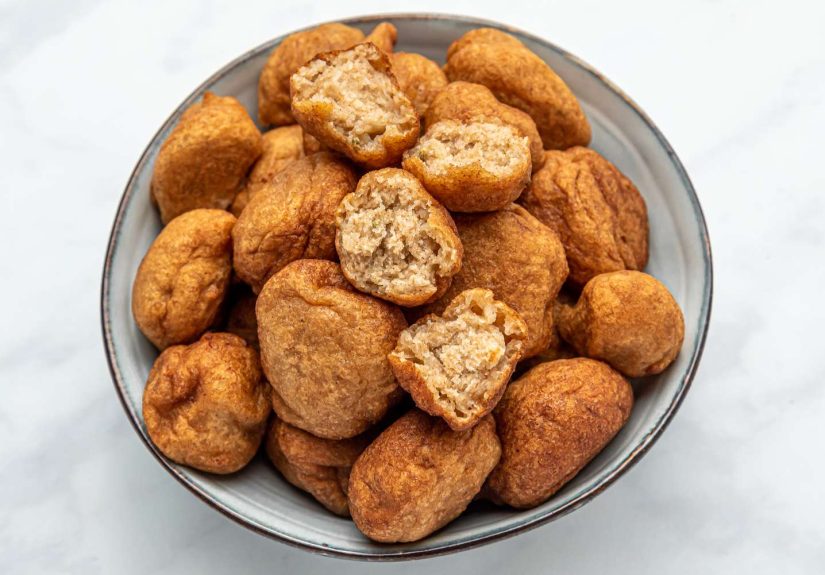
Some recipes enter the kitchen quietly. Gulgulas do not. These sweet, golden Indian banana fritters arrive with the confidence of a snack that knows it is about to disappear from the plate in under five minutes. Crispy at the edges, soft and fluffy inside, fragrant with fennel and cardamom, and naturally sweet from ripe bananas, gulgulas are the kind of homemade treat that makes everyone suddenly “just passing by” the kitchen.
Gulgulas, also called gulgule or sweet pua in many Indian homes, are deep-fried fritters traditionally made with whole wheat flour, jaggery or sugar, spices, and sometimes mashed banana. This version focuses on Indian banana fritters, using overripe bananas for sweetness, tenderness, and that cozy banana-bread-meets-doughnut flavor. Think of them as the cheerful cousin of doughnut holes, only with more personality and a better spice cabinet.
This Gulgulas recipe is simple enough for beginners but detailed enough to help you avoid the usual fritter drama: batter too runny, oil too hot, centers too raw, or fritters that absorb oil like they are training for a swimming competition. With a few practical tips, you can make banana gulgulas that are crisp, aromatic, and perfect with masala chai, coffee, or a glass of cold milk.
What Are Gulgulas?
Gulgulas are small, sweet Indian fritters made by dropping spoonfuls of thick batter into hot oil and frying them until golden brown. The batter is usually made with wheat flour, jaggery or sugar, water or milk, and flavorings such as fennel seeds and cardamom. In many homes, ripe bananas are added to make the fritters softer, sweeter, and more flavorful.
The recipe is especially popular across North Indian kitchens, but banana-based variations are also loved in Indian diaspora communities and in several Caribbean and island-style cooking traditions where overripe bananas are commonly turned into fritters. Like many beloved family recipes, gulgulas do not have one single “official” version. Some cooks use only whole wheat flour. Others add all-purpose flour for softness. Some prefer jaggery for a deeper caramel flavor, while others use sugar because it dissolves quickly and behaves politely.
The beauty of homemade gulgulas is that they are forgiving. If your bananas are very ripe, you need less sweetener. If you like a more traditional flavor, use jaggery. If you want a lighter texture, add a pinch of baking powder. If you want your kitchen to smell like a festival, add cardamom, fennel, and a little nutmeg.
Why This Indian Banana Fritters Recipe Works
This recipe balances flavor, texture, and practicality. Ripe bananas bring moisture and sweetness. Whole wheat flour gives the fritters structure and a slightly nutty taste. A small amount of all-purpose flour keeps the texture tender. Jaggery adds a warm, earthy sweetness that pairs beautifully with banana, while cardamom and fennel give the fritters their unmistakable Indian dessert aroma.
The batter rests briefly before frying, which allows the flour to hydrate and the flavors to settle. The oil temperature is also important. If the oil is too cool, the gulgulas become greasy. If it is too hot, the outside browns too quickly while the inside stays undercooked. The sweet spot is medium heat, around 350°F, with small spoonfuls of batter fried in batches.
Ingredients for Gulgulas
Main Ingredients
- 2 large ripe bananas: The more spotted, the better. Overripe bananas mash easily and add natural sweetness.
- 1 cup whole wheat flour: Gives the fritters a traditional, hearty texture.
- 1/4 cup all-purpose flour: Helps make the gulgulas lighter and softer.
- 1/3 cup grated jaggery or brown sugar: Jaggery gives the best deep, caramel-like flavor, but brown sugar works well.
- 1/2 teaspoon fennel seeds: Adds a sweet, lightly licorice-like fragrance.
- 1/2 teaspoon cardamom powder: Brings classic Indian dessert flavor.
- 1/4 teaspoon cinnamon: Optional, but lovely with banana.
- 1/8 teaspoon nutmeg: Optional, for warmth and depth.
- 1/4 teaspoon salt: Balances the sweetness.
- 1/2 teaspoon baking powder: Helps create a lighter fritter.
- 1/4 cup milk or water: Use only as needed to adjust the batter.
- Oil for deep frying: Use a neutral oil with a high smoke point, such as canola, sunflower, peanut, or vegetable oil.
Optional Add-Ins
- 1 tablespoon shredded coconut: Adds chewiness and tropical flavor.
- 1 tablespoon chopped cashews: Adds crunch.
- 1 teaspoon sesame seeds: Adds a nutty note.
- 1 tablespoon semolina: Helps make the edges slightly crispier.
How to Make Gulgulas Step by Step
Step 1: Mash the Bananas
Peel the ripe bananas and place them in a large mixing bowl. Mash them with a fork until mostly smooth. A few tiny lumps are fine; this is a fritter, not a corporate presentation. The bananas should look soft and creamy, almost like thick applesauce.
Step 2: Add the Sweetener and Spices
Add grated jaggery or brown sugar to the mashed bananas. Mix well until the sweetener begins to dissolve. Stir in fennel seeds, cardamom powder, cinnamon, nutmeg, and salt. At this point, the mixture should smell sweet, warm, and dangerously snackable.
Step 3: Mix in the Flour
Add whole wheat flour, all-purpose flour, and baking powder. Stir gently with a spoon or spatula. Add milk or water one tablespoon at a time until you get a thick dropping consistency. The batter should be thicker than pancake batter but softer than bread dough. When you scoop it with a spoon, it should fall slowly, not pour like soup.
Step 4: Rest the Batter
Cover the bowl and let the batter rest for 15 to 20 minutes. This short rest improves texture and helps the flour absorb the banana moisture. If the batter thickens too much after resting, add one or two teaspoons of milk or water and stir again.
Step 5: Heat the Oil
Pour oil into a deep, heavy-bottomed pan, leaving enough room at the top so the oil does not bubble over. Heat the oil over medium heat. If using a thermometer, aim for about 350°F. Without a thermometer, drop a tiny bit of batter into the oil. It should rise steadily with gentle bubbles. If it sinks and sits there looking sad, the oil is too cool. If it darkens instantly, the oil is too hot.
Step 6: Fry the Gulgulas
Use a small spoon or cookie scoop to drop small portions of batter into the hot oil. Do not overcrowd the pan. Fry the gulgulas in batches, turning them occasionally so they brown evenly. Each batch usually takes 3 to 5 minutes, depending on size and oil temperature.
The fritters are ready when they are deep golden brown and puffed. Remove them with a slotted spoon and place them on a wire rack or paper towel-lined plate to drain. A wire rack keeps them crispier, while paper towels are convenient and perfectly acceptable.
Step 7: Serve Warm
Serve gulgulas warm, either plain or lightly dusted with powdered sugar. They are excellent with chai, coffee, or a drizzle of honey. For a dessert-style plate, serve them with vanilla ice cream, rabri, sweet yogurt, or a small bowl of melted chocolate. Traditional? Not always. Delicious? Absolutely.
Pro Tips for Perfect Banana Gulgulas
Use Very Ripe Bananas
Bananas with brown spots are ideal because they are sweeter and easier to mash. Greenish bananas will not give the same soft texture or deep flavor. If your bananas look like they missed their chance at banana bread, congratulations: they have been promoted to gulgula duty.
Do Not Make the Batter Too Thin
A thin batter spreads in the oil and makes flat fritters. A thick batter creates rounder, puffier gulgulas. Add liquid slowly because bananas vary in moisture. Some bananas are practically pudding inside, while others need a splash of milk to help the batter come together.
Keep the Oil at Medium Heat
Medium heat is your best friend. High heat burns the outside before the center cooks. Low heat makes the fritters heavy and oily. Adjust the flame between batches and give the oil a minute to recover after adding batter.
Fry Small Portions
Smaller gulgulas cook more evenly and are easier to turn. Large fritters may look impressive, but they can stay doughy inside. Bite-sized fritters are also more fun to eat, which is a scientific fact in the emotional category.
Common Mistakes to Avoid
Overmixing the Batter
Stir the batter only until combined. Overmixing can make the fritters dense. You are making tender banana fritters, not auditioning for an arm-wrestling tournament.
Adding Too Much Sugar
Bananas and jaggery both add sweetness. Too much sugar can cause the fritters to brown too quickly. Start with the recommended amount, then adjust next time based on your taste and the ripeness of your bananas.
Skipping the Rest Time
You can fry the batter right away, but resting improves the texture. Even 15 minutes helps. Consider it a tiny nap for the batter before its hot oil adventure.
Overcrowding the Pan
Too many fritters lower the oil temperature and make cooking uneven. Fry in small batches for better color, crispness, and control.
Serving Ideas for Gulgulas
Gulgulas are best served fresh and warm. They are classic with masala chai, especially in the afternoon when everyone needs a snack that feels like a hug. They also work beautifully as a festive sweet for Diwali, Holi, family gatherings, or weekend brunch.
For a simple presentation, pile them in a bowl and dust with powdered sugar. For a more elegant dessert, plate them with sliced bananas, chopped pistachios, and a drizzle of warm jaggery syrup. If serving kids, offer a small bowl of chocolate sauce or caramel for dipping. If serving adults, pair them with strong coffee or spiced tea and enjoy the brief silence that happens when everyone is chewing happily.
Storage and Reheating
Gulgulas taste best the day they are made, but leftovers can be stored in an airtight container at room temperature for about one day or in the refrigerator for up to three days. They will soften as they sit, which is normal for banana-based fritters.
To reheat, place them in an air fryer or oven at 325°F for 5 to 8 minutes. This helps bring back some crispness. Avoid microwaving unless you are comfortable with softer fritters. They will still taste good, but the texture becomes more cake-like.
Recipe Variations
Jaggery Gulgulas
Use grated jaggery instead of sugar for a more traditional flavor. If your jaggery has impurities, dissolve it in a small amount of warm water and strain it before adding it to the batter.
Whole Wheat Gulgulas
Use only whole wheat flour if you prefer a heartier fritter. The texture will be slightly denser but still delicious.
No-Banana Gulgulas
For a more traditional sweet pua-style version, skip the banana and increase the liquid slightly. The fritters will be less fruity and more like sweet wheat dumplings.
Air Fryer Gulgulas
Traditional gulgulas are deep-fried, but you can make a lighter version in an appe pan or air fryer. The texture will be different, more like small baked cakes than classic fritters, but still tasty. Brush the molds or basket with oil and cook until browned and cooked through.
Nutrition Notes
Gulgulas are a sweet fried snack, so they belong in the treat category. That said, they can be made with whole wheat flour, ripe bananas, and jaggery, which gives them more character than a plain sugary doughnut hole. For a lighter approach, make smaller fritters, drain them well, and enjoy them as part of a balanced meal rather than eating the entire batch while standing near the stove. No judgment, just strategy.
Kitchen Experience: What Making Gulgulas Teaches You
Making gulgulas is one of those cooking experiences that feels simple on paper but wonderfully alive in practice. You start with bananas that look too tired for polite company, mash them into a bowl, add flour and spices, and suddenly the kitchen smells like something festive is about to happen. The recipe teaches you to pay attention, not in a stressful way, but in the old-fashioned kitchen way: watch the batter, listen to the oil, notice the color, trust the spoon.
The first thing you learn is that ripe bananas are powerful. One banana can change the texture of the batter dramatically. Some days, the batter needs no extra liquid at all. Other days, it asks for a small splash of milk. This is why good gulgulas are not only about measurements; they are about observation. The batter should be thick, sticky, and scoopable. Once you recognize that texture, the recipe becomes much easier.
The second lesson is patience. When the oil is heating, it is tempting to rush. But gulgulas reward cooks who wait for the right temperature. Drop the batter too early, and the fritters absorb oil. Fry too hot, and the outside gets dark while the inside remains soft and undercooked. The best batches happen when the oil bubbles steadily around each spoonful, turning the batter into round, golden bites that spin lazily in the pan like tiny edible planets.
Another memorable part of making banana gulgulas is the aroma. Fennel and cardamom are small ingredients, but they carry the whole mood of the recipe. Fennel adds a sweet herbal note that cuts through the richness of frying, while cardamom makes the fritters taste unmistakably Indian. Cinnamon and nutmeg are optional, but they make the banana flavor feel warmer and deeper, almost like banana bread decided to take a quick vacation in a kadai.
Serving gulgulas is also part of the experience. They rarely make it to a formal dessert plate without someone sneaking one first. The first fritter is usually the “test piece,” which is kitchen language for “I deserve this.” Then another person walks in, asks what smells so good, and the batch begins to shrink. Gulgulas have that effect. They are humble, inexpensive, and made from pantry ingredients, but they create a feeling of abundance.
If you are making them for the first time, do not worry about perfect shapes. Some will be round, some will be oval, and one or two may look like abstract art. That is normal. The charm of homemade gulgulas is that they look handmade. What matters is the contrast: crisp edges, soft centers, gentle sweetness, and warm spice. Once you get that right, you will understand why this recipe survives across generations. It is practical, comforting, and just playful enough to make a regular afternoon feel special.
Conclusion
Gulgulas are proof that great recipes do not need fancy ingredients to feel special. With ripe bananas, flour, jaggery, spices, and hot oil, you can make a batch of sweet Indian banana fritters that are crisp outside, tender inside, and full of nostalgic flavor. This recipe is easy enough for a casual weekend snack but charming enough for holidays and family gatherings.
The key is balance: ripe bananas for sweetness, a thick batter for shape, medium-hot oil for even cooking, and classic flavorings like fennel and cardamom for that unmistakable Indian touch. Serve them warm with chai, share them quickly, and maybe hide one for yourself before the plate mysteriously empties.
Note: This original article is written for web publication in standard American English and intentionally excludes unnecessary citation placeholders, duplicate wording, and non-HTML publishing artifacts.