Table of Contents >> Show >> Hide
- Why Dance Is More Than Just Entertainment
- 8 Benefits of Dance for Adults and Kids
- 1. Dance Improves Heart Health and Endurance
- 2. Dance Builds Strength, Coordination, and Body Control
- 3. Dance Supports Balance, Flexibility, and Posture
- 4. Dance Boosts Brain Function, Focus, and Learning
- 5. Dance Can Lift Mood and Reduce Stress
- 6. Dance Builds Confidence and Self-Expression
- 7. Dance Strengthens Social Skills and Connection
- 8. Dance Encourages Lifelong Healthy Habits
- How the Benefits Show Up Differently for Adults and Kids
- Tips for Getting Started With Dance
- Real-Life Experiences Related to the Benefits of Dance
- Conclusion
Dance has a sneaky superpower: it tricks people into exercising while they are busy having a good time. One minute you are learning a grapevine, the next minute your heart is working, your brain is paying attention, your mood is lifting, and your body is wondering why walking on a treadmill suddenly seems so boring. That is the magic of dance. It is movement with personality.
For adults, dance can be a fun way to stay active, manage stress, improve balance, and break up the sit-all-day lifestyle. For kids, it can help build coordination, confidence, focus, and social skills without feeling like a lecture on “healthy choices.” Whether it is ballet, hip-hop, salsa, jazz, tap, cultural dance, line dancing, or just a living-room freestyle that looks slightly unplanned, dance offers real physical and mental benefits.
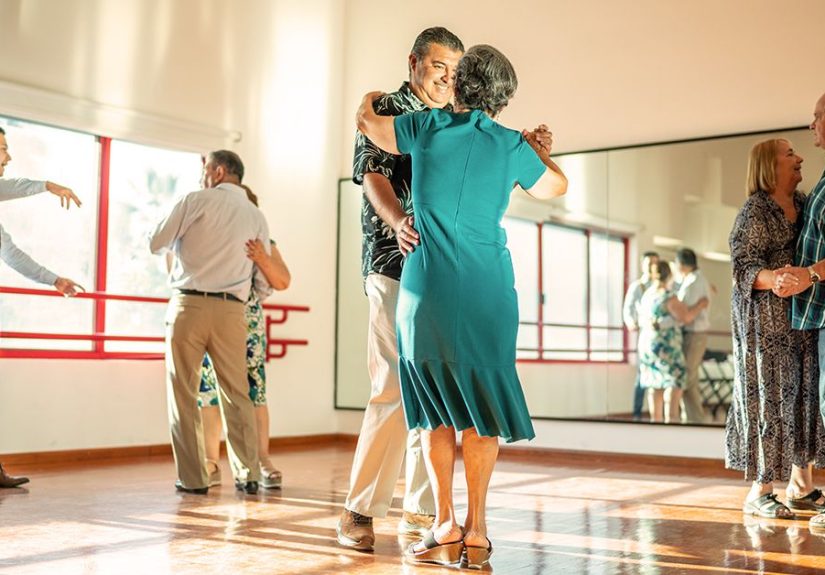
Best of all, dance works across age groups. A preschooler bouncing to music, a teen learning choreography online, a parent taking a Zumba class, and a grandparent joining a ballroom lesson are all tapping into the same basic truth: movement matters, and dance makes movement easier to enjoy. No cape required. Comfortable shoes help, though.
Why Dance Is More Than Just Entertainment
People often treat dance like a “fun extra,” something that belongs at weddings, school recitals, parties, or talent shows. But dance is also a serious form of physical activity. It can raise the heart rate, challenge muscles, improve posture, sharpen coordination, and demand mental focus. In other words, it is not just art. It is exercise, expression, memory work, and stress relief all rolled into one beat-driven package.
What makes dance especially appealing is that it does not feel one-size-fits-all. Some people want structure and technique. Others want music, sweat, and zero pressure. Kids may love the chance to move freely and perform. Adults may appreciate that dance gives them a workout that does not feel like punishment for enjoying snacks. Because dance can be adapted to age, skill, energy level, and culture, it is one of the most flexible ways to get moving.
8 Benefits of Dance for Adults and Kids
1. Dance Improves Heart Health and Endurance
Let’s start with the big engine: the heart. Many forms of dance count as aerobic activity, which means they get your heart pumping and your breathing working harder. That matters for adults who want to support cardiovascular health and build stamina, and it matters for kids who need regular movement for healthy growth and energy balance.
A lively dance class can feel more like a party than a workout, but your body still gets the memo. Over time, regular dance sessions can help improve endurance, which means everyday activities may feel easier. Climbing stairs becomes less dramatic. Carrying groceries becomes less theatrical. Chasing a child, dog, or runaway shopping cart becomes slightly more manageable.
2. Dance Builds Strength, Coordination, and Body Control
Dance is not just flinging your limbs around in approximate rhythm. Done regularly, it asks your muscles to support movement, stabilize your body, and control direction changes. That helps develop strength, coordination, agility, and body awareness.
For kids, this can be especially helpful because dance teaches them how their bodies move through space. They learn timing, balance, control, and how to connect a thought with an action. For adults, dance can restore movement skills that often get neglected in desk-heavy life. Translation: your body remembers it was designed to do more than sit, scroll, and occasionally reach for coffee.
3. Dance Supports Balance, Flexibility, and Posture
Balance is one of those things people rarely appreciate until they try standing on one foot while putting on a sock. Dance helps train balance through repeated shifts in weight, controlled turns, and changes in direction. Many styles also encourage better posture, core engagement, and flexibility.
For children, improved balance and flexibility can support physical confidence during play and sports. For adults, these benefits can become more valuable with age, especially when staying steady, mobile, and less stiff becomes a daily goal. Even a beginner dance class can wake up muscles that have been sleeping on the job for years.
4. Dance Boosts Brain Function, Focus, and Learning
Dance is physical, but it is also deeply mental. You are listening to rhythm, remembering steps, reacting to cues, and coordinating movement in real time. That combination challenges the brain in a way that simple repetitive exercise sometimes does not.
Kids often benefit because dance encourages focus, sequencing, pattern recognition, and listening skills. Following choreography can strengthen attention and memory while giving children a healthy outlet for energy. Adults benefit too. Learning routines, adjusting to tempo, and syncing movement with music can keep the mind engaged and responsive. Basically, dance asks your brain to come to class too, not just your feet.
5. Dance Can Lift Mood and Reduce Stress
Few things can change the emotional weather of a day as quickly as music plus movement. Dance can help release tension, lift mood, and give people a break from mental overload. Adults often notice this after a stressful day: they arrive at class feeling wrung out and leave feeling lighter, more alert, and less likely to argue with a printer.
Kids also benefit from this emotional reset. Movement gives them a way to express energy and feelings that they may not yet have the words for. A dance break can help some children refocus, regulate emotions, and return to tasks with better attention. In a world full of screens, schedules, and stress, dance offers a healthy way to shake off the mental static.
6. Dance Builds Confidence and Self-Expression
One of the most underrated benefits of dance is what it can do for self-esteem. Learning a routine, mastering a new step, or simply getting more comfortable moving in front of others can build confidence over time. Dance gives people a visible sense of progress. Last month you were confused by the warm-up. This month you are hitting counts and pretending that was always the plan.
For kids, dance can support body confidence, creativity, and emotional expression. For adults, it can reconnect them with playfulness and personal identity, especially if work and responsibility have crowded out hobbies. Dance says, “Yes, you still get to enjoy being a person.” That is not a small thing.
7. Dance Strengthens Social Skills and Connection
Humans are social creatures, even the ones who claim they are “just there for the cardio.” Dance often happens in community, whether that means a class, a school group, a team, a cultural celebration, or family dancing in the kitchen while dinner is still somehow not ready. Shared movement creates connection.
Kids can learn cooperation, turn-taking, awareness of others, and the confidence to participate in groups. Adults may find friendship, belonging, and emotional support in dance spaces. Partner dancing adds communication and trust. Group choreography adds teamwork. Even casual dance settings can reduce isolation and help people feel more connected to others and to themselves.
8. Dance Encourages Lifelong Healthy Habits
The best exercise is the one people actually keep doing. That is where dance has a major advantage. It is enjoyable, varied, and adaptable. Someone who hates running may love salsa. A child who complains about “exercise” may happily dance for half an hour without realizing that exercise is exactly what happened.
Because dance is fun and sustainable, it can help build long-term habits. Kids who enjoy moving are more likely to stay active as they grow. Adults who discover a dance style they love are more likely to stick with it than a routine that feels like a sentence. Healthy habits do not always begin with discipline. Sometimes they begin with a beat drop.
How the Benefits Show Up Differently for Adults and Kids
The beauty of dance is that the core benefits overlap, but the experience can look a little different depending on age.
For adults, dance often becomes a practical wellness tool. It can improve fitness, help manage stress, support mood, and offer a social outlet. It may also help adults reconnect with their bodies in a positive way, especially after long periods of inactivity. Many adults love dance because it feels less repetitive than traditional workouts and more rewarding emotionally.
For kids, dance is often a mix of movement, imagination, structure, and self-expression. It can support physical development, listening skills, rhythm, discipline, and confidence. Children also benefit from the simple joy of moving to music, which should not be underestimated. Fun is not a distraction from learning. Quite often, it is the reason learning sticks.
Tips for Getting Started With Dance
You do not need fancy gear, elite coordination, or a dramatic backstory to start dancing. You just need a style you enjoy and a setup that fits your life.
- Pick a style that sounds fun: hip-hop, jazz, ballroom, salsa, contemporary, line dancing, folk dance, or dance fitness all count.
- Start small: even short sessions can help build confidence and consistency.
- Choose the right environment: some people thrive in classes, while others prefer videos at home.
- Focus on progress, not perfection: missing a step is normal. Looking confused is practically part of the warm-up.
- For kids, keep it playful: the goal is movement, enjoyment, and confidence, not instant perfection.
If you are an adult who feels “too old,” “too awkward,” or “too busy,” welcome to the world’s largest dance club: people who almost talked themselves out of trying. Start anyway. If you are encouraging a child, let the experience stay positive. Kids do best when movement feels like joy, not pressure.
Real-Life Experiences Related to the Benefits of Dance
One of the most interesting things about dance is how often the benefits sneak up on people through experience. An adult signs up for a beginner class expecting to burn calories and ends up sleeping better, feeling more confident, and making two new friends. A shy child joins a dance group for “something to do” and slowly becomes the kid who stands taller, listens more carefully, and proudly performs in front of a crowd. That is the thing about dance: the changes are often felt before they are measured.
Many adults describe the first few classes the same way: awkward, humbling, and surprisingly fun. They spend the first session trying to figure out where their arms should go and whether everyone noticed they turned left when the group turned right. Then something shifts. The body begins to understand. The brain starts anticipating the rhythm. What felt impossible becomes familiar. That moment matters. It builds confidence in a very practical way. You learn that being bad at something in the beginning is not a tragedy. It is just the beginning.
Parents often notice different kinds of changes in children. A child who struggles to sit still may come alive in dance because movement gives that energy a purpose. A child who is quiet in class may become expressive through music and choreography. Another child may simply enjoy the routine: same day, same studio, same warm-up, same feeling of “I know what to do here.” Dance can become a place where kids feel competent, included, and seen.
Families also experience dance together in small but meaningful ways. Maybe it is a weekly class, maybe it is a school recital, or maybe it is ten minutes of music in the kitchen after dinner. Those moments create memories, but they also build healthy habits. Children learn that movement belongs in everyday life, not just in sports or gym class. Adults remember that exercise does not have to be grim, silent, or measured only by a smartwatch.
There are also emotional experiences tied to dance that people do not always expect. Someone walks into class carrying stress from work, school, or life in general, and for one hour they have to focus on counts, breath, posture, and rhythm. That mental shift can feel refreshing. It creates a break from overthinking. People leave feeling clearer, calmer, and more grounded. Not because every problem disappeared, but because movement helped the body and mind stop arguing for a while.
Then there is the joy factor, which deserves more respect than it usually gets. Joy is not fluff. Joy is a reason people return. It is what makes dance sustainable. People are far more likely to keep doing something that gives them energy, laughter, music, and human connection. That is why dance often lasts when stricter fitness plans fall apart by February.
For both adults and kids, the experience of dance is often bigger than the steps themselves. It is the feeling of improvement. It is the courage to try. It is the shared laugh after a missed turn, the pride after a performance, and the relief of moving instead of sitting still all day. In real life, the benefits of dance are not only about fitness. They are about feeling more alive in your own body. That is a pretty excellent return on a playlist.
Conclusion
Dance is one of the rare activities that checks a long list of health boxes without feeling like homework. It can strengthen the heart, improve balance and coordination, sharpen focus, lift mood, build confidence, and create connection. It works for adults who want a more enjoyable way to stay active and for kids who need movement that supports both body and mind.
Most importantly, dance is accessible. You do not need to be a professional, naturally graceful, or perfectly coordinated to benefit from it. You just need music, movement, and a willingness to begin. So if you have been waiting for a sign to dance more, this is it. Your body, brain, and mood are all nodding along already.