Table of Contents >> Show >> Hide
- What Is the Pet Drawing Challenge?
- Why Cats and Dogs Actually Enjoy Creative Activities
- Safety First: Do Not Turn Art Class Into a Vet Visit
- How to Help Your Cat or Dog Make a “Drawing”
- How to Post Your Pet’s Drawing Online
- What Your Pet’s Drawing Might “Mean”
- Creative Ideas to Make the Challenge Even Funnier
- Real-Life Experiences: What Happens When Pets Become Artists
- Conclusion
There are two types of people in this world: people who believe pets are naturally gifted artists, and people who have never watched a dog step in mud and redesign an entire kitchen floor. The viral idea “Give your cat or dog a pencil and paper and post what they draw” sounds silly at first, but that is exactly why it works. It is funny, wholesome, easy to share, and almost guaranteed to produce either a masterpiece, a disaster, or a mysterious abstract statement called “I Was Promised Cheese.”
Of course, your pet probably will not sit upright at the table, adjust tiny glasses, and sketch a tasteful still life of a tennis ball. Cats and dogs do not understand drawing the way humans do. But they do understand texture, movement, attention, play, curiosity, and treats. That means a pet drawing challenge can become more than a joke. Done safely, it can be a creative enrichment activity, a bonding moment, and a hilarious piece of social media content that feels refreshingly real.
The key phrase is “done safely.” You should not literally hand a sharpened pencil to your golden retriever and walk away unless your life goal is to explain graphite confetti to a veterinarian. Instead, think of this trend as a supervised pet art session using safe materials, simple setups, and realistic expectations. Your cat may make one dramatic paw swipe and leave. Your dog may enthusiastically stomp the paper like a tiny art-school dropout. Either way, the result is content gold.
What Is the Pet Drawing Challenge?
The pet drawing challenge is a playful social media idea where owners invite their cats or dogs to “create” art using paper, pencils, crayons, pet-safe paint, paw prints, nose nudges, or treat-guided movement. The final image is posted online with a funny caption, usually pretending the animal had deep artistic intentions.
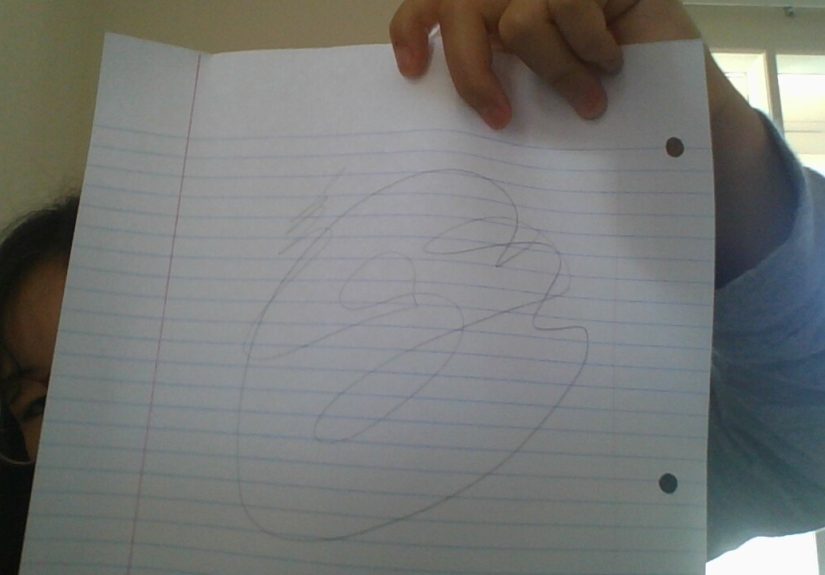
A cat’s single gray line might become “Portrait of a Bird I Was Not Allowed to Eat.” A dog’s chaotic paw smears might be titled “Mailman, Seen Through Emotion.” The humor comes from treating a random scribble like a serious gallery piece. It is part pet content, part craft project, and part comedy theater performed by an animal who would rather be paid in snacks.
Why does it work so well online? Because pet content is naturally shareable. People love animals, especially when they are doing something unexpected. Add a low-stakes challenge, a visual result, and a funny caption, and you have a post that invites comments like, “My cat would eat the pencil,” or “Your dog has entered his blue period.”
Why Cats and Dogs Actually Enjoy Creative Activities
No, your pet is not secretly applying to the Rhode Island School of Design. But many cats and dogs enjoy activities that include novelty, touch, scent, movement, problem-solving, and attention from their favorite human. That is where enrichment comes in.
Enrichment means giving animals safe ways to use their brains, senses, instincts, and bodies. Dogs often enjoy sniffing, searching, pawing, nudging, carrying, and learning new behaviors. Cats often enjoy stalking, pouncing, batting, scratching, exploring, and solving tiny household mysteries such as “Why is this box closed?” A pet drawing session can borrow from these natural behaviors. The paper becomes a new texture. The pencil or crayon becomes a moving object. The reward becomes a reason to participate.
The most important part is not the artwork. It is the interaction. A short, positive art session gives your pet attention, mental stimulation, and a chance to engage with something new. For owners, it creates a memory. For the internet, it creates a post that says, “My dog may not understand perspective, but he does understand commitment.”
Safety First: Do Not Turn Art Class Into a Vet Visit
Before you create a studio for your pet, remember that pets explore the world with their mouths, paws, whiskers, and occasionally their entire face. Art supplies should be chosen carefully, used briefly, and put away immediately afterward.
Choose pet-safe and child-safe materials
Use plain paper, sturdy cardstock, washable non-toxic paint, or child-safe crayons and pencils only under supervision. Look for art supplies labeled non-toxic, and avoid adult craft materials that may contain solvents, strong pigments, glitter, metallic powders, or other ingredients not meant for curious noses and tongues. Even non-toxic items can cause choking, stomach upset, or blockage if chewed and swallowed, so “non-toxic” does not mean “snack bar.”
Avoid sharp points and tiny pieces
If you use a pencil, do not let your pet chew it. A pencil is not made of lead, but wood splinters and broken pieces can still be dangerous. For most pets, a safer approach is to let the owner hold the pencil while the animal’s paw, nose, or treat-guided movement creates the mark. You can also tape a crayon inside a larger cardboard holder so it is harder to swallow, though supervision is still non-negotiable.
Prevent licking paint or ink
Paw-print art can be adorable, but paint should never become a condiment. Use washable non-toxic paint, apply a small amount with a brush or sponge, press the paw gently, and clean the paw right away. Keep water, towels, and pet shampoo nearby. If your pet tries to lick everything like a tiny quality-control inspector, stop the session and switch to a dry method.
Keep the session short
Five minutes may be enough. Some pets love the attention; others look personally offended by the entire concept. Watch for stress signals such as pinned ears, tucked tail, lip licking, hiding, growling, frantic pulling away, or repeated attempts to leave. The best pet art is made by a comfortable pet, not by a furry hostage in a craft apron.
How to Help Your Cat or Dog Make a “Drawing”
There are several safe ways to try this challenge. Pick the method that fits your pet’s personality. A patient dog may enjoy paw stamping. A curious cat may prefer batting a paper-covered crayon. A dramatic cat may prefer knocking the paper off the table and calling it performance art.
Method 1: The paw-print masterpiece
This is the easiest and most photogenic option. Place cardstock on a clipboard or flat surface. Apply a small amount of washable non-toxic paint to one paw using a foam brush. Gently press the paw onto the paper, then clean the paw immediately. Repeat with different colors if your pet is calm and cooperative.
For dogs, paw prints often look cheerful and bold. For cats, the result may be one perfect print followed by a glare that says, “You may speak to my attorney.” Both outcomes are valid art.
Method 2: The treat-guided scribble
Tape a large sheet of paper to the floor. Hold a pencil, crayon, or washable marker yourself. Place a treat near the paper and let your dog follow it while your hand lightly moves the pencil in response to their nose or paw movement. You are not forcing the pet to hold the tool; you are translating their movement into lines.
This method works especially well for dogs who know “touch,” “paw,” or “target.” Ask for a simple cue, reward generously, and let each tap become part of the drawing. The final result may look like a weather map created during an earthquake, but that is part of the charm.
Method 3: The toy-drag technique
Attach a crayon or pet-safe marker securely to a larger toy that your pet can push or drag without chewing. Keep the art tool positioned so it touches the paper while your pet moves the toy. This can create loops, streaks, and accidental modern art.
This approach needs close supervision. If your dog tries to eat the tool or your cat starts wrestling the entire setup into another dimension, pause and reset. The goal is play, not chaos with stationery.
Method 4: The sealed-bag paint method
For pets who should not touch paint directly, try a mess-free version. Place a sheet of paper with small dots of non-toxic paint inside a sealed plastic bag. Tape the bag to the floor. Let your pet walk over it, paw at it, or sniff it while the paint spreads safely inside the bag. Remove the paper afterward and let it dry.
This is great for cats who enjoy tapping things and dogs who enjoy stepping on whatever you just carefully arranged. It also protects floors, paws, and your emotional stability.
How to Post Your Pet’s Drawing Online
The post is half the fun. Take one photo of your pet “working,” one close-up of the finished art, and one dramatic portrait of the artist looking proud, confused, or hungry. Natural light works best. A simple background keeps the focus on the pet and the masterpiece.
Then add a caption that treats the artwork like a serious museum piece. For example:
- “Untitled No. 3: The Vacuum Returns.”
- “My cat calls this one ‘Bird Behind Glass.’”
- “My dog’s first drawing. Medium: washable paint, hope, and one stolen biscuit.”
- “The artist refused interviews but accepted chicken.”
- “Critics are calling it brave, confusing, and slightly damp.”
Use simple hashtags such as #PetDrawingChallenge, #DogArt, #CatArt, #PetArt, #FunnyPets, and #PetEnrichment. Do not overdo it. A few relevant hashtags are better than a paragraph of tags that looks like your keyboard got stepped on by the artist.
What Your Pet’s Drawing Might “Mean”
Let us be honest: your cat’s line across the page probably means “I touched this and now I am leaving.” Your dog’s paw-smudged rainbow likely means “I was here, and also where is the snack?” But pretending to analyze the artwork makes the post funnier.
A single scratch might represent independence. A cluster of paw prints might suggest emotional enthusiasm. A giant smear across the center could symbolize the eternal struggle between bath time and personal freedom. If your pet steps directly in the paint and walks across the floor, the piece has simply expanded into an installation.
This kind of playful interpretation is why the challenge is so shareable. It lets owners celebrate their pets’ personalities. The shy cat makes minimalist work. The energetic puppy makes explosive abstract art. The senior dog creates one gentle print and then naps like a retired genius. Every result tells a story because every pet already has a character we love to exaggerate.
Creative Ideas to Make the Challenge Even Funnier
Create an artist biography
Write a short bio for your pet as if they are a famous artist. “Milo is a mixed-media dog whose work explores the tension between squirrels and closed doors. He lives with his humans and several emotionally important tennis balls.” This instantly makes the post more entertaining.
Stage a mini gallery wall
Frame the drawing or tape it to the wall with a tiny label underneath. Add the title, artist name, medium, and date. Bonus points if your pet sits beside it looking completely unaware of their cultural impact.
Let followers name the artwork
Post the image and ask, “What should we call this masterpiece?” This encourages comments and engagement. People love naming strange things, especially when those things were made by a Labrador with paint on his elbow.
Compare cat art and dog art
If you have both a cat and a dog, let each create a separate piece. The dog may produce something enthusiastic and full-bodied. The cat may produce one elegant mark and then knock the pencil into the void. Post them side by side and ask followers to vote. The cat will not care, which somehow makes the cat more powerful.
Real-Life Experiences: What Happens When Pets Become Artists
The first thing most owners learn during a pet drawing session is that expectations should be placed gently in the trash. You may imagine a calm, adorable scene: your dog carefully pressing a paw onto paper, your cat delicately dragging a crayon like a tiny philosopher. Reality often arrives wearing muddy feet. The dog sits on the paper. The cat attacks the tape. Someone sneezes near the paint. The finished artwork looks less like a drawing and more like evidence from a very colorful crime scene.
But that is exactly what makes the experience memorable. One dog owner might prepare three colors of washable paint, only to discover that their dog’s preferred artistic method is “one paw print, then full-body wiggle.” The final piece may include a perfect blue paw, a green tail swipe, and a suspicious orange mark that nobody can explain. Instead of failure, it becomes a story: the day their dog invented abstract expressionism and demanded peanut butter as payment.
Cat owners often report a different kind of comedy. Cats may inspect the paper with suspicion, tap the pencil once, and walk away with the confidence of an artist who has said everything necessary. Some cats prefer the sealed-bag paint method because they can paw at the squishy texture without getting messy. Others will ignore the entire project until the human gives up, then sit directly on the artwork. In cat logic, this may be the highest form of endorsement.
Senior pets can make the activity surprisingly sweet. A slow paw print from an older dog or a gentle nose boop from a quiet cat can become a keepsake rather than just a funny post. The artwork does not need to be complicated. A simple print, a small scribble, or a soft smear of color can capture a moment in your pet’s life. Years later, that little piece of paper may feel more meaningful than any polished decoration bought from a store.
Families with children can also enjoy the challenge, as long as adults supervise both the kids and the pets. Children love assigning meaning to the drawings. A red paw print becomes “a dragon.” A gray scribble becomes “a storm.” A random line becomes “the dog drew our house, but sideways.” This turns the activity into a shared storytelling game where the pet supplies the marks and the humans supply the imagination.
The best experience comes when owners stop trying to control the outcome. Let the session be short. Let it be weird. Let the drawing look ridiculous. Take pictures, laugh, clean paws quickly, and reward your pet for participating. The final artwork is not valuable because it is beautiful. It is valuable because your pet made it with you nearby, cheering like they just completed the ceiling of the Sistine Chapel.
Conclusion
Giving your cat or dog a pencil and paper is less about creating fine art and more about creating a joyful moment. With safe materials, close supervision, and a sense of humor, the pet drawing challenge can become a fun enrichment activity, a bonding experience, and a wonderfully ridiculous social media post. Your pet may not draw a recognizable portrait, but they can absolutely create something worth sharing: a paw print, a scribble, a smear, or a tiny masterpiece of chaos.
Just remember the golden rules. Keep supplies non-toxic. Prevent chewing and licking. Watch your pet’s comfort level. End the session before anyone gets stressed. And when the artwork is finished, give it a dramatic title. Because whether your dog produces a rainbow stomp or your cat contributes one judgmental line, every pet deserves their gallery debut.