Table of Contents >> Show >> Hide
- What Is the Ribba Frame (Medium)?
- Key Features of the Ribba Frame (Medium)
- Dimensions and Display Options
- Why the Ribba Frame Became So Popular
- Best Uses for the Ribba Frame (Medium)
- How to Style the Ribba Frame (Medium)
- Installation Tips for a Cleaner Result
- Pros and Cons of the Ribba Frame (Medium)
- Is the Ribba Frame (Medium) Still Worth Buying?
- Care and Maintenance
- Ribba Frame (Medium) vs. Custom Framing
- Buying Tips Before You Choose a Ribba Frame
- Creative Ideas for Using the Ribba Frame (Medium)
- Experience Section: Living With the Ribba Frame (Medium)
- Conclusion
The Ribba Frame (Medium) is one of those home-decor pieces that quietly earns its popularity. It does not shout, sparkle, or demand a dramatic lighting plan. Instead, it does what a good frame should do: it makes photos, prints, posters, certificates, children’s artwork, and small design experiments look more polished than they probably have any right to look.
Known for its clean lines, simple profile, lightweight construction, and flexible display options, the IKEA RIBBA frame became a favorite among renters, gallery-wall builders, budget decorators, students, and anyone who has ever looked at a blank wall and thought, “This room needs personality, but my wallet needs mercy.” The medium size is especially useful because it feels substantial without becoming oversized. It can anchor a small wall, join a larger gallery arrangement, or turn a single print into a tidy focal point.
This guide explores the Ribba Frame (Medium) in depth: what it is, why people like it, where it works best, how to style it, what to watch out for, and how to get the most out of a simple frame that has become a minor legend in affordable home decor.
What Is the Ribba Frame (Medium)?
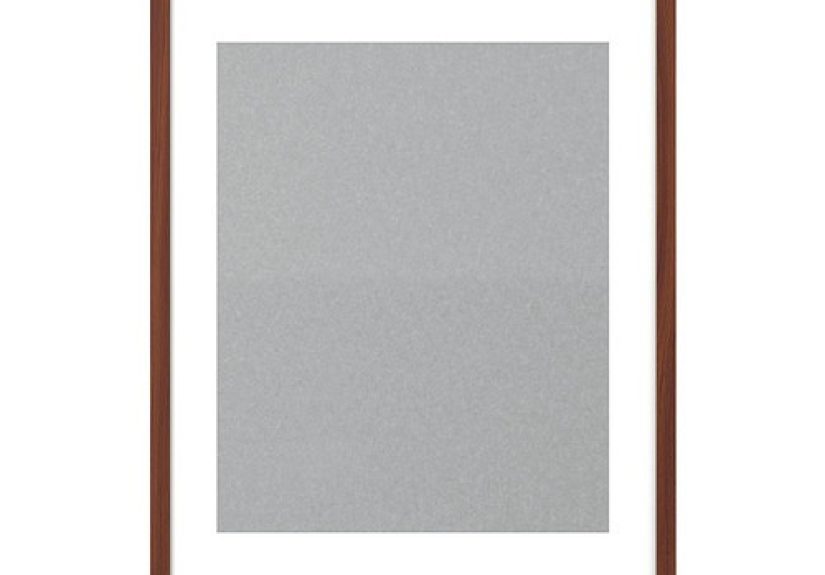
The Ribba Frame (Medium) is part of IKEA’s well-known RIBBA picture frame family. The line was designed around a minimalist, squared-off look that keeps attention on the artwork rather than the frame itself. The medium version is often associated with a poster-friendly format around 19 3/4 inches by 27 1/2 inches for the picture area without the mat. With the included mat, it typically displays a smaller image, creating a cleaner and more gallery-like presentation.
The frame’s appeal is straightforward: it looks modern, works in many rooms, and is inexpensive compared with custom framing. It usually includes a mat, a plastic front protector, and hardware-friendly construction that allows the frame to hang either vertically or horizontally. That last detail matters more than people think. A frame that works in both orientations is like a pair of black jeans: not exciting on paper, but very useful on a Tuesday.
Key Features of the Ribba Frame (Medium)
Simple, Straight-Lined Design
The Ribba Frame has a clean rectangular profile with a boxy edge. It is not ornate, rustic, carved, distressed, gilded, or trying to look like it came from a castle hallway. That restraint is exactly why it works so well. The frame disappears just enough to let the artwork take the spotlight.
Flexible Orientation
The medium Ribba frame can generally be used in portrait or landscape orientation. That flexibility makes it useful for posters, travel photography, architectural prints, quote art, family portraits, and gallery-wall layouts where every frame seems to have a different opinion about which direction it wants to face.
Included Mat for a Finished Look
One of the strongest selling points is the included mat. A mat creates breathing room around the image, adds depth, and helps inexpensive prints look more intentional. A simple photo printed at home can suddenly look like it has been curated by someone who drinks espresso and says things like “negative space.”
Lightweight Construction
The Ribba frame is commonly made with a fibreboard frame covered in paper foil, plus a plastic front protector rather than traditional glass. This keeps the frame lightweight and safer to handle, especially in family homes, dorm rooms, nurseries, and rental apartments.
Affordable Gallery-Wall Potential
The RIBBA series became especially popular because buyers could purchase multiple frames in matching finishes and sizes without spending custom-framing money. Matching frames create instant visual order, which is helpful when your art collection includes vacation photos, a thrift-store botanical print, and one mysterious abstract poster you bought because it “felt right.”
Dimensions and Display Options
The Ribba Frame (Medium) is often listed around 20 1/2 inches wide by 28 1/4 inches high for the outer frame, with a picture size around 19 3/4 inches by 27 1/2 inches when used without the mat. With the mat, the display area is smaller, usually suited for a print around 15 3/4 inches by 19 3/4 inches, with the visible opening slightly smaller.
These measurements make the medium Ribba a strong choice for posters, art prints, photography enlargements, certificates, children’s artwork, recipe prints, wedding signs, event posters, or minimalist typography. It is large enough to stand alone above a desk or console table, but not so large that it overwhelms a hallway, apartment wall, or cozy bedroom corner.
If you are framing something valuable, measure twice before trimming anything. Better yet, do not trim original artwork at all. Use the mat, order a custom mat, or choose a different frame size. Cutting art to fit a frame is the decorating version of cutting your own bangs: sometimes it works, but the risk deserves respect.
Why the Ribba Frame Became So Popular
The medium Ribba frame sits at the intersection of design, affordability, and practicality. That combination is powerful. Many frames are either attractive but expensive, cheap but flimsy-looking, or so decorative that they boss around the room. Ribba found a sweet spot: clean enough for modern interiors, simple enough for traditional spaces, and budget-friendly enough for people who want more than one.
Its popularity also came from consistency. When building a gallery wall, consistency can save the whole project. Even if the artwork varies, matching frame shapes and colors create rhythm. A group of black Ribba frames can make family photos look organized. A set of white Ribba frames can make colorful prints feel airy and calm. Mixed with other simple frames, Ribba can also support a collected look without creating visual chaos.
Best Uses for the Ribba Frame (Medium)
1. Gallery Walls
The medium Ribba is ideal for gallery walls because it provides scale. Smaller frames add detail, but medium frames create structure. Use one or two medium Ribba frames as anchors, then surround them with smaller frames, mirrors, textile art, or decorative objects.
2. Posters and Art Prints
Many art prints look better when framed behind a mat or given a clean border. The Ribba frame can turn a simple poster into something that feels more finished. It works especially well with black-and-white photography, Scandinavian-style prints, botanical illustrations, line drawings, and modern typography.
3. Family Photos
A medium frame gives family photos enough presence to feel special. Instead of scattering small prints across shelves, use one larger image with a mat. The result feels calmer, less cluttered, and more intentional.
4. Home Office Decor
In a home office, the Ribba Frame (Medium) can hold a certificate, a favorite quote, a brand mood board, or a calming landscape. It adds personality without turning the office into a souvenir shop.
5. Kids’ Art Displays
Children’s artwork looks surprisingly sophisticated in a clean white or black frame. A finger painting becomes “abstract expressionism.” A crayon dinosaur becomes “early paleontological modernism.” The mat helps elevate the piece while protecting it from the chaos of refrigerator magnets.
How to Style the Ribba Frame (Medium)
Choose Black for Contrast
Black Ribba frames work well in rooms with darker accents, industrial furniture, black hardware, or high-contrast decor. They make artwork pop and add definition to white or neutral walls.
Choose White for a Soft, Minimal Look
White frames create a lighter, quieter effect. They are excellent for bedrooms, nurseries, coastal rooms, Scandinavian interiors, and spaces where you want the art to float visually rather than feel boxed in.
Use the Mat for a Gallery Feel
The included mat is not just a decorative extra. It gives the art breathing room and helps the frame look more expensive. For photos, illustrations, and smaller prints, the mat is usually the better choice.
Skip the Mat for Bold Posters
If your artwork is already large and graphic, using the full frame without the mat can look stronger. This is especially effective for movie posters, exhibition prints, travel posters, and oversized typography.
Keep Spacing Consistent
When hanging multiple frames together, consistency matters. A spacing range of roughly two to three inches between frames usually creates a balanced gallery-wall effect. For a more relaxed arrangement, start with one large anchor frame and build outward.
Installation Tips for a Cleaner Result
Before you make holes in the wall, trace the frame onto kraft paper, newspaper, or wrapping paper. Tape the paper template to the wall and adjust the placement until the arrangement feels right. This trick prevents the classic decorating tragedy known as “seven nail holes and one crooked frame.”
Use a level, measure from the hanging point rather than the top of the frame, and consider the height of nearby furniture. A single medium Ribba frame usually looks best centered above a desk, console, bed, or small sofa. For gallery walls, align either the centerlines or the outer edges to keep the grouping from looking accidental.
Because different walls require different anchors, choose hanging hardware based on your wall material. Drywall, plaster, brick, concrete, and wood paneling all behave differently. Lightweight frames are easier to hang, but they still deserve proper support.
Pros and Cons of the Ribba Frame (Medium)
Pros
- Clean, timeless design that works with many decor styles.
- Affordable compared with custom framing.
- Included mat creates a polished presentation.
- Lightweight plastic front is safer than glass in busy homes.
- Can usually hang vertically or horizontally.
- Useful for gallery walls, posters, photos, and office decor.
Cons
- Plastic front protection may scratch more easily than glass.
- Fibreboard construction is not as premium as solid wood.
- Exact availability may vary because the RIBBA line has been replaced or discontinued in some markets.
- Not ideal for valuable artwork unless upgraded with archival materials.
- Large lightweight frames may need careful hanging to sit flat and straight.
Is the Ribba Frame (Medium) Still Worth Buying?
Yes, if you can find it at a fair price and the condition is good. The medium Ribba frame remains useful because its design is simple, adaptable, and easy to integrate into different rooms. However, buyers should be aware that RIBBA availability has changed over time. In some regions, IKEA has moved toward newer frame families, so shoppers may find Ribba frames through remaining stock, resale listings, secondhand marketplaces, or older product pages.
If you are building a large gallery wall and need many matching frames, check availability before committing to the layout. Nothing ruins a gallery-wall plan faster than discovering you can buy three frames when your wall sketch requires nine. That is not decor; that is a math problem with emotional consequences.
Care and Maintenance
Ribba frames are easy to maintain. Dust the frame regularly with a soft cloth or duster. For the plastic front, avoid harsh cleaners and abrasive towels because plastic can scratch. A dry microfiber cloth is usually enough. If smudges appear, use a lightly dampened cloth and wipe gently.
Keep framed prints away from direct sunlight when possible. Even with front protection, artwork can fade over time if exposed to strong light. Also avoid hanging paper prints in humid areas such as bathrooms unless the room is well ventilated. Moisture and paper are not best friends. They are more like coworkers who tolerate each other until something goes wrong.
Ribba Frame (Medium) vs. Custom Framing
Custom framing gives you more control over materials, mat color, glass type, UV protection, and exact sizing. It is the better choice for original artwork, signed prints, heirloom photographs, or anything with financial or sentimental value. The Ribba Frame (Medium), on the other hand, is ideal for everyday decorating: posters, digital prints, family photos, dorm rooms, rentals, office art, seasonal displays, and gallery walls on a budget.
Think of Ribba as the reliable everyday frame. It is not trying to be museum-grade. It is trying to make your wall look better without requiring a financial planning session. For many homes, that is exactly enough.
Buying Tips Before You Choose a Ribba Frame
First, confirm the actual frame size and mat opening. Product naming can vary, and sellers may describe frames by outer size, picture size, or mat opening. Second, check the front protector for scratches if buying secondhand. Third, inspect corners for dents or peeling paper foil. Fourth, make sure the backing tabs are intact. Small damage may not matter once the frame is on the wall, but loose corners or warped backing can become annoying.
If you are purchasing multiple frames, buy them together when possible. Small finish differences can happen across production runs or resale sources. Matching frames from the same batch create a cleaner look, especially in a grid layout.
Creative Ideas for Using the Ribba Frame (Medium)
Frame Fabric Samples
A beautiful textile, scarf section, or patterned fabric sample can look striking in a Ribba frame. This is a smart way to add color and texture without buying traditional wall art.
Create a Travel Wall
Use medium Ribba frames for maps, boarding passes, city prints, and vacation photos. The clean frame keeps the collection from looking too busy.
Display Seasonal Prints
Swap artwork by season: botanicals in spring, beach photography in summer, warm landscapes in fall, and cozy minimalist prints in winter. One frame can serve many moods.
Build a Family Timeline
Use several matching Ribba frames to show family milestones: weddings, baby photos, graduations, first homes, or favorite candid moments. Matching frames make the timeline feel cohesive.
Upgrade Printable Art
Printable art can look surprisingly refined when printed on quality paper and placed behind a mat. The frame does not need to be expensive if the presentation is thoughtful.
Experience Section: Living With the Ribba Frame (Medium)
Using the Ribba Frame (Medium) in real life feels a little like discovering that a plain white T-shirt can be the most useful item in your closet. It is not dramatic on its own, but it solves a lot of styling problems. The first thing most people notice is how quickly it improves a print. A loose poster taped to a wall says, “I moved in recently.” The same poster in a Ribba frame says, “I have opinions about lighting.” That is a significant upgrade for one afternoon of effort.
In a living room, the medium size works well above a sideboard or reading chair. It has enough visual weight to hold attention without competing with the furniture. A black frame can sharpen a neutral room, especially if there are black lamp bases, curtain rods, cabinet pulls, or other dark accents nearby. A white frame, meanwhile, blends beautifully with light walls and makes colorful artwork feel fresh rather than loud.
In a bedroom, the Ribba Frame (Medium) is excellent for calming artwork. Soft landscape photography, line drawings, abstract shapes, or muted botanical prints all work well. The mat creates a quiet border that makes the image feel restful. This matters because bedroom walls should not look like they are yelling at you before you sleep. The frame helps keep everything composed.
One practical experience worth mentioning is the plastic front. It is lighter and safer than glass, which is helpful during installation. You do not feel like you are carrying a fragile window across the room. However, it can attract static and show smudges, so patience is useful when cleaning it. Remove dust before closing the frame, because one tiny speck trapped inside the front protector can become the only thing your eye sees forever. It will haunt you. You will pretend not to care. You will care.
The included mat is another everyday advantage. It makes smaller prints look deliberate, and it gives breathing room to photography. For digital art downloaded online, the mat can hide slight sizing differences and help the final result feel custom. If the opening does not fit your print perfectly, a custom mat is often cheaper than custom framing and can make the Ribba look more upscale.
For gallery walls, the medium Ribba performs best as an anchor. Place one medium frame slightly off-center, then build around it with smaller frames and objects. This creates a collected look without making the wall feel chaotic. If you prefer a grid, use multiple medium frames with identical spacing. The effect is crisp, modern, and very satisfyingespecially for people who enjoy symmetry, spreadsheets, or folding towels the “right” way.
The main caution is availability. Because the RIBBA line has changed in different markets, matching older frames can be tricky. If you already own one and want more, check measurements carefully before buying replacements. Similar-looking frames may have slightly different depths, mat openings, or finishes. On a large wall, small differences can become visible.
Overall, living with the Ribba Frame (Medium) is easy. It is affordable, adaptable, and visually quiet in the best way. It does not pretend to be luxury custom framing, but it makes everyday art look cleaner and more intentional. For renters, students, first apartments, family homes, home offices, and budget-friendly room refreshes, that practicality is exactly why the Ribba frame continues to be remembered, searched for, and reused long after many trendier decor pieces have gone to the great clearance aisle in the sky.
Conclusion
The Ribba Frame (Medium) remains a smart choice for anyone who wants simple, affordable, flexible wall decor. Its clean lines, useful size, included mat, and lightweight construction make it especially good for posters, photos, gallery walls, office art, and family displays. While it may not replace custom framing for valuable artwork, it offers excellent everyday value and a timeless look that suits many American homes.
If you want a frame that quietly improves a room without stealing the show, the Ribba Frame (Medium) is still worth considering. It is proof that good design does not always need to be loud, expensive, or complicated. Sometimes it just needs straight lines, a decent mat, and the confidence to let the art do the talking.
Note: Product sizes, pricing, and availability can vary by country, retailer, and year. Before publishing purchase details or recommending a seller, verify current stock and measurements with the local retailer or marketplace listing.