Table of Contents >> Show >> Hide
- What Are Pear Tomatoes, Exactly?
- Why Pickle Them?
- Quick Pickle vs. Fermented vs. Canned: Choose Your Adventure
- Why Rosemary Works So Well with Pickled Tomatoes
- Pickled Pear Tomatoes with Rosemary (Refrigerator Method)
- Flavor Variations (Because One Jar Is Never Enough)
- How to Serve Pickled Pear Tomatoes with Rosemary
- Troubleshooting: Save the Tomatoes (and Your Sanity)
- Storage and Food Safety Notes (Important, Not Scary)
- Bonus: The Brine Becomes a Sauce (Use It)
- FAQ
- Real-World “Experience” Notes: What It’s Like to Make These (and Why You’ll Repeat It)
- Conclusion
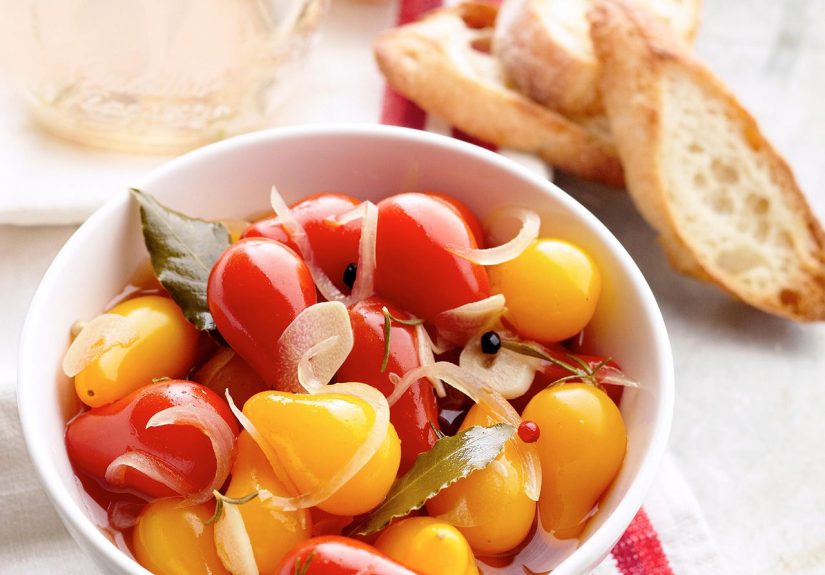
Pear tomatoes are basically the overachievers of the tomato world: tiny, sweet, and shaped like they’re trying to win a beauty pageant.
When you pickle them with rosemary, you get a condiment that tastes like summer took a gap year in the Mediterranean and came back with a sharper wardrobe.
These are tangy, lightly sweet, aromatic little “pop” bombsperfect for salads, sandwiches, cheese boards, and (let’s be honest) eating straight from the jar while you pretend you’re just “checking the seasoning.”
This guide walks you through an easy, safe refrigerator pickle method (no canning required), explains why rosemary and tomatoes work so well together,
and gives you variations so you can customize the jar to match your personalitywhether that’s “gentle herb garden” or “spicy chaos.”
What Are Pear Tomatoes, Exactly?
Pear tomatoes are small, bite-size tomatoes with a teardrop or pear-like shape. They’re often sold alongside grape and cherry tomatoes,
and they tend to be sweet, thin-skinned, and juicygreat qualities for snacking, but also a reason they can split if you hit them with boiling-hot brine.
The goal with pickling is to keep their texture pleasantly plump (not wrinkly, not mushy) while letting the brine seep in just enough to turn sweet into sweet-and-tangy.
Why Pickle Them?
Pickling does three things at once: it adds acidity, boosts flavor, and stretches the life of produce in a way that feels like cheating (the good kind).
Tomatoes are especially fun because their natural sweetness plays nicely with vinegar’s zing. Add rosemary and you get a piney, woodsy aroma that makes the whole jar smell expensive.
The result is a condiment that can instantly wake up anything richthink creamy cheese, fatty meats, buttery bread, or a humble bowl of beans.
Quick Pickle vs. Fermented vs. Canned: Choose Your Adventure
There are a few “pickling lanes,” and it helps to know which one you’re in so your expectations (and your lids) stay calm:
-
Refrigerator (quick) pickles: Vinegar-based brine, stored in the fridge. Fast, easy, and very flexible.
This is what we’re doing today. - Lacto-fermented pickles: Salt brine, time, and friendly bacteria. More complex flavor, more patience required.
- Water-bath canned pickles: Shelf-stable, but you must follow tested recipes and proper processing to keep things safe.
If you want something you can make on a Tuesday night and eat by Thursday, refrigerator pickles are your best friend.
If you want jars that live in a pantry for months, use a tested canning recipe designed for tomatoes and follow it exactly (more on safety later).
Why Rosemary Works So Well with Pickled Tomatoes
Rosemary has a bold, resinous aromathink evergreen, lemony pine, and a little peppery warmth. Tomatoes bring sweetness, fruitiness,
and savory depth (especially once vinegar pulls their juices into the brine). Together, they create a flavor that’s both bright and grounding:
the vinegar lifts everything up, while rosemary keeps it from tasting like “just sour.”
One caution: rosemary is confident. A little goes a long way, especially if you let the jar sit for weeks. Use it like perfume, not like body spray.
(Unless you love rosemary body spray. No judgment. Mild concern, but no judgment.)
Pickled Pear Tomatoes with Rosemary (Refrigerator Method)
This recipe is designed for the fridge: quick, reliable, and easy to scale. It uses a balanced brine (vinegar + water) with salt and a touch of sweetness.
The sweetness doesn’t make the tomatoes “sweet pickles”it simply rounds out the acidity so the flavor tastes intentional rather than aggressive.
Ingredients (Makes about 1 quart)
- 1 to 1 1/2 pounds pear tomatoes (enough to fill a quart jar)
- 1 cup white vinegar (5% acidity)
- 1 cup water
- 1 1/2 tablespoons kosher salt (or 1 tablespoon fine pickling salt)
- 1 to 2 tablespoons sugar (optional but recommended for balance)
- 2 to 4 sprigs fresh rosemary (small sprigs; don’t overdo it)
- 2 garlic cloves, lightly smashed (optional but excellent)
- 1 teaspoon black peppercorns
- Optional flavor boosters: pinch of red pepper flakes, 1/2 teaspoon mustard seed, strip of lemon peel, or a few coriander seeds
Equipment
- 1 clean quart jar with lid (or two pint jars)
- Small saucepan
- Skewer or toothpick (for tiny tomato “poke holes”)
Step-by-Step Instructions
-
Wash and prep the tomatoes.
Rinse and dry your pear tomatoes. Remove any stems. Then pierce each tomato once (or twice if they’re a bit larger) near the stem end with a toothpick.
This tiny hole is the secret handshake that lets brine in and reduces the chance of split skins. -
Pack the jar like you mean it.
Add garlic, peppercorns, and rosemary to the jar. Fill with tomatoes, leaving about 1/2 inch of space at the top.
Tuck rosemary sprigs along the sides so they look charming (and so you can pull them out later if the flavor gets too strong). -
Make the brine.
In a small saucepan, combine vinegar, water, salt, and sugar. Heat just until the salt (and sugar, if using) dissolves.
You don’t need a raging boilthink “steamy and cooperative.” -
Cool the brine briefly, then pour.
Let the brine cool for about 5–10 minutes, then pour it over the tomatoes to fully cover them.
If a tomato tries to float like it’s auditioning for a pool party, nudge it down with a clean spoon. -
Cool, then refrigerate.
Let the jar come to room temperature, then cover and refrigerate.
You’ll get tasty results in 24 hours, better flavor at 48 hours, and peak “why didn’t I do this sooner?” within 3–5 days.
When Are They Ready?
If you’re impatient (relatable), start snacking after 24 hours. For fuller flavorespecially rosemary infusiongive it 2 days.
After about a week, the tomatoes taste more deeply seasoned and the brine becomes a tomato-tinged bonus sauce.
Flavor Variations (Because One Jar Is Never Enough)
1) Spicy Rosemary
Add 1/2 teaspoon red pepper flakes or a sliced jalapeño. The heat cuts through the sweetness and makes the tomatoes feel like cocktail garnish royalty.
2) “Garden Herb” Version
Use 1 rosemary sprig plus a few thyme sprigs and a basil leaf or two. Rosemary stays the lead singer, but the band gets harmonies.
3) Warm Spice Twist
Add a pinch of coriander seeds or mustard seed. The flavor gets subtly complex, like your pickles went to culinary school.
4) Slightly Sweeter Brine
Bump sugar to 2 tablespoons. This is great if you’re serving these with salty cheeses or rich meats and want a sweeter-tangy contrast.
How to Serve Pickled Pear Tomatoes with Rosemary
- Salads: Halve them and toss with cucumbers, feta, and olive oil. Use a spoonful of brine as part of the dressing.
- Sandwiches: Replace pickles or banana peppers with pickled tomatoes on turkey, roast beef, or a veggie stack.
- Charcuterie boards: They’re colorful, poppable, and cut through fatty salami like a tiny acid-powered superhero.
- Bloody Mary garnish: Skewer a couple with an olive and pretend you’re hosting brunch, even if it’s a Wednesday.
- Grain bowls: Add them to rice, farro, or quinoa bowls with chickpeas and herbs.
- Cheese + crackers emergency dinner: You know the one.
Troubleshooting: Save the Tomatoes (and Your Sanity)
“My tomatoes split!”
Usually this happens from temperature shock (too-hot brine) or unpierced skins. Next time, pierce them and let the brine cool a few minutes before pouring.
Also: super-ripe tomatoes split easier. They’ll still taste greatjust slightly messier.
“They’re too sharp / too vinegary.”
Add a little more sugar (1 teaspoon at a time) or a splash of water, and give it another day.
You can also dilute the brine slightly by adding more tomatoes (the best kind of problem).
“They’re too salty.”
The easiest fix is dilution: add a bit more vinegar-water mixture (equal parts) without additional salt.
For next time, measure carefullysalt crystals vary a lot by brand and grind size.
“They got soft.”
Pear tomatoes are delicate. Softer texture can come from over-ripe tomatoes, too-long storage, or a very hot brine.
Use slightly firmer tomatoes and avoid boiling-hot liquid.
Storage and Food Safety Notes (Important, Not Scary)
These are refrigerator pickles. Keep them chilled and use clean utensils when serving (no “double-dip spoon,” no matter how convincing it feels in the moment).
For best quality, enjoy within 3–4 weeks. Many recipes say they last longer, but texture is usually at its best in the first couple weeks.
If you notice mold, an off smell, or brine that turns unusually cloudy and funky (not “pleasantly fermented,” but “questionable science experiment”),
discard the jar. When in doubt, throw it out.
Want shelf-stable jars? That’s a different project. Tomatoes are borderline in acidity, and safe canning requires tested instructions,
proper acidification, and processing. If you’re canning tomatoes or tomato products, follow guidance from trusted home preservation authorities
and don’t freestyle the acid levels.
Bonus: The Brine Becomes a Sauce (Use It)
After a few days, the brine turns blush-colored and tastes like a vinaigrette that went to a party and came back with stories.
Try it:
- Whisked with olive oil for a salad dressing
- Splashed into a Bloody Mary or a martini-style cocktail
- Stirred into mayo for an instant sandwich spread
- Used to quick-pickle sliced onions for a “second life” pickle jar
FAQ
Can I use other small tomatoes?
Absolutely. Grape, cherry, and other bite-size varieties work well. Aim for firm, not overly ripe, so they hold their shape.
Can I swap the vinegar?
Yeschoose a vinegar you enjoy. White vinegar is clean and classic; apple cider vinegar adds warmth; white wine vinegar feels a little fancy.
Stick to vinegar labeled at 5% acidity for predictable results.
Can I add olive oil to the jar?
For refrigerator pickles, a small drizzle can taste great, but it also changes the brine environment and can mute the bright acidity.
If you want an oil-forward version, add oil right before serving (or marinate drained pickled tomatoes in oil separately).
Real-World “Experience” Notes: What It’s Like to Make These (and Why You’ll Repeat It)
The first time you make pickled pear tomatoes, there’s a momentusually right after you poke the skinswhen you realize you’re essentially giving
a tomato tiny acupuncture. It feels oddly responsible. Like you’re doing self-care… but for produce.
Then you pack the jar, and this is where the experience gets theatrical. The rosemary sprigs look so good pressed against the glass that you’ll suddenly
understand why people take pictures of pantry items. The tomatoes line up like glossy marbles, and you start thinking,
“Maybe I’m the kind of person who has signature pickles.” (You are. Welcome.)
Pouring in the brine is the dramatic part. If the brine is too hot, you’ll hear an occasional soft pop as a tomato skin gives up and splits,
which is not a disaster but does feel like the jar is judging you. If you let the brine cool those extra minutes, the tomatoes stay intact more often,
and you get that satisfying “submerged and serene” looklike the jar is ready for a magazine shoot.
The next experience is patience vs. curiosity. At 24 hours, the tomatoes taste bright and lightly seasonedlike they’re still introducing themselves.
At 48 hours, the rosemary shows up more clearly, and the garlic (if you used it) stops being “raw garlic loud” and becomes “savory background vocals.”
By day three, you’ll probably notice the brine turning a rosy color. That’s tomato juice mingling with the vinegar, and it’s the sign you’re on the right track:
flavor is moving in both directions.
Serving them is its own little show. Toss a few into a salad and they act like flavor fireworkstiny bursts of tang that make basic greens taste intentional.
Put them on a cheese board and people will reach for them before they even ask what they are. And if you skewer one for a cocktail garnish,
you’ll feel like you just added a tiny hat to your drink (which is the highest form of fun).
The most common “experience lesson” is rosemary restraint. If you used big, woody sprigs and let them sit for weeks, rosemary can start to dominate.
The fix is easy: pull the sprigs out after a few days once you like the flavor. You still keep the perfume, but you avoid the “my pickle tastes like a pine tree”
situation. Unless that’s your goal. Some people love that. Some people also enjoy very aggressive menthol cough drops. The world is diverse.
Another surprisingly satisfying moment happens when the tomatoes are gone and you’re left with brine. You taste it and realize it’s basically a tomato-herb vinegar,
and suddenly you’re brainstorming meals just to justify using it. It’s fantastic whisked into a vinaigrette, stirred into a bean salad, or blended into a quick
Bloody Mary base. In other words: the jar doesn’t end. It just changes careers.
After you make these once, you’ll start eyeing any surplus tomatoes with a new kind of confidence. Not “I must cook them all tonight” panic,
but “I can pickle a jar and feel like I’ve won the week” calm. And honestly? That calm tastes great with rosemary.
Conclusion
Pickled pear tomatoes with rosemary are one of those small-effort, high-reward kitchen moves that make everyday meals feel brighter.
They’re easy enough for a weeknight, interesting enough for guests, and versatile enough to justify keeping a jar in the fridge basically forever
(or at least until it mysteriously disappears).
Start with the basic brine, keep rosemary in check, and don’t forget to use the leftover brine like the secret ingredient it is.
Your salads, sandwiches, and snack plates are about to get a lot more excitingand your tomatoes are finally living their best, tangiest lives.