Table of Contents >> Show >> Hide
- From Surfboard to Spinal Cord Injury in a Split Second
- Inside the Experimental Stem Cell Treatment
- The Long Road From Ventilator to Walking
- Why This Story Matters for People With Spinal Cord Injuries
- Why Doctors Are Excited and Careful
- What Comes Next for Stem Cell Treatment in Paralysis?
- The Human Side: Grit, Rehab, and the Work You Don’t See
- Real-World Experiences Around Stem Cell Treatment and Paralysis
If you’ve ever complained about a sore back after sitting at your desk all day, meet Chris Barr the surfer
who broke his neck in eight places, was paralyzed from the neck down, and was told he might never move again.
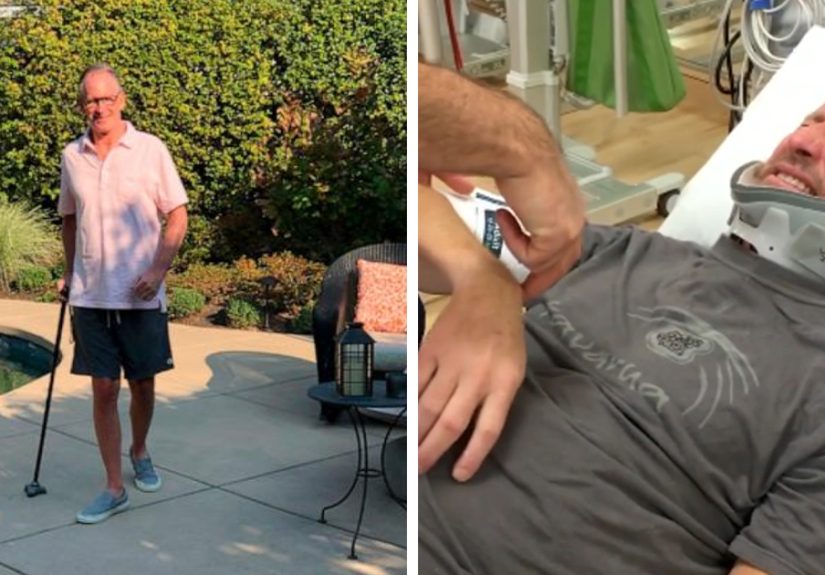
Years later, thanks to an experimental stem cell treatment and a frankly heroic amount of rehab, he can stand
and walk on his own. It sounds like sci-fi. It isn’t. It’s science, sweat, and a lot of cautious optimism.
The story, shared widely by outlets like Bored Panda and backed up by coverage from ABC News and Mayo Clinic,
is more than just a feel-good headline. It’s the real-world glimpse of what carefully controlled stem cell
therapy might be able to do for people living with spinal cord injuries and a reminder that, as exciting
as it is, this is still the very beginning of a long scientific journey.
From Surfboard to Spinal Cord Injury in a Split Second
The day everything changed
About seven years before his “walking again” headlines, Chris paddled out like it was any other day. One bad
fall later, he’d fractured his neck and severely damaged his spinal cord. In the hospital, he learned the
diagnosis no active person ever wants to hear: he was paralyzed from the neck down and dependent on a ventilator
just to breathe.
Overnight, life shrank from “catch the next wave” to “can I even breathe on my own?” He needed help with
every basic task eating, drinking, using his phone, changing position in bed. Many people in this situation
never regain meaningful movement, even with the best traditional care.
Living life “from the neck up”
Chris wasn’t alone. In the United States, an estimated 18,000 people sustain a new traumatic spinal cord injury
(SCI) each year, and hundreds of thousands live with long-term paralysis. Most are adults in the prime of their
lives, often injured in falls, vehicle crashes, or sports accidents.
With current standard treatments surgery, intensive rehab, and medications the goal is usually to stabilize
the spine, prevent further damage, and help people adapt. Big spontaneous recoveries do sometimes happen, but
they’re rare and unpredictable. That’s why the idea of actually repairing or regenerating damaged spinal cord
tissue has been the “holy grail” of neuroscience for decades.
Inside the Experimental Stem Cell Treatment
What are stem cells, really?
Stem cells are like the overachievers of the cell world. Under the right conditions, they can divide, turn into
more specialized cell types, and release helpful molecules that support tissue repair. In this case, doctors
used mesenchymal stem cells (MSCs) taken from Chris’s own body fat technically called
autologous adipose-derived mesenchymal stem cells.
These cells aren’t magic “replacement parts” that simply plug into the spinal cord and regrow everything.
Instead, research suggests they may help by calming down inflammation, protecting surviving nerve cells, and
creating a more supportive environment for the spinal cord to rewire itself.
The Mayo Clinic CELLTOP trial
Chris became Patient #1 in a Mayo Clinic phase 1 trial often referred to as the CELLTOP study. The clinical
name is less romantic: a single-arm, early-phase trial testing the safety of intrathecal (into the spinal fluid)
delivery of those adipose-derived stem cells in people with traumatic spinal cord injuries.
Here’s the simplified version of what happened behind the scenes:
- Doctors collected fat tissue from Chris’s abdomen using a minor surgical procedure.
- In a specialized lab, they isolated and expanded the stem cells from that tissue, growing them into a
large population tens of millions of cells. - These cells were injected into the fluid space around his spinal cord (the intrathecal space).
- He continued intensive, carefully supervised physical therapy while researchers monitored him for side
effects and any changes in movement or sensation.
Ten people with neck or back injuries took part in the trial. This wasn’t a “compare to placebo” kind of study
yet it was about finding out whether the treatment was safe and whether there were any signs it
might help. According to the published results in Nature Communications, seven of the ten participants
showed improvements in muscle strength and sensation. Chris’s progress, though, was the most dramatic.
The Long Road From Ventilator to Walking
Early days: tiny signals of change
At the beginning of the study, Chris was completely immobile and dependent on a ventilator. As therapy and
follow-up progressed, he started noticing subtle changes faint sensations here, a flicker of movement there.
To anyone else, it might have looked like almost nothing. To someone who’d been told “you may never move
again,” it was huge.
Those small gains built on each other. Guided by his rehab team, Chris worked relentlessly, combining the
experimental stem cell treatment with traditional physiotherapy, strengthening exercises, and gait training.
Over time, he graduated from supported standing in a harness to taking steps with assistance and eventually
walking independently for short distances.
“I never dreamed I would have a recovery like this”
Chris has described the change in simple but powerful terms: he can feed himself, walk around, and manage daily
activities on his own. He’s not suddenly “back to normal.” Spinal cord injuries are complex, and the road
ahead is still full of medical appointments, maintenance therapy, and limitations. But going from “neck-down
paralysis on a ventilator” to “standing on your own two feet” is a shift that’s hard to overstate.
It’s also important to remember he wasn’t the only one to improve. In the broader group, several participants
notched measurable gains in strength and sensation, even though their injuries and the timing of treatment
varied. That’s exactly the kind of signal scientists look for when deciding whether a risky, expensive therapy
is worth testing in larger trials.
Why This Story Matters for People With Spinal Cord Injuries
A glimpse of what might be possible
For decades, spinal cord injury care has focused on preventing complications and making the most of whatever
function remains. The idea that you could inject a person’s own stem cells into their spinal fluid and see
real, measurable improvements years after injury is a big deal. It suggests that, under the right conditions,
damaged spinal cord tissue might be more adaptable than we once believed.
That doesn’t mean stem cell therapy is about to replace rehab or surgery. Think of it more as a potential
boost to the body’s own repair mechanisms a way of giving the nervous system better tools to work
with, while physical therapy helps the brain and spinal cord relearn how to move.
How big is the need?
The math is sobering. Research from federal health agencies and major spinal cord injury centers estimates
around 18,000 new traumatic SCIs every year in the U.S., and roughly 255,000–390,000 people living with an
injury at any given time. Many of them face lifelong challenges with mobility, bladder and bowel control,
breathing, chronic pain, and independence.
Even modest gains being able to move a hand again, stand to transfer to a wheelchair, or take a few assisted
steps can mean the difference between needing full-time care and living more independently. That’s why
stories like Chris’s hit so hard: they put a human face on years of lab work and cautious clinical testing.
Why Doctors Are Excited and Careful
This is still early-stage, experimental science
It’s tempting to see one remarkable recovery and assume the cure for paralysis has arrived. That’s not how
science works (unfortunately for movie plot writers). The Mayo Clinic trial that Chris joined was a phase 1
study designed primarily to test safety, not to prove effectiveness.
To know whether stem cell treatment truly helps people with spinal cord injuries on a wider scale, researchers
need:
- Larger, randomized trials that compare treated patients to control groups.
- Long-term follow-up to see how durable improvements are over years, not just months.
- Careful tracking of side effects including rare but serious complications.
- Standardized rehab protocols so it’s easier to separate the effect of therapy from the effect of stem cells.
Why unregulated “miracle clinics” are a problem
The excitement around cases like Chris’s also fuels a booming market in unproven stem cell treatments. Across
the U.S., hundreds of commercial clinics advertise “regenerative” injections for everything from back pain to
neurodegenerative diseases often without solid data, FDA approval, or proper oversight.
U.S. regulators and medical organizations have repeatedly warned that these for-profit treatments can cause
infections, blood clots, organ damage, or worse with no guarantee of benefit. Legitimate clinical trials,
like the Mayo Clinic study, are tightly regulated: they’re registered, monitored, require informed consent, and
are overseen by ethics boards.
So if this story makes you hopeful (totally fair) and you start Googling “stem cell cure for paralysis,” it’s
important to keep a healthy dose of skepticism. Real progress is happening but the safest path to it is
through reputable research centers, not glossy ads promising instant miracles.
What Comes Next for Stem Cell Treatment in Paralysis?
From one man’s story to better treatments
The data from Chris and his fellow trial participants helped build the case that autologous adipose-derived
stem cells could be safely delivered into the spinal fluid of people with chronic spinal cord injury. That’s a
crucial first step toward more advanced studies including randomized, controlled trials that can really test
how much benefit the therapy provides.
Scientists are now asking questions like:
- What’s the best timing weeks after injury, months, or even years?
- How many cells, and how many injections, are ideal?
- Can combining stem cells with electrical stimulation, drugs, or advanced rehab techniques amplify the
effect? - Which patients are most likely to benefit based on age, injury level, or time since injury?
Hope with guardrails
One of the most powerful parts of Chris’s story is that it shows hope and realism can coexist. You can be
thrilled that someone who was paralyzed from the neck down can stand and walk again and still be honest that
this isn’t a guaranteed outcome for everyone.
For people living with spinal cord injuries, that combination matters. It respects both the emotional weight of
paralysis and the slow, methodical nature of good science. It says, “No, we don’t have all the answers yet.
But the needle is moving.”
The Human Side: Grit, Rehab, and the Work You Don’t See
It’s easy to focus on the single moment when Chris stands up the dramatic TV shot, the viral video, the
hero image in a headline. What you don’t see is the grind:
- Endless sessions of physical and occupational therapy, even on the days when nothing seems to change.
- Family and friends learning how to help without smothering. (Turns out “supportive” also means giving
people space to struggle.) - Doctors and researchers buried in data, paperwork, and regulatory hoops just to get a trial off the ground.
Stem cells might have helped unlock new potential in Chris’s spinal cord, but it was his persistence and the
expertise of his care team that turned that potential into actual steps. If this story has a secret
ingredient, it’s not just a lab dish full of cells. It’s human stubbornness in the best possible way.
Real-World Experiences Around Stem Cell Treatment and Paralysis
The headline about a man paralyzed from the neck down standing on his own is unforgettable, but the quieter
experiences around stories like this are just as important. You hear them in rehab gyms, in clinic waiting
rooms, and in late-night conversations between families who suddenly speak a whole new language of “levels” and
“incomplete injuries” and “neuroplasticity.”
Families riding the emotional roller coaster
After a spinal cord injury, families often go through a strange blend of grief and determination. On one hand,
there’s the loss of the life they imagined: weekend hikes, surfing trips, or just climbing stairs without
thinking about it. On the other hand, there’s a fierce new focus: researching every possible therapy,
rearranging homes, negotiating with insurance, and learning hands-on care skills they never expected to need.
When news about stem cell breakthroughs pops up like Chris’s story families feel a surge of hope, but also
a thousand questions. Is this real? Is it available near us? Would my loved one qualify? Is it safe? The best
rehab teams don’t shut that hope down; they help channel it, pointing people toward reputable trials,
trustworthy information, and realistic expectations.
People with SCI navigating hype and reality
For many people living with spinal cord injuries, the hardest part isn’t just physical. It’s the constant
mental balancing act: holding onto hope without getting crushed by disappointment. One week, someone shares a
viral video about a “miracle cure.” The next week, their doctor explains why that treatment might not work for
their specific injury or why it’s not even available outside a study.
That’s where stories like Chris’s can actually be helpful if they’re told honestly. When people hear
that his progress happened in the context of a carefully monitored clinical trial, combined with intensive
rehab and years of work, it paints a fuller picture. The takeaway becomes, “Breakthroughs are possible, but
they’re built on science, safety, and patience,” not “Book a flight and swipe your credit card at the nearest
miracle clinic.”
The quiet strength of rehab culture
Talk to physical therapists, occupational therapists, and rehab nurses, and you’ll notice something: they’re
cautiously optimistic about stem cells, exoskeletons, and all the cool tech on the horizon but they never
forget the basics. They see firsthand that even small improvements in strength or sensation can transform daily
life: lifting a fork, transferring to a chair, scratching your own nose.
When someone like Chris makes a big leap, it energizes entire rehab communities. Therapists share new ideas,
patients see what might be possible, and support groups suddenly have a fresh success story to talk about.
It’s not about pretending everyone will have the same outcome. It’s about giving people a reason to keep
showing up, session after session, because the science is moving and they want to be ready when it gets there.
Why this one story sticks with us
“Paralyzed man walks again” is a headline you’ll see again as research progresses different names, different
trials, different techniques. Chris’s journey stands out not just because it’s dramatic, but because it sits at
the intersection of careful science and lived human experience. He didn’t just get a cutting-edge stem cell
treatment; he also passed through all the messy, exhausting, hopeful stages of life after spinal cord injury.
In that sense, his story is less about one man and more about a generation of patients, families, and clinicians
who are slowly rewriting what “permanent paralysis” might mean. Stem cells aren’t a magic reset button, but for
Chris and others like him, they’ve opened a door that used to be bolted shut and that’s a chapter worth
following very closely.