Table of Contents >> Show >> Hide
- Why an Omelet for One Works So Well
- Ingredients for a Classic Omelet for One
- Equipment You’ll Want (No Fancy Stuff Required)
- Omelet for One Recipe: Step-by-Step
- Filling Formula: How to Build the Best Single Serving Omelet
- How to Make It Fluffy (Without Turning It Into Cake)
- Common Omelet Problems (And How to Fix Them)
- Variations for Your Omelet for One Recipe
- Serving Ideas: Make It a Meal
- Storage and Food Safety Notes
- Omelet for One FAQ
- Personal Experiences: Omelet for One Lessons From Real Life
- Conclusion
Sometimes you want breakfast that feels like you’ve got your life togethereven if your “big plan” is wearing socks that match.
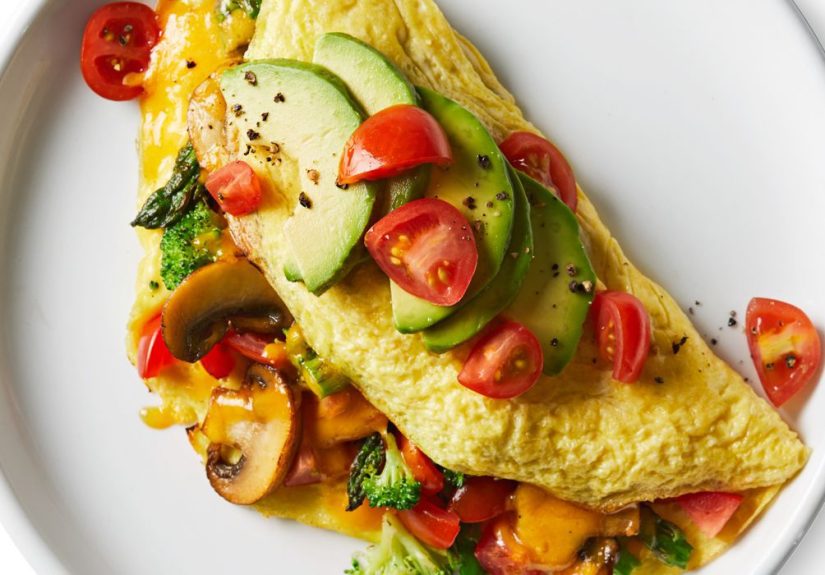
Enter the omelet for one recipe: fast, flexible, and fancy enough to make toast feel slightly underdressed.
With just a couple of eggs and a few smart moves, you can get a tender, fluffy omelet that folds like a dream and tastes like you paid a brunch markup.
This guide breaks down a dependable single serving omelet with pro-level technique, easy fillings, and troubleshooting for the most common omelet disasters
(we’ve all made “scrambled eggs with ambition”). You’ll also find flavor variations, timing tips, and a “choose-your-own-omelet” filling formulabecause one person deserves options.
Why an Omelet for One Works So Well
A one-person omelet is the sweet spot: enough eggs for a satisfying meal, not so many that you need a catering license. Plus, it’s naturally portion-friendly,
cooks in under 5 minutes, and uses what you already haveleftover veggies, a lonely slice of ham, or that cheese that’s been waiting patiently in the fridge.
Ingredients for a Classic Omelet for One
This recipe makes one 2-egg omeletclassic, foldable, and ready for your favorite fillings.
Base Ingredients
- 2 large eggs
- 1 tablespoon water (or milk, optionalsee notes below)
- 1/8 teaspoon kosher salt (about a pinch)
- Freshly ground black pepper, to taste
- 1 teaspoon butter (or 2 teaspoons neutral oil)
Optional Fillings (Choose 1–3)
- 2–3 tablespoons shredded cheese (cheddar, Swiss, mozzarella, pepper jack, feta)
- 2–4 tablespoons cooked vegetables (mushrooms, onions, spinach, peppers)
- 2–3 tablespoons cooked protein (ham, bacon, sausage, smoked salmon)
- 1 tablespoon fresh herbs (chives, parsley, dill, basil)
- 1–2 teaspoons pesto, salsa, or hot sauce
Water vs. Milk: Which Is Better?
For a fluffy omelet, a splash of water can help create a lighter texture because it turns to steam quickly. Milk can make the eggs a bit richer,
but too much may weigh them down. The truth: the best omelet comes from gentle heat and good timing more than any secret splash.
Equipment You’ll Want (No Fancy Stuff Required)
- 8-inch nonstick skillet (ideal size for a 2-egg omelet)
- Silicone spatula (gentle on your pan and your pride)
- Bowl + fork or whisk
- Plate
Omelet for One Recipe: Step-by-Step
Step 1: Prep your fillings first
Omelets cook fast. Like, “blink and it’s done” fast. If you’re sautéing onions or warming leftover veggies, do it before you start the eggs.
Cold fillings are fine, but wet fillings (like tomatoes or watery spinach) should be cooked and drained so your omelet doesn’t turn into a breakfast puddle.
Step 2: Beat the eggs like you mean it (but not forever)
Crack 2 eggs into a bowl. Add water (or milk), salt, and pepper. Whisk until the mixture looks uniform and slightly foamyabout 15–20 seconds.
You’re not trying to whip it into a meringue; you just want the whites and yolks fully combined for a tender, even cook.
Step 3: Heat the pan gently
Place your skillet over medium-low to medium heat. Add butter and swirl as it melts.
The butter should foam lightly, not brown aggressively. If it’s browning fast, your pan is too hotturn it down and give it a moment.
Step 4: Pour, then stir briefly
Pour the eggs into the pan. For the first 10–15 seconds, use your spatula to gently stir in small circles, pulling cooked egg from the edges toward the center.
This creates soft curds and helps the omelet set evenly. Once you see the bottom beginning to set, stop stirring.
Step 5: Smooth and let it set
Tilt the pan so uncooked egg flows to the edges, filling any gaps. Let the eggs cook undisturbed until the top is mostly set but still slightly glossyusually 45–75 seconds,
depending on your stove and pan.
Step 6: Add fillings, then fold
Sprinkle fillings over one half of the omelet. Using your spatula, fold the other half over the filling.
If you want a classic “envelope” fold, you can fold both sides inward, but a simple half-moon fold is the easiest and most reliable.
Step 7: Finish and slide onto a plate
Cook for another 15–30 seconds just to melt cheese and warm fillings. Then slide the omelet onto a plate.
If you like a fully set center, give it a few extra seconds. If you like it creamy, pull it sooner. Either way: you did it.
Filling Formula: How to Build the Best Single Serving Omelet
The biggest mistake is overstuffing. Two eggs can only hold so much “stuff” before it turns into an egg taco situation (delicious, but not an omelet).
Keep your total fillings to about 1/3 cup.
Great Combos to Try
- Classic Cheese: cheddar + chives
- Veggie Deluxe: sautéed mushrooms + spinach + Swiss
- Southwest: pepper jack + salsa + cooked peppers
- Mediterranean: feta + olives + oregano + spinach
- Breakfast Meat: ham + cheddar + green onions
- Smoked Salmon: cream cheese + dill + capers (light on capers!)
How to Make It Fluffy (Without Turning It Into Cake)
If you’re searching for a “fluffy omelet” moment, focus on technique:
- Whisk well to fully combine the eggs.
- Use medium-low heat so the eggs don’t toughen.
- Don’t overcook; eggs keep cooking after you plate them.
- Use butter for tenderness and better slide.
Common Omelet Problems (And How to Fix Them)
Problem: It sticks to the pan
Fix: Use a nonstick skillet in decent condition, preheat gently, and add enough fat (butter or oil). If the pan is too hot, eggs can grab and tear.
Also, don’t rush the flip/foldlet the bottom set first.
Problem: It turns brown
Fix: Lower your heat. Browning happens when the pan is too hot or the omelet sits too long.
A tender omelet is usually pale golden at mostthink “soft sunlight,” not “toasted marshmallow.”
Problem: It’s rubbery
Fix: Overcooking is the culprit. Pull the omelet when the top is just barely set and still slightly glossy.
The residual heat will finish the job. Also, keep the heat moderatehigh heat makes eggs tough fast.
Problem: Filling makes it watery
Fix: Cook and drain vegetables first (especially mushrooms, spinach, tomatoes, zucchini). Pat cooked veggies dry if needed.
For salsa or pesto, use a thin layer rather than a flood.
Problem: It breaks when folding
Fix: The eggs may be too set or too thin. Next time, fold while the top is still a bit soft.
And don’t overstuffyour omelet shouldn’t need structural engineering.
Variations for Your Omelet for One Recipe
French-Style Omelet (Soft and Tender)
Use low heat and more stirring early on. Aim for minimal browning and a soft interior. Skip heavy fillings; use herbs and a small amount of cheese.
It’s elegant, slightly dramatic, and pairs well with pretending you’re in a tiny Paris kitchen.
High-Protein Omelet
Add an extra egg white, or fill with lean protein like turkey, chicken, or cottage cheese. Keep the cook gentle so it stays tender.
Veggie-Packed Omelet
Sauté veggies first, then use them as fillings. For extra greens, add a small handful of spinach right on top of the eggs while they set
but only if it’s not dripping wet.
Dairy-Free Omelet
Use water instead of milk and oil instead of butter. Add avocado, salsa, herbs, or sautéed veggies for richness.
Serving Ideas: Make It a Meal
- Toast + fruit: the classic “I’m functional” plate.
- Hash browns or roasted potatoes: brunch energy at home.
- Side salad: yes, eggs can be lunch.
- Wrap it up: slide the omelet into a tortilla for a breakfast burrito shortcut.
Storage and Food Safety Notes
Omelets are best fresh, but leftovers can work. Cool quickly and refrigerate within 2 hours. Store in an airtight container and eat within 1–2 days for best texture.
Reheat gently in a skillet over low heat or in short microwave bursts so it doesn’t turn rubbery.
Omelet for One FAQ
Can I make this with 1 egg?
You can, but it’s more delicate and smaller. Use a smaller pan if possible and keep fillings minimal. Two eggs are easier to fold and more satisfying.
What pan size is best?
An 8-inch nonstick skillet is the gold standard for a 2-egg omelet. A 10-inch pan works, but the eggs will spread thinner and cook faster.
Should I add baking powder?
It’s not necessary. A good omelet gets its tenderness from proper heat control and timing. If you want more lift, whisk well and use a splash of water.
How do I keep cheese from clumping?
Use shredded cheese (or crumble it) and add it once the omelet is mostly set. That gives it time to melt without sinking into raw egg.
Personal Experiences: Omelet for One Lessons From Real Life
A good omelet for one recipe isn’t just foodit’s a tiny life skill you can repeat on autopilot, even on chaotic mornings. The first time I tried making a single serving omelet,
I treated the pan like it was in a hurry and the eggs like they owed me money. Result: a brown-edged disk that tasted like “stress.” The lesson? Eggs are sensitive.
If you cook them like you’re in a race, they’ll respond by turning tough. The moment I switched to medium-low heat and gave the butter time to melt calmly,
the omelet started acting like an omelet instead of a complaint.
Another memorable moment: the Great Overstuffing Incident. I had leftoversmushrooms, onions, spinach, cheeseand thought, “Why not use all of it?”
My omelet answered: “Because physics.” The fold failed, the filling escaped, and I ended up with scrambled eggs wearing a veggie scarf.
Still tasty, but not the neat half-moon I pictured. After that, I started measuring fillings like I’m packing a carry-on:
if it doesn’t fit easily, it doesn’t go. Now I stick to about 1/3 cup total and everything behaves.
I also learned that watery ingredients will betray you. Fresh tomatoes, for example, feel like a healthy, fresh choiceuntil they leak into the eggs and create
a soggy center. The fix was simple: sauté or drain anything that’s juicy, and use stronger flavors in smaller amounts. A spoon of salsa on top after cooking
gives the same vibe without turning your omelet into a slip-and-slide. Spinach taught the same lesson: cook it first, squeeze out moisture, then add it.
The most helpful habit I picked up is prepping the plate and fillings before the eggs hit the pan. Omelets don’t wait politely while you hunt for shredded cheese.
They keep cooking. Once I started setting everything within arm’s reachcheese ready, veggies warmed, plate nearbythe process felt smooth and almost relaxing.
That setup also made it easier to experiment: some mornings I keep it classic with cheddar and chives; other days I go Mediterranean with feta and olives,
or spicy with pepper jack and hot sauce. It feels like cooking, but it’s also kind of like customizing your breakfast character in a game.
Finally, there’s the confidence factor. Making an omelet for one is a small win you can repeat daily. It’s forgiving enough for beginners and deep enough
that you can keep improvinglearning the exact moment to fold, the best heat for your stove, the fillings that work with what you have.
And on days when everything else feels messy, a neatly folded omelet shows up like, “Hey, you’ve got this.” Even if your socks still don’t match.
Conclusion
A reliable omelet for one is one of the best “fast but impressive” meals you can master. Keep the heat gentle, prep fillings first,
don’t overstuff, and fold while the top is still slightly glossy. Once you’ve got the base technique down, you can turn two eggs into a different breakfast every day
from a simple cheese omelet to a veggie-packed, high-protein brunch plate.
If you take just one tip: cook slower than you think you need to. Eggs reward patience with tenderness, and your omelet will come out fluffy, foldable,
and exactly the right size for one lucky person.