Table of Contents >> Show >> Hide
- What Is Stress Incontinence?
- How Common Is Stress Incontinence and Who Gets It?
- What Actually Causes Stress Incontinence?
- Recognizing the Symptoms
- How Stress Incontinence Is Diagnosed
- Treatment Options for Stress Incontinence
- Living With Stress Incontinence: Emotional and Practical Tips
- Real-Life Experiences and Lessons Learned
- Key Takeaways
If you’ve ever laughed a little too hard, coughed in public, or tried to sprint for the bus and thought,
“Oh no… not now,” you’re not alone. That tiny (or not-so-tiny) leak of urine that shows up when your
bladder is under pressure is classic stress incontinence. It’s common, it’s treatable, and
it absolutely does not mean you just have to “live with it” as you get older.
In this overview, we’ll walk through what stress incontinence is, why it happens, how it’s diagnosed, and
the most effective treatment optionsfrom lifestyle changes and pelvic floor exercises to devices and
surgery. We’ll also talk about real-life experiences and practical tips so you can feel less alone and more
empowered to get help.
What Is Stress Incontinence?
Stress incontinence, more formally called stress urinary incontinence (SUI),
happens when urine leaks out because pressure inside your abdomen temporarily overwhelms the muscles and
tissues that normally keep the urethra closed. The “stress” here doesn’t mean emotional stressit refers to
physical stress or strain on your bladder and pelvic floor.
Typical triggers include:
- Coughing or sneezing
- Laughing
- Jumping, running, or high-impact exercise
- Lifting heavy objects
- Sudden changes in position (getting up quickly, bending over)
Stress incontinence is different from urge incontinence (also known as overactive bladder),
where you feel a sudden, overwhelming urge to urinate and may not reach the bathroom in time. Many people
actually have a mixed pattern with features of both types, which is why a careful evaluation is so
important.
How Common Is Stress Incontinence and Who Gets It?
Stress incontinence is one of the most common types of urinary incontinence, especially among women. Pregnancy,
vaginal childbirth, and menopause all put extra strain on the pelvic floor and can weaken the muscles and
connective tissues that support the urethra and bladder. But it isn’t just a “women’s issue”men can develop
stress incontinence too, particularly after prostate surgery.
Important risk factors include:
- Age: Muscles naturally lose strength and elasticity over time.
- Childbirth: Especially multiple deliveries or forceps/vacuum-assisted births.
- Menopause: Lower estrogen levels can affect pelvic tissues.
- Obesity: Extra weight increases pressure on the bladder and pelvic floor.
- Chronic coughing: From smoking, asthma, or lung disease.
- High-impact exercise or heavy lifting: Repeated strain over years.
- Pelvic or prostate surgery: Can weaken or damage the sphincter muscle.
None of these risk factors mean you’re destined to leak forever. They simply help explain why stress
incontinence shows up whenand in whomit does, and they guide your doctor in choosing the right treatment
plan.
What Actually Causes Stress Incontinence?
Pelvic Floor Muscle Weakness
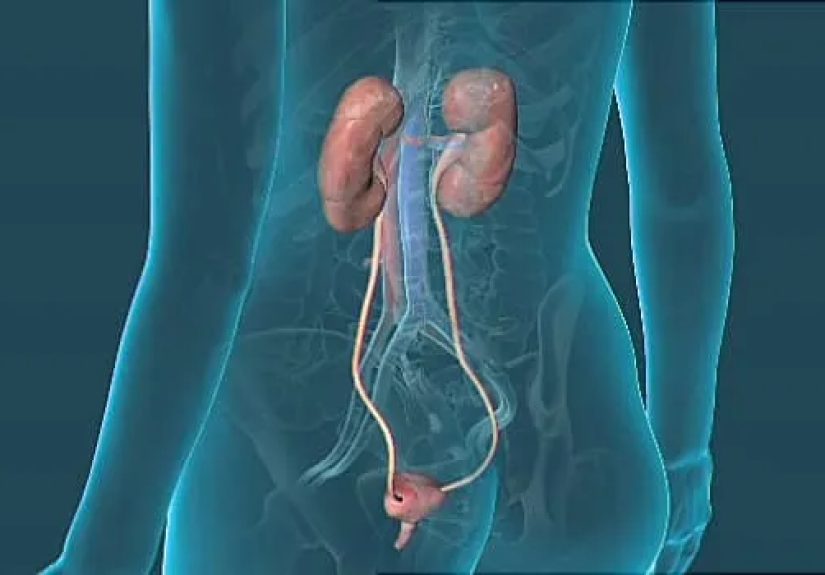
Your pelvic floor is a hammock of muscles and connective tissue that supports the bladder, uterus or prostate,
and bowel. When these muscles are strong and responsive, they help keep the urethra closed when pressure
inside the abdomen rises. When they’re stretched, weakened, or injuredby childbirth, aging, surgery, or
chronic strainthey can’t provide the same support, and urine can escape with everyday activities.
Urethral Sphincter Problems
At the exit of the bladder sits the urethral sphincter, a circular muscle that acts like a valve. If it becomes
damaged or doesn’t close tightly enough (a problem sometimes called intrinsic sphincter deficiency),
even a small increase in pressure can push urine through. This type of weakness is especially important in
some people after pelvic or prostate surgery.
Triggers That Tip the Balance
Everyday actions such as laughing, sneezing, or lifting create sudden pressure spikes inside the abdomen. If
that spike is stronger than the resistance from the pelvic floor and sphincter, you get leakage. The amount
may be just a few drops or enough to soak through clothing, and it might happen once a week or many times a
day.
Recognizing the Symptoms
The main symptom of stress incontinence is simple to describe but frustrating to live with: involuntary
leakage of urine during physical activity or exertion. People often say things like:
- “I leak when I laugh or cough.”
- “Jumping jacks are off the table.”
- “I avoid running or lifting because I’m afraid of accidents.”
- “I have to wear pads every time I leave the house ‘just in case.’”
Symptoms can range from rare, mild leaks only during high-intensity workouts to frequent, bothersome leakage
with minimal effort. Over time, stress incontinence can lead to:
- Embarrassment or social withdrawal
- Avoidance of physical activity or intimacy
- Skin irritation from constant moisture
- Worry about odor or visible stains
These quality-of-life effects are a big reason health professionals take stress incontinence seriouslythis
isn’t just about a few drops of urine; it’s about how comfortable and confident you feel in daily life.
How Stress Incontinence Is Diagnosed
Diagnosis usually starts with a conversation that’s more detailed than “I leak sometimes.” Your healthcare
professional will ask about when you leak, how much, what seems to trigger it, and how much it bothers you.
The goal is to confirm that your symptoms fit stress incontinence, rule out infections or other causes, and
decide whether you also have urge symptoms or another bladder problem.
What You Can Track Before the Visit
It can help to keep a brief bladder diary for a few days:
- When and how much you drink
- How often you urinate
- When leaks occur and what you were doing at the time
- Whether you felt an urge before leaking
This gives your clinician a clearer picture of patterns and triggers than memory alone.
Common Exams and Tests
Depending on your symptoms, your healthcare professional may recommend:
- Physical and pelvic exam: To assess pelvic floor strength, check for prolapse, and look for other issues.
- Urinalysis: To rule out infection or blood in the urine.
- Cough stress test: You may be asked to cough or bear down with a full bladder to see if leakage occurs.
- Post-void residual measurement: To see how completely your bladder empties.
- Urodynamic testing: More detailed pressure and flow studies, usually reserved for complex or surgical cases.
Not everyone needs every test. For many people, a good history and exam are enough to confirm stress
incontinence and start treatment.
Treatment Options for Stress Incontinence
The good news: stress incontinence is highly manageable. The best plan depends on your
anatomy, your health, how severe the leakage is, and how much it affects your life. Treatment usually starts
with conservative measures and may progress to procedures or surgery if symptoms remain bothersome.
Lifestyle and Behavior Changes
A few strategic changes can significantly reduce leakage and protect your pelvic floor:
- Weight management: Losing excess weight lowers pressure on the bladder and pelvic floor.
- Quit smoking: Smoking contributes to chronic cough and weakens connective tissue.
- Manage chronic cough and constipation: Treating these problems reduces repeated straining.
- Fluid and caffeine awareness: You may be advised to spread fluids throughout the day and cut back slightly on caffeine or carbonated drinks that irritate the bladder.
- Activity tweaks: For example, exhaling and gently tightening the pelvic floor during a heavy lift or jump.
Pelvic Floor Muscle Training (Kegels)
Pelvic floor exercisesoften called Kegelsare a first-line treatment for stress
incontinence. The idea is simple: strengthen the muscles that support your bladder and urethra so they can
better resist pressure.
Key points for success:
- Find the right muscles: It should feel like you’re gently lifting and squeezing around the urethra and anus, not clenching your abs or buttocks.
- Stay consistent: Most people need to do several sets a day for weeks to see improvement.
- Get expert help if needed: A pelvic floor physical therapist can use biofeedback or internal assessment to make sure you’re contracting the correct muscles and not overdoing it.
Many people notice improvement after four to six weeks of regular practice, with continued gains over a few
months. Pelvic floor training can also be used preventively during pregnancy or after surgery, under
professional guidance.
Supportive Devices
For people with vaginal anatomy, several devices can provide extra support to the urethra:
- Pessaries: Soft silicone devices worn in the vagina that lift and support the urethra and bladder neck.
- Urethral inserts or patches: Single-use devices that block leakage during activities like exercise.
- Absorbent pads and underwear: Not a treatment, but a helpful backup while other therapies are working.
These options are particularly useful if you want to avoid surgery, are still building strength with pelvic
floor exercises, or need extra security during sports or travel.
Medications
Unlike overactive bladder, there’s no widely used medication in the United States that directly and reliably
fixes stress incontinence. In some countries, a drug called duloxetine is used for SUI, but it is not approved
for this purpose in the U.S. Because of this, most treatment focuses on physical and procedural options
instead of pills.
Procedures and Surgery
If lifestyle changes and pelvic floor training aren’t enough, procedures can provide more durable support:
- Bulking agents: Material is injected around the urethra to help it close more tightly. This is usually done in an office or outpatient setting. Results may fade with time and sometimes need repeat treatments.
- Mid-urethral sling surgery: A small strip of mesh or tissue is placed under the urethra like a hammock to support it. This is one of the most commonly performed surgeries for female stress incontinence.
- Other sling procedures or suspensions: Alternatives exist using your own tissue or different surgical techniques, depending on your anatomy and surgeon’s expertise.
- Male slings and artificial urinary sphincters: For men, especially after prostate surgery, a sling or a small implanted cuff around the urethra can restore better control.
Surgery isn’t right for everyone, but for many people with moderate to severe stress incontinence, it can be
life-changing. A urologist or urogynecologist can explain the benefits, risks, and long-term expectations in
detail.
Living With Stress Incontinence: Emotional and Practical Tips
Leaking urine can feel embarrassing, but it’s far more common than most people realize. Because people rarely
talk about it openly, many assume they’re the only one wearing pads to workout class or planning their day
around bathroom access. You’re not. And more importantly, help exists.
A few everyday strategies can make life easier while you’re working on longer-term treatment:
- Plan ahead, but don’t avoid life: Knowing where restrooms are is fine; skipping every social event is not.
- Dress for confidence: Darker fabrics, layered outfits, and absorbent underwear can give you peace of mind.
- Talk to your healthcare professional early: The sooner you bring it up, the sooner you can start improving things.
- Consider support groups or online communities: Hearing others’ stories can normalize your experience.
Addressing stress incontinence is not “vain” or “overreacting.” It’s about protecting your quality of life,
your social connections, your mental health, and your ability to move freely in your own body.
Real-Life Experiences and Lessons Learned
To better understand what stress incontinence looks like in day-to-day life, imagine two composite characters
we’ll call Lisa and Mark. Their stories are drawn from common experiences that people share in clinics and
support groups.
Lisa is a 42-year-old mother of two who loves group fitness classes. After her second
vaginal delivery, she started noticing small leaks when she did jump squats or sprints. At first she brushed
it off, but eventually she found herself standing in the back of the class, skipping any move that involved
impact. She always kept a sweatshirt tied around her waist “just in case,” and she started declining plans to
try new workout studios with friends.
One day, a trainer casually mentioned pelvic floor physical therapy and reassured her that leaks during
exercise were common but not “just what happens when you have kids.” Lisa talked to her primary care clinician,
who confirmed stress incontinence and referred her to a pelvic floor therapist. Within a few months of focused
pelvic floor training and a bit of weight loss, she could do most of the moves again without fear. She still
wears a thin pad on high-impact days, but the sweatshirt now lives in her gym bag instead of around her waist.
Mark is a 67-year-old retiree who had surgery for prostate cancer. The cancer was treated
successfully, but afterward he noticed leaks when he coughed or lifted his grandchildren. He felt embarrassed
and worried that people would smell urine, so he started avoiding long car rides and golf outings. For a
while, he quietly bought pads at the pharmacy and made jokes to cover his discomfort.
At a routine follow-up, his urologist asked about bladder control, and Mark finally admitted how much it was
bothering him. The doctor explained that stress incontinence is common after prostate surgery and walked him
through several options: pelvic floor therapy, a male sling, and an artificial urinary sphincter. Mark started
with physical therapy and lifestyle changes, then eventually opted for a sling procedure. His leakage improved
dramatically, and he went back to golfing without constantly scanning for the nearest restroom.
From stories like Lisa’s and Mark’s, a few themes appear again and again:
- Talking about it is the turning point. The hardest step is often the first honest conversation with a healthcare professional. After that, the problem becomes something you and your care team tackle together.
- Small changes add up. Learning how to contract the pelvic floor while coughing, changing how you lift, or adjusting exercise routines can dramatically reduce leaks.
- Time and practice matter. Pelvic floor muscles don’t transform overnight. Improvements often come gradually over weeks to months.
- There’s more than one “right” solution. Some people do well with exercises and lifestyle changes alone. Others benefit from devices or surgery. The “best” treatment is the one that fits your body, your values, and your goals.
Perhaps the most important takeaway from these experiences is that stress incontinence is not a personal
failing. It’s a mechanical, medical issue with many evidence-based ways to improve it. You deserve to laugh,
move, and live without constantly worrying what your bladder will do next.
Key Takeaways
- Stress incontinence is urine leakage triggered by physical activities that increase abdominal pressure, not emotional stress.
- It’s common in women (especially after childbirth and around menopause) and can occur in men, often after prostate surgery.
- Evaluation focuses on your symptoms, exam findings, and sometimes bladder testing to distinguish stress incontinence from other types.
- Treatment ranges from lifestyle changes and pelvic floor exercises to devices, bulking agents, and sling or sphincter surgeries.
- Most importantly, stress incontinence is treatable. You don’t have to simply “put up with it.”