Table of Contents >> Show >> Hide
- What Exactly Is Alternaria Mold?
- Why Is Alternaria Mold Considered Dangerous?
- Common Health Symptoms Linked to Alternaria Mold
- Where Alternaria Mold Hides in and Around Your Home
- How to Tell If It’s Alternaria Mold
- Safe Cleanup: What You Can Do Yourself (and When to Call Pros)
- How to Prevent Alternaria Mold from Coming Back
- When to Talk to a Doctor About Alternaria Mold Exposure
- Bottom Line: Alternaria Mold Is Common But You’re Not Powerless
- Real-Life Experiences with Alternaria Mold: What It’s Really Like
If you’ve ever pulled back a piece of damp drywall and seen dark, fuzzy patches staring back at you, there’s a good chance you’ve already “met” Alternaria mold. It’s common, it’s sneaky, and for some people, it can be genuinely dangerous especially if you have allergies, asthma, or a weakened immune system. Before you imagine your home turning into a science experiment, let’s walk through what Alternaria mold is, why it matters, and what you can realistically do about it.
What Exactly Is Alternaria Mold?
Alternaria is a large group (genus) of molds with more than 300 known species. One of the most common, Alternaria alternata, shows up in both outdoor and indoor environments. Outdoors, it lives quite happily on soil, plants, decaying leaves, and crops. Indoors, it can settle into damp building materials and fabrics after leaks, condensation, or flooding.
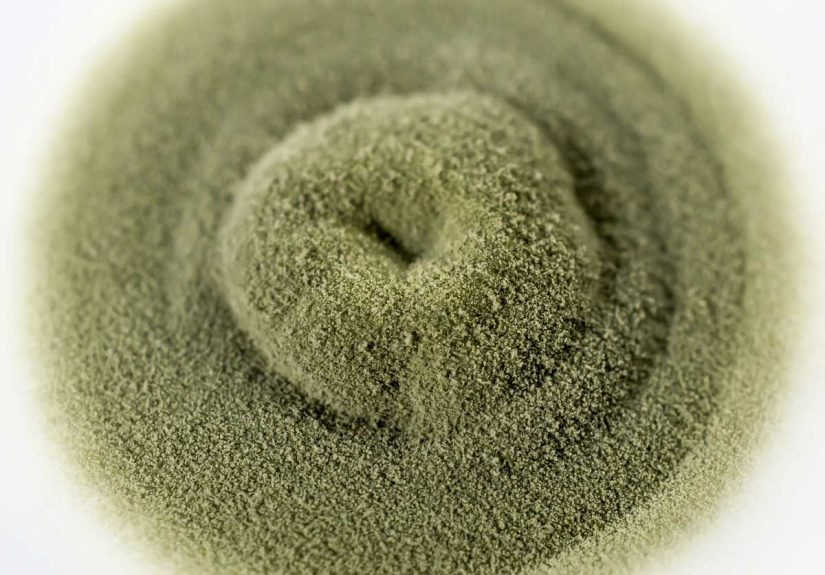
Visually, Alternaria mold usually appears as dark green, brown, or black patches with a fuzzy or velvety texture. On plants, you might see small dark lesions or spots on leaves and stems. Inside your home, it tends to show up on:
- Damp drywall and wallpaper
- Carpets and padding, especially after water damage
- Window frames and sills where condensation collects
- Ceilings near roof leaks
- Textiles and upholstery in humid rooms
Alternaria thrives in moderate temperatures (around 68–77°F / 20–25°C) but can survive in a broader range, which is one reason it’s so widespread.
Why Is Alternaria Mold Considered Dangerous?
On one level, Alternaria is just another mold doing what molds do breaking down organic material. The problem is what happens when its spores become airborne and you breathe them in.
A major trigger for allergies and asthma
Alternaria is one of the best-studied molds when it comes to respiratory allergies. Sensitization (developing an allergy) to Alternaria alternata is linked to allergic rhinitis (hay fever) and asthma, and it’s considered a strong risk factor for more severe asthma in some people.
Studies in children have shown that living in homes with high levels of Alternaria and other molds early in life can more than double the risk of developing asthma by school age, especially in kids who are already genetically prone to allergies.
Who is most at risk?
Alternaria mold is a bigger deal for certain groups, including:
- People with asthma, especially if it’s poorly controlled
- Anyone with known mold or seasonal allergies
- Children, who tend to spend more time indoors and have developing lungs
- Older adults and people with chronic lung conditions (like COPD)
- People with weakened immune systems (for example, due to cancer treatment, organ transplant, or certain illnesses)
For these individuals, exposure can cause more intense symptoms and, in rare cases, lead to deeper infections like sinusitis or lung infections.
Common Health Symptoms Linked to Alternaria Mold
Because Alternaria is just one of many molds in the environment, it’s nearly impossible to say, “That symptom is 100% Alternaria.” However, we know that mold exposure in general and Alternaria in particular can trigger a familiar set of issues.
Allergic symptoms
If you’re allergic or sensitized, inhaling Alternaria spores can cause classic allergy or hay fever–type symptoms, such as:
- Sneezing and nasal congestion
- Runny or stuffy nose
- Itchy, red, or watery eyes
- Itchy nose, mouth, or throat
- Postnasal drip and sore throat
- Skin rashes or itchy skin
Asthma and breathing problems
For people with asthma, Alternaria spores can be powerful triggers. Exposure may cause:
- Coughing and wheezing
- Chest tightness or pain
- Shortness of breath or difficulty catching your breath
- Nighttime or early morning asthma symptoms
In sensitized individuals, higher exposure levels have been linked with more severe asthma attacks and worse overall asthma control.
High-risk situations
Symptoms often flare in homes with:
- Visible mold patches, especially near sleeping areas
- Past flooding, roof leaks, or plumbing leaks
- Chronic humidity issues (like steamy bathrooms with no exhaust fan)
- Musty odors, even if you don’t immediately see mold
If you suspect mold is making your symptoms worse, it’s worth bringing this up with your healthcare provider. Allergy testing (skin or blood tests) can sometimes identify whether Alternaria is one of your triggers.
Where Alternaria Mold Hides in and Around Your Home
Alternaria is a bit of an opportunist. Give it moisture and something organic to feed on, and it will do the rest. Indoors, it’s often found in:
- Bathrooms: around tubs, showers, tiles, and on damp walls or ceilings
- Windows: on frames, sills, and surrounding walls with frequent condensation
- Basements and crawl spaces: especially if they’re poorly ventilated or have a history of dampness
- Kitchens and laundry areas: under sinks, behind appliances, or near leaking pipes
- Carpets and soft furnishings: especially after spills, leaks, or flooding
- Plants and potting soil: particularly in homes with lots of indoor greenery and overwatering
Its presence indoors often signals underlying moisture problems, such as hidden leaks or poor ventilation. That means cleaning the mold is only half the job the other half is solving the moisture issue that allowed it to move in.
How to Tell If It’s Alternaria Mold
Here’s the tricky part: visually, different mold species can look very similar. Alternaria often appears as dark, speckled, or patchy growth with a fuzzy surface, but you can’t reliably ID it just by staring at it from across the room.
If you need to know exactly what you’re dealing with for example, because a family member has severe asthma or you’re addressing a large contamination you may consider:
- Professional mold inspection and testing: Indoor air quality specialists or industrial hygienists can collect air or surface samples and send them to a lab.
- Targeted allergen testing: Specialized labs can measure Alternaria allergen levels in dust or air samples, which may help in high-risk homes.
However, for most homeowners, the recommended approach is more practical: if you see or smell mold, assume it’s a problem and address it rather than trying to negotiate with it by Latin name.
Safe Cleanup: What You Can Do Yourself (and When to Call Pros)
Good news: not every patch of Alternaria mold requires a hazmat team and a six-figure budget. But how you clean it matters both for your health and for preventing it from spreading.
General safety tips
Public health agencies emphasize a few key principles for mold cleanup:
- Fix the water or moisture problem first (leak, condensation, flooding).
- Work in a well-ventilated area.
- Wear protective gear: non-porous gloves, goggles, and at least an N95 respirator.
- Avoid dry brushing or aggressive sanding that kicks spores into the air.
Cleaning small areas of Alternaria mold
For small patches on hard, non-porous surfaces (like tile, glass, or metal), you can usually manage cleanup yourself:
- Prepare a detergent and water solution or a household cleaner labeled for mold and mildew.
- Scrub the mold off the surface thoroughly.
- Rinse if needed and dry the surface completely.
- Dispose of used rags or sponges in sealed bags.
Porous materials (like ceiling tiles, drywall, carpets, and some insulation) are another story. Once mold grows into them, it can be extremely difficult to remove. Often, the safest and most effective option is to remove and discard the contaminated materials and replace them.
When professional remediation is the better option
Call in a qualified mold remediation professional if:
- The affected area is large (for example, covering more than a few square feet or multiple rooms).
- There has been major flooding or long-term water damage.
- You can’t locate the source of moisture but mold keeps coming back.
- Someone in your home has severe asthma, chronic lung disease, or a compromised immune system.
Professionals can contain the area, use appropriate filtration, safely remove contaminated materials, and ensure the space dries properly before reconstruction.
How to Prevent Alternaria Mold from Coming Back
Think of mold prevention as a moisture management project with a side of good housekeeping. The basic principles are simple, but they make a big difference over time.
Control moisture and humidity
- Fix roof, window, and plumbing leaks promptly.
- Use exhaust fans in bathrooms, kitchens, and laundry rooms.
- Keep indoor humidity ideally below about 50% (a dehumidifier can help in damp areas).
- Dry wet materials (carpets, furniture, building materials) within 24–48 hours after a spill or minor flooding.
Improve airflow and housekeeping
- Move furniture slightly away from exterior walls to allow air circulation.
- Clean and dust regularly, including less glamorous spots like window sills and baseboards.
- Avoid overwatering houseplants and consider using saucers so moisture doesn’t sit directly on surfaces.
- Use mold-resistant paint or materials in moisture-prone areas if you’re renovating.
Pay attention after storms or leaks
After heavy rain, storms, or plumbing mishaps, do a quick “mold patrol” around your home. Catching moisture early is the single most effective way to prevent Alternaria and other molds from settling in.
When to Talk to a Doctor About Alternaria Mold Exposure
If you suspect that mold including Alternaria is making you feel worse, it’s worth involving a healthcare professional, especially if you notice:
- Worsening asthma or increased use of rescue inhalers
- Persistent cough, wheezing, or shortness of breath
- Allergy symptoms that flare up at home but improve when you’re away
- Frequent sinus infections or chronic nasal congestion
Your provider may recommend allergy testing, adjust your asthma or allergy medications, or suggest steps to reduce exposure at home. If symptoms are severe, they may also recommend temporary relocation until mold problems are properly handled.
Bottom Line: Alternaria Mold Is Common But You’re Not Powerless
Alternaria mold is widespread in the environment, and a little outdoor exposure is basically unavoidable mold spores are simply part of the air we breathe. Problems arise when high levels of mold grow indoors, especially in the places where you sleep, work, and relax.
The good news is that the same core strategies that protect you from “dangerous mold” in general also apply to Alternaria: control moisture, clean up growth safely, remove contaminated materials when necessary, and protect vulnerable family members. With a bit of vigilance and some practical steps, you can make your home a much less friendly place for mold and a much healthier place for you.
Real-Life Experiences with Alternaria Mold: What It’s Really Like
It’s one thing to read about Alternaria mold in medical journals and government guides. It’s another thing to realize that the weird dark patch above your shower has been quietly ruining your sleep and your sinuses for months. To make this more tangible, here are a few composite “experiences” based on common real-world scenarios people report when dealing with mold like Alternaria.
The “mystery allergies” that weren’t so mysterious
Picture a family in a modest two-bedroom home. Over the past year, their youngest child has developed what everyone called “seasonal allergies.” Runny nose, itchy eyes, a nagging cough that always seems worse at night the usual suspects. The pediatrician adjusts allergy meds a few times, but the symptoms never completely go away.
One day, after another night of coughing, the parent finally drags a step stool into the child’s room and takes a close look at the corner of the ceiling. There, just above the window where condensation forms every winter, is a cluster of dark, fuzzy spots. A bit more investigation reveals the same type of growth behind a curtain and along the window frame. Once those areas are professionally cleaned, the old drafty window is replaced, and a dehumidifier is added, something surprising happens: the “seasonal allergies” ease up and the nighttime coughing almost disappears.
Was Alternaria the only trigger? Probably not allergies usually have multiple causes. But reducing mold exposure tipped the scale in the child’s favor. For many families, that combination of leak repair, cleanup, and better ventilation ends up making a bigger difference than one more prescription.
The homeowner dealing with “just a little leak”
Another common experience starts with a slow under-sink leak. It’s the kind you might ignore for a while: a small drip here and there, a slightly warped cabinet floor, maybe a faint musty smell if you stick your head inside. Over time, that damp, dark cabinet becomes prime real estate for mold, including Alternaria.
The homeowner notices they’ve started waking up congested and develops a stubborn cough. They also can’t shake a low-grade headache. Only when they pull everything out from under the sink and see dark staining and fuzz on the wood and the back wall do they realize how long the leak has been feeding mold growth. In this scenario, the solution isn’t just “wipe and move on” the damaged cabinet floor and part of the wall may need to be cut out, the area dried thoroughly, and the plumbing repaired.
Once the moisture source is fixed and the mold-damaged materials are removed, the air in the kitchen feels less heavy, the musty smell fades, and the homeowner notices they’re not going through tissues nearly as fast. It’s a good reminder that “small” water problems can have outsized effects on your indoor air quality if they’re left alone long enough.
Living with asthma in a mold-prone home
For people with asthma, dealing with Alternaria can be especially stressful. Imagine an adult who’s had mild, mostly controlled asthma for years. They move into a basement apartment because it’s affordable and close to work. Within a few months, their inhaler use doubles. They wake at night wheezing, and their rescue inhaler suddenly becomes a constant companion.
They eventually notice dark patches near a basement window, along a wall that backs up to a garden bed, and behind a piece of furniture. The landlord has the visible mold cleaned and the walls repainted, which helps temporarily but the real game-changer comes when exterior drainage is improved, the garden bed is pulled back from the foundation, and a dehumidifier is installed to keep the basement’s humidity down. Asthma symptoms ease, sleep improves, and the person finally feels like their lungs belong to them again.
These kinds of experiences highlight a key point: you don’t need to be terrified of every mold spore in the world, but you also don’t have to accept chronic symptoms as your “new normal.” Noticing patterns when symptoms get worse, where smells or dampness show up, how your home behaves after rain often points you toward simple but powerful changes that make life with mold-sensitive lungs much more manageable.
In the end, dealing with Alternaria mold is less about chasing perfection and more about stacking small wins: fix the leak, run the fan, dry things quickly, keep an eye on humidity, and don’t ignore the weird fuzzy patch in the corner. Your lungs, your sinuses, and your future self will all be grateful.