Table of Contents >> Show >> Hide
- What Are Accent Stones, Exactly?
- Why Use Accent Stones in the Garden?
- Planning Your Accent Stone Design
- Practical Ways to Use Accent Stones
- Step-by-Step: Installing Accent Stones the Smart Way
- Common Mistakes When Using Accent Stones
- Real-Life Experiences: What Using Accent Stones Is Really Like
- Conclusion
If you’ve ever looked at your yard and thought, “This could use a little… drama,” accent stones are your new favorite garden tool. Small or large, polished or rugged, decorative stones can frame flower beds, edge pathways, solve drainage issues, and turn a plain patch of soil into something that looks suspiciously like a professionally designed landscape.
Landscape pros love accent stones because they’re durable, low-maintenance, and versatile enough to work with almost any garden stylefrom modern minimal to cottage-core chaos. Used thoughtfully, they add texture, color contrast, and year-round structure that plants alone can’t always provide.
This guide walks you through how to use accent stones in a garden: choosing the right rock, planning your layout, installing stones so they actually stay put, and avoiding the classic “I just dumped a pile of gravel and now I regret everything” mistakes.
What Are Accent Stones, Exactly?
“Accent stones” is a catch-all term for decorative rocks used to highlight areas of a landscape rather than cover the entire yard. They’re the supporting cast that makes your plants, pathways, and focal points look more intentional.
Common Types of Accent Stones
- River rock: Smooth, rounded stones that come in grays, tans, and mixed colors. Great for dry creek beds, around downspouts, and as a soft-looking mulch alternative.
- Pea gravel: Small, rounded stones about the size of peas. Perfect for informal paths, between stepping stones, or around seating areas.
- Crushed stone / crushed granite: Angular pieces that lock together and create a firm surfaceideal for pathways and patios that need stability.
- Flagstone: Flat stones used for stepping stones, patios, and garden paths.
- Cobbles and fieldstone: Chunkier stones used for edging beds, framing trees, or building low retaining walls.
- Boulders: Large accent rocks that act as sculptural focal points in the garden.
You don’t need every type under the sun. Most designers recommend picking just two or three kinds that contrast in size and color so your garden feels curated, not chaotic.
Why Use Accent Stones in the Garden?
1. Low-Maintenance and Water-Wise
Accent stones don’t wilt, don’t need pruning, and don’t complain about drought. They’re ideal for hot, dry spots, tough slopes, or areas where grass refuses to grow. Rock gardens and stone-heavy borders also pair beautifully with drought-tolerant plants and succulents, cutting down your watering workload.
2. Define Borders and Create Structure
Stones make clean, natural-looking edges between lawn and beds. A simple line of cobbles or fieldstone instantly tidies up the boundary and keeps mulch from washing into the grass. Landscape companies note that stone borders are one of the most popular ways to make a yard look more organized and “finished.”
3. Add Texture, Color, and Four-Season Interest
When your perennials die back in winter, your stones stick around. Mix sizes and colorssay, pale gray river rock with a few warm-toned bouldersto add depth and contrast to foliage and flowers. Decorative stone can also echo materials used in your house, such as brick or natural stone veneer, tying everything together visually.
4. Help With Drainage and Erosion
Dry creek beds made of river rock can guide water away from foundations, prevent soggy spots in the lawn, and slow erosion on sloped sites. Stones don’t replace proper grading and drainage, but they make those systems more attractive (and more obvious to the eye).
Planning Your Accent Stone Design
Before you order two tons of beautiful rock and realize you have nowhere to put it, take a beat to plan.
Study Your Site
- Notice sun and shade patterns.
- Look for drainage issues, bare spots, or eroding slopes.
- Pay attention to where you naturally walkthose may want a stone path or stepping stones.
Snap a few photos and sketch over them, or use simple graph paper to play with ideas for rock borders, pathways, and focal points.
Match the Stone to Your Garden Style
- Modern or contemporary: Choose clean, consistent stone sizes (like black or gray gravel) and simple lines.
- Cottage or informal: Mix rounded river rock with natural fieldstone edges and lush plantings.
- Zen or minimalist: Use a restrained color palette, carefully placed boulders, and raked gravel or sand.
Choose Color and Size Intentionally
Consider how the stone looks wet versus dry, how it contrasts with your house color, and whether it will glare in bright sun. Many pros suggest limiting yourself to 2–3 types of rock: one for main coverage (like pea gravel), one for borders (cobbles or larger stone), and maybe one for focal points (a boulder or special accent stone).
Practical Ways to Use Accent Stones
1. Stone Borders and Edging
Stone edging gives flower beds a crisp outline and keeps soil, mulch, and decorative rock from spilling onto pathways and lawn.
Basic method:
- Mark the edge of your bed with a hose or spray paint.
- Dig a shallow trench along the line, about as wide as your stones and deep enough so they’ll sit slightly above soil level.
- Add a thin base of compacted sand or fine gravel to help with leveling.
- Set stones snugly together, checking periodically with a level.
- Backfill soil or mulch against the inside of the stones so they look naturally “settled in.”
This works with everything from chunky fieldstone to uniform cobbles and small boulders.
2. Pathways and Stepping Stones
Accent stones are perfect for garden pathsboth formal walkways and casual “shortcut” trails between beds.
For a comfortable, long-lasting gravel path, pros recommend:
- Excavating several inches of soil.
- Adding 4–6 inches of compacted base material (crushed stone).
- Topping with 2–3 inches of decorative gravel.
- Containing the path with edging stones, metal edging, or brick to keep the gravel from wandering into your beds.
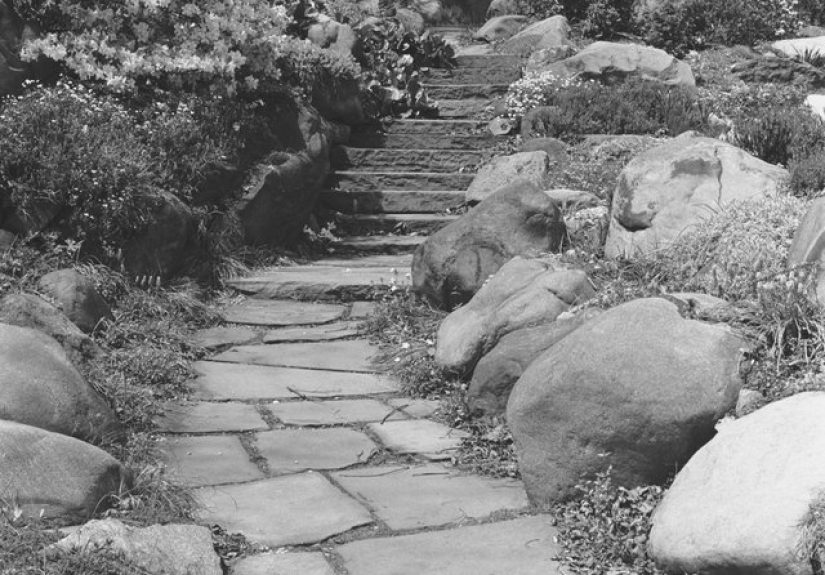
For stepping-stone paths, set flat stones into soil or into a gravel bed so the tops sit nearly level with the surrounding groundeasier on ankles and lawn mowers.
3. Rock Gardens and Slopes
Rock gardens are essentially mini-landscapes built around stones and drought-tolerant plants. They’re great for slopes, tough soil, and spots where grass fails.
Key tips from garden designers:
- Vary stone sizes for a natural lookmix large anchor rocks with smaller stones and gravel.
- Sink big rocks slightly into the soil so they look “rooted,” not perched on top.
- Use a sandy or gritty soil mix so water drains quickly around rock-garden plants.
- Plant low-growing sedums, thyme, small ornamental grasses, and alpine perennials among the stones.
4. Dry Creek Beds and Drainage Features
A dry creek bed is a shallow, stone-lined channel that looks like a natural streambed when dry and carries water during storms. Homeowners use them to redirect runoff, prevent erosion, and turn a problem area into a focal point.
Typical components include:
- A gently curving trench that slopes away from structures.
- Landscape fabric to discourage weeds.
- Larger stones along the edges for structure and “banks.”
- Smaller river rock in the center to suggest flowing water.
- Accent boulders and moisture-tolerant plants along the sides.
5. Focal Boulders and Garden Art
Sometimes you don’t need a whole bed of rockyou just need one really great stone.
- Feature boulders: Designers often place a single large boulder or a small cluster to anchor a planting bed or mark an entry.
- Stone mosaics: Pebble mosaics or mixed-stone patterns in a patio or path add a custom, artistic touch.
- House-number or engraved stones: A boulder near the driveway can double as an address sign or personalized feature.
Step-by-Step: Installing Accent Stones the Smart Way
Whether you’re creating a border, path, or rock-filled bed, the basic installation steps are similar.
1. Mark and Measure
Lay out your design with a hose, stakes and string, or marking paint. Measure the length, width, and approximate depth so you can calculate how much stone you need. (Most rock suppliers have calculators for this.)
2. Dig and Grade
Remove grass, roots, and debris from the area. For paths and rock-heavy beds, dig down a few inches to make room for base material and stones, keeping a gentle slope away from structures to prevent water pooling.
3. Add Base and Underlayment
For paths, patios, or any area that will be walked on regularly, add compacted crushed stone as a base so your accent gravel doesn’t sink into the soil over time. In beds and dry creek beds, many homeowners put down permeable landscape fabric to discourage weeds while still allowing water to pass through.
4. Place Large Stones First
Start with the “big characters”boulders, edging stones, and large accent rocks. Set them partly into the soil or base so they feel embedded, not just sprinkled on top. Rotate each stone to find its most natural-looking face.
5. Fill With Smaller Stones
Once your main stones are placed, add river rock, pea gravel, or crushed stone around them. Rake it smooth, keeping a consistent depth (usually 2–3 inches for small stones, deeper if you’re using larger rock).
6. Plant Around the Stones
Cut openings in the fabric (if used) and plant in pockets between rocks. Choose plants that match your conditionsdrought-tolerant where it’s dry, moisture lovers where runoff flows. Garden pros recommend pairing river rock with ornamental grasses, coneflowers, sedum, and other low-maintenance perennials.
7. Maintain and Refresh
Even a rock-heavy garden needs occasional care. Rake gravel back into place if it migrates, pull the occasional weed, and top off areas where stones have settled. The good news: compared to weeding an entire lawn or annual bed, this is pretty light duty.
Common Mistakes When Using Accent Stones
Mixing Too Many Stone Types
It’s tempting to bring home every pretty rock you see, but using too many colors, shapes, and sizes can make your yard look cluttered. Stick to a simple palette and repeat materials in different areas for a cohesive look.
Skipping Edging and Containment
Loose gravel, especially smooth pea gravel, loves to wander into lawns and onto patios. Experts strongly recommend some kind of edgingstones, metal, brick, or concreteto keep rock contained and safe to walk on.
Using the Wrong Stone for the Job
Smooth, round stones are beautiful but not ideal where you need a firm walking surface. Rough, angular gravel compacts better for paths and driveways. Save the river rock for dry creek beds, around plants, and as decorative mulch in beds.
Ignoring Trees and Debris
Putting light-colored gravel directly under a messy tree might sound good in theoryuntil leaves, seed pods, and needles start raining down. Garden writers note that gravel under debris-prone trees quickly becomes hard to clean. Either choose a darker, more forgiving stone or use mulch in those spots instead.
Real-Life Experiences: What Using Accent Stones Is Really Like
On paper, accent stones sound like a magic fix. In real gardens, they’re still fantasticbut a few lessons come only with experience (or by learning from someone else’s blisters).
1. Start smaller than you think. The number one comment from homeowners after their first rock delivery? “Wow, that’s a lot of rock.” A single cubic yard of stone can weigh more than a ton and cover a surprising amount of space. If you’re unsure, start with a test arealike a border or a small dry creek bedand see how it feels before committing the entire yard.
2. Wheelbarrow logistics are real. Moving rock is less about brute strength and more about strategy. Plan the shortest route between your delivery spot and the garden areas. Lay down plywood paths across soft lawn so the wheelbarrow doesn’t sink. Work in layers: place your largest stones first, then do passes with the smaller rock so you’re not constantly raking around huge boulders.
3. Stone color changes with light and water. Many people are surprised by how different their stones look in full sun, shade, or after rain. A pale gravel that seemed subtle at the stone yard may glare like a spotlight in midday sun, while darker river rock can almost disappear in deep shade. If possible, look at stone samples in your yard at different times of day and after they’ve been hosed down before you commit.
4. Kids and pets will absolutely “rearrange” things. If your yard sees a lot of little feet or paws, expect some level of rock migration. Narrow gravel paths tend to hold up better than wide, open gravel areas. Heavier, larger stones (like cobbles and small boulders) stay put better than pea gravel alone. Some families intentionally include a “rock play” area where kids can stack and sort stones so the rest of the landscape stays more intact.
5. Weeds aren’t gone foreverbut they’re more manageable. A rock garden or dry creek bed doesn’t magically eliminate weeds, but it changes how you deal with them. With a good underlayment and a few inches of rock, most weeds can only root in windblown soil that settles between stones. The upside is that they’re usually shallow and pull out easily by hand, especially if you keep up with them a couple of times a season.
6. Accent stones shine when they’re part of a bigger story. Some of the most successful projects don’t treat stones as a separate “feature,” but as a connecting thread: edging along a bed that transitions into a gravel path, which widens into a small seating area with a boulder backdrop. When you repeat the same stone types in a few places, your yard looks more intentional, even if you tackled it in weekend-sized projects over several years.
7. They age wellif you let them. One of the quiet joys of using accent stones is watching them settle into the garden over time. Moss may soften the tops of boulders in shady corners, thyme may spill over the edges of rock borders, and sedums might tuck themselves into gravel crevices. Instead of fighting that, lean into it: the combination of hard stone and soft plant growth is exactly what makes stone-based gardens feel so natural and inviting.
In short, accent stones aren’t just about filling space. They’re about shaping spaceguiding the eye, managing water, framing plants, and giving your garden a sense of permanence. Thoughtfully placed, they turn “some plants in the yard” into a landscape that feels designed, lived in, and uniquely yours.
Conclusion
Accent stones are one of the most powerfuland forgivingtools you can use in a garden. They define garden beds, stabilize slopes, create welcoming pathways, and solve practical drainage and maintenance problems, all while making your yard look more polished. By choosing the right types of stone, planning a simple layout, installing them over a proper base, and learning from a few common mistakes, you can enjoy a landscape that looks good in every season and doesn’t demand constant attention.
Start with one area, keep your material palette simple, and let your stones and plants share the spotlight. Your future selfaka the one not mowing every square inch of the yardwill be very grateful.
SEO JSON