Table of Contents >> Show >> Hide
- Quick Definitions (So We’re Speaking the Same Design Language)
- The Big Differences at a Glance
- Valances: The Friendly, Flexible Window Topper
- Swags: Soft Drama (With a Side of Old-School Glam)
- Cornices: The Crisp, Custom-Looking Heavyweight
- How to Choose Between Valances, Swags, and Cornices
- Measuring and Placement: The Part People Skip (Then Regret)
- Best Pairings With Other Window Treatments
- Conclusion
- Real-World Experiences That Make the Differences Click (About )
Window treatments have a way of turning a perfectly nice room into either a magazine spread… or a space that looks like it’s wearing mismatched socks.
If you’ve ever stared at a “valance,” “swag,” and “cornice” and thought, These all look like window hatswhy are there three names?
you’re in the right place.
Here’s the quick promise: by the end of this guide, you’ll know exactly what each one is, how they’re built, what vibe they give off, and which one
makes sense for your room (and your tolerance for dusting).
Quick Definitions (So We’re Speaking the Same Design Language)
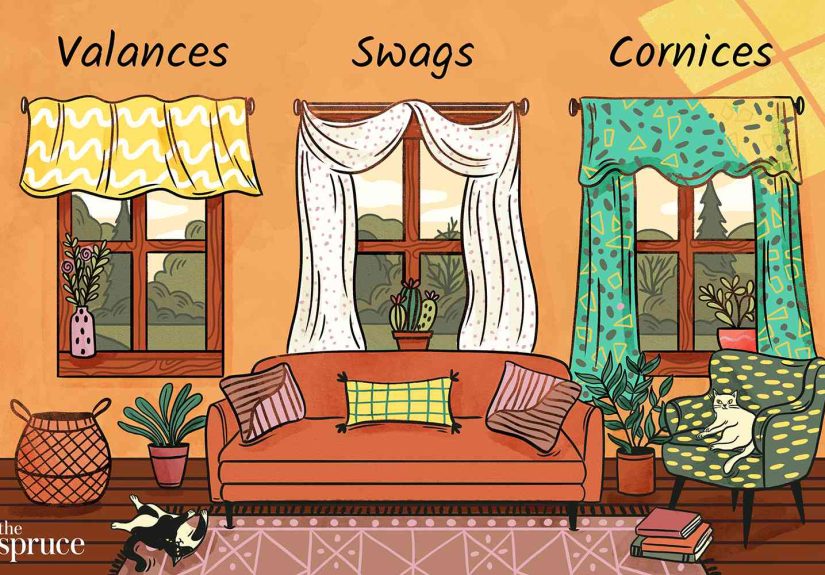
Valance
A valance is a short window treatment that runs across the top of the window. It’s typically fabric, and it’s often used to hide
hardware (like curtain rods or shade headrails) while adding color, softness, and a finished look.
Swag
A swag is fabric draped in a curve (think: a gentle “smile” across the top of the window), often with the ends hanging down. Swags are
mostly decorativeless “privacy,” more “romance novel cover, but tasteful.”
Cornice
A cornice is a structured, box-like topper mounted above the window. It usually has a wood or MDF frame and may be upholstered with
fabric. Cornices hide hardware extremely well and add crisp architectural presencelike your window decided to put on a blazer.
The Big Differences at a Glance
1) Structure: Soft vs. Draped vs. Built
- Valances are usually soft fabric and can be simple or tailored.
- Swags are draped fabric arranged into curves and cascades.
- Cornices are rigid, boxy frames (often upholstered or painted/stained).
2) Style “Mood”
- Valance mood: versatilecasual farmhouse, coastal, traditional, even modern if tailored.
- Swag mood: formal, classic, and theatrical (in a good way, if that’s your thing).
- Cornice mood: polished, custom, architecturalgreat for modern and traditional spaces.
3) Function: What They Actually Do for a Window
- Valances: soften the window, add pattern, lightly disguise hardware.
- Swags: add drama and softness; less about practicality, more about “wow.”
- Cornices: conceal hardware thoroughly and can help reduce light gaps at the top.
Valances: The Friendly, Flexible Window Topper
What Makes a Valance a Valance?
Valances are the “top finishing piece” you can layer over shades, blinds, or drapes. They can be hung on a rod, attached to a board, or designed as a
more structured topperyet they still read as softer than a cornice.
Common Valance Styles (In Plain English)
- Simple/straight valance: clean strip of fabric across the topgreat for modern or casual rooms.
- Box-pleated valance: tailored pleats that hold shapemore traditional and structured.
- Scalloped valance: curved hemlineoften playful, classic in kitchens and breakfast nooks.
- Faux Roman valance: looks like a relaxed Roman shade that stopped halfway (on purpose).
Where Valances Shine
Valances are ideal when you want your window to look “finished” without committing to full drapery. They’re popular in kitchens, bedrooms, and casual
living spacesespecially when paired with blinds or shades you actually use every day.
Valance Pro Tips (So It Looks Intentional, Not Accidental)
- Mount higher than you think: placing a valance a bit above the window frame can visually add height.
- Keep the fabric modern: updated prints, solids, and textures feel current even in classic shapes.
- Layer smartly: a simple valance over a roller shade or Roman shade can look tailored and practical.
Valance Mistakes to Avoid
The fastest way to date a valance is heavy, busy ruffles that swallow the window. Another common misstep: choosing a valance that’s too short and too
narrow, which can look like the window is wearing a headband from a dollhouse.
Swags: Soft Drama (With a Side of Old-School Glam)
What Is a Swag, Exactly?
Swags are fabric lengths arranged to drape in curved, scallop-like shapes across the top of a window. They’re often paired with side pieces called
jabots (also known as cascades or tails), which hang vertically and complete the formal look.
Why People Love Swags
Swags are unapologetically decorative. If you want a room to feel elegant, traditional, or a bit “historic home tour,” swags deliver. They draw the eye
upward and can make ceilings feel tallerespecially when the center of the swag is higher than the ends.
Where Swags Work Best
- Formal dining rooms: swags + full drapery panels = instant occasion.
- Traditional living rooms: especially with detailed trim, classic furniture, or a grand fireplace.
- Large windows that need softness: swags can break up wide expanses of glass visually.
How to Make Swags Feel Less “Grandma’s Parlor”
- Use a cleaner fabric: linen blends, subtle textures, or solid colors can modernize the shape.
- Skip the heavy fringe (unless you’re committed): trim can be gorgeous, but it’s also a strong personality.
- Go asymmetric: a slightly off-center swag can feel more design-forward than perfect symmetry.
Swag Reality Check
Swags are mostly decorative and can become dust collectors if ignored. If your household includes shedding pets, small kids with sticky fingers, or a deep
suspicion of ladders, you’ll want a game plan for cleaningor choose a simpler topper.
Cornices: The Crisp, Custom-Looking Heavyweight
What Makes a Cornice Different?
Cornices are hard window toppers: a box frame mounted above the window. Many are upholstered (fabric wrapped over padding), while others
are stained or painted wood. The rigid shape means it stays crisp without adjusting, smoothing, or re-draping.
Why Cornices Are So Popular in High-End Designs
- They hide hardware beautifully: rods, brackets, headrailsgone.
- They look built-in: like the window came with a designer.
- They add “weight” and balance: great in rooms with high ceilings or substantial furniture.
Bonus Function: Light Control and a Cozier Feel
Cornices can help reduce light leaks at the top when layered over room-darkening shades or blackout drapery. Some homeowners also like them for the way
they create a tighter “seal” effect visually (and sometimes physically) compared to soft toppers.
Cornice Design Options
- Flat-front cornice: clean and modern.
- Shaped cornice: arches, scallops, stepped designsgreat for traditional rooms.
- Trimmed cornice: welt, nailheads, bandingadds definition and detail.
Where Cornices Work Especially Well
- Bedrooms: especially when you want a polished layered look with blackout shades.
- Home offices: tailored and distraction-free.
- Media rooms: helps finish blackout solutions without looking “temporary.”
- Spaces viewed from above: stairs and landingscornices keep the top looking neat.
One More Twist: Cornices Aren’t Just for Windows
Designers sometimes use cornices over beds or to frame architectural features, because the structured shape can create a “built” look that feels cozy and
intentional.
How to Choose Between Valances, Swags, and Cornices
Pick a Valance If…
- You want softness, color, or pattern without heavy drapery.
- You like changing decor seasonally (valances are easier to swap).
- You want a kitchen or casual room to feel finished, not fussy.
Pick a Swag If…
- You’re aiming for formal, classic elegance.
- Your room can handle a little drama (and you actually want it).
- You’re treating the window like a focal point, not just a light source.
Pick a Cornice If…
- You want a crisp, architectural look with a custom vibe.
- You need excellent hardware concealment (motorized shades, multiple layers, etc.).
- You prefer “set it and forget it” over fluffing fabric into place.
Measuring and Placement: The Part People Skip (Then Regret)
Width
For most windows, your topper should extend beyond the window frame so it doesn’t look pinched. This also helps visually widen the window and can make the
treatment feel more luxurious.
Height
Mounting higher can add drama and make ceilings feel taller. But don’t block too much glassespecially in smaller rooms where natural light is the whole
point of having a window in the first place.
Depth
Depth matters most for cornices. If you’re covering a bulky shade headrail or layering drapery and shades, you need enough projection so the cornice
doesn’t awkwardly “bonk” into the hardware behind it.
Best Pairings With Other Window Treatments
Valance + Roman Shade
A straight or relaxed valance over a Roman shade gives you softness up top and easy light control belowexcellent for kitchens, breakfast nooks, and
bedrooms.
Swag + Drapery Panels
Classic combo. Use fuller panels for richness, and keep the swag fabric consistent so the window reads as one cohesive “moment,” not three separate
opinions arguing.
Cornice + Blackout Shade
If you want a bedroom to feel calm and polished, a cornice over blackout shades is hard to beat. It hides the mechanics and makes the treatment look
intentionallike you planned for sleep, not just survival.
Conclusion
Valances, swags, and cornices all live in the “window topper” family, but they show up to the party dressed very differently. Valances
are the flexible, friendly optioneasy to layer and easy to refresh. Swags bring the soft, formal drama and a classic sense of elegance.
Cornices offer structure, polish, and that custom-built look that hides hardware like it’s a magic trick.
Choose based on your room’s style, your need for light control, andlet’s be honesthow you feel about maintaining fabric up high where dust likes to
vacation.
Real-World Experiences That Make the Differences Click (About )
If design decisions were made in quiet libraries with perfect lighting, everyone would pick the “best” option and move on. But real homes have realities:
toddlers, pets, HVAC vents that blow with the confidence of a leaf blower, and that one window you can’t reach without doing parkour on a sofa.
That’s where the differences between valances, swags, and cornices stop being vocabulary and start being lifestyle choices.
One common homeowner story goes like this: “I bought a gorgeous patterned valance, hung it, and suddenly the room looked finished.” That’s valance magic.
Because valances are relatively lightweight and often removable, they’re an easy win for renters or serial redecorators. People swap them seasonallylight
linen for summer, cozy texture for winterwithout touching the blinds or shades that handle privacy. The lesson: if you like variety (or you get bored
easily), a valance is your low-commitment relationship with style.
Swags tend to show up when someone wants instant eleganceusually in a dining room or a formal living space. And the “experience” with swags often has two
chapters. Chapter one: “Wow, it looks like a movie set.” Chapter two: “Why is there dust on my movie set?” Swags can be absolutely stunning, especially
with jabots that frame the sides and pull the eye upward. But they’re also fabric arranged in folds and curves, which means they can trap dust more than a
simple straight valance. The practical takeaway: if you love swags, plan for occasional vacuuming with an upholstery attachment (and accept that this is a
sign of a sophisticated life).
Cornices are where many people land after getting tired of “adjusting” fabric. Designers often recommend them for clients who want a polished, consistent
look day after dayno fluffing, no re-draping, no fixing a crooked fold after someone opened the window too enthusiastically. Cornices also show their
strength in bedrooms and media rooms, where homeowners notice that top light gaps are annoying at 7:00 a.m. on a Saturday. A cornice layered over blackout
shades helps visually tighten the whole setup, and it looks high-end without needing floor-to-ceiling drapery everywhere. The lesson: if you want structure
and calm, cornices behave like the responsible adult of window toppers.
Another real-life scenario: kitchens. People often want daylight, but they also want the window to feel decorated. A tailored valance is perfect here,
because you keep the glass mostly open while softening the hard lines of cabinets and tile. Swags can feel too formal in a kitchen unless the whole home
leans traditional. Cornices can look fantastic in kitchens tooespecially in clean-lined spacesbut they need enough clearance from cabinets and enough
depth to avoid fighting with shade hardware. The takeaway: in kitchens, the “best” topper is the one that respects your light and your layout.
In the end, the difference isn’t just what these toppers look likeit’s how they live with you. Valances are flexible, swags are expressive, and cornices
are dependable. Pick the one that matches your room and your real life, and your windows will stop looking like an afterthought and start looking
like a choice.