Table of Contents >> Show >> Hide
- Meet Pure White: What It Is (and What It Isn’t)
- Why Designers Keep Coming Back to a “True White”
- Quartz 101: The Practical Stuff You Actually Need to Know
- Tile Pairings That Make Pure White Look Like a Million Bucks
- Edges, Seams, and the Details That Separate “Nice” from “Nailed It”
- Performance Reality Check: Stains, Scratches, and Heat
- Cleaning & Maintenance: The “Boring” Part That Saves You Money
- Food Prep and Indoor Air: Certifications That Matter
- Cost: What You’ll Likely Pay (and Why It Varies)
- How to Specify Pure White Without Regrets
- What’s “New” Now: The Industry’s Shift Toward Next-Gen Surfaces
- Quick Checklist Before You Commit
- FAQ
- Conclusion: Pure White Is SimpleAnd That’s the Power
- Real-World Experiences: Living With Pure White (The Part No One Tells You)
A certain kind of design “new” doesn’t arrive with fireworks. It shows up looking calm, clean, and
suspiciously confidentlike it already knows it’ll be copied a thousand times on kitchen mood boards.
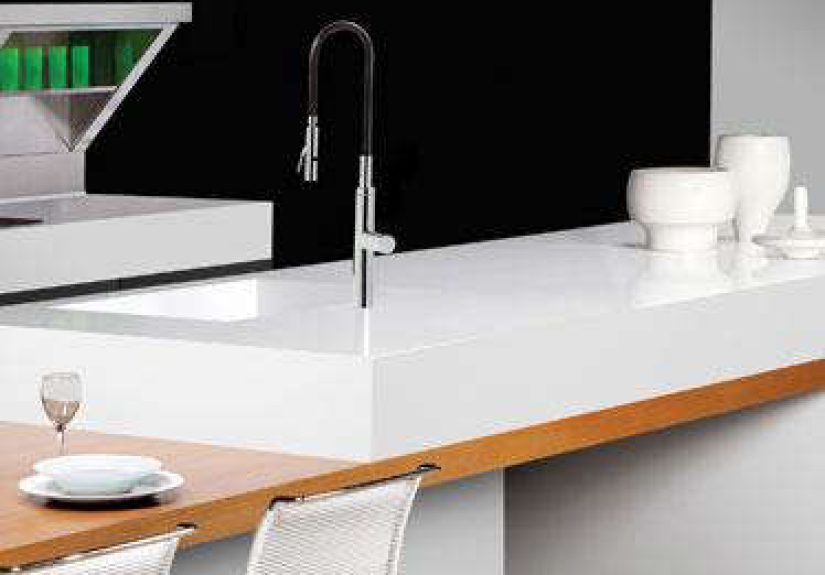
That’s the vibe behind Caesarstone Pure White (often referenced as 1141 Pure White): a
crisp, solid, fleck-free white quartz surface that became a modern staple precisely because it
doesn’t try too hard.
If you’ve ever stared at a sample rack thinking, “Why do all these ‘white’ counters look like they’re
hiding pepper flakes?”Pure White is the antidote. It’s a clean canvas for tile, cabinetry, hardware,
and whatever color phase you’re in this year (sage? black? “greige but make it emotional”?).
Meet Pure White: What It Is (and What It Isn’t)
Pure White is a solid white engineered quartz surface designed for
indoor applicationsthink kitchen countertops, bathroom vanities, laundry rooms, and
waterfall islands. It’s typically offered in a polished finish and common slab thicknesses
like 2 cm and 3 cm. The look is intentionally simple: no veining, no speckle party, no
“surprise undertones” that appear only after installation (the design equivalent of ordering vanilla and
getting “vanilla-ish”).
What it isn’t: a porous natural stone that needs sealing, or a heat-proof superhero that laughs at
cast-iron skillets fresh from the oven. Like all quartz surfaces, it’s built for everyday durability, not
culinary stunts.
Why Designers Keep Coming Back to a “True White”
In a world packed with bold veining and dramatic movement, a plain white slab can feel almost rebellious.
Here’s why it keeps winning:
- It makes tile look expensive. Even basic ceramic subway tile feels elevated next to a clean, uninterrupted white plane.
- It plays well with any cabinet color. White-on-white, warm wood, navy, black, mushroom, terracottaPure White doesn’t pick sides.
- It’s a lighting chameleon (in a good way). It reflects light, brightens darker kitchens, and helps small spaces feel larger.
- It’s the ultimate “reset button.” If you like swapping decor, paint, or hardware, a neutral counter won’t trap you in one style era.
Quartz 101: The Practical Stuff You Actually Need to Know
Quartz countertops are engineered surfaces made from natural quartz minerals combined with binders and
pigments. The big lifestyle perk is that quartz is non-porous, which helps it resist
staining and makes it low-maintenance compared with many natural stones. Translation: you don’t have to
seal it, and you can clean it without turning your Saturday into a chemistry lab.
That said, “durable” doesn’t mean “indestructible.” Quartz tends to be very resistant to everyday wear,
but it can still be damaged by excessive heat, aggressive abrasives, and the kind of
DIY cleaning experiments that start with, “I saw this on the internet…”
Tile Pairings That Make Pure White Look Like a Million Bucks
A pure white countertop gives tile the spotlight. The trick is choosing tile that either (1) creates a
crisp, seamless look or (2) adds texture and personality without competing.
Backsplash Pairings
-
Classic white subway tile + contrasting grout
Timeless, graphic, and forgiving. Soft gray grout adds definition; charcoal grout adds drama. If you
love a clean look but don’t love scrubbing, avoid pure-white grout in high-splash zones. -
Handmade-look ceramic or zellige-style tile
The counter is smooth and uniform; the tile brings texture and light-catching variation. It’s the
easiest way to make “simple” feel layered and custom. -
Marble-look porcelain
Want elegance without the sealing and etching anxiety? A marble-look porcelain backsplash adds soft
movement while keeping maintenance closer to “wipe and done.” -
Glass tile (sparingly)
Works beautifully with polished Pure White because both surfaces bounce light. Use it as an accent
band or a niche to keep it from feeling overly shiny. -
Bold pattern tile
Encaustic-style patterns or geometric mosaics pop against a neutral counter. Let the tile be the star,
and keep cabinet hardware and paint a little calmer.
Floor Pairings
- Warm wood or wood-look tile for balance (white counters + warm floors = instant comfort).
- Large-format concrete-look porcelain for a modern, gallery vibe.
- Terrazzo-look tile if you want playful color without changing the countertop.
Edges, Seams, and the Details That Separate “Nice” from “Nailed It”
Pure White is minimalist, so craftsmanship shows. Spend your design energy where it actually matters:
-
Edge profile: A simple eased edge looks clean and modern. A subtle bevel reduces
visible chipping over time. For a chunkier look, consider a laminated edge or mitered build-up (especially
on islands). -
Waterfall island: Pure White waterfalls read as architectural, especially with flat-panel
cabinets. Keep seams thoughtfully placed and aligned. -
Seams: Solid colors can make seams more noticeable than busy patterns. A skilled fabricator
matters hereask how they plan seam placement before fabrication begins. -
Sink choice: Undermount sinks keep the countertop line clean. Integrated or trough-style
sinks can look incredible but require extra planning and a fabricator with experience.
Performance Reality Check: Stains, Scratches, and Heat
Pure White is built for real life: cooking, toothpaste, coffee, kids, and that one friend who insists
they “never make a mess” (they do). Still, here’s how to keep it looking sharp.
Stains
Quartz is non-porous, so most spills stay on the surface instead of soaking ingreat news for red wine,
olive oil, and colorful sauces. The best strategy is simple: wipe spills sooner rather than later,
especially strongly pigmented ingredients like turmeric or berry syrup.
Scratches
Quartz is scratch-resistant, not scratch-proof. Use a cutting board (your knives will thank you too).
Also: avoid scrubbing pads that feel like they could sand a deck.
Heat
Quartz can tolerate heat up to a point, but direct hot cookware can cause damageespecially from thermal
shock (hot object + cooler surface). Use trivets, hot pads, and common sense. Your countertop is a
design surface, not a landing strip for molten cast iron.
Cleaning & Maintenance: The “Boring” Part That Saves You Money
The daily routine is wonderfully unglamorous: warm water, mild soap, and a soft cloth. For deeper
cleaning, stick with non-abrasive options and rinse thoroughly afterward.
A note about “patina”
Over time, many quartz surfaces develop a subtle patina (a thin layer from everyday use). This can make
the surface appear slightly darker or shinier in areas of heavy use. It’s normaland one reason regular,
gentle cleaning is better than sporadic “nuke it from orbit” scrubbing sessions.
What to avoid
- Harsh or abrasive powders and aggressive scouring pads
- Strong oven cleaners or paint strippers (basically anything that sounds like it belongs in a garage)
- Letting strong chemicals sit on the surface
You’ll see conflicting advice online about vinegar on quartz. Many general cleaning guides recommend
avoiding vinegar because of its acidity, while some manufacturer guidance allows diluted mixtures with
thorough rinsing and drying. When in doubt, follow the countertop manufacturer’s care guidance and test
any cleaner in a small, inconspicuous area.
Food Prep and Indoor Air: Certifications That Matter
If your kitchen is where snacks become meals and meals become… more snacks, it’s reasonable to care
about what’s in your surfaces and how they perform indoors.
-
Food-zone certification: Some quartz surfaces (including specific Caesarstone colors)
appear in third-party listings for food equipment materials standards, indicating suitability for food
contact environments when used appropriately. -
Indoor air: Low-emitting materials can support better indoor air quality, especially in
tightly sealed homes. Look for widely recognized emissions certifications when comparing products.
Cost: What You’ll Likely Pay (and Why It Varies)
Pricing depends on region, slab availability, thickness, edge detail, sink cutouts, and how complex your
layout is (L-shapes, islands, waterfalls, and lots of seams raise labor). Historically, installed quartz
has often landed in a mid-to-premium range per square foot, and current homeowner pricing guides still
commonly place white quartz in a similar neighborhood.
If you want the best value, spend less energy chasing the lowest price and more energy selecting a
reputable fabricator. In solid white especially, clean fabrication and thoughtful seam planning are the
difference between “high-end minimal” and “why is that line staring at me?”
How to Specify Pure White Without Regrets
-
View a large sample (or full slab) in your lighting.
White surfaces react to warm LEDs, cool daylight, and under-cabinet lighting. What looks “pure” in a
showroom can look warmer or cooler at home. -
Choose your backsplash after you confirm the counter.
Pure White is flexible, but tile undertones still matter. Compare in person: hold the tile against the
slab sample. -
Plan your practical zones.
Put trivets where hot items naturally land. Keep a cutting board near your prep sink. Make “good habits”
the easy default. -
Confirm indoor vs. outdoor use.
Many quartz surfaces are intended for interior applications. If you need outdoor durability and UV
stability, ask specifically about surfaces designed for that environment.
What’s “New” Now: The Industry’s Shift Toward Next-Gen Surfaces
Pure White first made waves as a clean, fleck-free quartz option. Today, the “new” conversation includes
how surfaces are engineered for sustainability and fabrication safety. Caesarstone has introduced
next-generation surface lines that emphasize reduced or eliminated crystalline silica and increased
recycled content, while aiming to keep the performance homeowners expect.
Why mention this in a Pure White article? Because popular, classic colors often become the first to
transition into updated material platforms. If you’re shopping now, ask your showroom or fabricator
which material family your selected Pure White slab comes from and what that means for fabrication,
availability, and care.
Quick Checklist Before You Commit
- ✅ Love the look in your lighting (day + night)
- ✅ Comfortable with a surface that shows crumbs (because white is honest)
- ✅ Willing to use trivets and cutting boards (low effort, high payoff)
- ✅ Have a fabricator you trust for seams and edge finishing
- ✅ Tile plan accounts for undertones (warm vs. cool whites)
FAQ
Does Pure White stain easily because it’s white?
Most everyday spills wipe up easily because quartz is non-porous. Like any light surface, it benefits
from prompt cleanupespecially with highly pigmented foods and cosmetics.
Is it okay to put hot pans on it?
Don’t. Quartz can handle moderate heat, but direct hot cookware can cause damage. Use trivets or hot
pads to prevent thermal shock and discoloration.
Will it look too “sterile”?
Not if you add texture. Warm wood cabinets, handmade tile, brushed metal hardware, and even a slightly
off-white wall paint can keep the space from feeling clinical.
What grout color works best with Pure White?
If you want seamless: choose a soft white grout close to your tile. If you want definition: light gray
grout gives contrast without going full checkerboard.
Conclusion: Pure White Is SimpleAnd That’s the Power
Caesarstone Pure White is the kind of surface that makes everything around it look more
intentional. It’s clean, versatile, and low-maintenanceideal for kitchens and baths that need to work
hard while still looking calm. Pair it with the right tile, respect its heat limits, keep cleaning
simple, and it will do what the best design choices always do: make your life easier while quietly
looking fantastic.
Real-World Experiences: Living With Pure White (The Part No One Tells You)
Here’s what homeowners, designers, and installers commonly discover after the “new countertop smell”
wears off (yes, that’s not a thingyet). Consider this the friendly, slightly opinionated field guide to
life with a bright white counter.
1) White counters don’t make your kitchen dirty… they make it honest.
With Pure White, crumbs, coffee drips, and that one rogue parsley leaf become visible faster than you
can say “open-concept.” The upside? You’ll wipe more often, but you’ll wipe less intensely.
People who love Pure White usually end up adopting a simple habit: a quick end-of-day wipe with mild
soap and water. The counter stays consistently clean, and you’re not scheduling “deep-clean day” like
it’s a dentist appointment.
2) Lighting is the secret boss of the whole project.
A common story goes like this: the sample looked perfect in the showroom, then at home it looked a touch
warmer at night and a touch cooler in daylight. That’s not the countertop being sneakyit’s your bulbs.
Homeowners who feel happiest long-term often do two things:
(a) they check the slab sample under their under-cabinet lights and overheads, and
(b) they commit to consistent bulb temperature across the kitchen. Mixed lighting can make any white
surface look inconsistent, even when it’s perfectly uniform.
3) The backsplash choice can turn “minimal” into “museum”… or “meh.”
Pure White is a blank canvas, so the backsplash becomes the personality. A frequent win: textured
handmade-look tile, even in white, because the shadows and variation add depth. A frequent regret:
choosing a tile that’s a slightly different white without checking undertones. Warm tile next to a cool
counter (or vice versa) can create a “why do these whites look like they’re arguing?” effect. People who
avoid this bring the countertop sample to the tile shop and compare in natural light.
4) The “heat thing” is realuntil it becomes a habit.
Many quartz owners start out thinking, “I’m careful, I’ll remember.” Then one day: a hot sheet pan
lands directly on the counter because someone’s juggling dinner and a phone call and a dog that’s
auditioning for a food commercial. The best real-life fix is not willpowerit’s staging:
keep a trivet where hot items naturally land (near the stove, next to the oven, by the coffee station).
Once a hot pad is within reach, you’ll use it without thinking.
5) “Stain resistant” doesn’t mean “leave turmeric overnight and test fate.”
People report that most spills clean up easily, but highly pigmented ingredients can leave temporary
discoloration if ignored. The happy medium is simple: wipe strong pigments promptly and avoid letting
sauces dry into a crust. If something does cling, homeowners often have better results with a
manufacturer-approved non-abrasive cleaner and a soft cloth than with aggressive scrubbing. The goal is
to lift the spill without dulling the finish.
6) Seams and edges matter more on solid white than anywhere else.
A veined stone hides a seam like a magician. A solid white slab says, “Hello, I see you.” People who
love their final result usually worked with a fabricator who planned seam placement early and kept
seams away from focal points. It’s also why many homeowners choose simple edge profiles: a clean eased
edge looks intentional and doesn’t collect grime the way intricate profiles can.
7) The surprise hero: a “boring” cleaning routine.
Owners who stay happiest long-term don’t chase miracle sprays. They stick to mild soap and water, rinse
well, and dry when needed. They also avoid letting oily cleaners build a film (which can make the
surface look streakyespecially on white). The result is a countertop that looks “new” for years without
demanding your free time as tribute.
Bottom line from real-life use: Pure White rewards simple, consistent habits. It’s not high-maintenance;
it’s just high-visibility. If you’re the kind of person who likes a clean kitchen (or likes the idea of
a clean kitchen), Pure White will happily keep you in that era.