Table of Contents >> Show >> Hide
If wine had a royal family, France would be wearing the crown, the robe, and probably pouring itself a celebratory glass of Champagne at the same time. From world-famous Bordeaux châteaux to iconic Champagne houses and family-run domaines tucked into tiny villages, French wine brands shape how the whole world thinks about wine.
But “best French wine brands” means different things to different drinkers. For some, it’s the blue-chip labels you see in auctions and Michelin-star restaurants. For others, it’s the reliable bottle under $20 that magically makes Tuesday night pasta feel like a mini vacation in Paris. This guide walks you through the most important French wine companies and brands, how they fit into the major regions, and how to choose bottles that match your taste and budget.
Why French Wine Still Rules the Glass
The power of terroir (and why everyone talks about it)
French wine is built on the idea of terroirthe combination of soil, climate, grape variety, and local tradition that gives each wine its personality. Regions like Bordeaux, Burgundy, the Rhône Valley, the Loire Valley, and Champagne are considered among the most influential wine areas on the planet.
Instead of labeling by grape (like “Cabernet Sauvignon” or “Pinot Noir”), French wines are typically labeled by region or village. Once you know what style each region tends to make, the label becomes a cheat sheet: Sancerre usually means crisp, mineral Sauvignon Blanc; Châteauneuf-du-Pape screams rich Southern Rhône red; Champagne, of course, means sparkling celebration in a bottle.
Key French wine regions at a glance
- Bordeaux: Cabernet Sauvignon and Merlot-based reds, some dry and sweet whites; home to legendary “First Growth” châteaux.
- Burgundy (Bourgogne): Pinot Noir and Chardonnay royalty, from simple Bourgogne Rouge to ultra-rare grand crus.
- Champagne: Traditional-method sparkling wines, from big houses like Moët & Chandon and Veuve Clicquot to small grower-producers.
- Rhône Valley: Syrah-driven reds in the north; Grenache-based blends in the south (think Côtes-du-Rhône and Châteauneuf-du-Pape).
- Loire Valley: Sauvignon Blanc, Chenin Blanc, Cabernet Franc, plus sparkling and sweet winesFrance’s “greatest hits” region for variety.
- Provence: Rosé paradise; pale pink wines that dominate summer wine lists worldwide.
- Alsace: Aromatic whites like Riesling, Gewürztraminer, and Pinot Gris, often with intense perfume and bright acidity.
For decades, critics’ lists and global awards have consistently featured French wines at the top, with Bordeaux and Burgundy still grabbing a huge share of attention and high scores. Recent rankings of top French wines show how these regions continue to dominate, even as other areas rise in popularity.
Most Influential French Wine Companies
Behind every beloved bottle is a company or family that farms the grapes, makes the wine, and builds the brand. Some wine companies own vast portfolios and ship millions of bottles worldwide; others are small estates making tiny, highly sought-after quantities. Here are the French wine companies that shape what you see on shelves and wine lists.
LVMH: Luxury bubbles and legendary labels
LVMH (Moët Hennessy Louis Vuitton) is one of France’s most powerful wine and spirits groups. Its portfolio reads like a who’s-who of Champagne: Moët & Chandon, Veuve Clicquot, Dom Pérignon, Ruinart, Krugbasically the cast of every celebrity toast you’ve ever seen.
What makes these brands “best” for many drinkers is consistency and style. Veuve Clicquot’s Yellow Label is famous for its rich, toasty profile that tastes almost identical whether you’re drinking it in New York, Tokyo, or Paris. Dom Pérignon, on the other hand, is a vintage-only Champagne associated with fine dining and collectors rather than casual brunch.
Pernod Ricard: Global giant with French roots
Pernod Ricard is another heavyweight, headquartered in Paris and known more broadly for spirits, but it also owns important Champagne houses like Mumm and Perrier-Jouët.
These brands often hit the sweet spot between prestige and availability: you can find them in duty-free shops, upscale grocery stores, and restaurant wine lists. For many consumers, they serve as a “bridge” between entry-level sparkling wine and truly luxury Champagne.
Castel Frères & Les Grands Chais de France: Volume kings
While luxury Champagne hogs the spotlight, much of the French wine that actually gets poured at weeknight dinners comes from large companies like Castel Frères and Les Grands Chais de France (GCF). Castel is among the largest wine companies in France and a major player in Bordeaux and Languedoc.
GCF, meanwhile, is Europe’s largest producer and exporter of wines and spirits, selling around 500 million bottles per year under numerous brands, including supermarket staples like J.P. Chenet.
Are they the top choice for collectors? Not usually. But for everyday drinkers and restaurants needing consistent, affordable French wine, these companies are essential. They also introduce many people to French wine for the very first time.
Historic family houses and domaines
At the other end of the spectrum are family estates and historic négociants that have built reputations bottle by bottle over generations. In Burgundy, names like Louis Jadot, Joseph Drouhin, and Bouchard Père & Fils are key players, making wines that range from simple regional appellations to rare grand crus.
In the Rhône Valley, E. Guigal and Paul Jaboulet Aîné are benchmarks for Syrah and Rhône blends, while Famille Perrin (of Château de Beaucastel fame) is closely associated with top-tier Châteauneuf-du-Pape.
Champagne, too, is full of family-run or small grower-producer labels that have become cult favorites, offering distinctive styles that stand out from the big brands.
Iconic French Wine Brands to Know by Region
There are thousands of French wine brands, but a few names show up again and again in rankings, fan lists, and expert recommendations. For example, fan-driven lists of “Best French Wine Brands” often highlight Bordeaux estates like Château Pichon Longueville Comtesse de Lalande alongside other classed-growth châteaux.
Bordeaux: Cabernet-driven classics
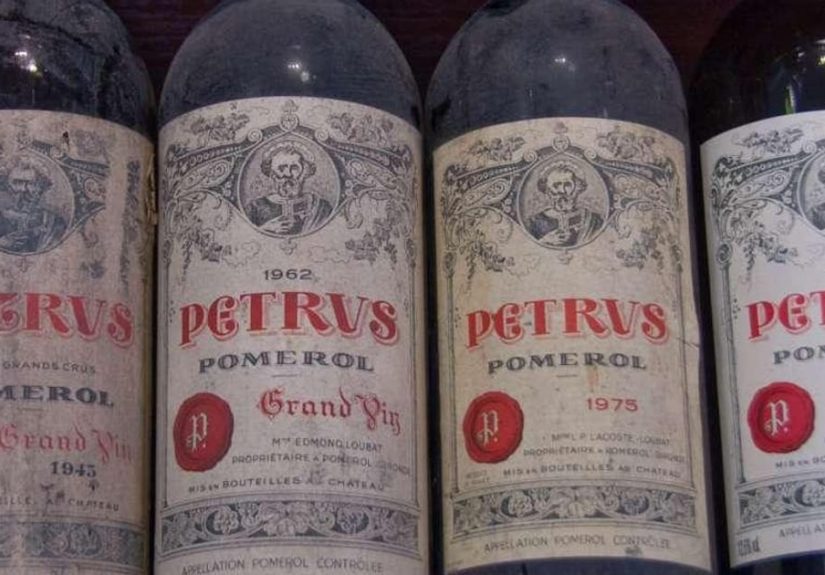
Bordeaux is divided into the Left Bank (Cabernet Sauvignon–dominant) and Right Bank (Merlot-dominant), with famous subregions like Médoc, Pauillac, Saint-Émilion, and Pomerol. First Growths like Château Lafite Rothschild, Château Margaux, Château Latour, Château Mouton Rothschild, and Château Haut-Brion are the stratospheric names you see at auctions and on luxury lists.
More accessibly priced but still respected are properties like Château Pichon Longueville Comtesse de Lalande, Château Lynch-Bages, and a long list of “Crus Bourgeois” and satellite Saint-Émilion estates. These labels often appear on “best Bordeaux under $50” or “best French wines under $20” lists, offering a taste of Bordeaux character without the five-figure price tag.
Burgundy: Pinot Noir and Chardonnay royalty
Burgundy is famously complex, with over 100 appellations and a dizzying hierarchy from regional wines to grand crus.
At the very top sits Domaine de la Romanée-Conti (DRC), whose grand cru wines are among the most expensive in the world. But most drinkers experience Burgundy through producers like Louis Jadot, Joseph Drouhin, and Bouchard Père & Fils, which offer approachable Bourgogne Rouge and Blanc as well as village-level and premier cru wines.
If you’re new to Burgundy, starting with a well-known négociant house is a smart move: they have broad vineyard holdings, strong quality control, and clear labeling that helps you learn the villages and styles.
Champagne: From party staples to collector bottles
The Champagne section of any store is a roll call of famous French wine brands. Moët & Chandon, Veuve Clicquot, Ruinart, Taittinger, Bollinger, Krug, Piper-Heidsieck, and Perrier-Jouët are among the labels that appear frequently on top Champagne lists.
Big houses blend grapes from many growers and villages to create a signature style year after year. Non-vintage brut (NV) is usually the entry point; vintage and prestige cuvées (like Dom Pérignon or Krug Grande Cuvée) show more complexity and aging potential. For adventurous drinkers, grower Champagnesmade by the same people who farm the vineyardsoffer distinctive alternatives and often excellent value.
Rhône Valley: Guigal and friends
Northern Rhône appellations like Côte-Rôtie and Hermitage are famous for powerful, age-worthy Syrah. Here, E. Guigal is a key name, known for everything from its everyday Côtes-du-Rhône to its rare “La La” wines (La Mouline, La Turque, La Landonne).
In the Southern Rhône, Famille Perrin and Château de Beaucastel are benchmarks for Châteauneuf-du-Pape, while Paul Jaboulet Aîné offers a range of Rhône wines at different price levels. These brands show up regularly in buyer’s guides and sommelier recommendations for French reds with depth and spice.
Loire, Provence, and Alsace: Whites, rosé, and aromatic charm
In the Loire Valley, brands like Pascal Jolivet, Domaine Vacheron, and Domaine Huet (in Vouvray) are highly regarded for precise Sauvignon Blanc and expressive Chenin Blanc.
Provence is dominated by rosé, and few brands have had more impact globally than Château d’Esclans, whose “Whispering Angel” rosé helped spark the pale pink trend you now see everywhere.
In Alsace, many producers remain more niche, but enthusiasts prize aromatic whites from quality-driven estates. Stylistically, this region is often recommended for white-wine lovers who want something more perfumed and food-friendly than a basic Pinot Grigio.
How to Choose the Best French Wine Brand for You
Start with your budget (and be honest)
- Under $20: Look for reliable négociants (Louis Jadot, Guigal), Côtes-du-Rhône, Bordeaux Supérieur, Crémant (French sparkling outside Champagne), and well-reviewed supermarket brands. Many “best French wine under $20” lists highlight exactly these categories.
- $20–$50: Explore village-level Burgundy, better-classified Bordeaux, quality Loire producers, and non-vintage Champagne from respectable houses.
- $50 and up: This is where top Champagne, cru-classé Bordeaux, premier cru Burgundy, and collectible Rhône wines live.
Think region first, brand second
When experts teach French wine, they almost always start with regions and styles rather than brands. That’s because an unknown producer in the right region and appellation can still give you an excellent wine that tastes “classic.” Guides to French wine often recommend learning a few key regions and then experimenting with producers within them.
For example:
- Love crisp, citrusy whites? Try Sancerre or Pouilly-Fumé from the Loire.
- Prefer bold reds? Look for Bordeaux from Médoc or Saint-Émilion, or a Côtes-du-Rhône Villages.
- Want something elegant and lighter? Try a Bourgogne Pinot Noir or Beaujolais from a reputable producer.
Use fan rankings and critic lists as a shortcut
Online rankings and critic lists can help you identify brands that consistently impress. Fan-driven lists of French wine brands, plus critics’ “Top 100 Wines of France” and “Best French wines under $X” guides, tend to feature a recurring cast of producersthose are safe bets when you’re staring at a crowded shelf.
Just remember: “best” is relative. The “best” bottle for a weeknight pizza is very different from the best bottle for a 25th anniversary.
Real-World Experiences with French Wine Brands
Lists and rankings are helpful, but French wine really comes alive in real-world situations: dinner parties, vacations, your first visit to a tasting room, or that slightly chaotic moment when you’re panic-buying a bottle on your way to a friend’s house.
The first French bottle that “clicks”
Many wine lovers’ French-wine story begins with a surprisingly good, modest bottlea Côtes-du-Rhône that tastes like spicy cherries and herbs, or a simple Bourgogne Pinot Noir with just enough earthiness to feel different from New World reds. Those bottles often come from brands like Guigal, Louis Jadot, or a well-chosen supermarket label backed by a big company like Castel or GCF.
They’re not grand crus, but they do something even more important: they make French wine feel understandable and fun instead of intimidating.
Hosting dinner with French wine
Imagine you’re hosting a small dinnernothing fancy, but you’d like to impress a bit. A common strategy looks like this:
- Start with bubbles: A non-vintage Champagne from Moët & Chandon or Veuve Clicquot feels festive without going full “wedding budget.”
- Serve a regional classic with the main course: Bordeaux for steak, Burgundy for roast chicken, or a Southern Rhône blend for hearty stews.
- End with something surprising: A Loire dessert wine, a late-harvest Alsace bottle, or simply a second style of Champagne for dessert.
In practice, the brands you choose might include a well-known Champagne house, a mid-priced Bordeaux château from a reputable négociant, and a Loire producer recommended by a wine shop. None need to be ultra-rare; they just need to be balanced, food-friendly, and in the right style.
Traveling through France (even if it’s only on your couch)
Travel companies and wine-tour platforms frequently highlight certain wineries as “must visit” stopsthe places where you’ll taste in medieval cellars, walk vineyards at sunset, and, inevitably, overpack your luggage with bottles.
Even if you’re not flying to France tomorrow, you can recreate that experience at home:
- Pick one region per month (Bordeaux, then Loire, then Rhône, etc.).
- Choose two brands for each region: one larger, widely available company and one smaller or more artisanal producer.
- Host mini tastings with friends and compare noteswhat do you like about each brand’s style?
Over time, patterns emerge. You might discover that you prefer the polished, consistent style of big Champagne houses over rustic grower wines, or that you’re drawn to the more mineral-driven whites of the Loire instead of richer Burgundies. Those preferences are just as important as any critic score.
Balancing reputation and exploration
French wine companies cover the full spectrum: global giants shipping millions of bottles, discreet empires like GCF that dominate supermarket shelves, historic châteaux with centuries of prestige, and tiny domaines that only serious enthusiasts have heard of.
The trick is to use the famous names as landmarks, not limitations. Let Moët, Veuve Clicquot, Louis Jadot, or Guigal be your “compass points,” then wander off the main path to discover lesser-known producers in the same regions. That’s often where the best valueand the most memorable wine momentslive.
Final Thoughts
The best French wine brands are not just logos on a label; they’re gateways into a deep culture of place, tradition, and craftsmanship. From Champagne houses owned by luxury groups to family-run Burgundian domaines and high-volume companies quietly stocking supermarket shelves, French wine companies collectively define how the world experiences wine.
Start with regions, use well-known brands as guideposts, pay attention to your own taste, and don’t be afraid to explore. Whether you’re opening a modest Côtes-du-Rhône on a weeknight or splurging on a legendary Bordeaux for a once-in-a-lifetime celebration, French wine has a brandand a bottlefor every chapter of your story.