Table of Contents >> Show >> Hide
- Quick refresher: What is PCOS?
- What is berberine, exactly?
- How might berberine help with PCOS?
- What does the overall evidence say?
- Risks and side effects of berberine
- Who might consider berberine for PCOS?
- How to talk to your clinician about berberine
- If you decide to try berberine: Practical tips
- Experiences and real-world reflections on berberine for PCOS
- The bottom line
If you live with polycystic ovary syndrome (PCOS), you’ve probably Googled at least a dozen
“natural” ways to feel better. Somewhere between “cut sugar” and “try inositol,” you may have
seen another buzzy supplement: berberine. Some people call it “nature’s
metformin,” others call it “nature’s Ozempic,” and your social media feed might make it sound
like a magic yellow pill that fixes everything from acne to ovulation.
Reality, as usual, is more complicated. Berberine for PCOS does have some promising research,
especially around insulin resistance, weight management, and menstrual regularity. It also
comes with risks, side effects, and a lot of unanswered questions. And unlike
prescription medications, supplements aren’t tightly regulated in the United States.
Let’s walk through what we actually know about berberine for PCOSbenefits, risks, and how to
have a smart conversation with your healthcare professional before adding yet another capsule
to your daily routine.
Quick refresher: What is PCOS?
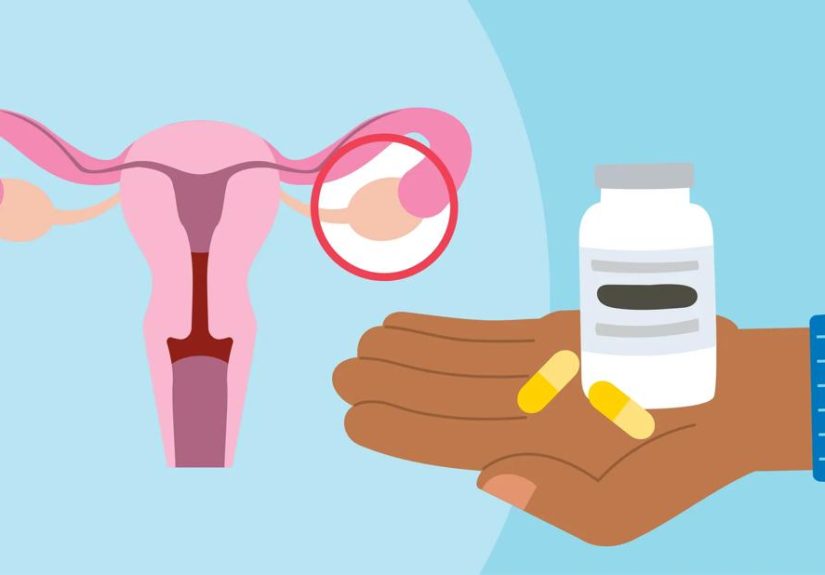
Polycystic ovary syndrome (PCOS) is a common hormonal condition that affects how the ovaries
work. It often involves:
- Irregular or absent periods
- Elevated androgens (testosterone and other “male” hormones)
- Multiple small follicles on the ovaries seen on ultrasound
- Metabolic issues like insulin resistance and higher risk of type 2 diabetes
Many people with PCOS struggle with weight gain, acne, excess facial/body hair, fertility
challenges, and high cholesterol. A core driver in many cases is
insulin resistancewhen the body doesn’t respond to insulin properly, leading
to higher insulin levels, which can then worsen hormone imbalance and ovulation problems.
What is berberine, exactly?
Berberine is a plant-derived compound found in several herbs, including barberry, goldenseal,
and Oregon grape. It’s been used in traditional Chinese and Ayurvedic medicine for centuries,
particularly for digestive issues and infections. Today, it’s sold widely in the United States
as an over-the-counter supplement, often marketed for:
- Blood sugar control
- Cholesterol and triglycerides
- Weight management
- Metabolic syndrome and type 2 diabetes
Modern research suggests berberine influences many pathways in the body, including activating
AMPK (an enzyme sometimes nicknamed the body’s “metabolic master switch”), which helps regulate
how we use fats and sugars.
Short version: berberine seems to act a bit like some diabetes medications in how it affects
blood sugar and lipidsbut it is not a prescription drug, and it has not been
approved by the FDA to treat PCOS or any other condition.
How might berberine help with PCOS?
For PCOS, researchers are mostly interested in berberine’s impact on:
insulin resistance, weight, cholesterol, and ovulation. Several clinical trials
and reviews (mostly in China, with smaller sample sizes) suggest there may be real benefits,
especially for people with PCOS plus insulin resistance.
1. Improving insulin resistance and blood sugar
Multiple studies of women with PCOS and insulin resistance (PCOS-IR) found that berberine:
- Improved markers of insulin sensitivity (such as HOMA-IR)
- Lowered fasting insulin and fasting blood glucose
- Improved post-meal glucose and insulin responses
In some trials, berberine alone or berberine plus other medications performed
similarly to metformin in improving insulin resistance and blood lipids,
although the study designs and quality varied.
Because insulin resistance is a key driver of many PCOS symptoms, improving it may indirectly
help with weight, androgen levels, and menstrual regularity.
2. Weight management and cholesterol
PCOS is often linked with weight gain, especially around the abdomen, and unfavorable lipid
profiles (higher LDL and triglycerides, lower HDL). Clinical studies suggest berberine may:
- Modestly reduce body weight and BMI
- Lower total cholesterol, LDL (“bad” cholesterol), and triglycerides
- Sometimes raise HDL (“good” cholesterol)
Some research in PCOS populations even found that berberine led to more weight loss than
metformin in certain groups, though not all studies agree and sample sizes are small.
That said, berberine is not a magic “fat-melting” pill. Experts consistently stress it should be
thought of as a possible add-on to a foundation of nutrition, movement, sleep,
and stress managementnot a replacement.
3. Ovulation and fertility
One of the most frustrating parts of PCOS is irregular or absent ovulation. Several studies have
found that berberine may:
- Improve menstrual regularity
- Increase ovulation rates in some women
- Improve endometrial “receptivity” (how ready the uterine lining is for implantation)
A pilot study in anovulatory women with PCOS reported better menstrual patterns and ovulation
with berberine alone, along with improvements in cholesterol and insulin resistance.
Other research suggests berberine may enhance the effects of ovulation induction medications
like letrozole, though findings are not entirely consistent, and not all trials showed better
pregnancy or live birth rates.
Bottom line: berberine may support ovulation and some fertility markers in PCOS, but we do not
yet have strong, high-quality evidence that it improves live birth rates.
4. Androgen levels and other symptoms
Some studies have found that berberine can lower testosterone levels and improve the LH/FSH
ratio in women with PCOStwo hormonal changes that may support more regular ovulation and lessen
symptoms like excess hair growth.
However, changes in outward symptoms like acne or hirsutism can take months and often depend on
multiple factors. Berberine is not a quick cosmetic fix.
What does the overall evidence say?
When researchers step back and look at the big picture, the verdict is cautiously optimistic:
-
Berberine appears to improve metabolic markers (insulin resistance, blood
sugar, lipids) in people with PCOS, especially those with insulin resistance. -
It may support weight loss and ovulation, but the data is less robust and not
consistent across all studies. -
Evidence for improving hard fertility outcomes, like live births, is limited
and mixed so far. -
Most studies are relatively small, many from single countries, and often short-term (weeks to
a few months).
So, “promising but not proven” is a fair summary. Berberine may be a useful tool in a larger PCOS
toolkitbut it is not a cure, and it should be used thoughtfully.
Risks and side effects of berberine
For all the buzz, berberine is not risk-free. Like any bioactive compound, it can cause side
effects and interact with medications.
Common side effects
When taken by mouth, berberine is generally tolerated by most adults in the short term, but
common side effects include:
- Abdominal discomfort or cramping
- Constipation or diarrhea
- Nausea or vomiting
- Bloating or gas
These issues are more likely at higher doses or when starting suddenly. Some people also report
headaches or a “wired” feeling, though this is less well-studied.
Serious concerns and special populations
Certain groups should be especially cautious or avoid berberine:
-
Pregnancy and breastfeeding: Experts recommend avoiding berberine during
pregnancy and lactation. It can cross the placenta and may increase the risk of severe jaundice
in newborns, potentially leading to a dangerous condition called kernicterus. -
Infants and children: Berberine should not be given to infants because of
these risks, and use in children is not well studied. -
Liver concerns: Rare reports and some expert commentary indicate that
berberine could contribute to liver toxicity in susceptible individuals, especially with
long-term or high-dose use.
Drug interactions
This is where things get serious. Berberine can affect enzymes in the liver (such as CYP2D6,
CYP2C9, and CYP3A4) that help metabolize many medications.
Potentially affected medications may include (not a complete list):
- Metformin and other diabetes drugs
- Some blood pressure medications (like losartan)
- Cholesterol medications (such as certain statins)
- Immune-suppressing drugs (like cyclosporine)
- Some acid-reducing medications (for example, omeprazole)
Because berberine can also lower blood sugar, combining it with diabetes medications or insulin
may increase the risk of hypoglycemia (low blood sugar). This is exactly why it’s crucial to
talk to a healthcare professional who knows your full medication list before starting berberine.
Supplement quality and regulation
One more important reality check: in the U.S., berberine is sold as a dietary supplement. That
means:
- Products are not FDA-approved to prevent or treat disease.
- Quality, purity, and actual dosage can vary from brand to brand.
- Some products may contain more or less berberine than stated on the label, or unwanted
contaminants.
Choosing third-party–tested brands (for example, those certified by USP, NSF, or similar
programs) can help, but doesn’t eliminate all risk.
Who might consider berberine for PCOS?
Under the guidance of a healthcare professional, berberine may be considered as an option for:
-
People with PCOS and documented insulin resistance who cannot tolerate
metformin or want to explore an additional strategy alongside lifestyle changes. -
Those dealing with PCOS-related cholesterol issues or metabolic syndrome and
whose clinicians are comfortable reviewing the evidence and monitoring labs. -
Some individuals with PCOS-related anovulation, especially when metabolic
issues are also present, as part of a broader fertility plan.
Berberine is not ideal for people who:
- Are pregnant, trying to conceive without medical guidance, or breastfeeding
- Take multiple prescription medications with known interactions
- Have liver disease or a history of serious liver problems
- Prefer to avoid supplements with limited long-term safety data
And as tempting as it is to self-experiment based on a TikTok video, using berberine without
medical supervisionespecially if you’re on other medicationsis risky.
How to talk to your clinician about berberine
Bringing up supplements with your doctor can feel awkward (“Hi, I learned this from Instagram…”),
but your healthcare professional would rather know what you’re actually taking than guess.
Here’s a simple game plan:
-
Make a full list of everything you’re using: prescriptions, over-the-counter
meds, vitamins, herbal supplements, and “hormone-balancing” powders from that chic website. -
Explain your goals. For example: “I have PCOS, my insulin is high, and I’m
curious whether berberine might help with insulin resistance and weight.” -
Ask about interactions and monitoring. Your clinician may want to follow labs
like liver enzymes, fasting glucose, A1C, or lipids if you start berberine. -
Stay open to alternatives. Your provider may suggest metformin, inositol,
GLP-1 medications, lifestyle strategies, or a combination approach insteador in addition.
A good clinician won’t be offended that you asked; they’ll help you weigh the potential benefits
and risks based on your specific health picture.
If you decide to try berberine: Practical tips
(Always in partnership with a healthcare professional.)
-
Start with realistic expectations. Think of berberine as a possible “helper”
for insulin and metabolism, not a magic hormone reset button. -
Prioritize lifestyle first. Nourishing foods, regular movement, good sleep,
and stress management have stronger and broader evidence for PCOS than any supplement. -
Watch your body’s response. Track symptoms such as energy, cycles, digestion,
and any side effects. Share these with your provider. -
Be careful with stacking. Combining berberine with other blood-sugar–lowering
tools (metformin, inositol, GLP-1 medications) should only be done under medical supervision. -
Reassess regularly. Because long-term data is limited, revisit the decision
with your clinician periodically instead of assuming berberine is a forever supplement.
Experiences and real-world reflections on berberine for PCOS
Research data is helpful, but it doesn’t always capture what living with PCOSand trying
something like berberineactually feels like. While everyone’s experience is unique, a few
patterns commonly show up in stories people share (online and in clinics).
The hopeful start
Many people first hear about berberine during a late-night scroll, where dramatic before-and-after
photos and claims like “I lost 20 pounds in 3 months!” or “This fixed my PCOS” are everywhere.
The idea of a plant-based supplement that might work like metforminbut without the same
side-effect reputationcan feel incredibly appealing, especially if you’ve already tried
multiple medications or diets.
A typical story might go like this: after reading up and (ideally) clearing it with their
provider, someone with PCOS starts berberine along with a renewed effort to tweak meals,
increase movement, and cut back on ultra-processed foods and sugary drinks. Within a few weeks,
they might notice more stable energy, fewer crashes after meals, and maybe a couple of pounds
lost on the scale.
The mixed results phase
After two or three months, experiences often get more nuanced:
-
Some people report improved cyclesshorter gaps between periods, less
unpredictability, or signs of ovulation on tracking apps or temperature charts. -
Others notice modest weight loss or changes in waist measurement rather than dramatic
transformations. -
A portion of people mainly report digestive side effects such as cramping,
diarrhea, or constipation, and decide the trade-off isn’t worth it. -
Some feel absolutely no change and wonder if they’re just taking an expensive yellow capsule
for fun.
It’s also common for several changes to happen at once: new supplement, new exercise habit, new
sleep schedule, new eating pattern. That makes it hard to know exactly how much of any benefit
is from berberine versus everything else you’re doing (which is exactly why scientists design
randomized controlled trials).
Emotional highs and lows
PCOS is not just a physical conditionit’s emotionally exhausting. Many people describe feeling
dismissed, told to “just lose weight,” or left to figure things out on their own. When you
finally find something that might help, it’s normal to pin big hopes on it.
That’s why it can be extra disappointing if berberine doesn’t deliver the dramatic results
you’ve seen advertised. On the flip side, if your periods become more regular or you see
improvements in labs, it can feel like you’ve finally found a key piece of your personal PCOS
puzzleeven if it’s not the whole answer.
Lessons from real-world use
When you zoom out, a few common lessons emerge from people’s experiences with berberine:
-
It works best as part of a bigger picture. Those who see benefits usually
combine berberine with changes in eating patterns, movement, sleep, and sometimes other
medications. -
Consistency matters more than perfection. Taking berberine regularly (if you
and your clinician choose it), keeping follow-up appointments, and tracking symptoms often
matters more than chasing “perfect” habits. -
Individual response varies wildly. Two people with seemingly similar PCOS
lab results may respond very differently. Genetics, gut health, lifestyle, and other medical
conditions all play a role. -
Honesty with your healthcare team pays off. When people share what they’re
actually taking, providers can catch potential interactions early, order appropriate lab
checks, and help adjust the plan instead of simply saying “don’t take anything.”
Finally, it’s worth remembering that online storiesespecially the most dramatic onesare
heavily filtered. People who see amazing changes are more likely to post. Those who see modest
improvements, or nothing at all, may not say much. Use these stories as inspiration or
curiosity fuel, not as a guarantee of what will happen to you.
The bottom line
Berberine for PCOS is an intriguing option with growing but still limited evidence. It appears
to support insulin sensitivity, lipid profiles, and possibly ovulation and weight in some
people with PCOSespecially those with insulin resistance. At the same time, it carries
meaningful risks, including digestive side effects, potential liver concerns, and interactions
with important medications, and it is not appropriate during pregnancy or breastfeeding.
If you’re curious about berberine, the safest path is to treat it as a serious medical tool,
not a casual “natural” add-on: talk to your clinician, review your medications, set realistic
goals, and keep the fundamentalsnutrition, movement, sleep, and stress supportat the center
of your PCOS plan.
And if you ever feel like you’re “failing” because a supplement didn’t fix everything, remind
yourself: PCOS is complex, you are not a science experiment gone wrong, and your worth is not
measured in lab values or cycle length. Tools like berberine may help some people, but the most
important part of your PCOS journey is having a plan that’s safe, evidence-informed, and built
around you.