Table of Contents >> Show >> Hide
- 1. Grab Bars and Safety Rails
- 2. Shower Chairs and Bath Benches
- 3. Raised Toilet Seats and Toilet Safety Frames
- 4. Non-Slip Mats and Floor Grips
- 5. Motion-Sensing Night Lights
- 6. Smart Doorbells and Security Cameras
- 7. Voice Assistants and Smart Displays
- 8. Automatic Pill Dispensers and Medication Organizers
- 9. Reacher/Grabber Tools
- 10. Walkers and Rollators with Seats
- 11. Bed Rails and Transfer Handles
- 12. Lift Recliners and Transfer Chairs
- 13. Adaptive Kitchen Tools
- 14. Long-Handled Shoehorns and Dressing Aids
- 15. Fall Detection and Medical Alert Systems
- 16. Smart Home Sensors and Monitoring Tools
- 17. Simple Home Modifications and DIY Safety Fixes
- Putting It All Together: Creating a Safer, Happier Home
- Real-Life Experiences: What It’s Like to Use These Products at Home
Getting older doesn’t mean giving up independence, comfort, or the ability to boss everyone around from your favorite armchair. But it does mean the home has to work a little harder. From fall prevention to medication reminders, the right products can make aging in place safer, easier, and a lot less stressful for everyone involved.
Health organizations consistently warn that falls and home hazards are a major risk for adults over 65, and simple changes such as grab bars, good lighting, and adaptive tools can dramatically cut that risk. At the same time, assistive technology is evolving fast, giving older adults more ways to stay independent and connected at home.
Below are 17 of the best home products for seniors and “older folks” (as many prefer to say) that support safety, independence, and dignitywhile keeping the house from looking like a hospital.
1. Grab Bars and Safety Rails
If the bathroom had a personality, it would be “slippery chaos.” Grab bars and safety rails turn it into something closer to “spa with training wheels.” Properly installed bars near the toilet, in the shower, and along key hallways give older adults stable handholds when standing up, turning, or stepping over tub edges.
Look for bars that mount securely into studs and support full body weight. Models with textured, non-slip surfaces are easier to grip with wet hands. They’re small investments that can prevent very big problems, like hip fractures or head injuries from falls.
2. Shower Chairs and Bath Benches
Standing in a wet shower is basically competitive figure skating without the medal. A shower chair or bath bench lets older adults sit while washing, greatly reducing fall risk and fatigue.
Choose models with adjustable legs, non-slip feet, and drainage holes so water doesn’t pool. For very tight spaces, corner stools or fold-down wall-mounted seats can be a great solution.
3. Raised Toilet Seats and Toilet Safety Frames
Getting on and off a low toilet can be surprisingly hard when knees, hips, or balance aren’t what they used to be. Raised toilet seats add height, while safety frames or handles provide leverage for sitting and standing.
Some seats lock directly onto the bowl, while others combine a freestanding frame with armrests. Either way, they reduce strain on joints and help prevent bathroom fallsone of the most common and dangerous places older folks get hurt.
4. Non-Slip Mats and Floor Grips
If it skates, slides, or bunches, it’s a hazard. Non-slip bath mats, shower treads, and rug grippers are under-appreciated heroes of home safety. Health and safety checklists for seniors specifically recommend clearing tripping hazards and securing throw rugs and bathmats.
Use non-slip backing under area rugs, add adhesive treads to stairs, and make sure bath mats grip firmly even when wet.
5. Motion-Sensing Night Lights
Midnight trips to the bathroom shouldn’t feel like navigating a haunted house. Motion-sensing night lights automatically illuminate hallways, bedrooms, and bathrooms when someone walks by, reducing the risk of trips and falls in the dark. Fall prevention experts consistently recommend better lighting as a simple, powerful fix.
Plug-in LEDs or battery-powered stick-on lights are inexpensive, energy efficient, and easy to installno electrician needed.
6. Smart Doorbells and Security Cameras
For older adults living alone, knowing who’s at the door and keeping an eye on the porch can provide huge peace of mind. Video doorbells and basic security cameras let them see visitors, talk through two-way audio, and screen for scams or unwanted sales pitches.
Family members can also receive alerts and check camera feeds from their own phones, which is helpful if a loved one isn’t answering the door or phone.
7. Voice Assistants and Smart Displays
Smart speakers and displays (think “Hey, what’s the weather?” or “Call my daughter”) can be surprisingly powerful tools for older folks. They offer hands-free calling, reminders for medications and appointments, and quick access to music, news, or audiobooks.
For someone with limited mobility or vision, being able to control lights, thermostats, or even the TV with their voice can be a game-changer.
8. Automatic Pill Dispensers and Medication Organizers
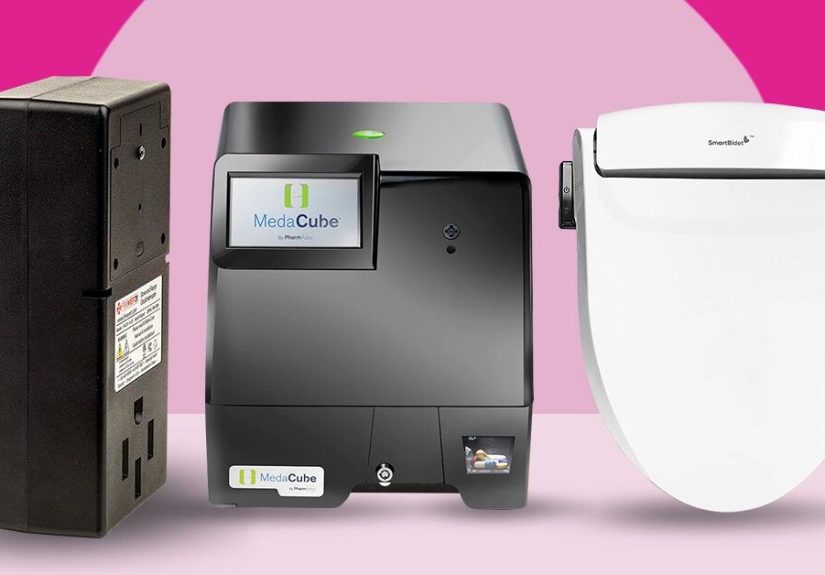
Managing multiple medications is like running a tiny pharmacy out of the kitchen drawer. Automatic pill dispensers and clearly labeled organizers help older adults take the right dose at the right timeand avoid double-doses or missed meds.
Many advanced dispensers lock until it’s time for the next dose and sound an alarm, flash lights, or send alerts to caregivers if a dose is missed.
9. Reacher/Grabber Tools
Reacher tools are basically extra-long arms that never get stiff. They help older adults pick up items from the floor, reach upper shelves, or retrieve laundry without bending, stretching, or climbing on stools (please, no climbing on stools).
Look for lightweight models with a strong grip and easy trigger action. Some fold in half to hang neatly on walkers or chairs.
10. Walkers and Rollators with Seats
Modern walkers and rollators are a far cry from the clunky metal frames of decades past. Today’s models offer better stability, hand brakes, storage baskets, and built-in seats, making it easier for older adults to move around the houseor out in the communityand take breaks when needed.
Rollators with larger wheels are especially useful on uneven sidewalks or outdoor surfaces, helping maintain mobility and confidence.
11. Bed Rails and Transfer Handles
For many older folks, the most dangerous moment of the day is simply getting out of bed. Bed rails and transfer handles attach to the bed frame or mattress, giving a solid handhold for rolling, sitting up, and standing.
They can help prevent falls, reduce strain on caregivers, and make nighttime bathroom trips much safer.
12. Lift Recliners and Transfer Chairs
That super-plush armchair is cozyuntil it’s time to get up. Power lift recliners gently tilt forward to help older adults stand without heavy pushing or rocking.
Even simple transfer chairs with armrests and firm seats can offer better support in the living room or dining area, especially for people with arthritis or balance issues.
13. Adaptive Kitchen Tools
The kitchen can be a minefield of slippery jars, sharp knives, and heavy pans. Adaptive kitchen toolssuch as easy-grip utensils, jar openers, non-slip cutting boards, and lightweight cookwarehelp older adults keep cooking without unnecessary strain.
Simple additions like electric can openers, automatic shut-off kettles, and color-contrasting measuring cups can make daily tasks both safer and more enjoyable.
14. Long-Handled Shoehorns and Dressing Aids
At a certain age, “touching your toes” becomes less of a stretch goal and more of a fantasy. Long-handled shoehorns, sock aids, and button hooks make dressing much easier for people with limited flexibility, pain, or tremors.
These small, inexpensive tools support independence with one of the most personal activities of the daygetting dressed without needing help.
15. Fall Detection and Medical Alert Systems
Even with every safety product in place, falls can still happen. Wearable fall-detection devices and medical alert systems provide a literal lifeline, allowing someone to call for help with a button pressor automatically triggering an alert if a hard fall is detected.
Many systems now use GPS and smartphone apps so family members can check in or be notified if an emergency alert occurs.
16. Smart Home Sensors and Monitoring Tools
Subtle changes in routine can signal that an older person needs more support: fewer trips to the kitchen, no movement overnight, or missed medications. Smart home sensors, door chimes, and passive activity monitors can track patterns and flag worrisome changes.
Used thoughtfully and with consent, these tools can help older adults remain independent longer while giving families greater peace of mind.
17. Simple Home Modifications and DIY Safety Fixes
Not every “product” comes in a box. Many of the most effective supports for older folks are simple modifications: brighter bulbs, handrails on both sides of the stairs, ramps instead of steps, and wider doorways for walkers or wheelchairs.
Research shows that home modifications can improve functional independence, reduce caregiver burden, and support aging in place. Think of grab bars, lever-style door handles, and clutter-free hallways as “invisible products” that quietly do their job every single day.
Putting It All Together: Creating a Safer, Happier Home
No single gadget can guarantee safety or independence, but the right mix of productspaired with regular health checkups, physical activity, and honest conversationscan make a huge difference. Experts emphasize that fall prevention and aging in place are most successful when medical care, home environment, and technology all work together.
Start with the biggest risks (bathroom, stairs, poor lighting), then add tools that support daily routines like bathing, dressing, cooking, and taking medications. And don’t forget the emotional side: products that support social connection, comfort, and autonomy are just as important as the strictly “medical” devices.
Real-Life Experiences: What It’s Like to Use These Products at Home
On paper, these 17 products sound practical. In real homes, they can feel downright transformational. Here’s what it can look like when older folks (and their families) actually live with them.
Less Fear, More Confidence
One of the biggest changes people report after installing grab bars, shower chairs, and non-slip mats is psychological: they stop dreading the bathroom. Instead of carefully plotting each step like a military operation“Hand on towel bar, lean left, don’t slip on that rug”they move with more confidence. That makes daily hygiene easier, which then improves comfort, mood, and even social life.
Caregivers often notice the difference first. A daughter might say, “Mom doesn’t call me to help her shower anymore unless she’s really tired.” That’s independence in action.
Tech That Actually Gets Used
Families sometimes worry that older relatives won’t use new gadgets, but the key is matching the product to the person. A retired engineer might love exploring every feature on a smart speaker. Someone who never cared for technology may only want two commands: “Call my son” and “Play Frank Sinatra.” Both can be wins.
Voice assistants, smart doorbells, and medical alert devices work best when:
- They’re set up before an emergency happens.
- Everyone practices using thempreferably with plenty of jokes and “test calls,” not stress.
- The older adult has a say in where devices go and what features are turned on.
When people feel a sense of control, they’re far more likely to actually use the tools designed for their safety.
The Quiet Magic of Small Tools
Big-ticket items like lift chairs and rollators get a lot of attention, but many older adults say their favorite tools are the small ones: reacher grabbers, button hooks, jar openers, long-handled shoehorns. These tiny gadgets quietly protect dignity. Instead of needing help to button a shirt or pick up the remote, someone can simply reach for the right tool and move on with their day.
Families often don’t realize how frustrating those “little things” are until they see the relief a $15 tool brings. Suddenly, getting dressed or making breakfast takes 10 minutes instead of 40and arguments about “Let me help you” vs. “I can do it myself” fade away.
Caregiver Relief Is Part of the Package
These products don’t just support older adultsthey also support the people who love them. A sturdy bed rail means a caregiver isn’t straining their back every morning. A fall alert system means a son can go to work without calling every hour. A motion-sensing night light means fewer late-night “I heard a noise” check-ins.
Over time, that relief matters. Burned-out caregivers are more likely to push for a move to assisted living, even when the older adult wants to stay home. By reducing physical and emotional strain, home safety products help everyone stay on the same team.
Aging in Place, Not “Parking in Place”
It’s easy to think of aging in place as simply “not moving to a facility,” but the goal is bigger than that: living at home in a way that feels engaged and meaningful. Products that support mobility, communication, and comfort can keep older adults doing what they enjoygardening with a rollator nearby, video chatting with grandkids on a smart display, cooking favorite recipes with adaptive tools.
When safety products are chosen thoughtfully and installed with respect, they fade into the background. What you notice instead is the person: laughing with family, making their own choices, and navigating the home on their own terms. That’s the real magic behind the best products for older folks at homethey don’t just prevent problems; they help protect independence, identity, and everyday joy.