Table of Contents >> Show >> Hide
- First, what “donating your body to science” actually means
- Pick the right kind of program (this choice affects everything)
- How to Donate Your Body to Science in 11 Steps
- 1) Start with your “why” and your non-negotiables
- 2) Choose a program in your area (and confirm they accept donors like you)
- 3) Ask the three questions that prevent 90% of confusion later
- 4) Understand eligibility rulesand assume they can change
- 5) Pre-register (don’t wait until it’s urgent)
- 6) Complete paperwork carefully (this is the boring part that makes everything work)
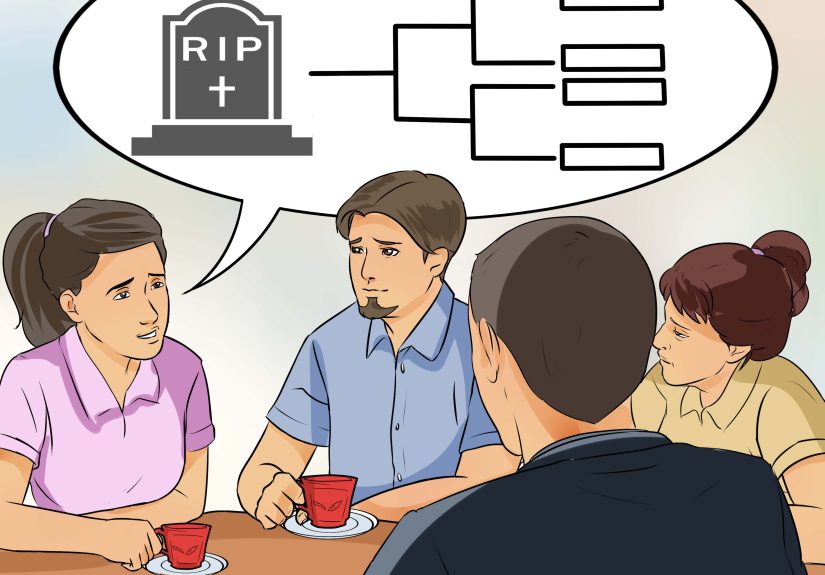
- 7) Tell your family earlyand be very specific
- 8) Put it in your estate plan and end-of-life paperwork
- 9) Make a “time of death” cheat sheet for caregivers
- 10) Decide what kind of memorial you want (because people still need a moment)
- 11) Update your registration as life changes
- Common reasons a program may decline a donation (and why you need Plan B)
- What happens after you donate your body?
- Costs, funeral planning, and the “free donation” question
- Frequently asked questions
- Real-World Experiences: What It Can Feel Like (and what people wish they’d known)
- Conclusion
Donating your body to science is one of those quietly powerful decisions that can outlive youin the best way.
It can help train future doctors, improve surgical techniques, and support research that makes tomorrow’s care safer than today’s.
It’s also a practical choice for many families, because some programs handle transportation and cremation at no cost once a donation is accepted.
(Yes, it’s possible to be someone’s “first patient” without ever sitting in a waiting room again.)
That said, whole-body donation isn’t as simple as checking a box on your driver’s license. Programs have rules, space limits,
and eligibility requirementsand the most important part is making the process easy on your loved ones when the time comes.
This guide walks you through 11 clear steps, plus real-world “what it’s actually like” experiences families often describe.
First, what “donating your body to science” actually means
Whole-body donation (often called an anatomical gift or a willed body donation) is different from organ donation for transplant.
Organ donation typically happens quickly after death to help living recipients. Whole-body donation usually supports
medical education, research, and professional training (think anatomy labs and surgical practice sessions).
The receiving organization might be a medical school, a hospital-based program, or a research/training group that supplies
anatomical donations to clinicians and scientists. Many programs cremate remains after study and either return the cremated
remains to a designated person, scatter them in a memorial way, or offer interment optionsdepending on the program and your preferences.
Pick the right kind of program (this choice affects everything)
Option A: Medical school “willed body” programs
These programs support medical and health-profession education directly. They often have detailed eligibility criteria,
geographic limits, and specific instructions for your family at the time of death.
Option B: Hospital or health-system donation programs
Large health systems sometimes run their own donation programs (often tied to anatomy education, surgical simulation, or research).
They may have structured processes, secure facilities, and clear communication about timelines and final disposition.
Option C: Research and training organizations
Some organizations coordinate donations for medical research and training at multiple institutions. Many advertise “no-cost donation”
once accepted, but it’s still essential to understand where the donation may be used and what happens after.
How to spot a trustworthy program (quick checklist)
- Transparency: They clearly explain how donations may be used (education, research, training), where, and by whom.
- Consent: They use straightforward forms, and they explain who must sign and when.
- Respect and security: They describe controlled access to facilities and respectful handling policies.
- Clear “what if” planning: They warn that a body can be declined at time of death and explain backup options.
- Written details about costs: They specify what they cover (transport, permits, cremation, return of remains) after acceptance.
How to Donate Your Body to Science in 11 Steps
-
1) Start with your “why” and your non-negotiables
Before you fill out anything, decide what matters most to you:
Do you want to support medical student education? Research for a specific disease? Training that improves surgical safety?
Do you want cremated remains returned to your family? Are you comfortable with potential use beyond a single institution?Write down your must-haves in plain English. This becomes your personal filter for choosing a programand it makes conversations
with family much easier later. -
2) Choose a program in your area (and confirm they accept donors like you)
Most programs have geographic boundaries because donation usually involves time-sensitive transport.
If you spend part of the year in another state (snowbirds, RV travelers, long-term stays with family), ask how that affects acceptance.Example: If you live in Arizona but often travel, you might learn that an “at-need” donation could be difficult if death occurs out of stateso you’d want a backup plan.
-
3) Ask the three questions that prevent 90% of confusion later
- What happens at the time of death? Who calls? Is there a 24/7 number? How fast must notification happen?
- What are common reasons you might decline a donation? (This helps you plan a realistic backup.)
- What happens after study? Cremation timeline, return of cremated remains, scattering or interment options.
If the answers feel vague, keep shopping. Your future family deserves clarity, not a scavenger hunt.
-
4) Understand eligibility rulesand assume they can change
Programs commonly consider factors such as infectious disease risks, major trauma, certain recent medical treatments,
severe obesity, long delays before transport, and whether an autopsy is required. Some also have limitations related
to surgeries or specific conditions, while others are more flexible.Important: Even if you’re pre-registered, a program may still decline a donation at the time of death due to current capacity,
staffing, transportation logistics, or the circumstances of death. That’s not a judgment on youit’s reality. Plan for it. -
5) Pre-register (don’t wait until it’s urgent)
Many reputable programs strongly preferor requirepre-registration. Pre-registering gives you time to complete forms correctly,
ask questions, and ensure your family knows exactly what to do.Pre-registration also helps you avoid a stressful “now what?” moment for your loved ones during a crisis.
-
6) Complete paperwork carefully (this is the boring part that makes everything work)
Expect consent forms, witness requirements, and contact information for your legal next of kin or designated representative.
Some programs require the donor to sign for themselves (not a power of attorney), while others may allow legally authorized representatives
depending on the program and state rules.Pro tip: Make a clean folderpaper and digitalwith your completed forms, program contact details, and any donor card or ID number provided.
Your family should not have to rummage through a drawer labeled “misc.” (No one wins that game.) -
7) Tell your family earlyand be very specific
The most common reason donations don’t happen is simple: someone didn’t know what to do, or a key decision-maker objected.
Have the conversation while it’s calm, not when emotions are high.Use a script like: “I’ve registered with this program. Here’s the 24/7 phone number. When I die, the first call is to them.
If they can’t accept me, here is Plan B.” -
8) Put it in your estate plan and end-of-life paperwork
Include your wishes in your advance directive and/or a letter of instruction.
You can also mention it in your will (though a will is often read too late to guide time-sensitive decisions).
The goal is redundancy: the same message in multiple places, so it’s hard to miss. -
9) Make a “time of death” cheat sheet for caregivers
If you’re in hospice, a nursing home, or assisted living, give staff your program’s instructions and phone number.
Keep a one-page sheet posted where it will be seen (with your permission), and give copies to your representative and close family.Include: program name, donor ID (if applicable), 24/7 number, your representative’s contact info, and your backup plan.
-
10) Decide what kind of memorial you want (because people still need a moment)
Body donation doesn’t prevent meaningful goodbyesit just changes the timeline and format.
Families often choose a memorial service soon after death without the body present, then hold a second gathering
when cremated remains are returned (if they’re returned).If you want ashes returned, make sure your designated recipient’s information is on file and kept updated.
If you prefer scattering or interment arranged by the program, make that preference clear as well. -
11) Update your registration as life changes
Move to another state? Change your legal representative? New phone number? Major health changes?
Update your program. A surprising number of donation hiccups happen because the program can’t reach the right person,
or the family can’t find the right paperwork.Review your plan once a yearlike you’d review smoke alarms, except less noisy.
Common reasons a program may decline a donation (and why you need Plan B)
- Death occurs far outside the program’s transportation area or after long delays.
- Recent autopsy or extensive organ/tissue recovery (some programs allow limited exceptions like corneas).
- Infectious disease or conditions that present safety risks to staff and students.
- Significant trauma or circumstances that prevent educational use.
- Program capacity limits at the time (space, staffing, transport availability).
Plan B can be as simple as choosing a funeral home for direct cremation if donation is declined.
Write that down and tell your familybecause the worst backup plan is “we’ll figure it out,” which is code for “future panic.”
What happens after you donate your body?
Each program differs, but the general arc looks like this:
- Transportation: After the program is notified and accepts the donation, they coordinate transport (sometimes with a funeral home).
- Study period: Educational or research use may last weeks, months, or longer depending on the program and purpose.
- Cremation and final disposition: Many programs cremate remains after study. Some return cremated remains to your designated person;
others offer scattering or interment options.
Timelines vary. Some programs return cremated remains within months; others may take up to a couple of years depending on the nature of study
and program operations. Ask your specific program what’s typical so your family isn’t left guessing.
Costs, funeral planning, and the “free donation” question
Many whole-body donation programs advertise “no cost” once accepted, often covering transportation, permits, cremation, and return of cremated remains.
But here’s the key phrase: once accepted. If a donation is declined at the time of death, the family may need to arrange (and pay for)
final disposition quickly.
If your family needs a funeral provider for backup plans, remember: in the U.S., consumers have rights to clear pricing disclosures.
Encourage your loved ones to request an itemized price list and compare options ahead of time. This isn’t being “cheap.”
It’s being kind to future-you and future-them.
Frequently asked questions
Can I be an organ donor and donate my whole body to science?
Sometimesbut often not. Many willed body programs won’t accept a body if major organs or tissues were recovered for transplant,
though some allow limited exceptions (for example, cornea donation in certain programs). If you want both, you must ask your chosen
whole-body program what they allow and how to prioritize your wishes.
Do I need to “sign up” while I’m alive?
Strongly recommended, and sometimes required. Pre-registration helps ensure consent is clear, forms are complete, and your family knows who to call.
Will my family be able to have a memorial service?
Yes. Most families hold a memorial service without the body present soon after death. Some programs also host donor remembrance ceremonies,
which can be meaningful for loved ones.
Is donating your body to science safe and respectful?
Reputable programs describe secure facilities, controlled access, and policies emphasizing dignity and respect.
Your job is to choose a program that can clearly explain these safeguardsthen document and communicate your plan.
Real-World Experiences: What It Can Feel Like (and what people wish they’d known)
The stories below are composite experiences based on common patterns families reportnot any one identifiable person.
They’re here to give you a realistic sense of the logistics and emotions, plus a few “learn from our mistakes” moments.
Experience #1: “The one-page sheet saved us”
One family described how calm everything felt because their parent had left a single page on the fridge:
the program name, a 24/7 phone number, the donor ID, and the backup funeral home if the donation was declined.
In the first hours after death, no one was trying to remember passwords or dig through paperwork.
They made one call, answered a few questions, and the program guided them step by step.
The family said the greatest gift wasn’t just the donationit was the lack of chaos.
Experience #2: “We didn’t realize travel mattered”
Another family learned the hard way that geography is everything. Their loved one was registered with a program near home,
but death occurred while visiting relatives several states away. The program couldn’t accept the donation due to distance and timing.
The family had to make quick decisions while grievingexactly what the donor had hoped to avoid.
Their takeaway was simple: if you travel often, ask your program what happens if death occurs out of area,
and set a written Plan B (including a local direct cremation option).
Experience #3: “We wanted a funeral… but we still got a meaningful goodbye”
Some people hesitate because they picture donation as “no ceremony.” In practice, many families create a memorial that fits their loved one better
than a traditional service. One family held a small gathering two weeks after death with photos, favorite music, and a memory tableno casket,
no pressure, no awkward funeral-home lighting. They later held a second, quieter moment when cremated remains were returned.
They said the donation actually encouraged them to focus on storytelling and connection, instead of logistics.
Experience #4: “The timeline surprised usso we adjusted”
A common surprise is the timeline for cremated remains. Families sometimes expect a quick return, but educational and research timelines vary.
One family shared that they initially felt uneasy because months passed with no “final milestone.”
Once they learned that longer study periods can be normal, they reframed it: their loved one was still helping.
They created a simple ritual on the donor’s birthdaysharing a favorite meal and reading a few memories alouduntil the program contacted them.
The lesson: ask about typical timeframes up front, and consider planning a memorial that doesn’t depend on having cremated remains right away.
Experience #5: “The biggest regret was not telling one key person”
More than one family has said some version of: “We told everyone… except the person who mattered most.”
Sometimes it was a sibling who disagreed. Sometimes it was a caregiver who didn’t know who to call.
Sometimes it was an extended relative who tried to “fix” things in the moment.
The solution isn’t to convince everyone to love your choiceit’s to make sure the decision-maker knows the plan
and has the paperwork, phone numbers, and authority to act. If you’re worried about conflict, consider naming a clear representative,
putting your wishes in writing, and choosing a program that explains consent rules plainly.
If there’s a single theme across these experiences, it’s this: the donation itself is generous,
but the planning is what makes it gentle for the people you leave behind.
Conclusion
Donating your body to science can be an extraordinary final giftone that helps train clinicians, refine procedures,
and support research that improves lives. The most successful donations have two things in common:
a reputable program with clear policies, and a simple plan your family can follow without stress.
Take the time to pre-register, confirm eligibility rules, communicate your wishes early, and write a backup plan in case the donation is declined.
That way, your loved ones can focus on honoring youwhile you quietly keep helping the world, one lesson at a time.