Table of Contents >> Show >> Hide
- Why Leaf Stains Happen (So You Can Beat Them)
- Before You Start: Quick Checklist
- How to Remove Leaf Stains from Concrete: 12 Steps
- Step 1: Identify your concrete (plain, sealed, or decorative)
- Step 2: Choose the right day and protect what you like
- Step 3: Remove leaves, dirt, and grit (the “don’t scrub sandpaper” step)
- Step 4: Pre-wet the concrete to prevent deep absorption
- Step 5: Start gentlesoap + scrub (yes, really)
- Step 6: Try a baking soda + vinegar paste for mild organic staining
- Step 7: Use oxygen bleach (sodium percarbonate) for classic leaf/tannin stains
- Step 8: Spot-treat stubborn stains with 3% hydrogen peroxide
- Step 9: Use a commercial concrete cleaner when DIY options stall
- Step 10: Pressure wash carefully (optional, but powerful)
- Step 11: Repeat strategically (leaf stains often fade in rounds)
- Step 12: Prevent the next round (because you deserve nice things)
- Troubleshooting: When Leaf Stains Won’t Budge
- Safety Notes (Because ER Visits Kill Productivity)
- Quick Recap
- Extra: Real-World Experiences That Make This Way Easier (500+ Words)
Leaf stains on concrete are the universe’s way of reminding you that “nature” and “curb appeal” don’t always share a group chat.
You rake, you sweep, you even do that proud little blower victory lap… and still, your driveway looks like a leaf held a grudge and signed it in brown.
The good news: most leaf stains are fixable (or at least dramatically fadeable) with the right approach, a little patience, and the willingness
to scrub like you’re trying to erase your browser history. This guide walks you through 12 practical, concrete-safe stepsstarting gentle,
scaling up only when needed, and avoiding the classic mistakes that leave people with etching, streaks, or sad landscaping.
Why Leaf Stains Happen (So You Can Beat Them)
Leaf stains are usually caused by tannins (think: the same family of compounds that stain your mug when you forget tea exists).
When leaves sit on damp concreteespecially in shaded areasthose tannins leach out and soak into the tiny pores in the surface.
The longer the leaves sit, the deeper the stain can set.
One more twist: sunlight can help bleach stains naturally over time. So if you’ve got light staining and a lot of patience, you could technically
wait it out… but you didn’t click this article to become a concrete monk.
Before You Start: Quick Checklist
What you’ll likely need
- Push broom and hose (or a bucket of clean water)
- Stiff nylon brush (avoid wire brushes unless you like scratches)
- Dish soap or mild detergent
- Baking soda + white vinegar (for a paste method)
- Oxygen bleach (sodium percarbonate) or an oxygen-based outdoor cleaner
- 3% hydrogen peroxide (optional “stubborn stain” helper)
- Pump sprayer or watering can (helpful, not mandatory)
- Gloves and eye protection (your future self says thanks)
- Plastic sheeting or drop cloths for nearby plants (if using stronger cleaners)
- Pressure washer (optionalnice when used correctly, destructive when not)
Two-minute “don’t regret this later” notes
- Test first: Decorative, stamped, dyed, or sealed concrete can react differently than plain gray slabs.
- Don’t mix chemicals: Especially bleach with ammonia or acids. Ever. Not even “a little.”
- Mind runoff: Anything you rinse off goes somewhere (lawn, drain, flower bed). Plan accordingly.
How to Remove Leaf Stains from Concrete: 12 Steps
Step 1: Identify your concrete (plain, sealed, or decorative)
Start by figuring out what you’re cleaning. Plain, unsealed concrete is usually the most forgiving.
Sealed concrete can trap tannins in the sealer layer (meaning you’re cleaning the coating, not the slab).
Stamped or colored concrete needs gentler products and careful pressure washing to avoid uneven fading.
Not sure if it’s sealed? Sprinkle a little water on a dry spot. If it beads up and sits there like it owns the place, you likely have sealer.
If it darkens and soaks in, it’s probably unsealed.
Step 2: Choose the right day and protect what you like
Pick a day above 50°F with no rain in the forecast. You want cleaners to dwell (sit) long enough to work, not immediately wash away.
If you’ll use oxygen bleach or anything stronger than soap, pre-wet nearby plants and cover delicate greenery with plastic.
(Plants love water. They do not love mystery runoff.)
Step 3: Remove leaves, dirt, and grit (the “don’t scrub sandpaper” step)
Sweep thoroughly. Hose off loose dirt. If you skip this, you’re basically turning your scrub brush into a tiny concrete sander.
Bonus tip: leaf stains often look worse when dust is embedded in themrinsing first helps you judge what’s actually stained.
Step 4: Pre-wet the concrete to prevent deep absorption
Lightly wet the stained area with clean water. Damp concrete is less likely to absorb your cleaning solution too deeply,
which helps the cleaner stay near the surface where the stain lives. Think of it as setting a “no vacancy” sign in the pores.
Step 5: Start gentlesoap + scrub (yes, really)
Mix warm water with a few squirts of dish soap or a mild detergent. Scrub with a stiff nylon brush, then rinse.
For fresh or light leaf shadows, this alone can be enoughespecially if the concrete is already due for a good cleaning.
Example: If you had a small pile of maple leaves after a rainy weekend, you may see a faint brown outline.
Soap + scrubbing often lifts that top layer before it sets deeper.
Step 6: Try a baking soda + vinegar paste for mild organic staining
For light stains, you can make a thick paste (not soup) using baking soda and white vinegar.
Spread it on the stain, scrub gently, let it sit for 10–15 minutes, scrub again, then rinse well.
This method is popular because it’s accessible and relatively plant-friendly. It’s not always strong enough for deep tannin stains,
but it’s a solid “step up” before you bring out the big guns.
Step 7: Use oxygen bleach (sodium percarbonate) for classic leaf/tannin stains
Oxygen bleach is a go-to for leaf stains because it tackles organic discoloration without the harshness of chlorine bleach.
Use a product labeled oxygen bleach (often sold in laundry aisles) and follow the package directions.
Apply the solution evenly (a mop, watering can, or sprayer helps). Let it dwell 5–30 minutes.
Keep it dampdon’t let it dry completely on the surface. Light scrubbing improves results, then rinse thoroughly.
If the stain lightens but doesn’t disappear, that’s normal. Leaf stains often fade in layers. Repeat after the slab dries.
Step 8: Spot-treat stubborn stains with 3% hydrogen peroxide
If oxygen bleach helped but the stain still looks like a leaf tattoo, try household 3% hydrogen peroxide as a spot treatment.
Pour or spray onto the stain, let it sit 10–20 minutes, scrub, rinse.
For extra dwell time, you can lay a peroxide-dampened paper towel over the stain and cover it loosely with plastic for 15–30 minutes.
This keeps the area wet longer, which often improves lift on darker marks.
Important: Always test first, especially on colored or decorative concrete. Even gentle oxidizers can brighten unevenly if the surface varies.
Step 9: Use a commercial concrete cleaner when DIY options stall
If the stain is widespread or you’re cleaning an entire driveway anyway, a commercial concrete cleaner can save time.
Look for products designed for concrete and outdoor organic stains (many use oxygen-based formulas).
Apply as directed, scrub where needed, and rinse well. Don’t “freestyle” the dilutionstronger isn’t always better,
and too-concentrated cleaners can leave residue or create patchy results.
Step 10: Pressure wash carefully (optional, but powerful)
Pressure washing can remove loosened staining and brighten the overall slabif you do it correctly.
The goal is even cleaning, not carving your initials into the driveway.
- Use a wider fan tip (avoid a tight pinpoint spray).
- Keep the nozzle moving in overlapping passes.
- Stay a consistent distance from the surface.
- Work in sections to avoid streaks (“tiger striping”).
- Consider a surface-cleaner attachment for large areas.
If you’re unsure, start with lower pressure and step up only as needed. A pressure washer is like hot sauce:
the right amount is amazing; too much ruins the party.
Step 11: Repeat strategically (leaf stains often fade in rounds)
Deep leaf stains can take multiple treatments. The pattern you want is:
clean → treat → dwell → scrub → rinse → dry → reassess.
Let the concrete dry fully between strong treatments so you can see true progress.
Also, sunlight can continue fading stains after you’ve lightened themso a stain that looks “meh” today can look much better in a week.
Step 12: Prevent the next round (because you deserve nice things)
Prevention is boring, but it’s also the cheapest “cleaner” you’ll ever buy.
- Blow or sweep leaves off concrete quicklyespecially after rain.
- Rinse shaded areas occasionally during heavy leaf season.
- Improve drainage so wet leaf piles don’t linger.
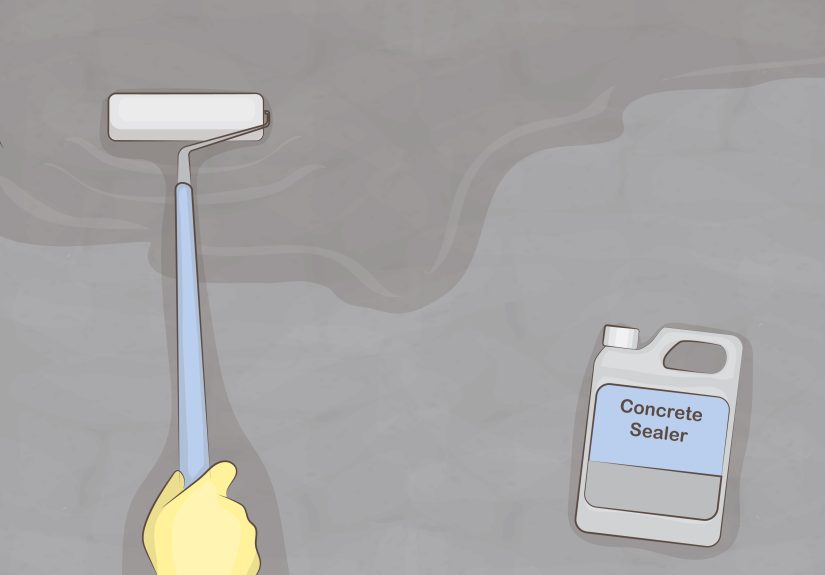
- If appropriate for your surface, consider a breathable concrete sealer once stains are fully gone and the slab is dry.
Do not seal over active stains. That’s how you turn “temporary problem” into “long-term design choice.”
Troubleshooting: When Leaf Stains Won’t Budge
If the stain lightens but comes back when wet
That often means discoloration is still in the pores (or in an existing sealer). Continue with oxygen bleach rounds,
and consider a full-surface clean rather than spot-only treatment to prevent halos.
If the stain is under a sealer
Cleaning may help, but the tannins could be trapped in the coating. In some cases, the fix is removing and replacing the sealer
a bigger project that’s often worth discussing with a pro, especially on decorative concrete.
If you’re tempted by harsh acids
Acid washing can etch concrete and create uneven coloring. It’s usually not the first-line solution for leaf stains.
If you ever go down the acid route, follow product instructions precisely, protect everything nearby, and consider professional help.
Safety Notes (Because ER Visits Kill Productivity)
- Wear gloves and eye protection for anything beyond mild soap.
- Ventilation matterseven outdoorswhen using strong cleaners.
- Never mix bleach with ammonia, vinegar, or acidic cleaners.
- Keep pets and kids away until surfaces are rinsed and dry.
- Control runoff: block storm drains if required and dispose responsibly.
Quick Recap
Leaf stains are usually tannins + moisture + time. The most reliable approach is to start gentle, move up to oxygen bleach,
spot-treat stubborn stains with peroxide if needed, and use pressure washing with careful techniquenot brute force.
Then keep leaves off the slab and consider sealing only when everything is fully clean and dry.
Extra: Real-World Experiences That Make This Way Easier (500+ Words)
If you’ve never battled leaf stains before, here’s the part most “quick tips” forget to mention: the stain you see is often only half the story.
The other half is the concrete itselfits age, porosity, previous sealers, and how evenly it absorbs water. That’s why your neighbor can swear
“vinegar fixed it in 10 minutes” while you’re on round three of oxygen bleach wondering if your driveway is secretly made of sponge cake.
One common scenario goes like this: an oak tree drops a thick layer of leaves, then a rainy week arrives. The leaves mat down into a wet blanket,
and the concrete underneath stays damp for days. When everything finally dries, the driveway has crisp, dark silhouettesalmost like leaf stencils.
In that situation, a single soap scrub rarely wins. What usually works better is a two-phase approach: first clean the whole area to remove surface grime,
then do repeated oxygen-bleach treatments to gradually lift the tannins. The key word is “gradually.” People often expect one dramatic reveal,
and when it doesn’t happen, they jump straight to harsh chemicals or aggressive pressure washing. That’s how you end up with a driveway that’s both stained
and visibly scarred.
Another pattern: overconfidence with a pressure washer. It’s easy to think, “Concrete is tough. I’ll just blast it.” But if you pause in one spot,
use a narrow nozzle, or get too close, you can create bright “wand marks” that look like accidental graffiti. Then you’re not just removing stainsyou’re
trying to make the entire slab match the accidental clean stripes. Many DIYers end up re-washing the whole driveway to hide the evidence. If pressure washing
is part of your plan, the best “experience-based” tip is to treat it like mowing a lawn: consistent overlap, consistent speed, and no weird detours.
Here’s a small but surprisingly impactful lesson people learn the hard way: letting cleaners dry on the concrete can create uneven results.
Oxygen bleach works best with dwell time, but it’s not meant to bake into a crust. On warm, sunny days, sections can dry faster than othersespecially on a slope.
The outcome can look patchy, even if the stain improved overall. A simple fix is to work in smaller zones and lightly mist with water to keep the surface damp
during the dwell period. It’s the difference between “Wow, that’s brighter” and “Why does my driveway look like a quilt?”
Landscaping is the other recurring storyline. People want clean concrete, but they don’t want to sacrifice the border of hostas in the process.
Even “gentler” products can stress plants if runoff sits at the base. The practical routine many homeowners end up adopting is: pre-wet plants, cover delicate ones,
rinse plants afterward, and avoid pushing dirty rinse water into flower beds. It’s not glamorous, but it prevents the classic springtime tragedy:
a spotless patio next to a very confused, slightly crispy hydrangea.
Finally, the most satisfying “experience” takeaway is the simplest: prevention is ridiculously effective. When folks get into the habit of blowing off leaves
after rain (or at least once or twice a week in peak fall), they often stop seeing heavy stains altogether. It’s not that stains become impossibleit’s that
tannins don’t get the time they need to set. The concrete stays brighter with less work, and cleaning becomes maintenance instead of a seasonal restoration project.
In other words, you trade one long scrubbing day for a few minutes of leaf management. Not exciting, but your back will write you a thank-you note.