Table of Contents >> Show >> Hide
If you’ve ever wondered why your cheddar is so sunset-orange or why a pot of rice suddenly glows golden, there’s a good chance you’ve met annatto – you just didn’t know its name yet. This tropical seed shows up everywhere: in cheeses, sausages, stews, and even some “all-natural” snack foods. It’s a natural colorant, a seasoning, and (depending on who you ask) a bit of a wellness darling, all rolled into one tiny seed.
In this guide, we’ll break down annatto in its four most common forms – seeds, extract, powder, and oil – and look at how it’s used, what the science says about its health effects, and how to use it safely at home without turning your kitchen into an orange crime scene.
What Is Annatto?
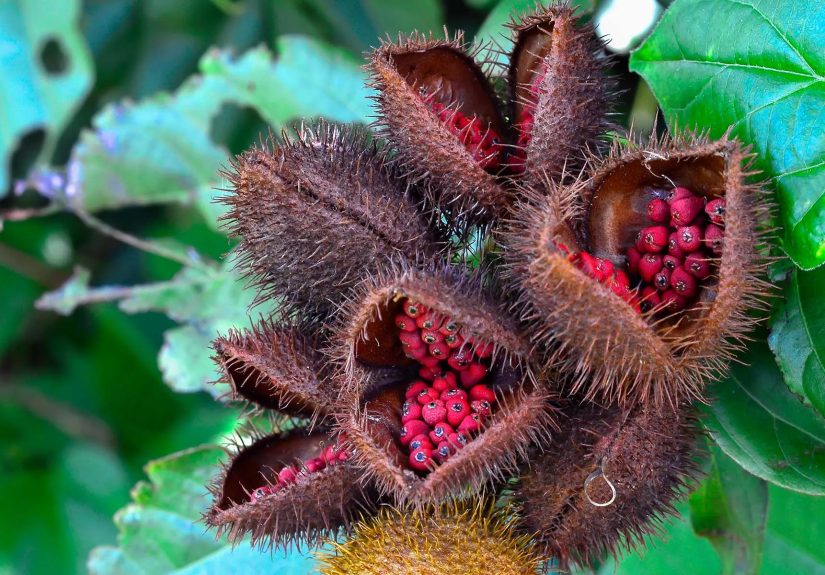
Annatto comes from the seeds of the Bixa orellana tree, a shrub native to Central and South America and the Caribbean. Its spiky, reddish pods hold small, hard, brick-colored seeds that have been used for centuries as both a spice and a natural dye in traditional cuisines across Latin America, the Caribbean, parts of Asia, and beyond.
The seeds are rich in carotenoid pigments, especially bixin and norbixin, which are responsible for that intense red-orange color. These compounds are unusual among carotenoids because they can be used in different chemical forms (oil-soluble and water-soluble), making annatto incredibly versatile for food manufacturers and home cooks.
Today, annatto is one of the most widely used natural food colorings in the world. It colors everything from cheese and margarine to cereal, baked goods, snacks, and meat products. The U.S. Food and Drug Administration (FDA) lists annatto extract as a permanently approved color additive that’s exempt from batch certification, meaning it’s considered safe when used as intended.
Annatto in Different Forms
Annatto Seeds
Whole annatto seeds are the least processed form and what you’ll see in many Latin American and Asian grocery stores. They’re small, angular, and very hard – you don’t usually bite into them directly. Instead, they’re:
- Toasted briefly in a dry pan to bring out flavor.
- Steeped in oil (or lard) to make annatto oil.
- Simmered in water and then strained to create a dye-like cooking liquid.
- Ground into powder or paste with other spices, like in Mexican recado rojo or various seasoning blends.
Flavor-wise, the seeds themselves are mild but distinctive: slightly peppery, earthy, and nutty with a whisper of floral sweetness. Think of them more as an accent than a show-stealing spice.
Annatto Extract
Annatto extract is what major food manufacturers love. It’s made by extracting bixin (oil-soluble) or norbixin (more water-soluble) from the seeds using various solvents or oils. The result is a concentrated coloring ingredient that can be added in tiny amounts to:
- Cheeses (like cheddar and Colby).
- Dairy products (butter, margarine, yogurt).
- Breakfast cereals and baked goods.
- Processed meats and snack foods.
Because it’s standardized, annatto extract lets manufacturers hit the exact same “cheddar orange” shade every time. Regulatory agencies like the FDA in the U.S. and EFSA in Europe have reviewed annatto extracts as color additives and established acceptable intake levels based on safety evaluations.
Annatto Powder and Paste
Annatto powder is typically made by grinding the dried seeds. Sometimes it’s pure annatto; other times it’s blended with salt, cornstarch, or other spices. You’ll also find annatto in seasoning pastes:
- Recado rojo / achiote paste: common in Mexican and Central American cooking, usually combined with garlic, oregano, vinegar, and other spices.
- Sazón blends: Puerto Rican and Caribbean seasoning mixes that often combine ground annatto with garlic, cumin, coriander, and more.
Powder is handy when you want both color and flavor without dealing with whole seeds. You can sprinkle it directly into rice, soups, or marinades, just like you would with paprika or turmeric.
Annatto Oil
Annatto oil is basically liquid sunshine in a bottle. It’s made by gently heating seeds in a neutral oil (like canola, vegetable, or light olive oil) until the color bleeds out and the oil turns a deep orange. Then the seeds are strained and the oil is stored for later use.
Cooks use annatto oil to:
- Sauté rice, onions, or aromatics for stews.
- Brush on poultry or pork before roasting.
- Color doughs, empanada wrappers, or savory pastries.
Flavor-wise, it’s still subtle – but because you’re using it as a cooking fat, it coats ingredients evenly and gives a striking, appetizing hue.
Culinary Uses Around the World
Annatto shows up in a surprising number of beloved dishes:
- Latin America: In Mexico and Belize, annatto paste is a key ingredient in cochinita pibil (slow-roasted pork) and in red spice blends for grilled meats. In Venezuela and Colombia, it colors traditional dishes like hallacas and scrambled eggs.
- Caribbean: Puerto Rican cooks often simmer annatto seeds in oil to make aceite de achiote for dishes like arroz con gandules (rice with pigeon peas) and various stews.
- Asia: In parts of the Philippines and Vietnam, annatto colors noodle dishes, stews, and even street foods; in some regions it’s used similarly to turmeric – more for color and subtle flavor than for heat.
- Food industry worldwide: Annatto gives a consistent “natural” orange or yellow shade to sausages, processed meats, and cured products while also contributing antioxidant activity and water- and fat-holding capacity in meat systems.
If you’re used to thinking of food dyes as artificial lab inventions, annatto flips that story. It shows that one tropical seed can do a lot of heavy lifting in both home kitchens and large-scale food production.
Nutrition and Potential Health Benefits
Annatto isn’t typically eaten by the spoonful, so you won’t use it as a major source of macronutrients. But the compounds inside the seeds have attracted serious scientific interest.
Rich in Antioxidants
The pigments bixin and norbixin, along with other polyphenols, give annatto strong antioxidant activity in lab and animal studies. These antioxidants help neutralize free radicals and reduce oxidative stress, which is linked to chronic conditions like heart disease and certain cancers.
Anti-Inflammatory and Metabolic Effects (Preliminary)
Early research suggests annatto extracts may show anti-inflammatory effects and could help modulate blood lipids and blood sugar in experimental models. Some studies have explored:
- Potential cholesterol-lowering effects and support for heart health.
- Possible protective effects against high blood sugar and related metabolic stress.
- Synergistic antioxidant activity with other nutrients that may help protect tissues from damage.
A few lab studies have also looked at bixin-rich extracts against certain cancer cell lines (like myeloma cells), where they showed promising anti-proliferative effects in test tubes. That sounds exciting, but it’s important to remember that petri dishes are not people – we don’t yet have strong clinical trials proving cancer-preventive or cancer-treating effects in humans.
Traditional Uses
Beyond modern studies, annatto and the Bixa orellana plant have a long history in traditional medicine. Leaves and seeds have been used in folk remedies for skin issues, fevers, digestive complaints, respiratory problems, and wound care across various cultures.
While traditional use is valuable cultural knowledge, it doesn’t automatically guarantee effectiveness for every condition. It does, however, offer clues that researchers are now exploring with more rigorous methods.
Safety, Allergies, and Who Should Be Careful
For most people, annatto used as a coloring or seasoning in normal food amounts appears to be safe. Regulatory agencies have set acceptable daily intakes based on toxicology data, and annatto has been widely used for decades without major population-level issues.
Allergic Reactions and Sensitivities
That said, “natural” doesn’t mean “risk-free.” There are documented cases where annatto has triggered allergic reactions, including hives, swelling, and rare episodes of anaphylaxis in sensitive individuals. Organizations that track food allergies note annatto as one of several color additives that can cause issues for some people, even though such reactions are uncommon overall.
Possible symptoms may include:
- Itchy skin, hives, or flushing.
- Swelling of lips, tongue, or face.
- Wheezing, shortness of breath, or chest tightness.
- Gastrointestinal symptoms in some people with sensitivities.
If you suspect annatto triggers symptoms for you, talk with a healthcare professional or allergist. They may recommend elimination trials, allergy work-up, or careful label reading, since annatto often appears simply as “annatto,” “annatto extract,” or “natural color” on ingredient lists.
Special Populations
A few extra cautions:
- People with existing food dye allergies: If you’re already sensitive to certain food colorings, you may want to be alert to annatto as a possible trigger and discuss it with your clinician.
- Pregnant or breastfeeding individuals: Normal food use is generally considered safe, but high-dose supplements haven’t been studied well. It’s wise to get medical guidance before taking annatto in concentrated pill or extract form.
- People with chronic conditions: Because annatto may influence inflammation and metabolism in experimental models, anyone with complex medical issues or on multiple medications should check with a healthcare provider before taking annatto supplements.
How to Buy, Store, and Use Annatto at Home
Buying Tips
When shopping for annatto seeds, powder, or oil:
- Look for bright, uniform color in seeds – they should be deep reddish-orange, not dull brown.
- Choose brands that clearly list annatto as the only coloring ingredient when possible.
- Check “best by” dates; older products can lose color intensity and flavor.
- For supplements, look for products tested by independent quality organizations, and use them only under professional guidance.
Storage
Store seeds, powder, and paste:
- In airtight containers.
- In a cool, dark cupboard away from direct sunlight and heat.
- For annatto oil, use a dark glass bottle if possible and keep it away from the stove when not in use.
Proper storage helps preserve the pigments and prevents off flavors.
Easy Ways to Use Annatto
If you’re new to annatto, try these simple ideas:
- Golden rice: Gently heat a tablespoon of annatto seeds in a few tablespoons of oil until the oil turns bright orange. Strain, then use the oil to sauté rice before adding water or broth. The result: fragrant, golden grains that look like they belong at a restaurant.
- Colorful roasted chicken: Mix annatto powder with garlic, salt, and citrus juice, then rub it over chicken. The skin comes out crisp and gorgeously bronzed.
- Vibrant soups and stews: Start your onion and garlic in annatto oil instead of plain oil to add warmth and color to bean stews, chowders, or vegetable soups.
- Homemade sazón: Blend ground annatto, cumin, coriander, garlic powder, onion powder, and a little oregano. Use it as an all-purpose seasoning for meats, rice, and vegetables.
Everyday Experiences: What It’s Like to Cook with Annatto
Reading about annatto is one thing; cooking with it is where the fun really starts. If you’re used to adding turmeric or paprika “for color,” annatto fits right into that habit – just with its own personality.
The first thing you’ll notice is how quickly the color releases. Drop a few seeds into warm oil and within a minute or two, the oil starts to glow orange. It’s like a time-lapse sunset happening in your skillet. Keep the heat low, though: annatto can burn and turn bitter if you crank the burner too high. Think gentle “tea steeping” energy, not stir-fry intensity.
Home cooks often describe their first annatto experiment as surprisingly low-risk. Unlike hot chiles or super fragrant spices, it’s hard to “annatto-bomb” a dish. The flavor is mild, so even if you overshoot a little on color, your food won’t suddenly taste like something unrecognizable. That makes annatto perfect for people who want to play with more global flavors without totally leaving their comfort zone.
Many families discover annatto through a specific recipe passed down or shared by friends: a Yucatecan-style pork roast, a pot of rice and beans that looks like sunshine, or a Puerto Rican arroz con gandules made for the holidays. Once annatto oil becomes “that little bottle you keep near the stove,” it tends to show up everywhere. A drizzle goes into scrambled eggs for weekend brunch, or into the pan when sautéing veggies for taco night. It turns weekday meals into something that feels a bit more intentional and festive, even if you’re just reheating leftovers.
From a practical standpoint, annatto also nudges you to pay more attention to the visual side of cooking. When you see onions turn from pale to golden-orange or watch a pot of once-plain rice transform into a richly colored side dish, you start to think about color as part of flavor. That vibrant hue can make plant-forward dishes feel more appealing, especially for kids (and adults) who eat with their eyes first.
Of course, not every annatto story is perfect. Because the seeds are hard, anyone who forgets to strain them out of oil or sauce quickly learns that biting one is like chewing a tiny pebble. Grinding them at home without a proper spice grinder can also be a challenge; they’re surprisingly tough on mortar and pestle. That’s one reason many busy home cooks eventually gravitate to powder or ready-made pastes for everyday use.
Another real-world lesson: labels matter. People with sensitive digestion or a history of food allergies sometimes only discover annatto when they start tracking ingredients carefully, trying to figure out why certain brightly colored snacks or cheeses don’t agree with them. For them, the “natural color” may be a clue worth talking about with a clinician, especially since annatto is one of the better known natural colorants reported in some allergy case studies.
Overall, though, most everyday experiences with annatto are positive and pretty simple: it’s a way to make food look more appealing, nod toward traditions from around the world, and experiment with something new that doesn’t demand advanced cooking skills. Whether you stick to occasionally coloring a pot of rice or go all-in with homemade annatto oil and spice pastes, this small seed can bring big personality to your kitchen.
The bottom line? Annatto is a natural colorant and spice with a long culinary history, interesting early research on its health-related compounds, and a mostly solid safety record when used in normal amounts. Respect it if you have allergies, keep your heat low when you’re infusing it into oil, and enjoy how a pinch of tiny red seeds can make dinner look a lot more exciting.