Table of Contents >> Show >> Hide
- Why Weeds Love Cracks (and Why You Should Care)
- Method 1: Manual Removal – The Old-School, Super-Reliable Way
- Method 2: Heat – Boiling Water and Flame Weeders
- Method 3: Spray Solutions – Vinegar and Other Weed Killers
- How to Keep Weeds from Coming Back
- Putting It All Together
- Real-World Experiences: What Actually Works Day-to-Day
You spend good money (and weekend energy) making your driveway, sidewalk, or patio look sharp…
and then the weeds show up like uninvited guests at a barbecue. They pop out of the tiniest cracks,
wave in the breeze, and silently announce to the neighborhood, “No one is in charge here.”
The good news? You don’t need a chemistry degree or a flamethrower (unless you really want one)
to remove weeds from cracks. With a few simple tools, some heat, and a couple of safe weed-killing
solutions, you can clear those joints and keep them looking clean much longer.
In this guide, we’ll walk through three practical, easy-to-apply methods to remove weeds from cracks
in your driveway, sidewalk, or paver patio. We’ll also cover how to prevent those stubborn plants from
coming back so your outdoor spaces stay tidy and trip-hazard-free.
Why Weeds Love Cracks (and Why You Should Care)
Cracks in concrete, asphalt, and pavers are basically tiny apartments for weeds: they trap dust,
organic debris, and moisture. Over time, wind-blown seeds land there, germinate, and send roots
deeper into the gaps. As the weeds grow, their roots can widen cracks, allow more water in, and
ultimately weaken the surface.
Besides looking messy, weeds in cracks can:
- Trap moisture and accelerate cracking and spalling in concrete and asphalt.
- Create small trip points and uneven areas in walkways.
- Spread seeds into your lawn and garden beds, starting new weed problems.
So yes, it’s absolutely worth dealing with those “tiny” weeds before they turn into a bigger maintenance headache.
Method 1: Manual Removal – The Old-School, Super-Reliable Way
Let’s start with the most basic method: physically removing the weeds. It’s low-tech, inexpensive, and
surprisingly effective, especially if you do it regularly.
Step 1: Soften the soil first
Weeds pull out much more easily when the soil and debris in the cracks are slightly moist. Plan to weed:
- After a light rain, or
- After you’ve lightly watered the area and waited 15–30 minutes.
Moisture helps loosen the dust, sand, and tiny particles around the roots so they slide out instead of snapping off.
Step 2: Use the right tools for the job
You can technically pull weeds by hand, but cracks are tight spaces. A few helpful tools can make a big difference:
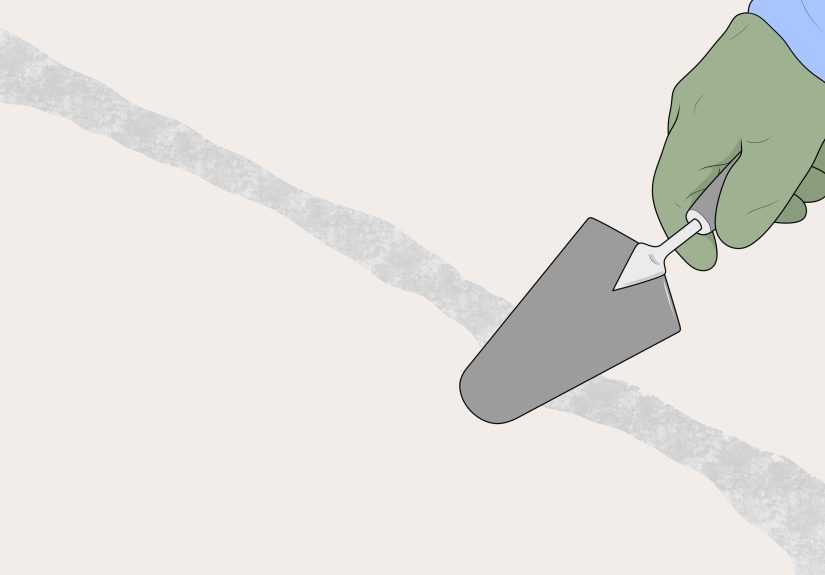
- Crack weeder or patio knife: A thin, L-shaped or hook-shaped blade that slides between pavers or concrete joints and slices roots.
- Hori-hori knife or weeding knife: A sturdy, multipurpose blade that can cut and pry out stubborn weeds in deeper cracks.
- Telescoping crack weeder: A long-handled tool that lets you stand upright while scraping weeds out of joints (great for your back).
- Stiff wire brush or patio brush: After loosening weeds, you can sweep out small roots, moss, and debris.
Step 3: Pull from the root, not just the leaves
The goal is not just to make the weeds “disappear” from sight but to remove as much root as possible.
Slide your tool underneath the crown of the plant, twist gently, and lift. If the entire root system
comes up, that weed is unlikely to come back quickly.
If a root snaps off deep in the crack, don’t stressjust combine this method with one of the other two
(heat or sprays) to finish the job.
Step 4: Clean out the joints
After pulling, use a small broom or brush to remove loose debris and bits of root. This makes it harder
for new seeds to find cozy spots to germinate. For paver patios, you can then refill the joints with sand
or polymeric sand (more on that in the prevention section).
Method 2: Heat – Boiling Water and Flame Weeders
If bending down isn’t your favorite activity, or you’re dealing with lots of fine grass and tiny weeds,
heat can be your best friend. Heat-based methods work by damaging plant tissues so the weed dries out and dies.
Option A: Boiling water (simple and chemical-free)
Boiling water is one of the simplest ways to kill weeds in cracks, especially in sidewalks and driveways.
Here’s how to use it safely:
- Boil a kettle or large pot of water.
- Carefully carry it outside (use oven mitts and watch your footing).
- Pour a thin, steady stream directly onto the weeds growing in the cracks.
Boiling water works best on young, shallow-rooted weeds. The extreme heat instantly damages the leaves and stems,
and often the upper portion of the roots. Tough perennials with deep roots may need multiple treatments over a few days.
Safety tip: Keep pets and kids away until the water cools and the pavement is safe to walk on again.
Avoid pouring boiling water near desirable plants whose roots may extend under the concrete.
Option B: Flame weeders (for stubborn patches)
Flame weeders use a small propane torch to apply quick bursts of heat to the weeds. You’re not trying to incinerate
the plant into ashjust heat it enough so the cells burst and the plant wilts over the next day or two.
Basic tips:
- Move the flame slowly over the leaves until they turn slightly darker or glossy.
- Avoid using flame weeders on very dry, windy days (fire hazard).
- Keep a hose or bucket of water nearby, just in case.
- Never use over mulch, dry leaves, or near flammable structures or materials.
Flame weeders are especially useful along long driveway edges or gravel areas where hand-pulling every tiny weed
would take forever. They work best as part of a regular maintenance routinequick passes every few weeks can keep
cracks clear with minimal bending and pulling.
Method 3: Spray Solutions – Vinegar and Other Weed Killers
When you’ve got a lot of weeds in cracks, or you want a method that doesn’t involve as much scraping or bending,
sprays can step in. You can choose between natural/DIY weed killers and commercial herbicides, depending on
your comfort level and the area you’re treating.
Option A: Vinegar-based DIY weed killers
Vinegar is a popular ingredient in homemade weed killer, especially for sidewalks, driveways, and patios where
you don’t want plants at all. The acetic acid in vinegar dries out plant tissue and can kill many annual weeds
and seedlings.
A common recipe for cracks and hard surfaces:
- 1 gallon of white vinegar (household or horticultural, depending on local regulations and availability)
- 1 cup of table or rock salt (optional, but only where you never want anything to grow)
- 1–2 tablespoons of liquid dish soap (helps the mix stick to leaves)
Mix in a garden sprayer, then:
- Spray directly on the leaves and into the cracks on a dry, sunny day.
- Avoid overspray onto lawns, garden beds, or tree roots.
- Repeat as neededvinegar usually works best on young, tender growth.
Important: Salt-based mixes can damage surrounding soil and nearby landscaping over time.
They’re best reserved for areas like driveways or paths where you permanently want a “no-plant zone,” and even
then, use them sparingly.
Option B: Commercial herbicides (use with care)
Non-selective herbicides (like products containing glyphosate or other broad-spectrum ingredients) can very
effectively kill weeds in cracks, roots and all. But they must be used carefully:
- Always read and follow the label instructions exactly.
- Apply on calm days to avoid spray drift onto lawns, flower beds, or vegetables.
- Wear gloves, closed-toe shoes, and eye protection as recommended.
- Keep children and pets away until the product has dried and it’s safe to reenter.
If you’re concerned about pollinators, pets, or runoff, stick with targeted applications, avoid spraying near
drains or stormwater systems, and consider combining small amounts of herbicide with manual removal for a more
balanced approach.
How to Keep Weeds from Coming Back
Removing weeds is step one. Preventing new weeds from moving into those cracks is step two. If you skip prevention,
the cracks will usually be full again within a few weeks or months, especially in warm, rainy climates.
Refill and seal gaps
Once you’ve cleared weeds and debris:
- For pavers: Sweep sand or polymeric sand into the joints. Polymeric sand hardens slightly when activated with water, making it harder for weeds to take hold.
- For concrete or asphalt: Use appropriate crack filler, caulk, or sealant to close gaps and reduce moisture and seed buildup.
Filled, sealed joints don’t just look cleanerthey also protect your hardscape from water damage and frost heave.
Adopt a quick maintenance routine
Put “driveway and patio weed check” on your calendar every few weeks during the growing season. The earlier you catch
new sprouts, the easier they are to pull or zap with boiling water or vinegar.
A simple routine:
- Walk your driveway and patio every 2–4 weeks.
- Hand-pull any small weeds you see or hit them with boiling water or a quick spray.
- Top up sand or sealant in areas where cracks are reopening.
Ten minutes of maintenance every few weeks beats a full weekend of scraping jungle-level weeds out of every crack.
Putting It All Together
Removing weeds from cracks doesn’t have to be a miserable, back-breaking project. Here’s a simple strategy:
- Start with manual removal: Use a crack weeder, knife, or brush to rip out as many weeds (and roots) as possible.
- Use heat or sprays for follow-up: Boiling water, flame weeders, or vinegar-based sprays can finish off leftovers and tiny seedlings.
- Prevent regrowth: Refill joints with sand or polymeric sand, seal obvious cracks, and do quick inspections every few weeks.
With these three simple methods working together, you can keep your sidewalks, driveways, and patios looking neatno jungle, no cracks stuffed with dandelions, and no guilt when you look out the window and see a clean, tidy path.
Real-World Experiences: What Actually Works Day-to-Day
Techniques are great on paper, but how do they play out in real backyards and driveways? Here are some practical,
experience-based tips to help you choose the right strategy for your situation.
Matching methods to your space
If you have a small urban patio or a short front walkway, manual removal plus a little boiling water may be all you need.
You can walk the area in ten minutes, pluck out anything green, and pour boiling water on stubborn clusters.
For small spaces, overcomplicating things with big tools or strong chemicals often isn’t worth it.
On the other hand, if you live on a corner lot with a long sidewalk and wide driveway, you may find that manual pulling alone
gets old quickly. Many people in that situation settle on a hybrid approach: using a flame weeder or electric weed brush
to “knock back” most of the weeds, then following up with spot-pulling in a few key areas.
The learning curve with DIY sprays
One common experience with vinegar and other DIY weed killers is expecting them to behave like strong commercial herbicides.
In reality, most household-strength vinegar and mild mixes work best on small, young weeds and usually require:
- Bright, sunny, dry weather (so the leaves dry quickly).
- Direct, thorough coverage of the foliage.
- Repeat applications on tougher or older plants.
People often report “it didn’t work” when they spray once on a cool, cloudy day or on mature weeds with deep roots.
Adjust your expectations: DIY mixes are great for surface control, but they’re not magic for big, woody weeds in deep cracks.
Time versus effort: finding your balance
There’s always a tradeoff between time, effort, and how pristine you want your hardscape to look:
- Low effort, okay with a few weeds: Quick boil-and-pour treatment once a month and occasional hand-pulling.
- Medium effort, tidy look: Monthly crack weeding plus polymeric sand in paver joints, and seasonal sealing of concrete cracks.
- High precision, super clean look: Regular manual weeding, targeted sprays or flame weeding every few weeks, and strict prevention (sealed cracks, refilled joints, and careful sweeping to remove debris).
The trick is to choose a level you can actually maintain. A “perfect” plan you never follow is less useful than
a simple routine you actually stick with.
Seasonal timing makes a big difference
Another thing people notice after a season or two: timing is everything.
- Early spring: Great time to get ahead of weed growth by scraping and pulling tiny sprouts from cracks.
- Late spring to midsummer: Focus on maintenancequick passes with boiling water, vinegar sprays, or a flame weeder.
- Late summer to fall: Pull and clear weeds thoroughly, then seal or refill cracks before winter to reduce frost damage and spring sprouting.
If you treat weed removal from cracks as a year-round habitrather than a once-a-year crisisit becomes much easier and faster.
Choosing what counts as “good enough”
Realistically, most outdoor spaces will never be 100% weed-free. A single dandelion seed floating on the wind can set up shop
in a hairline crack. That’s okay. The goal is to prevent thick, rooty growth that damages your concrete and makes your patio
look wild, not to chase every microscopic sprout.
Many homeowners find peace with a “good enough” standard: clean, defined cracks, no obvious patches of grass or tall weeds,
and a quick 5–10-minute check whenever they’re outside watering or grilling. With the three main methodsmanual removal,
heat, and targeted spraysin your toolkit, you can hit that standard without dedicating every weekend to the war on weeds.
The bottom line: choose the methods that fit your space, your schedule, and your comfort level. Start small, stay consistent,
and your driveway and patio cracks will stay mostly weed-freewith a lot less stress and a lot more pride when you pull into
the driveway and see clean lines instead of green chaos.