Table of Contents >> Show >> Hide
- Dandruff 101: what’s actually happening on your scalp?
- So… can dandruff cause hair loss?
- Why dandruff happens in the first place
- Treatments that actually work (and how to use them)
- Home remedies: which ones are fine, which ones are folklore
- When to see a dermatologist (or at least stop guessing)
- Prevention and relapse-proofing: keeping flakes from coming back
- Takeaway
- Real-life experiences: what people notice (and what usually helps)
- SEO Tags
Dandruff is annoying in the same way a tiny pebble in your shoe is annoying: it’s not life-threatening, but it can absolutely
ruin your day (and your black T-shirt). If you’ve noticed more hair in your brush while your scalp is flaking, it’s normal to
wonder: Is dandruff making my hair fall out?
Here’s the deal: dandruff usually doesn’t cause permanent hair loss on its own. But the itch, inflammation,
and “I must scratch this immediately” spiral can contribute to temporary sheddingand sometimes dandruff is a
clue that a more inflammatory scalp condition is happening. Let’s connect the dots (without connecting flakes to your
shoulders, ideally).
Dandruff 101: what’s actually happening on your scalp?
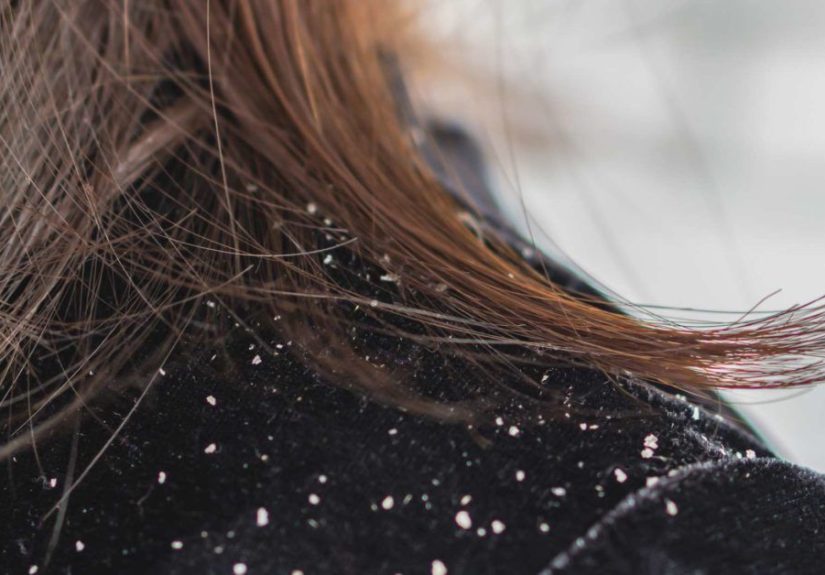
Dandruff is a form of scalp flakingthose white or yellowish bits of skin that show up in your hair and on your clothes.
It can come with itching and mild irritation. In many people, dandruff overlaps with a related condition called
seborrheic dermatitis, which tends to be more inflamed (think redness, greasier scale, and bigger itch).
Is it dandruff… or a dandruff look-alike?
Flakes aren’t always “just dandruff.” A dry scalp from harsh products or winter air can mimic dandruff. And other conditions
can also cause scaling and itching, including:
- Scalp psoriasis (thicker, more adherent scale; may extend beyond the hairline)
- Atopic dermatitis/eczema (itchy, sensitive skin; can flare with allergens and stress)
- Contact dermatitis (reaction to hair dye, fragrance, new styling products)
- Tinea capitis (scalp ringworm) (more common in kids; can cause patchy hair loss and broken hairs)
- Folliculitis (inflamed follicles; can look like pimples and feel tender)
Why does this matter? Because “dandruff shampoo didn’t work” sometimes means you’re treating the wrong thing.
So… can dandruff cause hair loss?
The honest answer: not directly, but it can contribute
Dandruff itself is mainly about accelerated shedding of scalp skin cells. By itself, it typically doesn’t permanently
damage hair follicles. However, dandruff can be tied to hair shedding in a few very real ways:
-
Scratching and rubbing: Intense itching can lead to aggressive scratching (sometimes in your sleep), which
can break hairs, irritate follicles, and increase shedding. This is usually reversible once the itch is controlled. -
Inflammation: If dandruff is part of seborrheic dermatitis, the scalp may be inflamed. Inflammation can
disrupt the “happy place” hair follicles prefer and may worsen shedding in some people. -
Secondary infection or irritation: Broken skin from scratching can invite irritation and sometimes infection,
which can further inflame the scalp. -
Hair care chaos: When flakes hit, people sometimes panic-switch products, over-wash, under-wash, scrub with
questionable vigor, or apply heavy oils that can worsen certain yeast-driven flaking. The scalp, understandably, files a complaint.
The key phrase is temporary shedding. Once you calm the scalp and stop the itch-scratch cycle, many people
notice shedding improves and hair fullness rebounds over time.
When hair loss is probably not dandruff’s fault
It’s also common for dandruff and hair loss to show up around the same time for totally unrelated reasons. Hair loss has a
long list of potential causes, including:
- Androgenetic alopecia (genetic pattern hair loss)
- Telogen effluvium (shedding after stress, illness, major life events, postpartum changes)
- Thyroid issues, iron deficiency, or other nutritional problems
- Traction alopecia (tight hairstyles pulling hair over time)
- Alopecia areata (sudden patchy hair loss)
A helpful rule of thumb: if hair loss is patchy, rapidly worsening, associated with pain, oozing, thick crust,
or you’re seeing broken hairs and bald spots, don’t assume it’s “just dandruff.”
Why dandruff happens in the first place
Yeast, oil, and your immune system’s drama
One leading explanation involves a yeast called Malassezia, which naturally lives on many scalps. In some
people, it can overgrow or trigger an exaggerated inflammatory responseespecially in oilier areasleading to scaling,
itching, and irritation. In seborrheic dermatitis, that inflammation tends to be more obvious.
Common triggers that flip the “flake switch”
Dandruff and seborrheic dermatitis often wax and wane. Triggers and contributors can include:
- Stress (your scalp is apparently also capable of anxiety)
- Cold, dry weather (hello, winter flakes)
- Oily scalp or product buildup
- Infrequent shampooing for some hair/scalp types (buildup can worsen flaking)
- Harsh or fragranced products (irritation/contact dermatitis)
- Skin conditions like eczema or psoriasis
Treatments that actually work (and how to use them)
Good news: dandruff is one of those problems where “use the right shampoo” is not a lazy answerit’s genuinely the main
strategy. The trick is using it correctly and giving it enough time.
OTC medicated shampoos: your starting lineup
Many over-the-counter dandruff shampoos use active ingredients that reduce yeast, slow skin cell turnover, loosen scale, or
calm irritation. Here are common options and what they’re best at:
| Active ingredient | What it does | Best for |
|---|---|---|
| Ketoconazole | Antifungal (targets yeast) | Persistent dandruff, seborrheic dermatitis |
| Selenium sulfide | Reduces yeast; slows skin cell turnover | Greasy flakes, recurring flares |
| Zinc pyrithione | Antifungal/antibacterial properties | Mild to moderate dandruff, maintenance |
| Salicylic acid | Keratolytic (helps lift and shed scale) | Thick flakes or buildup |
| Coal tar | Slows skin cell turnover; helps scaling | Stubborn scaling (note: can have odor, stain light hair) |
| Sulfur | Helps reduce flaking; mild antimicrobial effects | Some mild cases; often combined with other ingredients |
How to use medicated shampoo like it matters (because it does):
- Apply to the scalp (not just the hair lengths) and massage in.
- Let it sit for 5–10 minutes if the label recommends it. This is not the time for impatience.
- Use consistentlyoften a few times per week at first. Once controlled, many people switch to a maintenance schedule.
- If one active ingredient doesn’t work after a few weeks, try another or alternate (for example, antifungal + scale-lifter).
Prescription options when OTC isn’t enough
If flakes are intense, inflammation is obvious, or symptoms keep boomeranging back, a clinician may recommend:
- Prescription-strength antifungal shampoos or topical antifungal solutions/foams
- Short courses of topical corticosteroids to calm inflammation and itch (used carefully and not forever)
- Calcineurin inhibitors (non-steroid anti-inflammatory creams/ointments in certain cases)
The goal is to control inflammation and yeast overgrowth so your scalp stops acting like it’s auditioning for a snow globe.
Scalp-care habits that protect hair while you treat dandruff
If you’re worried about hair shedding, your mission is to treat the scalp gently while you reduce itching:
- Break the scratch cycle: Keep nails short, use cool compresses for itch, and treat with the right shampoo.
- Go easy on heat and harsh styling: Overheating and aggressive brushing can increase breakage.
- Avoid heavy oiling if you suspect seborrheic dermatitis: Yeast thrives in oily environments, and buildup can worsen flaking for some.
- Rinse thoroughly: Residue can irritate the scalp and make itching worse.
- Be patient: Hair growth is slow. Scalp improvement often shows first; hair fullness follows.
Home remedies: which ones are fine, which ones are folklore
What might help (with common-sense guardrails)
-
Gentle scalp hygiene: Regular washing with a mild shampoo can help some people, especially if buildup is
part of the problem. -
Tea tree oil: Some shampoos include it; it may have antimicrobial properties. But it can also irritate sensitive skin,
so patch-test and don’t apply concentrated oil directly to the scalp without guidance. - Aloe: Can feel soothing for irritation in some people, though evidence varies and reactions can happen.
What to be cautious with
-
Apple cider vinegar rinses: Some people swear by it, but it can irritate or burn, especially if the scalp is already inflamed or scratched.
If you try it, dilute heavily and stop if stinging occurs. -
Heavy oils on a flaky scalp: If your flaking is yeast-driven, oil can sometimes worsen it by adding more “fuel” to a greasy environment.
(Your scalp does not need a deep-fryer moment.)
Bottom line: home remedies can be supportive, but medicated shampoos have the strongest evidence for common dandruff and seborrheic dermatitis.
If your scalp is red, painful, or oozing, skip experiments and get evaluated.
When to see a dermatologist (or at least stop guessing)
It’s time to call in a professional if you notice any of the following:
- Dandruff that doesn’t improve after 3–4 weeks of consistent medicated shampoo use
- Redness, swelling, crusting, bleeding, or significant pain
- Patchy hair loss, broken hairs, or bald spots (especially in children)
- Signs of infection (tender bumps, pus, spreading redness)
- Flaking that also affects the face, eyebrows, ears, or chest (possible seborrheic dermatitis)
A dermatologist can tell whether you’re dealing with dandruff, seborrheic dermatitis, psoriasis, a fungal infection, or another conditionand tailor treatment
so you’re not playing “shampoo roulette.”
Prevention and relapse-proofing: keeping flakes from coming back
Dandruff can be a recurring guest who never learns social cues. Once symptoms improve, maintenance is often the secret sauce:
- Use your medicated shampoo once weekly or as needed to prevent flares (based on your scalp’s patterns).
- Alternate with a gentle shampoo if your hair gets dry.
- Manage triggers you can control: stress, product irritation, and heavy buildup.
- Be careful with new hair productsespecially fragranced leave-ins and dyesif you’re prone to scalp sensitivity.
Takeaway
Dandruff usually doesn’t cause permanent hair loss, but it can absolutely contribute to shedding through itching, scratching, and inflammationespecially if
seborrheic dermatitis is involved. The good news is that once you treat the scalp consistently (and stop the itch-scratch drama), hair often bounces back over time.
If hair loss is patchy, rapid, painful, or treatment-resistant, get a professional diagnosis so you’re fixing the right problem.
Real-life experiences: what people notice (and what usually helps)
People tend to describe the dandruff-to-shedding experience in a very specific orderalmost like a predictable TV plot twist.
First, flakes show up on dark shirts and car seats. Then the itch arrives, and suddenly you’re scratching in meetings like you’re trying to signal Morse code.
Finally, you notice extra hairs in the shower drain and wonder if your scalp is quietly evicting your hair.
One common pattern is “seasonal chaos.” Someone’s scalp is fine in summer, then winter hits, indoor heating turns the air into a desert,
and flakes start falling like it’s audition season for a holiday movie. In these cases, people often do best with a simple plan:
use a dandruff shampoo a few times per week, let it sit the full recommended time, and follow with a gentle conditioner on the hair lengths.
The biggest improvement usually happens when the itch calms downbecause less itch means less scratching, and less scratching means fewer broken hairs
and less stress on the scalp.
Another frequent experience: “I tried every oil known to humankind.” Many people reach for heavy oils because flakes look dry, so the instinct is to moisturize.
Sometimes that feels soothing for a day, but if the underlying issue is yeast-driven (like seborrheic dermatitis), the scalp can get greasier, itchier,
and flakier over time. People who switch from heavy oils to a targeted antifungal shampoo often describe it like flipping a switch:
fewer greasy flakes, less itch, and a scalp that finally stops acting offended.
People also commonly report “product whiplash.” They’ll rotate through five new shampoos in a week, add a scalp scrub, change styling products,
and then wonder why their scalp feels angry. A steadier approach tends to work better: choose one medicated shampoo, use it consistently for a few weeks,
and only change strategy if you’re truly not improving. Some people have success alternating activeslike ketoconazole one wash and salicylic acid the next
especially when flakes are thick and stubborn.
When hair shedding is part of the story, the emotional side is real. People often describe checking their brush and doing the “hair math”
(How many strands is normal? Is this too many? Is my shower drain plotting against me?). What usually brings the most relief is realizing that shedding from
scratching and inflammation is often temporary. Once the scalp is calmer, shedding tends to slow downthough hair regrowth takes time.
Many people notice the timeline like this: itch improves first, flakes reduce next, shedding decreases after that, and visible fullness is the last to return.
Finally, a not-so-rare experience: “It wasn’t dandruff after all.” Some people keep treating flakes as dandruff, but the scalp stays red, sore,
or scaly in thick plaques. Others develop patchy hair loss or broken hairs. When these folks finally see a dermatologist, they learn it’s psoriasis,
contact dermatitis, or (in kids especially) a fungal infection that needs specific treatment. The takeaway from these real-world stories is simple:
medicated shampoos can do a lot, but if you’re not improvingor if hair loss is patchy or fast-movinggetting the right diagnosis can save months
of trial-and-error (and a small fortune in “miracle scalp serums” that mainly perform miracles on marketing budgets).