Table of Contents >> Show >> Hide
- Before You Start: Prep, Planning & Preventing Future Headaches
- Framing, Insulating & Making It Feel Like a Real Room
- Drywall, Ceilings & Floors: Making the Space Feel Finished
- Lighting, Paint & Personality: Bringing the Space to Life
- Doing It Safely: A Quick but Crucial Word on Safety
- Budgeting, Saving Money & Doing Smart DIY
- The Big Reveal: Your Basement, Reborn
- of Experience-Based Tips for a Smooth DIY Basement Renovation
- Conclusion
If you’ve ever stared at your basement and thought, “This could either become a dream hangout or the set of a low-budget horror film,” welcome to the club. Basements are the final frontier of home improvementwide open, full of potential, and just unfinished enough to make you believe you’re one good weekend away from greatness. In this guide, we’ll walk through how to tackle a complete DIY basement renovation with confidence, common sense, and only a mild risk of stepping on a rogue screw.
Before You Start: Prep, Planning & Preventing Future Headaches
Every successful basement makeover begins with two things: information and aspirin. You’ll need the first to plan correctly and the second for when you realize your electrical panel looks like it was wired by a mad scientist in the 1960s.
Check for Moisture & Water Intrusion
Basements and water are like frenemiesthey coexist, but nobody’s thrilled about it. Before lifting a finger, inspect for leaks, condensation, mold, or suspicious wet spots. Use a hygrometer, look for flaking concrete, check windows, and run a dehumidifier if needed. Seal cracks with hydraulic cement and apply waterproofing coatings when appropriate.
Inspect Electrical & Plumbing
Upgrading electrical lines, replacing outdated breakers, or rerouting plumbing may require professional assistance. But doing the prep workmapping outlets, measuring fixture loads, identifying old plumbing runscan save time and money. Consider adding dedicated circuits for a home theater, kitchenette, or laundry if you’re planning a multi-functional space.
Create a Layout That Actually Makes Sense
The best basement remodels balance beauty with practicality. Divide zones based on your needs: a TV area, a workshop, a playroom, a guest suite, or even a gym. Open-concept layouts are trendy, but don’t be afraid to add walls or half-walls for privacy or sound control (especially if you have teenagers who listen to music with bass that can destabilize drywall).
Framing, Insulating & Making It Feel Like a Real Room
Framing the Walls
Use pressure-treated lumber for bottom plates and standard studs for the rest. Space studs 16 inches on center and remember that the straighter the wood, the fewer midnight meltdowns you’ll have down the road. When framing around ducts and pipes, allow enough room for access panels and future maintenance.
Choosing the Right Insulation
Fiberglass batts, rigid foam board, and spray foam each have pros and cons. Spray foam is superior for air sealing but pricier; fiberglass is cost-effective but requires a strong vapor barrier; foam board is a happy medium for many DIYers. Insulate exterior walls thoroughlyyour winter heating bill will thank you.
Soundproofing for Peace & Sanity
If you plan a home theater or a teenager’s gaming cave, you’ll want sound insulation. Use acoustic insulation batts, resilient channels, or sound-dampening drywall for a noticeable improvement. Your future self sipping tea upstairs in blissful quiet will deeply appreciate it.
Drywall, Ceilings & Floors: Making the Space Feel Finished
Installing Drywall Without Losing Your Mind
Drywalling is the physical equivalent of meditationif meditation included lifting heavy panels and getting joint compound in your hair. Hang sheets horizontally for fewer seams, tape with paper tape (stronger), and sand carefully. Prime the walls before painting to improve adhesion and brightness.
Choosing a Basement-Friendly Ceiling
You have three popular ceiling options:
- Drywall ceilings: Clean and seamless, but harder to access for repairs.
- Drop ceilings: Easy to maintain and hide utilities, now available in attractive modern designs.
- Exposed ceilings: Industrial chic if you paint everything matte black or white.
Match the ceiling style to your design goals and utility needs.
Flooring Options That Can Handle Real Life
Basement floors need durability and moisture resistance. Popular materials include:
- Luxury vinyl plank (LVP): Waterproof, stylish, floating installation.
- Engineered wood: Beautiful and slightly pricier, performs better than solid hardwood in below-grade spaces.
- Tile: Great for laundry or bathroom areas.
- Epoxy coatings: Perfect for gym zones or sleek modern designs.
Add area rugs for warmth, texture, and a more inviting feel.
Lighting, Paint & Personality: Bringing the Space to Life
Lighting That Doesn’t Feel Like a Basement
Most basements suffer from what designers politely call “subterranean gloom.” Fix it with layered lighting: recessed lights for general illumination, sconces for ambiance, and task lighting for kitchens, bars, or office nooks. Use daylight LED bulbs to mimic natural light and keep the vibe fresh.
Choosing Paint Colors That Work Below Ground
Stick to lighter shadessoft grays, warm whites, pale blues, earthy taupes. Dark tones can work, but only if paired with strong lighting and balanced décor. Satin or eggshell finishes help bounce light around.
Adding Character With Finishing Touches
This is where your creativity shines. Add shiplap accent walls, custom shelving, reclaimed wood bars, or built-in seating. Decorate with throw pillows, wall art, cozy textiles, and indoor plants that thrive in low light. A basement should feel like a stylish extension of your home, not an afterthought.
Doing It Safely: A Quick but Crucial Word on Safety
Wear protective gear, follow code guidelines, and pull permits when necessary. Use GFCI outlets near water sources, secure load-bearing walls, install proper egress windows in bedrooms, and anchor stair railings. DIY is fun, but DIY while ignoring safety codes is… not advised.
Budgeting, Saving Money & Doing Smart DIY
Basement renovations can range widely in cost. A frugal DIY remodel may clock in at $8,000–$15,000, while full luxury conversions with kitchens and bathrooms can hit $30,000–$70,000. Save money by doing demolition, painting, framing, flooring, and design yourself while leaving complex electrical or plumbing tasks to licensed pros.
The Big Reveal: Your Basement, Reborn
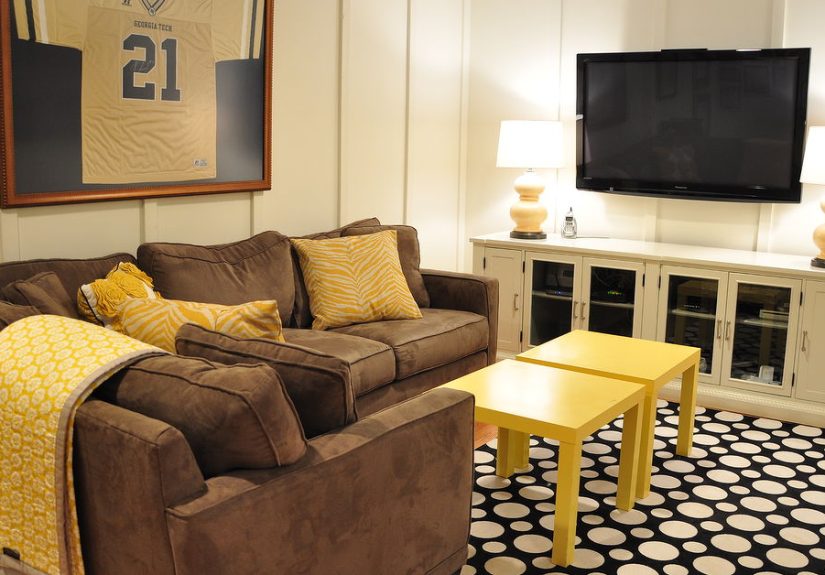
When it’s all finishedfresh paint, perfect lighting, new flooring, and furniture that screams “you nailed it”your basement becomes a whole new world. A hangout spot, a guest suite, a home office, or even a personal movie theater. The best part? You built it yourself. No contractor horror stories, no ghosting, no vanished deposit.
of Experience-Based Tips for a Smooth DIY Basement Renovation
After watching countless DIYers share their stories and spending too many weekends buried in renovation forums, I’ve gathered experience-backed insights that will save you stress, money, and possibly your back.
1. Expect everything to take longer than you think.
If you believe you can drywall a 700-square-foot basement in a weekend, that optimism is admirable… and unrealistic. Padding your timeline by 30% is smart. Padding by 50% is wise. Padding by 70% is honest.
2. Label everythingwires, studs, plumbing shuts-offs.
Future you will thank present you when something inevitably needs repair or modification. Small labels now prevent big headaches later.
3. Don’t skip subfloor insulation.
Even if your basement “feels warm,” temperatures drop fast during winter. A good insulated subfloor keeps feet warm and floors stable. Many DIYers regret skipping this step when January arrives.
4. Measure ceilings carefully.
Low ceilings create challengesespecially when adding ducts, insulation, or lighting. Sometimes even ½ inch makes a huge difference. Sketch your space with precise measurements before committing to a ceiling type.
5. Test paint colors under basement lighting.
What looks like elegant gray under store lights may turn into “confused lavender” under basement LEDs. Always test swatches on several walls.
6. Choose washable surfaces.
Basements often double as high-traffic zones. Durable, cleanable paints and scratch-resistant floors survive clutter, spills, pets, and occasional chaos.
7. Keep every receipt and document upgrades.
When selling your home, a finished basement can boost value significantlybut only if the work is documented. Save receipts, photos, and permit confirmations.
8. Prioritize comfort.
Add area rugs, floor lamps, fabric seating, and textured décor. Basements can feel cold or sterile without thoughtful warming elements.
9. Always overdo lighting.
Homeowners rarely regret adding more lights. But many regret not adding enough. Install dimmers to control brightness and adapt to activities.
10. Break the project into phases.
Renovating an entire basement is overwhelming. Splitting work into manageable chunksdemo, framing, electrical, drywall, finishingkeeps motivation high and chaos low.
Conclusion
A complete DIY basement renovation is equal parts planning, problem-solving, creativity, and confidence. With thoughtful preparation, smart upgrades, and a bit of humor, you can transform a dark, dusty space into one of the most beautiful rooms in your home. And the best part? It’s your work, your vision, and your success.
SEO JSON