Table of Contents >> Show >> Hide
- What Is Enterocolitis?
- Types of Enterocolitis (And Why the “Type” Matters)
- 1) Infectious Enterocolitis
- 2) Antibiotic-Associated Enterocolitis (Including C. diff)
- 3) Ischemic Enterocolitis / Ischemic Colitis
- 4) Inflammatory Bowel Disease–Related Inflammation
- 5) Necrotizing Enterocolitis (NEC) in Newborns
- 6) Medication-, Radiation-, and Immune-Related Enterocolitis
- 7) Neutropenic Enterocolitis (Typhlitis)
- Symptoms of Enterocolitis
- How Enterocolitis Is Diagnosed
- Treatment: What Actually Helps (And What Depends on the Cause)
- Diet for Enterocolitis: What to Eat (and Avoid) During a Flare
- Prevention Tips (Because Nobody Has Time for Surprise Diarrhea)
- What to Expect: Recovery and Follow-Up
- Experiences: What People Commonly Report (And What They Wish They’d Known)
- Experience 1: “I Thought It Was Just a Stomach Bug… Until Day Four”
- Experience 2: Antibiotics, Then “Bathroom Chaos” (The C. diff Plot Twist)
- Experience 3: The Food Re-Introduction Guessing Game
- Experience 4: Ischemic Colitis Feels Differentand Scary
- Experience 5: Chronic Inflammation and the Emotional Weight
- Experience 6: Families Navigating NEC
- Conclusion
Quick note: This article is for general education, not a diagnosis. If you have severe symptoms (high fever, dehydration, intense belly pain, confusion, black/tarry stools, or blood in stool), seek urgent medical care.
What Is Enterocolitis?
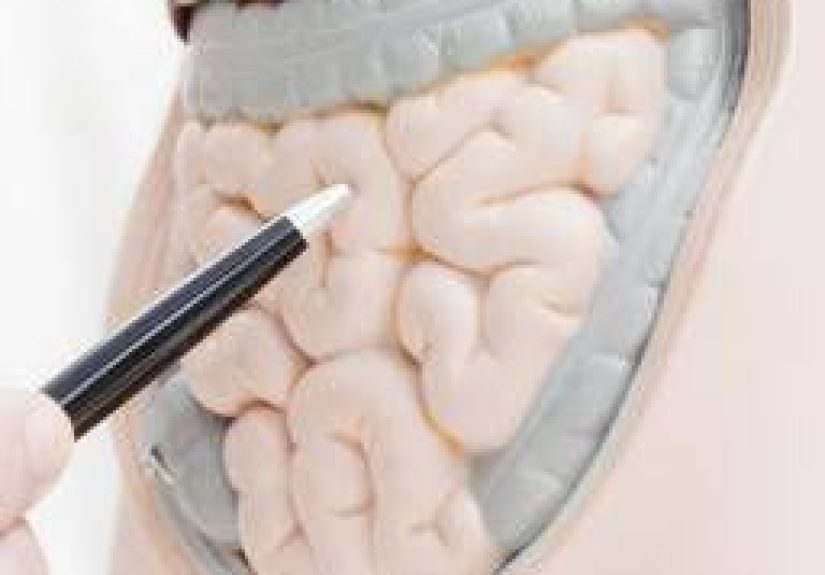
“Enterocolitis” is a broad term meaning inflammation of both the small intestine (“entero-”) and the colon (“-colitis”).
That’s like your digestive tract throwing a two-part tantrum: the small intestine is upset, the colon joins the group chat, and suddenly your bathroom schedule becomes… ambitious.
Enterocolitis isn’t one single disease. It’s a pattern that can be triggered by infections, reduced blood flow, certain medicines, autoimmune inflammation, ormost famously in newborn carenecrotizing enterocolitis (NEC).
The right treatment depends on the cause, your symptoms, and how sick you are.
Types of Enterocolitis (And Why the “Type” Matters)
Think of “enterocolitis” like “car trouble.” Helpful, yesbut you still need to know whether it’s a flat tire or an engine issue.
Here are the main categories you’ll see in real-life medical settings:
1) Infectious Enterocolitis
This is the most common bucket. Germs irritate the gut lining, leading to inflammation and diarrhea. Common culprits include:
- Viruses (often sudden watery diarrhea, nausea, low-grade fever)
- Bacteria (can cause fever, cramping, and sometimes bloody stools)
- Parasites (often longer-lasting diarrhea, bloating, and fatigue)
Food poisoning, contaminated water, travel exposures, and outbreaks in group settings can all play a role.
Many cases improve with supportive care, but some bacterial infections need testing and targeted treatment.
2) Antibiotic-Associated Enterocolitis (Including C. diff)
Antibiotics can disrupt the normal balance of gut bacteria. In some people, that disruption allows Clostridioides difficile (C. diff) to overgrow and produce toxins that inflame the colon.
Symptoms may start during antibiotic use or weeks afterward and can range from persistent watery diarrhea to severe illness.
This is one reason clinicians don’t love “just in case” antibiotics. Your gut microbiome keeps receipts.
3) Ischemic Enterocolitis / Ischemic Colitis
“Ischemic” means reduced blood flow. When the colon (and sometimes nearby bowel) doesn’t get enough oxygen-rich blood, tissue becomes inflamed and can bleed.
Ischemic colitis is more common in older adults and people with cardiovascular risk factors, but it can happen in other settings too (severe dehydration, low blood pressure, certain medications, clotting issues).
A classic presentation is sudden belly pain with bloody stool or urgent diarrheaoften prompting evaluation.
4) Inflammatory Bowel Disease–Related Inflammation
Conditions like ulcerative colitis and Crohn’s disease can inflame the colon and sometimes the small intestine.
These are chronic inflammatory disorders with periods of flare and remission.
When inflammation is active, people may experience diarrhea, urgency, abdominal pain, fatigue, and weight loss.
5) Necrotizing Enterocolitis (NEC) in Newborns
NEC is a serious intestinal disease seen mostly in premature or medically fragile newborns.
It involves intestinal inflammation and injury that can progress quickly.
Treatment often includes bowel rest (stopping feeds), IV nutrition, antibiotics, and sometimes surgery depending on severity.
6) Medication-, Radiation-, and Immune-Related Enterocolitis
Some medications and cancer treatments can inflame the gut lining. Radiation therapy to the abdomen/pelvis may cause “radiation enterocolitis.”
Certain immune therapies can also trigger gut inflammation.
The management here focuses on identifying the trigger and treating inflammation while preventing dehydration and complications.
7) Neutropenic Enterocolitis (Typhlitis)
In people with very low white blood cellsoften during chemotherapysevere inflammation can develop in the bowel.
This is an urgent medical condition requiring prompt evaluation and treatment.
Symptoms of Enterocolitis
Symptoms vary by cause, but the greatest hits often include:
- Diarrhea (watery or loose; sometimes bloody depending on cause)
- Abdominal cramps or pain
- Nausea and vomiting
- Fever or chills (more common with infections)
- Bloating and tenderness
- Urgency (the “I need a bathroom 12 seconds ago” feeling)
- Fatigue and weakness
Red Flags: When to Get Help Fast
Don’t “tough it out” if any of these show up:
- Signs of dehydration (dizziness, fainting, very dark urine, minimal urination, dry mouth)
- Severe or worsening abdominal pain
- Blood in stool, black/tarry stools, or passing blood without stool
- High fever or symptoms lasting more than a couple of days with significant weakness
- Persistent vomiting or inability to keep fluids down
- Symptoms in infants, older adults, pregnant people, or immunocompromised patients
How Enterocolitis Is Diagnosed
Diagnosis is usually a mix of detective work (history), a physical exam, and targeted testing.
Your clinician is trying to answer: Is this infectious, inflammatory, ischemic, medication-related, or something else?
History and Exam
- When symptoms started and how severe they are
- Recent travel, suspicious food/water exposures, sick contacts
- Recent antibiotics or hospital stays (raises concern for C. diff)
- Medical history (IBD, vascular disease, immune suppression)
- Hydration status and abdominal tenderness
Common Tests
- Stool tests (for pathogens, toxins like C. diff, sometimes blood or inflammatory markers)
- Blood tests (electrolytes, kidney function, signs of infection/inflammation, anemia)
- Imaging (CT scan or ultrasound if severe pain, concern for ischemia, complications, or unclear diagnosis)
- Colonoscopy (sometimes used when ischemic colitis or IBD is suspected, or when symptoms persist)
If symptoms are mild and improving, you may not need extensive testing.
But if symptoms are severe, persistent, or high-risk, workup becomes more thorough.
Treatment: What Actually Helps (And What Depends on the Cause)
The best treatment plan is the one that matches the cause. Still, many cases share a common foundation: stabilize fluids, protect the gut, and prevent complications.
Supportive Care (The Backbone for Many Cases)
- Hydration: oral rehydration solutions, broths, electrolyte drinks; IV fluids if needed
- Rest: your gut is already working overtimegive it fewer reasons to be dramatic
- Gentle foods: start bland, then advance as tolerated
- Avoid dehydration accelerators: alcohol; too much caffeine; very sugary drinks that can worsen diarrhea
When Antibiotics Are (and Aren’t) Used
Antibiotics are not automatically “the fix” for diarrhea. Many infectious cases are viral and self-limited.
Clinicians consider antibiotics when symptoms are severe, prolonged, high-risk, or when testing suggests a treatable bacterial cause.
The tricky part: the wrong antibiotic can be uselessor make things worse.
That’s why stool testing and medical guidance matter, especially if there’s blood in stool or high fever.
C. diff–Related Enterocolitis
When C. diff is suspected, stool testing may be done. Treatment typically involves specific antibiotics that target C. diff.
If someone is taking a different antibiotic for another infection, clinicians may reassess whether it can be stopped or changed.
Preventing spread is also important (hand hygiene and appropriate cleaning).
Recurrent C. diff can happen, and there are strategies to reduce recurrenceso follow-up matters.
Ischemic Colitis
Mild cases may improve with supportive care (fluids, bowel rest, symptom control) and addressing triggers.
More severe cases may require hospitalization, antibiotics if complications are suspected, and treatment of underlying blood-flow issues.
Because ischemia can signal vascular problems, clinicians may evaluate for clot risk, heart rhythm issues, and blood pressure factors.
IBD-Related Inflammation
If enterocolitis is part of ulcerative colitis or Crohn’s disease, treatment focuses on controlling inflammation and maintaining remission.
This might include anti-inflammatory medications, immune-modulating therapies, biologics, and individualized nutrition strategies.
The goal is fewer flares, healed intestinal lining when possible, and a better quality of life.
Necrotizing Enterocolitis (NEC)
NEC is managed in a hospital setting. Treatment often includes bowel rest (stopping feeds), IV nutrition, antibiotics, careful monitoring, and sometimes surgery.
In neonatal care, nutrition choices and infection prevention strategies are also key parts of prevention and long-term management planning.
Diet for Enterocolitis: What to Eat (and Avoid) During a Flare
There’s no single “enterocolitis diet” that fits every cause. But during active symptomsespecially diarrheathe priorities are:
stay hydrated, reduce irritation, and rebuild nutrition gently.
Phase 1: The “Stop the Chaos” Menu (First 24–48 Hours)
- Oral rehydration (electrolyte solutions, broths, diluted juices)
- Simple, bland foods if tolerated: bananas, rice, applesauce, toast, oatmeal, plain crackers
- Clear soups, boiled potatoes, plain noodles
- Small, frequent sips and bites (your gut prefers “gentle increments” over “surprise buffet”)
Phase 2: Add Nourishment Without Picking a Fight
As symptoms ease, expand carefully:
- Lean protein: chicken, turkey, eggs, tofu, fish
- Cooked vegetables: carrots, zucchini, peeled squash (soft-cooked, not raw)
- Low-fiber fruits: bananas, melon; applesauce over raw apples
- Yogurt/kefir (only if you tolerate dairy; consider lactose-free options)
Foods Often Best to Avoid During Active Symptoms
- Greasy/fried foods (they can speed up the gut and worsen diarrhea)
- Spicy foods (your intestines are not in the mood for fireworks)
- High-fiber foods during a flare (raw salads, bran cereals, popcorn, nuts, seeds)
- Alcohol and excess caffeine
- Very sugary drinks (can worsen diarrhea for some people)
- Milk if lactose intolerance flares up after illness
Special Diet Notes by Type
-
Infectious enterocolitis: focus on hydration and simple foods; reintroduce variety gradually.
If symptoms persist beyond a few days or include blood/high fever, get evaluated. -
C. diff: follow medical treatment plans closely. Avoid unnecessary anti-diarrheal medications unless your clinician says they’re safe.
Nutrition support should prioritize hydration, adequate protein, and tolerable calories. -
IBD-related enterocolitis: many people do better with smaller meals and customized trigger management.
During flares, a low-residue approach may reduce urgency; in remission, a balanced diet is usually encouraged. -
Ischemic colitis: diet changes depend on severity; hospitalization may require bowel rest initially.
Longer term, clinicians focus on vascular risk reduction and hydration. - NEC: infant feeding decisions are medical and highly individualized; human milk may be protective in certain neonatal contexts.
A Practical Example Day of “Gentle Eating” (Adults)
Breakfast: oatmeal made with water + banana; weak tea or electrolyte drink
Snack: applesauce + plain crackers
Lunch: chicken noodle soup + white rice
Snack: lactose-free yogurt (if tolerated) or a smoothie made with banana and a small amount of peanut butter
Dinner: baked fish + mashed potatoes + soft-cooked carrots
Hydration all day: small sips regularly; aim for pale-yellow urine
Prevention Tips (Because Nobody Has Time for Surprise Diarrhea)
- Hand hygiene: especially after restroom use and before food preparation
- Food safety: cook meats thoroughly; avoid cross-contamination; refrigerate promptly
- Smart antibiotic use: take only when prescribed and necessary
- Hydration: especially during heat, exercise, and illness
- Manage chronic conditions: vascular health, IBD follow-up, medication reviews
What to Expect: Recovery and Follow-Up
Many mild infectious cases improve in a few days with hydration and rest.
But if symptoms persist, recur, or include blood, significant pain, or fever, follow-up is important.
Persistent symptoms may indicate ongoing infection, inflammation, ischemia, medication effects, or complications that need treatment.
A good rule: if your gut has been “loud” for more than a short stretchor it’s loud and scarydon’t just change your diet and hope.
Get medical input and the right testing.
Experiences: What People Commonly Report (And What They Wish They’d Known)
The medical facts matter, but so do the real-life momentslike standing in the grocery aisle trying to decide whether oatmeal is “too exciting.”
Below are common experiences people report when dealing with enterocolitis-like symptoms. These are not personal medical advicejust patterns that show up again and again in clinics, support groups, and patient stories.
Experience 1: “I Thought It Was Just a Stomach Bug… Until Day Four”
A lot of adults describe an illness that starts abruptly: cramps, watery diarrhea, maybe vomiting. The first instinct is often to “wait it out.”
For many viral cases, that works. But people who end up needing care often say they ignored warning signs:
dehydration (dizziness, racing heart), persistent fever, or diarrhea that simply wouldn’t quit.
What they wish they’d known: hydration is not optional. Several people describe feeling dramatically better after switching from random sips of water
to an actual oral rehydration approach (electrolytes + frequent small sips). One person put it bluntly:
“I was drinking water like it was my job… but my body wanted electrolytes, not motivational speeches.”
Experience 2: Antibiotics, Then “Bathroom Chaos” (The C. diff Plot Twist)
Another common story: someone takes antibiotics for a sinus infection, dental issue, or pneumonia… and then develops persistent diarrhea afterward.
Many people don’t realize the gut can react weeks later. When symptoms linger or worsen, testing may reveal C. diff.
What they wish they’d known: tell your clinician about recent antibiotics right away. People also often report frustration with trying to “diet-fix” something
that actually required targeted medical treatment. Diet helps support recoverybut it doesn’t replace appropriate therapy when toxins or severe inflammation are involved.
Experience 3: The Food Re-Introduction Guessing Game
During recovery, people often do the bland-food shuffle: toast today, rice tomorrow, maybe a cautious bananalike you’re negotiating a peace treaty with your colon.
Many report that the hardest part is not the first day, but the “I feel betternow what?” phase.
What they wish they’d known: reintroduce foods slowly, and don’t judge your whole future relationship with broccoli based on how it goes during a flare.
People frequently tolerate cooked vegetables and soluble-fiber foods sooner than raw salads, spicy foods, or high-fat meals.
A simple trick many find helpful is a short-term food-and-symptom note on their phone:
“Ate eggs: fine. Ate greasy burger: regretted life choices.”
Experience 4: Ischemic Colitis Feels Differentand Scary
People who experience ischemic colitis often describe sudden pain and alarming stool changes that feel “not like my usual stomach issues.”
The intensity and the presence of blood can be frightening.
Many say the most helpful thing was getting evaluated promptly and then learning the bigger picture:
blood-flow issues can connect to hydration status, blood pressure, heart rhythm, or vascular health.
What they wish they’d known: it’s not “being dramatic” to get help quickly when pain and blood appear together.
Early evaluation helps rule out serious complications and can speed appropriate treatment.
Experience 5: Chronic Inflammation and the Emotional Weight
For people whose “enterocolitis” symptoms are actually part of inflammatory bowel disease, the experience can be cyclical:
flare, recover, worry, repeat. Many describe frustration with unpredictable urgency and fear of eating the “wrong” thing.
What they wish they’d known: the goal isn’t a perfect dietit’s a workable plan.
Many people do best with a flexible, personalized approach:
smaller meals, hydration, enough protein, and careful trigger identification (often with a dietitian).
A common turning point is shifting from “I must eliminate everything” to “I will build a safe base diet and expand from there.”
Experience 6: Families Navigating NEC
Families of premature infants affected by NEC often describe a whirlwind: NICU alarms, complicated feeding decisions, intense uncertainty.
Many say they relied heavily on the neonatology team to understand feeding tolerance, infection risk, and next steps.
What they wish they’d known: asking for explanations is not bothersomeit’s essential.
Parents often find it helpful to keep a small list of daily questions (feeding plan, labs/imaging, comfort measures, expected milestones),
and to request updates in plain language when medical terms start sounding like a foreign language.
The takeaway from these experiences is surprisingly consistent:
hydrate early, don’t ignore red flags, match treatment to the cause,
and use diet as supportnot as a substitute for medical evaluation when symptoms are severe or persistent.
Your gut is allowed to be sensitive; it’s not allowed to run your life without a proper plan.
Conclusion
Enterocolitis is a descriptive term for inflammation affecting the small intestine and colon, and it can stem from infections, antibiotic-related disruption (including C. diff),
reduced blood flow, chronic inflammatory diseases, or specialized neonatal conditions like NEC.
Because the causes differ, the best outcomes come from combining smart self-care (hydration, gentle diet, rest) with timely medical evaluation when red flags appear.
If you remember only one thing: diarrhea is annoying, but dehydration and bleeding are dangerous.
When in doubt, get checkedyour future self (and your bathroom) will thank you.