Table of Contents >> Show >> Hide
- First, What Exactly Is So Devastating About This Edit?
- Why Kenny McCormick Is More Than a Running Gag
- Why Phoebe Bridgers Is the Perfect Soundtrack for Cartoon Doom
- Why Gen Z Responds So Hard to This Exact Combination
- What the Montage Understands About South Park
- What the Montage Understands About Phoebe Bridgers
- This Is Not Just a Meme. It Is a Tiny Piece of Cultural Criticism.
- Experiences: Why This Kind of Edit Hits So Hard in Real Life
- Conclusion
There are few forces on the modern internet more powerful than a fan edit made by someone who absolutely should have gone to bed earlier. Give that person a cartoon character with a long history of dying in absurd ways, hand them a Phoebe Bridgers song that sounds like the emotional collapse of an entire century, and suddenly you do not have a joke anymore. You have a cultural event. Or, at the very least, a very dramatic TikTok that leaves viewers staring at the ceiling after midnight and wondering why a tiny orange parka just made them feel things.
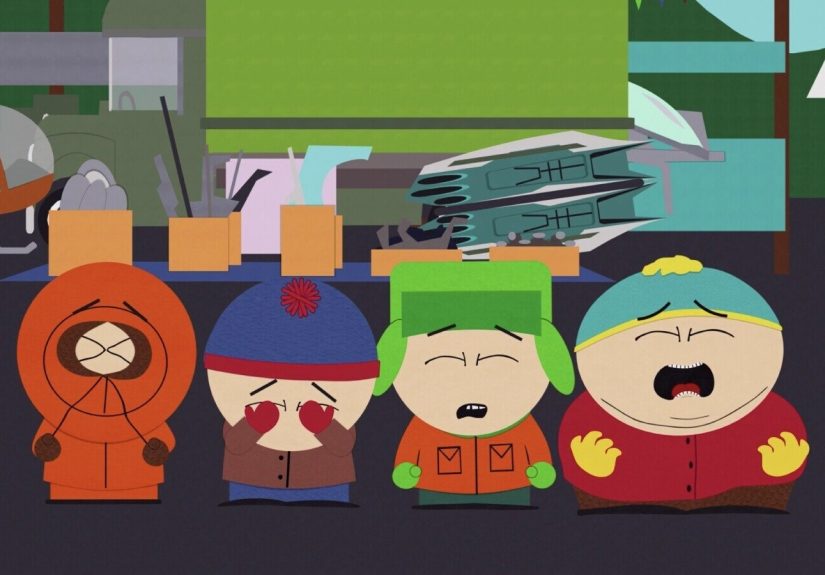
That is the magic, and the mild emotional sabotage, behind the viral South Park montage that strings together Kenny McCormick’s many deaths against Phoebe Bridgers’ music. On paper, it sounds like one of those internet ideas that should be funny for six seconds and then evaporate. In practice, it lands like a tiny art film made by a gremlin with editing software and excellent taste in sadness. The result is a mashup that feels hilarious, sincere, melodramatic, and weirdly devastating all at once. Which, if we are being honest, is basically Gen Z’s entire online aesthetic in one sentence.
What makes the montage so effective is not just the novelty of pairing South Park with Bridgers. It is the fact that both have always lived in the same emotional neighborhood, even if they arrived there by very different routes. South Park uses chaos, vulgarity, and satire to smuggle in moments of surprising tenderness. Phoebe Bridgers turns soft vocals, existential dread, and apocalyptic energy into songs that sound like private breakdowns staged for a stadium. Put them together, and the joke stops being “Look, Kenny died again.” It becomes, “Why does this cartoon child suddenly feel like the patron saint of disposable suffering?”
First, What Exactly Is So Devastating About This Edit?
The montage works because it understands timing. It does not merely stack clips of Kenny dying and slap a sad song underneath them like a freshman film project running on cold brew and vibes. It treats each death as a beat in a larger emotional arc. Kenny gets squashed, blown up, impaled, and generally annihilated in ways that were originally written as punchlines. But when those scenes are reorganized through music, the tone changes. Instead of random gags, they start to look like variations on a single tragic idea: a kid who keeps disappearing, keeps suffering, and somehow keeps coming back.
That shift is the entire point of fan-edit culture. A good edit does not just remix material; it reveals a pattern hiding in plain sight. In this case, the pattern is one South Park fans have always known but do not always sit with. Kenny is the show’s most frequently sacrificed body, but he is also one of its quietest emotional anchors. He is poor, vulnerable, loyal, often underestimated, and perpetually treated as collateral damage by the world around him. The montage turns that into text instead of subtext.
And then there is the music. Using Phoebe Bridgers is not just a clever move; it is the whole emotional engine. Bridgers’ songs are built for feelings that are too large, too messy, or too embarrassing to express directly. They are songs for people who laugh while describing something awful because the alternative would be sobbing in a CVS parking lot. That sensibility fits Kenny with suspicious perfection.
Why Kenny McCormick Is More Than a Running Gag
For years, Kenny’s repeated deaths were one of South Park’s defining jokes. In the early seasons, he died constantly and often spectacularly, followed by the ritual cry: “Oh my God, they killed Kenny!” It was crude, fast, memorable, and perfect for a show that built its identity on turning shock into rhythm. Kenny’s deaths became so familiar that they almost stopped registering as death at all. They were a format. A punctuation mark. A grotesque little reset button.
But that is precisely why Kenny remains such fertile material for emotional reinterpretation. Repetition has a funny way of stripping a thing down to its skeleton. Once you see the same character die over and over, the gag starts to pick up a strange afterimage. Why this kid? Why always him? Why does the show keep using his body as the punchline? Eventually, even the joke itself begins to imply something darker.
South Park has occasionally leaned into that darkness. The episode “Kenny Dies” is the obvious landmark because it briefly removes the safety net. For once, the death is not random or instantly reversed. The show slows down, lets the loss breathe, and reveals how much emotional weight had been hiding underneath the usual chaos. That episode mattered because it proved Kenny was not just a prop for violence. He was a real center of feeling, even in a series famous for refusing sentimentality.
That history gives the montage extra force. Viewers are not crying because they suddenly discovered Kenny is sad. They are crying because the edit pulls together years of material and says, “Hey, remember how this joke always had a bruise underneath it?” That is a powerful trick. It does not invent meaning. It uncovers it.
Why Phoebe Bridgers Is the Perfect Soundtrack for Cartoon Doom
Phoebe Bridgers has built an entire artistic identity around making emotional wreckage sound elegant. Her music often moves with the calm of a person narrating the end of the world while folding laundry. Then, when you least expect it, it swells into something enormous. That contrast is a huge part of why her songs spread so effectively online. They reward both close listening and dramatic overidentification, which is basically the internet’s favorite double feature.
“I Know the End,” in particular, feels engineered for this kind of montage. It starts intimate and observational, then keeps growing until it becomes a full-body release. The song’s emotional logic is escalation. It begins with personal unease and ends somewhere near the apocalypse. That structure mirrors Kenny’s role in South Park better than you might think. He starts as the poor muffled kid in the background and gradually becomes a symbol of the show’s deeper sadness: the child who gets obliterated so often that everyone forgets to be shocked.
Bridgers’ voice also matters. She does not sing sadness like she is begging for pity. She sings it like she is documenting a condition of being alive in public. That difference is everything. The montage is not mournful in a manipulative, strings-swelling, tear-bait way. It is mournful in the dry-eyed internet sense, where the pain gets filtered through irony, beauty, and a little bit of self-awareness. You are allowed to laugh at the premise while still getting walloped by the feeling. In fact, that combination is exactly why it hits.
Why Gen Z Responds So Hard to This Exact Combination
Ironic sincerity is the native language
Gen Z did not invent irony, but it has turned irony and sincerity into roommates who share a kitchen and passive-aggressively label their oat milk. Online, the most effective content is often the kind that looks like a joke until you realize it is emotionally naked. That is the sweet spot this montage lands in. It is technically absurd. It is also genuinely moving. It asks viewers to hold both truths at once, which is a very modern way to feel.
Nostalgia now comes with side effects
Older pop culture gets revived online all the time, but not always in its original form. Younger audiences do not just rewatch things; they reframe them. They extract a character, a clip, a line reading, a costume, or a moment and give it a new emotional job. Kenny is perfect for that process because he comes from a deeply recognizable cultural object, yet he still has room to be rediscovered. People know who he is. What they may not have done recently is think about what his endless deaths say when stitched together outside the logic of episodic comedy.
Fan edits are now a form of criticism
The old idea was that criticism happened in essays, reviews, and academic analysis. The internet, naturally, looked at that and said, “What if criticism had jump cuts?” A smart fan edit can function like a visual thesis. It makes an argument by choosing what to include, what to repeat, and what emotional frame to build around the source material. This Kenny montage is doing criticism without ever sounding like homework. It argues that Kenny is tragic, that South Park has always contained more pathos than it gets credit for, and that Phoebe Bridgers is somehow the correct emotional translator for all of it.
What the Montage Understands About South Park
People who do not watch South Park closely often assume the show is all shock, all the time. To be fair, the series has earned that reputation with enthusiasm. But one reason it has lasted so long is that it understands how comedy can intensify sadness instead of canceling it out. The show’s best moments often arrive when it stops telling you how to feel and lets a ridiculous premise reveal something uncomfortably real.
Kenny has always been central to that trick. He is the kid whose poverty is frequently played for laughs, but he is also the kid most visibly trapped by his circumstances. He is horny, chaotic, brave, and often kinder than the people around him. He is both a punchline and a casualty. That contradiction makes him more than a meme. It makes him one of the most unexpectedly resonant characters in the series.
The montage gets this. It does not sanitize South Park into prestige drama, and that is important. Kenny getting obliterated remains ridiculous. The blood, the slapstick, the absurdity, the total disrespect for bodily integrity, all of that is still there. But the edit changes the viewer’s relationship to that absurdity. It says the joke has accumulated emotional residue over time. That residue is what people are reacting to.
What the Montage Understands About Phoebe Bridgers
Bridgers’ appeal has never been just that she writes sad songs. Plenty of artists write sad songs. Her real gift is scale. She can make a tiny observation feel cosmic and make a huge catastrophe feel intimate. That elasticity is why her music so often gets attached to online moments that are part joke, part confession, part emotional overreaction, and part dead-serious truth.
Using Bridgers for a Kenny montage is not merely “sad song plus sad images.” It is a collision of sensibilities. Bridgers specializes in the precise emotional register where humor and despair start sharing clothes. South Park, at its sharpest, does too. Both are capable of making something feel ridiculous and emotionally real in the same breath. That overlap is why the edit feels so natural once you see it, even though it sounds ridiculous when described out loud to another adult.
This Is Not Just a Meme. It Is a Tiny Piece of Cultural Criticism.
That may sound grandiose for a TikTok edit involving a cartoon kid who has been flattened by everything from buses to plot necessity, but hear me out. Good internet culture often works by compressing larger ideas into bite-size emotional packages. This montage is doing exactly that. It is saying something about how younger audiences engage with old media. It is saying something about how music can unlock new meaning in familiar images. And it is saying something about the way digital culture teaches people to process emotion through remix, reference, and hyper-specific curation.
In other words, the montage is not random. It is the product of an environment where taste is performative, memory is collaborative, and emotional honesty often arrives wearing a joke costume. That is why it spreads. People do not just watch it and think, “Ha, funny.” They watch it and think, “Unfortunately, this is art.” Then they send it to three friends and ruin everyone’s evening in the best possible way.
Experiences: Why This Kind of Edit Hits So Hard in Real Life
Watching a montage like this feels weirdly personal, even if you have never thought especially hard about Kenny McCormick before. Part of that is the setting in which most people encounter it. You are probably not sitting in a film-studies seminar prepared to discuss the emotional grammar of animated death. You are on your phone. Maybe you are lying in bed. Maybe you meant to watch one quick video before doing something useful, like sleeping or becoming a better person. Then the algorithm slides this thing in front of you, and suddenly a joke from a long-running cartoon is pressing on some ancient bruise you forgot you had.
That experience is deeply familiar to a generation raised online. Gen Z has become fluent in emotional whiplash: one post is a meme, the next is a confession, the next is a clip from a 2004 TV show edited like a breakup trailer. The boundaries between entertainment, self-expression, criticism, and coping mechanism are thin enough to walk through. So when viewers encounter Kenny’s deaths through Phoebe Bridgers’ music, they are not shocked by the format. They are shocked by how accurately it reflects the way they already process feeling.
There is also something intimate about seeing an old character recoded for a new emotional purpose. Kenny belongs to a show that many viewers grew up encountering in fragments, through reruns, clips, older siblings, internet osmosis, or the general cultural haze of “Oh right, the orange one who dies.” That kind of familiarity matters. The montage is not introducing a stranger. It is reintroducing a figure from the background of collective memory and saying, “Look again.” That can feel surprisingly intense, because it turns casual nostalgia into active recognition.
And then there is the matter of exhaustion, which may be the internet’s most universal feeling. A lot of younger viewers respond to art that captures the sensation of being repeatedly flattened by life and expected to bounce back by morning. Kenny, absurdly enough, embodies that perfectly. He dies, returns, and gets thrown back into the machinery. No grand explanation. No ceremonial reset. Just more impact. When that pattern is paired with music that understands burnout, dread, and emotional overload, the result feels bigger than parody. It feels like a metaphor disguised as nonsense.
That is why people end up crying at something they would have laughed off five minutes earlier. The montage catches viewers in the overlap between irony and vulnerability. It offers the safety of a joke while sneaking in the force of recognition. You can say, “This is ridiculous,” and still feel your chest tighten a little. In fact, that contradiction may be the most authentic part. Online, people rarely experience emotion in pure forms anymore. It comes mixed: sadness with a meme caption, grief with a reaction image, sincerity hidden behind overstatement, tenderness disguised as chaos. This edit understands that perfectly. It does not ask you to stop joking in order to feel something. It lets the joke become the feeling.
So yes, a South Park montage of Kenny dying to Phoebe Bridgers can make people unexpectedly emotional. Not because the internet has lost its mind, though that remains on the table, but because the internet has become very, very good at discovering where pop culture accidentally stores its real emotions. Sometimes those emotions are tucked inside a prestige drama. Sometimes they are sitting in an indie-rock crescendo. And sometimes, apparently, they are hiding inside a tiny orange hood that keeps getting blown up for the bit.
Conclusion
The viral Kenny-and-Phoebe montage is not just another fleeting TikTok oddity. It is a sharp little example of how modern fandom works. It takes an old joke, reframes it through emotionally loaded music, and reveals the ache that was always there. Kenny stops being just the kid who dies and becomes a symbol of repeated damage, quiet resilience, and the weird sadness that can accumulate inside comedy over time. Phoebe Bridgers’ music does the rest, giving that chaos a shape that feels intimate, apocalyptic, and painfully recognizable.
That is why the edit hits so hard. It is funny, but not only funny. It is sad, but not in a self-serious way. It is internet-native cultural criticism disguised as a dramatic little spiral. And in a media landscape where Gen Z often processes emotion through remix, nostalgia, and highly specific references, that combination feels less like a fluke and more like the natural evolution of fandom itself. In 2026, apparently, one of the clearest paths to collective catharsis is watching Kenny McCormick die repeatedly while Phoebe Bridgers whispers your emotional weather report in the background. Not exactly wholesome, but undeniably effective.