Table of Contents >> Show >> Hide
- The many places a patient can get stuck
- 1) The appointment calendar (a.k.a. “the next available is… next month”)
- 2) The referral bottleneck (faxed into the void)
- 3) The waiting room (where time becomes a suggestion)
- 4) The emergency department (fast for emergencies, not always fast for life)
- 5) The “prior authorization” pause (care, pending approval)
- Why waits are getting longer
- The hidden costs of waiting
- What patients can do while the clock is ticking
- What the system can do to stop normalizing delays
- Conclusion: the wait should not be the care plan
- Extra: 7 real-world waiting experiences patients talk about (and what they feel like)
- 1) The “Third Next Available” surprise
- 2) The referral that evaporates
- 3) The “insurance needs approval” stall
- 4) The waiting room time warp
- 5) The test result that takes forever (even when the test was fast)
- 6) The ED visit where “seen” and “placed” aren’t the same
- 7) The behavioral health waitlist that feels like a contradiction
The modern American health care journey has a familiar opening scene: a patient finally decides to get help… and then gets a calendar invite for three Tuesdays from now. Or five. Or “we’ll call you.” (Spoiler: they don’t.)
Waiting is so baked into the system that it’s practically a vital sign. Pulse? Fine. Blood pressure? Elevated. Estimated time to be seen? Somewhere between “soon” and “your parking meter will expire twice.”
This isn’t a rant about one rude receptionist or one clinic that runs behind (though, respectfully, the hold music should be classified as a mild sedative). It’s a bigger story: demand is rising, staffing is tight, paperwork is heavy, and the places where care is supposed to flow sometimes feel more like bottlenecksappointments, referrals, approvals, test results, beds, and follow-ups.
Let’s talk about why a patient waits. And waits. And what patients, providers, and policymakers can do to turn “eventually” back into “on time.”
The many places a patient can get stuck
1) The appointment calendar (a.k.a. “the next available is… next month”)
For primary care and many specialties, the first delay is simply getting in the door. A well-known national appointment survey has found average waits measured in weeksnot daysfor new patient visits in major metro areas, with variation by specialty and city. In other words: even if you do everything “right” (call early, be flexible, bring your insurance card like it’s a backstage pass), you may still be scheduled far out.
The calendar problem ripples outward. If you can’t get a primary care appointment, you can’t get the referral a specialist requires. If you can’t get the specialist, you can’t get the test. If you can’t get the test, you can’t get the treatment plan. The wait isn’t one lineit’s a relay race where the baton is your medical record.
2) The referral bottleneck (faxed into the void)
Referrals sound straightforward: your clinician recommends a specialist; a referral is sent; the specialist calls you; you’re booked. In practice, referrals can turn into a game of telephone played with portals, paper, and the occasional fax machine that appears to run on vibes.
Sometimes the referral arrives missing records. Sometimes the receiving office has limited slots. Sometimes the specialist is in-network but not “taking new patients.” Sometimes you learn the referral was never receivedafter you’ve politely waited for two weeks, like a responsible adult, which is how the system tricks you into doing its follow-up for free.
3) The waiting room (where time becomes a suggestion)
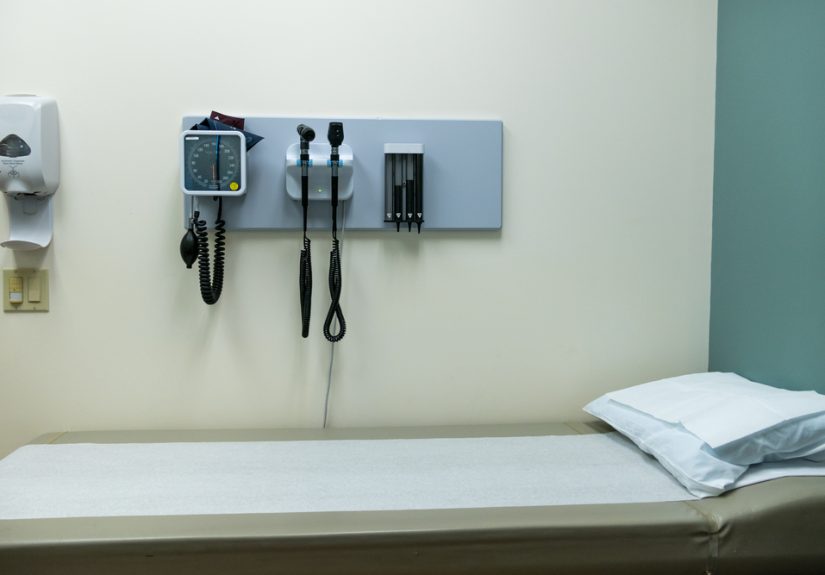
Even once you have an appointment, there’s the day-of waiting: check-in lines, forms you already filled out online, the “quick” vital signs, the “doctor will be right in,” and the slow realization that the exam table paper is the loudest thing in the building.
Some waiting is unavoidableclinicians deal with emergencies, complex visits, and unpredictable care needs. But when “running behind” becomes the default, it’s often a sign of deeper staffing and scheduling pressure.
4) The emergency department (fast for emergencies, not always fast for life)
Emergency departments are designed to prioritize the sickest patients first. That’s the right model. But it can mean long waits for people who are stable but still need care, and even longer stays when the ED becomes a holding area because no inpatient beds are available.
National data show the wait to see a clinician in the ED can vary widely by visit, and total time spent in the ED can stretch for hoursespecially when the department is crowded or boarding patients awaiting admission. The patient is technically “in care,” but practically “in limbo.”
5) The “prior authorization” pause (care, pending approval)
Prior authorization (PA) is the administrative process where insurers require approval before certain tests, medications, or procedures will be covered. It’s meant to curb unnecessary spending. In real life, it can also delay necessary care.
Surveys of physicians repeatedly report that PA leads to care delays, and doctors describe spending significant time each week navigating approvals, denials, and appeals. Meanwhile, patients waitsometimes unsure whether the delay is clinical (do we really need this test?) or bureaucratic (we need permission to do the test we already decided you need).
Why waits are getting longer
Demand is rising, and the workforce is strained
The U.S. population is aging, chronic conditions are common, and more people need complex, ongoing care. At the same time, workforce projections point to significant physician shortages in the years ahead, and many communities already experience limited accessespecially in primary care and some specialties.
Staffing challenges aren’t only about doctors. Nurses, medical assistants, front-desk staff, lab techs, imaging techs, and behavioral health clinicians all affect access. One missing role can slow an entire clinic day. The result can look like “no appointments,” but the cause is often “not enough hands.”
Administrative friction eats capacity
If health care were only about clinical decisions, the schedule would already be busy. Add administrative workbilling, coding, documentation, quality reporting, network rules, and prior authorizationand the system becomes a treadmill that steals time from actual care.
PA is a standout example: it can require repeated submissions, phone calls, and appeals. That work is usually done by someone (often multiple people) who could otherwise be helping patients get seen sooner. It’s not just annoying. It’s capacity-consuming.
Federal policy is pushing toward more standardization and electronic processes for prior authorization, including requirements and timelines that are intended to reduce delays and improve transparency. But implementation takes time, and the patient in 2025 still has to live in 2025.
Hospital throughput problems spill into the ED
Emergency department boarding happens when patients who need inpatient care wait in the ED because there is no inpatient bed available. This is not a “the ED is slow” problem; it’s a “the whole hospital is jammed” problem.
National experts have described boarding as a serious patient-safety issue because it can increase delays, strain staff, and degrade the care environment. When inpatient beds are tightbecause of staffing, discharge delays, limited post-acute options, or surgesthe ED becomes the pressure-release valve. And patients feel it as hours that stretch into a day.
Behavioral health access is a particularly painful wait
The waiting story is often most intense in mental and behavioral health: limited networks, insufficient clinician supply, and inconsistent coverage rules can lead to long waits for outpatient therapy or psychiatryexactly when timely care matters most.
Policymakers have tried to address this through network adequacy standards and wait-time expectations, but enforcement and real-world availability can still lag behind need. For patients, it can feel like being told to “get help” and then being handed a waitlist.
The hidden costs of waiting
Health consequences: problems don’t pause just because the schedule is full
Delays can mean worsening symptoms, avoidable complications, and missed windows for early treatment. When routine access is blocked, patients are more likely to seek care later and sickersometimes in urgent care or the emergency department.
Financial consequences: time is money, and waiting is expensive
Waiting costs show up as missed work, child care scrambling, transportation issues, and repeated visits because the first plan was delayed or interrupted. Even insured patients may face out-of-pocket costs that lead them to postpone careand delays for any reason can become costlier later.
Equity consequences: the wait is not evenly distributed
People in rural areas may have fewer clinicians nearby. People with limited transportation may miss the one available slot. Patients with narrow networks may find that “covered” providers are booked out or not accepting new patients. And patients with less flexibility at work may not be able to take a midday appointment that opened up last-minute.
In other words, waiting isn’t just inconvenientit can amplify inequities.
What patients can do while the clock is ticking
A patient shouldn’t have to become a project manager to receive care. But until the system improves, a few practical steps can reduce delayswithout turning your life into a full-time phone tree.
Get “appointment-ready”
- Bring the essentials: medication list (including supplements), allergies, past diagnoses, and key dates (symptoms started, test results, prior treatments).
- Write a one-paragraph summary: what’s happening, how long, what makes it better/worse, and what you need from the visit.
- Ask your clinician what would change management: “If I can’t get the test for 3 weeks, what should I watch for?”
Use the system’s “side doors” ethically
- Cancellation lists: ask to be called for openings. Be ready to say yes fast.
- Patient portals: message for clarifications, results, and scheduling helppolitely, clearly, and with one request per message.
- Telehealth when appropriate: it won’t replace every exam, but it can speed up triage, renewals, and follow-ups.
- In-network alternatives: if a specialist is booked out, ask your referring clinician for other options in the same network.
Know when waiting is unsafe
This is general information, not medical advice: if symptoms are severe, rapidly worsening, or feel like an emergency, seek urgent evaluation. Waiting is sometimes the system’s default, but it shouldn’t be your default when something feels seriously wrong.
When delays are insurance-related, ask the right questions
- Is prior authorization required? If yes, who is submitting it and when?
- What is the status? Pending, approved, denied, or need more information?
- If denied, what’s the next step? Appeal, peer-to-peer review, alternative covered option, or documentation update?
You’re not being “difficult” by asking. You’re being appropriately allergic to preventable delays.
What the system can do to stop normalizing delays
Make primary care easier to access (and more sustainable)
When primary care is strong, patients get earlier diagnoses, better chronic disease management, and fewer emergency escalations. But primary care practices need staffing, time, and payment models that support longer visits when needednot just faster visits always.
Team-based care (physicians, nurse practitioners, physician assistants, nurses, pharmacists, behavioral health clinicians, and care coordinators) can expand capacity without lowering quality. It also reduces the “everything funnels through one person” problem that creates scheduling backlogs.
Reduce administrative waste, starting with prior authorization
The goal shouldn’t be to eliminate oversight; it should be to eliminate pointless repetition. Standardized electronic processes, clearer criteria, and faster decisions can reduce waiting without sacrificing safety.
Oversight bodies have raised concerns that some coverage denials and delays can block medically necessary care, and federal rules are moving toward improved interoperability and more transparent, timely prior authorization workflows. This is one of the most direct levers for turning paperwork time back into patient time.
Fix hospital flow so the ED isn’t forced to hold the bag
ED boarding improves when hospitals improve discharge planning, expand post-acute partnerships, coordinate across regions, and align incentives so beds are staffed and available when patients need them. Experts have emphasized that boarding is a system-wide problem requiring system-wide solutionsnot just “work faster in the ED.”
Build real behavioral health access, not theoretical access
Network adequacy standards and wait-time expectations only matter if patients can actually get appointments. Expanding the behavioral health workforce, integrating behavioral health into primary care, and improving reimbursement are practical steps that can reduce the most demoralizing waits in the system.
Conclusion: the wait should not be the care plan
A little waiting is normal in any complex service. But when waiting becomes the dominant patient experience, it signals a system that’s spending too much effort on friction and too little on flow.
The fix isn’t one magical scheduling app or one stern memo about “starting visits on time.” It’s staffing, smarter workflows, fewer administrative traps, better hospital capacity management, and real accountability for access. Because the patient who’s waiting isn’t just waiting for an appointment. They’re waiting for relief, clarity, and momentum.
And if we’re serious about health outcomes, we should be just as serious about something far more basic: time.
Extra: 7 real-world waiting experiences patients talk about (and what they feel like)
To make this topic concrete, here are common “waiting moments” patients describecomposites drawn from widely reported experiences across U.S. care settings. No two stories are identical, but the emotional pattern is familiar: uncertainty, paperwork, and the slow drip of “maybe next week.”
1) The “Third Next Available” surprise
You call for a new-patient visit and hear, “We can do late next month.” You’re not in crisis, but you’re not fine either. You start negotiating with your own schedule like it’s a hostage situation: “What about mornings? What about Tuesdays? What about… 2026?” The strange part is how quickly you adapt. You begin treating weeks as normal for something you hoped would be addressed in days.
2) The referral that evaporates
Your primary care clinician says, “I’ll send a referral today.” Two weeks later, the specialist’s office has no record of you. You call your primary care office and get voicemail. You leave a message. You wait. You call again. Somewhere, the referral exists in a digital limbohalf portal, half fax, fully not your fault. By the time it’s found, the next appointment is farther out, because time has continued doing its time thing.
3) The “insurance needs approval” stall
You’re told you need an MRI, a medication, or a procedure. Greatthere’s a plan. Then comes the sentence that turns the plan into a pause: “We’re waiting on prior authorization.” You feel stuck because you can’t fix it yourself, but you also can’t ignore it. So you become the polite squeaky wheel. You call. You ask, “Any update?” You learn new vocabularypending, denied, appealedand none of it is the vocabulary of healing.
4) The waiting room time warp
You arrive early, because you’ve been trained by every dentist appointment you’ve ever had. You sit. You watch people come and go. You fill out a form that asks your medical history as if your chart didn’t exist five minutes ago. The clock moves differently in the waiting room: five minutes feels like twenty, and an hour feels like it has its own ZIP code. When you finally see the clinician, you try to compress weeks of concern into a few efficient sentencesbecause you don’t want to be the reason the next patient waits.
5) The test result that takes forever (even when the test was fast)
The blood draw took four minutes. The results take four days. Sometimes longer. You refresh your portal like it’s a sports score. You wonder whether “no news” is “good news” or just “not processed yet.” Waiting for results is a special kind of waiting because it’s filled with imagination, and imagination is rarely calm.
6) The ED visit where “seen” and “placed” aren’t the same
In the ED, you might be evaluated quickly and still remain there for hoursespecially if admission is needed and no inpatient bed is available. Patients describe feeling like they’re in a holding pattern: care is happening, but the next step can’t happen. The lights never dim. The noise never fully stops. Time is measured in updates from exhausted staff who are doing their best inside a jammed system.
7) The behavioral health waitlist that feels like a contradiction
You reach out for therapy or psychiatry and hear, “We’re booking six to eight weeks out,” or “We’re not taking new patients.” This one can feel the most upside-down, because the act of seeking help often takes effort, courage, and timing. Patients describe a particular frustration here: the system encourages you to ask for support, then answers with delay. Many people keep trying anywaycalling multiple offices, joining cancellation lists, and taking whatever appointment they can getbecause the alternative is silence.
These experiences aren’t just inconveniences. They shape trust. They shape health decisions. And they teach patients a lesson nobody should have to learn: if you don’t advocate for yourself, the calendar might win. The better lessonthe one the system should teachis simpler: when you need care, you get care.