Table of Contents >> Show >> Hide
- A 60-second science refresher: what acne actually is
- 10 surprising causes of adult acne (and exactly what to do about each)
- 1) Hormone “whiplash” (even if you’re not a teenager)
- 2) Stress and lousy sleep (your skin keeps receipts)
- 3) High-glycemic eating patterns (aka “snack math”)
- 4) Dairy and whey protein (the gym-bag plot twist)
- 5) Hair products causing “pomade acne” along the hairline
- 6) “Skincare maximalism” (too many actives, too many times)
- 7) Friction + sweat + pressure (“acne mechanica” and maskne)
- 8) Medications and supplements you wouldn’t suspect
- 9) Your “everyday surfaces” (phones, pillowcases, and hands)
- 10) An underlying condition (or a “look-alike” that isn’t classic acne)
- How to get rid of adult acne: a step-by-step plan that doesn’t wreck your skin
- Common mistakes that keep adult acne hanging around
- When to see a dermatologist
- Conclusion
- Experiences: What adult acne often looks like in real life (and what tends to help)
- Experience #1: “Why is my acne only on my jawline?”
- Experience #2: The “healthy” protein shake that wasn’t healthy for skin
- Experience #3: The skincare overachiever who accidentally irritated their face
- Experience #4: Maskne, helmet acne, and “my job is literally rubbing my face”
- Experience #5: “I started a new medication… and then my skin exploded”
- Experience #6: The “I cleaned everything and I’m still breaking out” spiral
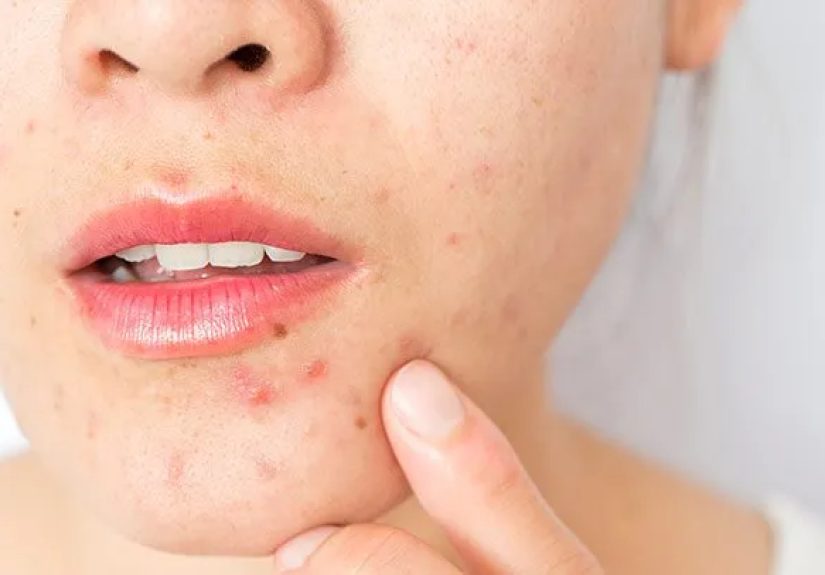
Adult acne is rude. It shows up uninvited, refuses to leave, and somehow always chooses the day you have photos, a date, or a “quick, harmless” Zoom call that turns into a recorded meeting. If you’re thinking, “Didn’t I graduate from pimples in high school?”welcome to the club nobody asked to join.
The good news: adult breakouts usually have patterns, and patterns can be hacked. The trick is to stop blaming your face and start investigating your triggers: hormones, stress, products, friction, meds, diet, and a few sneaky habits you’d never suspect.
A 60-second science refresher: what acne actually is
Acne happens when pores (hair follicles) get clogged with oil (sebum) and dead skin cells. Add inflammation and bacteria, and your skin throws a tiny protest in the form of blackheads, whiteheads, tender bumps, or deeper cysts. Most adult acne isn’t about being “dirty.” It’s about biology, irritation, and the wrong mix of oil + clogging + inflammation at the wrong time.
10 surprising causes of adult acne (and exactly what to do about each)
1) Hormone “whiplash” (even if you’re not a teenager)
Adult acne often has a hormonal flavor: jawline/chin breakouts, flares around periods, or sudden acne during perimenopause/menopause. Androgens (a group of hormones that includes testosterone) can nudge oil glands into overdrive, which makes pores easier to clog.
- Try this: Track flares for 2–3 cycles. If it’s predictable, bring that pattern to a clinician or dermatologist.
- Ask about options: Prescription retinoids, certain birth control pills, or spironolactone can be helpful for hormonally driven acne (medical guidance required).
- Red flag: New acne plus irregular periods, increased facial hair, or scalp hair thinningask your clinician about PCOS screening.
2) Stress and lousy sleep (your skin keeps receipts)
Stress doesn’t always “cause” acne from scratch, but it can crank up inflammation and worsen existing acne. Sleep loss piles on, because your skin barrier and immune system don’t get their nightly maintenance window.
- Try this: Aim for consistent sleep timing (not just hours). Your skin loves routine almost as much as your pet does.
- Stress hacks that don’t feel like homework: 10-minute walks, short strength sessions, journaling one page, or guided breathingpick one you’ll actually do.
- Skin strategy: When stress is high, keep skincare simple and non-irritating (more on that below).
3) High-glycemic eating patterns (aka “snack math”)
Research suggests high-glycemic diets (lots of refined carbs and added sugars) may worsen acne for some people. The proposed pathway involves insulin/IGF-1 signaling that can influence oil production and inflammation. This isn’t about never eating bread againit’s about noticing if your skin flares when your week becomes a parade of sweet drinks, pastries, chips, and “it’s fine” cereal dinners.
- Try this: For 3–4 weeks, shift to lower-glycemic swaps: add protein/fiber to breakfast, choose whole grains more often, and keep sweet drinks occasional.
- Make it realistic: Build meals around “protein + plants + carbs,” not “carbs + vibes.”
4) Dairy and whey protein (the gym-bag plot twist)
Dairy is linked with acne in some studies, and whey protein supplements are frequent suspects in adult breakoutsespecially when acne shows up on the jawline, chest, shoulders, or back. It’s not universal, but it’s common enough to be worth a trial.
- Try this: If you suspect dairy/whey, test one change at a time for 3–4 weeks (e.g., stop whey protein first). Take notes and compare.
- Swap ideas: Consider plant-based protein options or whole-food protein (eggs, beans, poultry, tofu) if it fits your needs.
- Don’t do this: Don’t start five restrictive rules at once; you’ll never know what helped.
5) Hair products causing “pomade acne” along the hairline
If your forehead and hairline break out in tiny, uniform bumps, your hair products may be migrating onto your skin. Oils, waxes, heavy leave-ins, and certain styling products can clog pores around the hairline and temples.
- Try this: Switch to “non-comedogenic” or lighter products for a few weeks.
- Shower order matters: Wash conditioner out fully, and consider washing your face after rinsing hair to remove residue.
- Small habit, big payoff: Keep hair products off your hands before touching your face.
6) “Skincare maximalism” (too many actives, too many times)
Adult acne can be triggered by irritation. Layering strong exfoliants, multiple acids, scrubs, alcohol-heavy toners, and new products all at once can inflame your skin barrier and make breakouts look worseespecially under masks or in dry weather. Sometimes the problem isn’t that you’re doing nothing; it’s that you’re doing the skincare equivalent of a group project.
- Try this reset: 10–14 days of “gentle mode”: mild cleanser, bland moisturizer, non-comedogenic sunscreen.
- Re-introduce slowly: Add one acne active at a time (see treatment plan below).
- Rule of thumb: Burning, stinging, or peeling that lasts? That’s irritation, not “it’s working.”
7) Friction + sweat + pressure (“acne mechanica” and maskne)
Masks, helmets, chin straps, tight hats, and even resting your chin on your hand can create friction and trap heat/sweatperfect conditions for irritation and clogged pores. This is why breakouts often pop up exactly where gear touches: jawline, cheeks, under the chin, or along straps.
- Try this: Use a gentle cleanser before and after long wear, and apply a light moisturizer to reduce friction.
- Mask hygiene: Change disposable masks regularly; wash reusable masks often with fragrance-free detergent.
- Product tip: Avoid introducing a brand-new strong active right before you know you’ll be masked for hours.
8) Medications and supplements you wouldn’t suspect
Some medications can trigger acne-like eruptions or worsen acne: systemic steroids, lithium, certain anticonvulsants, testosterone therapy, and others. High-dose vitamin B12 has also been reported in acneiform eruptions in some cases. This doesn’t mean these meds are “bad”it means your skin might be reacting and you may need a plan.
- Try this: If acne started soon after a new medication or supplement, write down the start date and dose and bring it to your prescriber.
- Important: Don’t stop prescribed meds on your own. Ask about alternatives or ways to manage the skin side effects safely.
- Clue: Drug-related acne often looks more uniform and can appear on the chest/back/shoulders.
9) Your “everyday surfaces” (phones, pillowcases, and hands)
This isn’t about scrubbing your life with bleachit’s about reducing repeated transfer of oil, product residue, and bacteria to acne-prone areas. Cheek and jaw breakouts can be irritated by phones, pillowcases, helmet liners, or your own hands (especially if you’re a thoughtful chin-resting philosopher).
- Try this: Wipe your phone screen regularly, swap pillowcases a couple times a week, and clean gear that touches your face.
- Stop the sneak attack: Wash hands after hair product or sunscreen application.
- Picking rule: If you must touch, do it with a tissuenot bare fingers.
10) An underlying condition (or a “look-alike” that isn’t classic acne)
Sometimes “acne” is a sign to look deeper. Polycystic ovary syndrome (PCOS), insulin resistance, or other hormonal conditions can contribute to adult acne. Also, some rashes mimic acne (like folliculitis), which won’t respond to typical acne routines.
- Try this: If you’ve tried solid OTC acne care for 8–12 weeks with no improvement, consider a dermatologist visit for confirmation of the diagnosis.
- Clue: If bumps are itchy, very uniform, or flare in hot/humid conditions, ask about folliculitis vs acne.
How to get rid of adult acne: a step-by-step plan that doesn’t wreck your skin
Step 1: Build a boring (but powerful) base routine
- Cleanser: Gentle, fragrance-free. Wash twice daily max. More washing is not “more clean,” it’s often more irritated.
- Moisturizer: Non-comedogenic. Yes, even if you’re oily. A compromised barrier can trigger more inflammation.
- Sunscreen: Non-comedogenic SPF daily. Some acne meds increase sun sensitivity, and UV can worsen discoloration after breakouts.
Step 2: Pick ONE main acne active to start (then add only if needed)
- Adapalene (topical retinoid): Great for clogged pores and inflammation. Start 2–3 nights/week, pea-sized amount, moisturize after. Expect 6–12 weeks for meaningful improvement.
- Benzoyl peroxide: Helpful for inflammatory acne (red pimples) and reduces acne-causing bacteria. Start low strength and avoid bleaching towels by using white ones (or towels you don’t love).
- Salicylic acid: Useful for blackheads/whiteheads. Can be a cleanser or leave-on product. Don’t combine with everything at once.
- Azelaic acid: A solid option for acne plus post-breakout discoloration, often gentler for sensitive skin.
Step 3: Level up with prescriptions when OTC isn’t enough
If you’re doing consistent skincare for 8–12 weeks and still dealing with painful cysts, scarring, or stubborn flares, a clinician can tailor prescription therapy. Common evidence-based options include stronger topical retinoids, topical antibiotics paired with benzoyl peroxide (to reduce resistance risk), oral antibiotics for limited durations, and hormonal options (like certain oral contraceptives or spironolactone) for appropriate patients. Severe or scarring acne may warrant isotretinoin, which requires careful monitoring and strict pregnancy-prevention rules for those who can become pregnant.
Step 4: Fix triggers while you treat (or you’ll keep playing whack-a-zit)
- Friction: Reduce rubbing from masks/gear; keep fabric clean; moisturize to cut irritation.
- Products: Non-comedogenic makeup/sunscreen; simplify routines if irritated.
- Diet trials: Test whey or high-glycemic patterns thoughtfully, one change at a time.
- Stress/sleep: Make it boringly consistent. Your skin responds to boring.
Common mistakes that keep adult acne hanging around
- Switching products every 10 days: Most acne treatments need weeks, not vibes.
- Using harsh scrubs: Irritation can worsen inflammation and discoloration.
- Spot-treating with five actives at once: That’s not “targeted,” that’s “chemical chaos.”
- Skipping moisturizer: Dry, angry skin can lead to more breakouts and slower healing.
- Picking: Increases inflammation, scarring, and dark marksyour future self will file a complaint.
When to see a dermatologist
Make the appointment if you have painful cysts, scarring, significant dark marks that linger, acne that isn’t improving after 8–12 weeks of consistent care, or if acne is affecting your mood or confidence. Acne is a medical condition, not a moral failing, and getting help early can prevent long-term marks.
Conclusion
Adult acne is frustrating precisely because it’s complicated: it can be fueled by hormones, stress, friction, products, diet patterns, medications, or an underlying conditionand sometimes several at once. The fastest path to clearer skin is usually a two-part strategy: (1) a simple, consistent routine with proven acne actives and (2) removing the triggers that keep your pores and inflammation on a roller coaster.
Your goal isn’t “perfect skin forever.” Your goal is fewer breakouts, faster healing, minimal marks, and a routine you can actually live with. Because adulting is already hard enoughyour chin doesn’t need to file daily incident reports.
Experiences: What adult acne often looks like in real life (and what tends to help)
I can’t share personal medical experiences, but I can share common, real-world patterns adults frequently describeplus practical takeaways. Think of these as composite “you’re not alone” scenarios, based on themes dermatology clinics and health organizations repeatedly discuss.
Experience #1: “Why is my acne only on my jawline?”
A lot of adults notice breakouts clustering around the chin and jawline, often flaring a week before a period or during stressful months. The emotional whiplash is real: you do “all the right things,” your cheeks look fine, and then your chin decides it’s auditioning for a breakout montage.
What tends to help: people often do best when they treat this like a long game. A topical retinoid used consistently (starting slowly), plus a benzoyl peroxide wash or spot product for inflammatory bumps, can calm things down over time. If there’s a clear hormonal pattern, many adults find that a clinician-guided plan (sometimes including hormonal therapy options) can be the missing piece. The biggest win is usually consistency: the same routine for 8–12 weeks, not a new product every time you see a TikTok.
Experience #2: The “healthy” protein shake that wasn’t healthy for skin
This one is sneaky: someone upgrades their fitness routine, adds whey protein daily, and a month later they’re breaking out on the chest, shoulders, or jawline. They blame sweat, then laundry detergent, then “maybe I’m just stressed,” while the shaker bottle sits there looking innocent.
What tends to help: a simple trial: pause whey for 3–4 weeks (without changing everything else) and watch what happens. Some people see a noticeable improvement, others see no changewhich is still useful information. The key is testing one variable at a time, like a calm scientist, not a panicked detective.
Experience #3: The skincare overachiever who accidentally irritated their face
Lots of adults try to “outsmart” acne with a routine that includes an exfoliating acid, a scrub, a toner, a spot treatment, a retinoid, and a clay masksometimes all in the same day. The result can be a tight, stingy face that breaks out anyway. Not because your skin is stubborn, but because it’s irritated and inflamed.
What tends to help: a two-week “boring reset” (gentle cleanser, moisturizer, sunscreen), then reintroducing one acne active slowly. Many people are shocked that adding fewer products leads to fewer breakouts. Your skin barrier is not a video game boss you defeat by stacking power-ups.
Experience #4: Maskne, helmet acne, and “my job is literally rubbing my face”
Healthcare workers, service workers, athletes, and anyone wearing masks/gear for hours often describe a specific pattern: breakouts exactly where fabric, straps, or padding sits. It can feel unfairlike you’re being punished for having lungs and a schedule.
What tends to help: focusing on friction control and hygiene: a light moisturizer before long wear, clean masks/liners, and a simple routine that avoids experimenting with new harsh actives right before an all-day shift. Many find that benzoyl peroxide or salicylic acid (introduced gradually) helps, but overdoing actives can backfire when your skin is already irritated by friction and humidity.
Experience #5: “I started a new medication… and then my skin exploded”
People often connect the dots only in hindsight: a new steroid course, a change in hormones, a supplement trend, or even a high-dose B vitaminand suddenly they have acne in places they never did before. The frustration comes from feeling like your skin is betraying you for doing something you thought was good for your health.
What tends to help: documenting timing and asking the prescribing clinician about alternatives or mitigation strategies. Many medication-related eruptions can be managed without sacrificing the treatment you needespecially when you catch it early and treat the skin appropriately.
Experience #6: The “I cleaned everything and I’m still breaking out” spiral
Some adults respond to acne by trying to sterilize their lives: new pillowcases daily, wiping every surface, scrubbing harder. It’s understandable, but it can become exhaustingand sometimes the extra scrubbing adds irritation on top of the original acne drivers.
What tends to help: focusing on the highest-impact habits (phone screen, pillowcases 2–3 times/week, clean makeup brushes, wash hands after hair product) and then putting energy into consistent treatment instead of constant “purity rituals.” Acne is not a cleanliness contest.