Table of Contents >> Show >> Hide
- How These American Horror Story Rankings Work
- Every American Horror Story Season Ranked (Worst to Best)
- 12. Delicate (Season 12, 2023–24)
- 11. Cult (Season 7, 2017)
- 10. Double Feature (Season 10, 2021)
- 9. Roanoke (Season 6, 2016)
- 8. Freak Show (Season 4, 2014–15)
- 7. NYC (Season 11, 2022)
- 6. 1984 (Season 9, 2019)
- 5. Hotel (Season 5, 2015–16)
- 4. Apocalypse (Season 8, 2018)
- 3. Coven (Season 3, 2013–14)
- 2. Asylum (Season 2, 2012–13)
- 1. Murder House (Season 1, 2011)
- Biggest American Horror Story Fandom Debates
- Where New Viewers Should Start (Based on Your Taste)
- Personal Experiences and Fandom-Style Opinions
If you’ve ever found yourself saying, “I swear Asylum is peak TV” while your friend insists that nothing tops the witchy chaos of Coven, welcome home. American Horror Story is the rare show where the arguments about which season is best are almost as dramatic as the show itself. With twelve seasons so farfrom haunted houses and mental institutions to slasher camps and cursed pregnanciesthere’s a lot to rank, love, and lovingly drag.
This guide pulls from critic rankings, fan polls, and long-running fandom debates to offer a clear, opinionated ranking of every American Horror Story season released so far. We’ll walk through what each season gets right, where it stumbles, and why some chapters are cult favorites while others are… background noise while you scroll your phone.
How These American Horror Story Rankings Work
Before we dive into the bloodbath, here’s how these rankings and opinions were shaped:
- Critical reception: Season-by-season reviews, awards, and aggregator scores.
- Fan response: Long-term popularity, online discourse, and how often seasons show up in “best of” lists and rewatch threads.
- Rewatch value: Does it still hold up on a second (or fifth) binge, or does it lose its power once you know the twists?
- Horror vs. camp balance: AHS is campy by design, but the strongest seasons blend scares with style, not just shock for shock’s sake.
- Cohesive storytelling: Plot threads that actually go somewhere, not just disappear into the void like half the side characters.
With that in mind, let’s go from weakest to strongest. Grab a black hat, a rubber suit, or some clown makeupwhatever helps you cope.
Every American Horror Story Season Ranked (Worst to Best)
12. Delicate (Season 12, 2023–24)
Delicate had all the ingredients for a franchise reinvention: a novel source material, a pregnancy horror premise, and headline-grabbing casting including Emma Roberts and Kim Kardashian. But instead of delivering nail-biting terror, the season leaned heavily on slow-burn thriller energy without much payoff. The pacing felt glacial, the symbolism over-explained, and the scares surprisingly tame for a show that once turned latex and stairwells into nightmares. It isn’t unwatchable, but in a series built on gonzo horror, Delicate ends up feeling oddly… delicate.
11. Cult (Season 7, 2017)
Cult tried to tap into real-world political anxiety after the 2016 U.S. election, but the result is messy, loud, and tonally all over the place. The killer clowns, manipulative cult leader, and escalating paranoia should have felt chilling; instead, they often come off as over-the-top social media commentary. Sarah Paulson and Evan Peters commit fully to the chaos, but the plotting rarely gives viewers room to breathe or care. For some fans, it’s a bold swing. For many others, it’s the season they never rewatch.
10. Double Feature (Season 10, 2021)
On paper, splitting a season into two stories“Red Tide” and “Death Valley”was a clever way to keep things fresh. In practice, Double Feature feels like two half-great ideas stitched together. The first half, with its talent pills and beach-town horror, delivers some sharp commentary on creativity and exploitation. The second half pivots to aliens, conspiracy, and presidential deals with the extraterrestrial devil but never quite sticks the landing. It’s interesting, and occasionally very creepy, but ultimately uneven.
9. Roanoke (Season 6, 2016)
Roanoke is the “found footage” experiment of the franchise, blending mock true crime, reality TV, and behind-the-scenes meta horror. The first half is surprisingly effectiveclaustrophobic, bloody, and genuinely unsettling. The back half, where the show turns in on itself, is where it loses many viewers. Still, some fans love Roanoke precisely because it’s so abrasive and cruel. It’s one of the most divisive seasons: ambitious and brutal, but not always enjoyable.
8. Freak Show (Season 4, 2014–15)
Set in a 1950s sideshow, Freak Show offers unforgettable visuals, powerful performances, and one of the scariest characters in the franchise: Twisty the Clown. The problem isn’t the cast or the conceptit’s the sprawl. The season juggles too many subplots, and the narrative starts to lose focus midway through. There are emotional highs and great musical moments, but the horror gets diluted. Many fans remember specific characters more fondly than the season as a whole.
7. NYC (Season 11, 2022)
NYC trades jump scares for a slow, dread-filled examination of queer life in 1980s New York, interwoven with serial murders and the looming shadow of an unnamed virus. The season is more allegorical and mournful than outright terrifying, which some viewers appreciate and others find out of sync with what they expect from AHS. It’s narratively more cohesive than many later entries and thematically rich, but the symbolism-heavy finale doesn’t land for everyone.
6. 1984 (Season 9, 2019)
If you grew up on slasher movies, 1984 is a neon-tinted love letter to your VHS nightmares. Set at a summer camp with a killer on the loose, it’s packed with synths, shoulder pads, and tongue-in-cheek brutality. The season has fun playing with genre tropes and doesn’t take itself too seriously. Some fans rank it much higher thanks to its rewatchable, pulpy energy. Others feel the emotional stakes never quite match the gore. Still, as a stylish throwback, it absolutely works.
5. Hotel (Season 5, 2015–16)
Hotel is where AHS goes full baroque: blood-soaked hallways, vampiric fashion icons, and a haunted Los Angeles hotel that feels like it was designed by a very chic demon. Lady Gaga’s performance as the Countess gives the season a glamorous center, while the supporting cast packs in ghosts, serial killers, and tragic backstories. The downside? The plot is overstuffed, and the show sometimes feels more interested in aesthetic than emotional coherence. Still, when Hotel hits, it’s unforgettable.
4. Apocalypse (Season 8, 2018)
Apocalypse is the big crossover event that smashes Murder House and Coven together with an antichrist storyline and end-of-the-world stakes. It’s fan service in the best (and occasionally most chaotic) way. The season shines when it leans into its returning characters and time-bending mythology. At times, though, it feels like a reward for long-time fans more than a season that stands fully on its own. If you’ve been with the series from the start, it’s a satisfying, if messy, victory lap.
3. Coven (Season 3, 2013–14)
Witches, New Orleans, iconic one-liners, and an all-star lineup of actressesCoven is where AHS leaned hard into camp and never looked back. The season is more stylish and character-driven than terrifying, but its influence on the franchise is massive. From the Supreme mythology to the visual language of pointed hats and black outfits, this season reshaped the show’s identity. Critics sometimes point out the uneven plotting, yet for many fans, Coven is the one they quote, meme, and cosplay the most.
2. Asylum (Season 2, 2012–13)
Asylum is often the critics’ favorite, and it’s not hard to see why. Set in the terrifying Briarcliff Manor, it blends religious horror, medical abuse, possession, and psychological breakdown into a relentless, disturbing ride. The storytelling walks a thin line between “too much” and “just enough,” but the emotional coreespecially through characters like Lana Winters and Sister Judekeeps it grounded. It’s bleak, bold, and brutal, and it lingers with you long after the finale.
1. Murder House (Season 1, 2011)
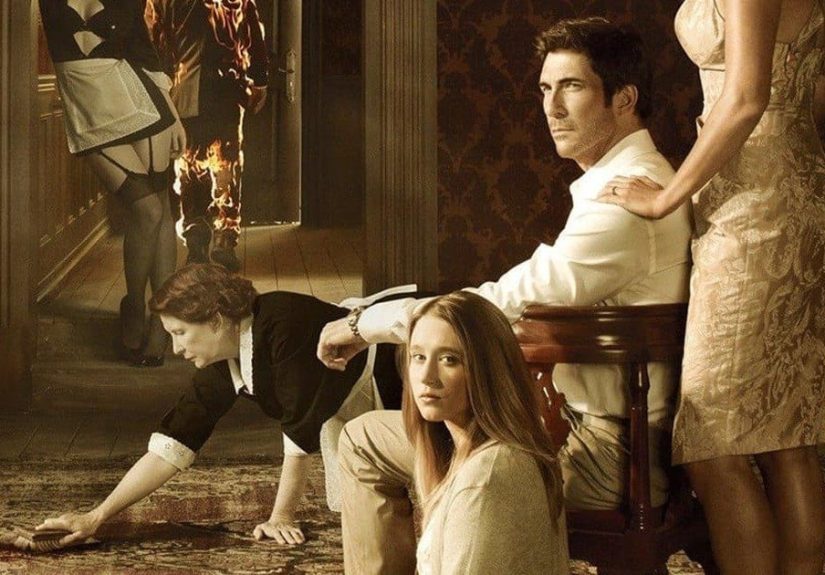
The season that started it all still holds the crown. Murder House took a relatively familiar horror setupa haunted house, a struggling family, restless ghostsand turned it into a twisted, serialized soap opera of trauma, secrets, and doomed love. It established the show’s signature blend of melodrama and gore, introduced fan-favorite characters like Tate and Constance, and proved that anthology horror could work on prestige TV. Even years later, it’s the season new viewers are most often told to start withand for many, it remains the definitive AHS experience.
Biggest American Horror Story Fandom Debates
Coven vs. Asylum vs. Murder House
Ask ten fans for their top three seasons and you’ll usually see Murder House, Asylum, and Coven shuffled around like tarot cards. Fans who prioritize tight plotting and psychological horror tend to push Asylum to number one. Viewers who love camp, fashion, and witchy power struggles often swear Coven is untouchable. Then there are the purists who insist that nothing will ever beat the original chills of Murder House.
The Roanoke and Cult Redemption Arcs
Scroll through long-time fandom spaces and you’ll find pockets of viewers defending Roanoke and even Cult. Some argue that the experimental structure of Roanoke is the closest the show has come to genuinely upsetting horror, while others appreciate Cult for trying to grapplehowever messilywith political fear and mass hysteria. These aren’t consensus favorites, but they’ve quietly built their own loyal followings.
Later Seasons and Franchise Fatigue
From Double Feature through Delicate, many viewers agree that AHS feels less essential than in its early years. The anthology still delivers striking performances and bold ideas, but some seasons struggle to balance ambition with coherent storytelling. That said, this “lower tier” of seasons is still more stylish and daring than a lot of broadcast TV horror. For fans, even flawed AHS is often better than no AHS at all.
Where New Viewers Should Start (Based on Your Taste)
- Love haunted houses and classic ghost stories? Start with Murder House, then go straight to Apocalypse to see how the story expands.
- Want psychological horror and emotional devastation? Asylum is your best (and scariest) bet.
- Prefer camp, aesthetics, and powerful women? Dive into Coven, then continue with its crossover in Apocalypse.
- Into retro slashers and synth-heavy soundtracks? Begin with 1984 for a fun, self-aware ride.
- Curious about the weirder experiments? Try Roanoke or Double Feature once you’ve seen a couple of the classics.
Because each season tells a mostly self-contained story, you can absolutely watch in any order. But starting with the top-tier seasons first makes it easier to appreciate the franchise’s high points before you venture into the more chaotic installments.
Personal Experiences and Fandom-Style Opinions
Rankings are fun, but part of the joy of American Horror Story is the wildly personal way people connect to different seasons. Two viewers can watch the exact same episode and walk away with completely different reactions: one traumatized by the gore, the other laughing at the camp, both rushing to Reddit to type a 500-word comment about why they’re right.
One of the most common experiences fans describe is using AHS as their “gateway horror.” Maybe they weren’t big on scary movies, but a friend convinced them to check out Murder House. The anthology format made it feel less intimidatingif they hated it, they could always skip to a different season. Instead, they found themselves surprisingly invested in the messy Harmon family, debating whether Tate was irredeemable, and getting used to the show’s habit of turning therapy sessions and kitchen conversations into jump-scare launchpads.
Another familiar pattern: people watching Asylum and realizing, halfway through, that this show is willing to go much darker than they expected. Fans often talk about rewatches where they pick up on details they missed the first timeforeshadowing, character parallels, or visual motifs that make later episodes hit harder. There’s a sense that AHS rewards obsessive viewing, the kind where you pause to decode background set dressing or freeze-frame on newspaper headlines.
At the same time, many viewers have complicated relationships with later seasons. They might tune in out of habit, hoping each new installment recaptures the magic of those first years. When a season like Hotel or Apocalypse lines up with their tastebeautifully stylized, anchored by great performances, and just coherent enoughit becomes comfort horror, the kind of thing they rewatch every October. When a season doesn’t quite work, it becomes social viewing: something to live-tweet, meme, and dissect with friends over group chats and Discord servers.
There’s also the experience of “AHS mood swings” within a single season. A lot of fans remember loving the first half of a season and feeling the story wobble in the back half. That’s almost a rite of passage at this point: getting deeply invested in a concept, then watching the show throw in one twist too many. Yet even when the plotting goes off the rails, there tends to be at least one episode, character, or set piece that makes the whole season feel worth the ride.
Ultimately, American Horror Story is less about one definitive ranking and more about the ongoing conversation it sparks. Fans swap watch orders (“Do not start with Cult”), argue lovingly about whether Coven is brilliant or overrated, and build personal tier lists that reflect their own fears and fascinations. That’s the real power of the show: it doesn’t just scare people, it gets them talkingabout trauma, power, politics, religion, sex, and the thin line between horror and melodrama.
So if your own ranking looks nothing like this one, that’s kind of the point. Maybe you adore Freak Show because it got you through a tough year, or you secretly think Double Feature is a misunderstood gem. The best way to engage with AHS isn’t to agree on a single listit’s to bring your own history, taste, and hot takes to the conversation. In a franchise built on ghosts who refuse to move on, having opinions that never die fits perfectly.