Table of Contents >> Show >> Hide
- The Rumor Beneath the City
- How Archaeologists Finally Confirmed the Inca Labyrinth
- What the Inca Labyrinth Actually Looks Like
- Why Build a Hidden Inca Labyrinth?
- The Discovery in the Wider Context of Andean Archaeology
- What Comes Next: Science, Tourism, and Respect
- of “Down There” – Experiences and Impressions Around the Inca Labyrinth
- Conclusion
For centuries, locals in Cusco, Peru, have whispered about a secret Inca tunnel network running beneath their feeta hidden maze linking the
sacred Temple of the Sun to the mighty fortress of Sacsayhuamán. Guides pointed toward nondescript doorways and rocky outcrops and lowered their
voices to say, “There are tunnels down there.” Tourists nodded politely, assumed it was marketing, and went back to taking llama selfies.
Then archaeologists showed up with ground-penetrating radar, old colonial maps, and a serious determination to prove everyone’s grandmother right.
The result: a newly confirmed underground Inca labyrinth, called a chincana (Quechua for “labyrinth”), stretching beneath Cusco and
finally turning rumor into reality.
This discovery is more than a cool headline. It reshapes what we know about Inca engineering, religion, and urban planning, and it explains why
stories of people getting “lost in the tunnels” never quite disappeared from local lore. Let’s head undergroundmetaphorically, no hard hat
requiredand unpack how archaeologists found the labyrinth, what it looks like, and why it matters for our understanding of the Incas today.
The Rumor Beneath the City
Cusco was the beating heart of the Inca Empire, laid out in the shape of a puma and filled with temples, plazas, and palaces. Spanish chroniclers
in the 16th and 17th centuries mentioned mysterious passages under the city, including references to tunnels beginning at Coricancha (the Temple
of the Sun) and reappearing near the Sacsayhuamán fortress above town.
Stories claimed that treasureslike the legendary golden sun disk known as Punchaowere spirited away through these secret passages to
keep them out of Spanish hands. Other accounts involved priests moving ritual objects, messengers traveling unseen between sacred sites, or
unfortunate souls entering the tunnels and never returning. Whether you prefer “ingenious infrastructure” or “cautionary horror story,” it was
clear the Incas had done something underground.
For a long time, though, evidence was scattered and inconclusive. Short cave-like passages around Sacsayhuamán, collectively known as chincanas,
were well known to locals and visitors, but many archaeologists saw them as isolated features, not proof of a large, coherent network. Others
worried that excavation in Cusco’s dense historic center could damage colonial-era buildings sitting directly on top of Inca stonework.
How Archaeologists Finally Confirmed the Inca Labyrinth
The turning point came when a team of Peruvian archaeologists, including Jorge Calero and Mildred Fernández, launched dedicated projects such as
the Chinkana Project and Chinkana–Cusco initiatives. They combined three powerful tools:
-
Old texts: Colonial-era documents, including a 16th-century Jesuit manuscript, described a tunnel running from the Temple of
the Sun to the Sacsayhuamán esplanade and beyond. -
Modern tech: Ground-penetrating radar (GPR) and sound prospecting mapped voids under streets, plazas, and convent courtyards
without having to dig first. -
Targeted excavation: Carefully placed trenches at Sacsayhuamán and around key points in Cusco confirmed that those subsurface
anomalies weren’t just natural cracksthey were man-made tunnels: stone-lined galleries up to 1.4–2.5 meters high and extending for more than
1.7 kilometers, with branches that may total several kilometers in length.
In early 2025, the team announced that they had enough converging evidence to confirm a continuous underground labyrinth linking Coricancha to
Sacsayhuamán and likely onward to other sites like Muyumarca and Callispuquio. Rumor was officially promoted to “peer-reviewed reality.”
What the Inca Labyrinth Actually Looks Like
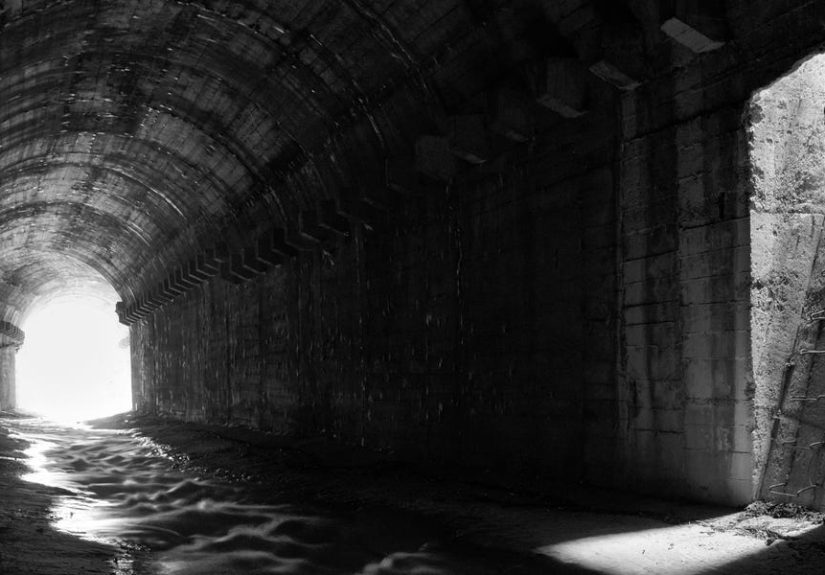
If you’re picturing a perfectly symmetrical stone maze from a fantasy novel, temper your expectationsbut only slightly. The newly confirmed
labyrinth is an intricate system of:
-
Main corridors: A principal tunnel roughly 1,700–1,800 meters long, running beneath Cusco’s historic center between the
Temple of the Sun (Coricancha) and the Sacsayhuamán fortress. -
Branching galleries: Smaller passageways connect to auxiliary sites and possibly storage or ritual chambers, similar in
concept to the galleries at the Chavín de Huántar temple complex, another Andean site famous for its underground labyrinths. -
Cut-and-cover construction: Rather than always tunneling deep into solid bedrock, Inca builders appear to have dug trenches,
reinforced them with precisely cut stone walls and lintels, and then covered themallowing streets and buildings to be laid out on top. -
Shallow but stable depth: Many sections lie a few meters below the surfacedeep enough to be hidden and structurally sound,
but shallow enough to be accessible from temple courtyards, plazas, and outcrops around the city.
The result is a layered city: ceremonial and administrative life above, and a hidden world of carefully engineered stone corridors below. It’s
urban planning with a built-in secret level.
Why Build a Hidden Inca Labyrinth?
So why invest enormous effort into an underground labyrinth when the Incas were already busy carving mountain-top citadels and terracing entire
valleys? Archaeologists don’t have all the answers yetsorry, no official “secret tunnel user manual” has been foundbut several plausible
functions have emerged.
1. Ritual and Symbolic Power
Andean cultures often blurred the line between architecture and cosmology. Moving from daylight into darkness, from plaza into tunnel, likely
had spiritual meaning. The tunnels may have been used for processions, initiation rites, or controlled sensory experiences involving darkness,
echoes, water, and incensesimilar to what researchers propose for the labyrinthine galleries of Chavín de Huántar.
Imagine priests guiding a small group through twisting corridors, lit only by torches, with sound bouncing unpredictably off stone walls. That’s
not just infrastructurethat’s theater with cosmic stakes.
2. Secure Movement Between Sacred Sites
A more pragmatic explanation: the chincanas allowed the Inca elite to move safely and quickly between key locations without navigating crowded
streets or risking unrest. A covered route between Coricancha and Sacsayhuamán would have been strategic during ceremonies, political tension,
or siege.
It’s the 15th-century equivalent of a VIP back corridorexcept made of megalithic stone and aligned with celestial observations.
3. Storage, Safety, and Possibly Treasure
Some sections may have doubled as secure storage for ritual objects, food, or weapons. Given the recurring rumors of hidden gold and the
legendary missing sun disk, it’s easy to see how any locked or sealed passage would fire up the imagination. While no glittering hoard has been
publicized (sorry, treasure-hunters), the very possibility adds to the mystique.
4. Engineering Showcase and Urban Backbone
The layout of the tunnels seems to echo the city plan above them, reinforcing the idea that the Incas thought in multiple levels: streets,
waterways, foundations, and tunnels all intertwined. The labyrinth might have helped stabilize slopes, manage drainage, or organize the
expansion of Cusco as it grew into a vast imperial capital.
The Discovery in the Wider Context of Andean Archaeology
The Inca labyrinth isn’t a one-off curiosity; it’s part of a bigger Andean tradition of going underground. Long before the Incas, the Chavín
culture built temple complexes riddled with shadowy galleries and ritual chambers that manipulated sound, light, and water.
Across Andean sites, we also see sophisticated engineering in unexpected placesfrom the “Band of Holes” in the Peruvian Andes, which recent
research links to ancient accounting and trade, to carefully planned terraces and hydraulic systems that turned steep mountain valleys into
productive landscapes.
Taken together, these discoveries push back against the outdated stereotype of pre-Columbian societies as “mysterious but simple.” The Incas
and their predecessors worked with geometry, logistics, and materials science on a level that still impresses 21st-century engineersand occasionally
baffles them.
What Comes Next: Science, Tourism, and Respect
At the moment, large sections of the labyrinth remain sealed or accessible only to research teams. There are good reasons for that: the tunnels
pass under modern streets and colonial buildings, and opening them too quickly could threaten both safety and structural stability.
Over time, archaeologists hope to:
- Map the full extent of the chincana system.
- Identify construction phases and any modifications during the Inca and colonial periods.
- Recover artifacts, organic remains, and pigments that reveal how the tunnels were used.
- Collaborate with local communities, who have preserved oral histories about these underground routes for generations.
And yes, tourism planners are definitely paying attention. Carefully designed routeslimited, supervised, and supported by solid conservation
workcould one day let visitors experience part of the labyrinth for themselves. Just don’t expect a free-for-all exploration. This is living
heritage, not a theme-park haunted house.
of “Down There” – Experiences and Impressions Around the Inca Labyrinth
While the tunnels themselves are not yet open for casual wandering (and your travel insurance company quietly thanks everyone involved), you can
still build a rich, labyrinth-themed experience in Cusco with what’s already accessible on the surface.
Walking the Labyrinth from Above
One of the most striking things visitors notice, especially after hearing about the newly confirmed chincanas, is how tight and intentional the
geography of Cusco feels. Stand in the courtyard of Coricancha, then later at Sacsayhuamán, and you can practically trace the imagined route
beneath your feetdown sloping streets, across plazas, under modern cafés and colonial balconies.
Many guided tours now weave the discovery into their storytelling. A guide may point to a seemingly ordinary patch of pavement and say,
“Below here, the radar picked up the main tunnel,” and suddenly that mundane street feels like the lid of a stone box. It’s a reminder that you
are a guest on multiple layers of history at once.
Sacsayhuamán’s “Practice Labyrinth”
At Sacsayhuamán itself, you can explore shorter, well-known chincanastight, twisting passages carved into the rock. They are not part of the
newly mapped deep network, but they give you a visceral preview of what a full tunnel system might feel like: cool air, echoing footsteps, and
that strange combination of excitement and “I probably should’ve brought a flashlight.”
These accessible chincanas have long been a favorite of local kids, who race through them as if they were playground tunnels. For visitors,
they are a safe way to test how comfortable you are with confined spacesand a great reality check before you start declaring that you’d
“totally explore the real labyrinth if they opened it tomorrow.”
Listening to Local Stories
Some of the most memorable “labyrinth experiences” don’t happen in tunnels at all; they happen over cups of coca tea or while catching your
breath on a stone bench. Longtime Cusqueños sometimes share stories from their parents and grandparents: a cousin who went too far into a cave
and came out somewhere unexpected, or an older neighbor who swore they once saw a blocked stone doorway glowing faintly at dusk.
Are these stories literally true? Maybe, maybe not. But from a cultural perspective, they are priceless. They show how the idea of an
underground network has lived in the local imagination for generations, long before GPR devices started drawing neat red tunnel lines on
scientific maps. The archaeologists may have confirmed the labyrinth, but the community kept it alive.
Respecting the Hidden City
If you visit Cusco now, the best way to honor the labyrinthlong before you can book an official “Inca Tunnel Tour”is with a mix of curiosity
and respect:
- Stay on marked paths at Sacsayhuamán and other sites, even when rocky nooks tempt you to squeeze into unsupervised crevices.
- Choose responsible tour operators who work with local communities and follow conservation guidelines.
-
Visit museums and smaller sites that help explain how Cusco’s layered history fits togetherfrom pre-Inca cultures to the
colonial period and beyond. - Listen more than you talk when locals share perspectives or stories about sacred places, tunnels included.
The confirmed labyrinth beneath Cusco is not just an “archaeological attraction in progress.” It’s a dramatic reminder that major discoveries
can still emerge from places we thought we already understood. The Incas left more than iconic terraces and postcard views; they built a city
with a hidden underside, a stone echo of their spiritual and political power.
Whether you’re an archaeology geek, a casual traveler, or someone who just loves the phrase “underground Inca labyrinth,” this discovery is a
powerful invitation: look again at the ground you’re standing on. Chances are, there’s more story beneath it than you think.
Conclusion
The confirmation of an underground Inca labyrinth beneath Cusco ties together centuries of rumor, fragments of colonial chronicles, local
legends, and modern science. By revealing a chincana system that links the Temple of the Sun to Sacsayhuamán and other key sites, archaeologists
have opened a new chapter in our understanding of the Inca Empire’s engineering genius, spiritual life, and urban design.
For now, the tunnels largely remain a research frontier rather than a tourist playground, and that’s probably for the best. But even from the
surface, knowing that a hidden stone network lies below your footsteps changes how you experience Cusco. It turns every alley into a question
markand every whisper about “secret passages” into a story that just might be true.