Table of Contents >> Show >> Hide
- Why Adults Get Braces in the First Place
- What Braces Can Actually Fix
- Are Braces More Difficult for Adults?
- The Biggest Benefits of Braces for Adults
- The Downsides Adults Should Not Ignore
- Metal Braces, Ceramic Braces, or Clear Aligners?
- How to Decide if Braces Are Worth It for You
- Questions to Ask Before Starting Treatment
- Bottom Line: Are Braces Worth It for Adults?
- Adult Braces in Real Life: Experiences, Emotions, and What People Often Notice
- SEO Tags
Getting braces as an adult can feel a little like showing up to prom after you already filed your taxes. It is not the “usual” timing, but it also is not weird, rare, or too late. In fact, more adults than ever are choosing orthodontic treatment because they want straighter teeth, a healthier bite, and fewer day-to-day annoyances like crowding, shifting, or difficult cleaning.
So, are braces worth it for adults? In many cases, yes. But not because braces magically turn every smile into a toothpaste commercial. They can be worth it when they solve real problems, improve function, make oral hygiene easier, and boost confidence enough that you stop doing the closed-lip smile in every photo. On the other hand, they may feel less worth it if your concerns are minor, your expectations are unrealistic, or you are not prepared for the time, cost, and commitment involved.
This guide breaks down the pros, the cons, the money question, the lifestyle trade-offs, and what real adult experiences tend to look like. No fluff. No scare tactics. Just a smart, honest look at whether braces deserve a spot in your adult budget and your calendar.
Why Adults Get Braces in the First Place
Adult braces are not just about vanity, although wanting to like your smile more is a perfectly valid reason. Many adults seek orthodontic treatment because something is actually off with the way their teeth fit together. That can include crowding, gaps, overlapping teeth, a deep bite, an underbite, an overbite, or teeth that have shifted over time.
Sometimes the issue started in childhood and was never treated. Other times, adult life simply happened. Teeth can drift after extractions, aging, grinding, gum changes, or skipped retainer wear after earlier orthodontic treatment. Yes, the retainer you ghosted in your twenties may be part of the plot.
Common reasons adults say yes to braces
- Crooked or crowded teeth that are hard to clean
- Noticeable bite issues that affect chewing or comfort
- Gaps or tooth movement after past dental work or tooth loss
- Speech or jaw function concerns in some cases
- Cosmetic goals tied to confidence at work or socially
For many adults, the “worth it” question comes down to whether braces address both appearance and function. If they do, the value tends to rise fast.
What Braces Can Actually Fix
Braces can do more than line up front teeth for selfies. Orthodontic treatment is designed to correct malocclusion, which is the clinical term for teeth or jaws that do not align properly. That matters because misalignment can make chewing less efficient, create uneven wear on certain teeth, and make some spots harder to brush and floss.
When teeth are extremely crowded or rotated, plaque can hang out in all the places your toothbrush hates. That does not mean braces guarantee perfect oral health, but it does mean straighter, better-positioned teeth may be easier to maintain over time. Think of it as decluttering your mouth so your hygiene routine has a fighting chance.
Braces may help with:
- Crowding and overlapping teeth
- Spacing and gaps
- Crossbites, overbites, underbites, and open bites
- Teeth that have shifted after earlier treatment
- Prepping for other dental work in some cases
That last point matters more than people think. Sometimes braces are part of a bigger dental game plan. An orthodontist may recommend moving teeth before implants, veneers, restorative work, or jaw surgery. In those cases, braces may be less about cosmetics and more about setting the stage for better long-term results.
Are Braces More Difficult for Adults?
Adult orthodontic treatment can work very well, but it is not always identical to treatment in teens. Adults often come with more dental history: crowns, fillings, gum recession, missing teeth, implants, or old dental work that complicates the map a little.
That does not mean braces are a bad idea. It simply means planning matters more. If you have active gum disease, untreated cavities, or certain bone and dental concerns, those issues usually need attention before treatment starts. In some adult cases, braces alone will not solve the whole problem, especially if the bite issue is related to jaw position rather than just tooth position.
Translation: adult braces are very doable, but they are rarely a casual add-on. They are more like a renovation than a throw pillow.
The Biggest Benefits of Braces for Adults
1. Better smile confidence
Let us start with the obvious one. A lot of adults want braces because they are tired of hiding their teeth in photos, work meetings, dates, or video calls. Confidence is not a shallow benefit. If you feel self-conscious about your smile every day, that takes up mental space. Fixing something that bothers you can be genuinely worthwhile.
2. Improved bite and function
When your teeth meet more evenly, chewing may feel more comfortable and efficient. For some people, correcting a bite issue also reduces excessive wear on certain teeth. Braces are not a miracle cure for every jaw complaint, but when the problem is true misalignment, treatment can improve day-to-day function.
3. Easier cleaning in some cases
Straighter teeth can be easier to clean after treatment than severely crowded ones. That can support better long-term oral care, especially if crowding made flossing feel like threading a needle while wearing oven mitts.
4. Long-term dental planning
Orthodontic treatment can create healthier spacing and positioning for future dental care. If your dentist or orthodontist is trying to preserve teeth, distribute forces better, or prepare for restorative work, braces may have value far beyond aesthetics.
The Downsides Adults Should Not Ignore
Now for the part that does not make it onto glossy before-and-after ads.
Time
Braces are not a weekend project. Treatment often lasts around one to two years, though some people finish sooner and others take longer. Complex adult cases can stretch the timeline. You also need regular appointments and, afterward, retainer wear to maintain the results.
Cost
Orthodontic treatment is a real financial commitment. The final price depends on the complexity of your case, where you live, the appliance used, and whether your dental plan covers adult orthodontics. Some plans help. Some do not. Some tease you with limited benefits that disappear faster than free office donuts.
Discomfort and inconvenience
Braces can cause soreness, especially after placement and adjustments. You may need to avoid certain foods, change how you clean your teeth, and deal with occasional irritation. Even clear or ceramic options still require discipline and upkeep.
Appearance during treatment
Many adults worry they will look younger, awkward, or too “metal-mouth” for professional settings. The good news is adult braces are increasingly common, and there are more discreet options now. Still, if visibility matters a lot to you, that should be part of the treatment discussion.
Metal Braces, Ceramic Braces, or Clear Aligners?
Adults often assume they only have two options: obvious metal braces or expensive invisible trays. In reality, the best choice depends on your bite, goals, budget, and how responsible you are with removable devices.
Metal braces
These are still the workhorses of orthodontics. They are effective, widely used, and often a strong choice for more complex cases. They are also the most visible, which some adults do not mind and others absolutely do.
Ceramic braces
Ceramic braces blend in more with natural tooth color, making them less noticeable. They can be a nice middle ground if you want braces that are effective but not quite as obvious.
Clear aligners
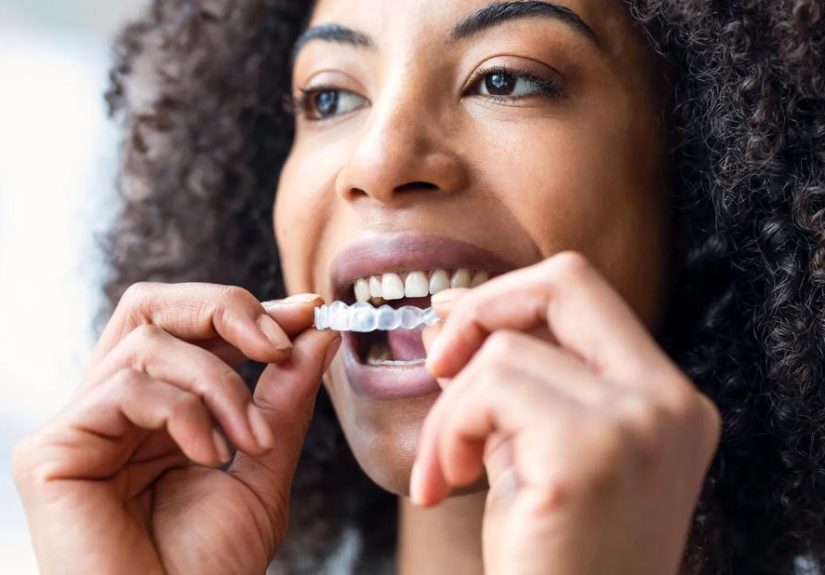
Clear aligners are popular with adults because they are removable and more discreet. But they only work if you actually wear them as instructed. “I forgot” is not an orthodontic strategy. Some cases are also better suited to fixed braces than aligners, so this is not just a cosmetic choice.
How to Decide if Braces Are Worth It for You
Here is the honest answer: braces are worth it for adults when the benefits are meaningful to your life, not just impressive on paper.
Braces may be worth it if:
- Your teeth are crowded, shifting, or hard to clean
- Your bite causes functional issues or uneven wear
- You have a long-term dental treatment plan that depends on alignment
- Your smile affects your confidence more than you like to admit
- You are prepared for the cost, maintenance, and retainer phase
Braces may feel less worth it if:
- Your concerns are very minor and mostly visible only to you
- You are unlikely to follow treatment instructions consistently
- You are not ready to budget for the full process
- You expect instant results or zero inconvenience
- Underlying dental issues need attention first
One of the smartest things an adult can do is ask not just, “Can braces fix this?” but also, “Will fixing this improve my life enough to justify the trade-offs?” That question gets you closer to the truth than any flashy ad ever will.
Questions to Ask Before Starting Treatment
- What problem are we trying to solve: cosmetic, functional, or both?
- How long is treatment likely to take in my case?
- What appliance do you recommend, and why?
- Will I need extractions, other dental work, or possible jaw surgery?
- What will retention look like after treatment?
- What are the total costs, payment options, and insurance limits?
If the answers are clear and the goals make sense, you are in a much better position to decide whether braces are a smart investment or a well-marketed maybe.
Bottom Line: Are Braces Worth It for Adults?
For many adults, braces are absolutely worth it. They can improve the way teeth fit together, make cleaning easier in some cases, support future dental work, and deliver a confidence boost that spills into everyday life. That is a strong return for something that lasts beyond the treatment window.
But braces are not automatically worth it for every adult. They require money, patience, consistency, and realistic expectations. The best candidates are people who want meaningful change and understand that orthodontics is a process, not a magic trick.
If your teeth or bite are causing problems, or if your smile has been bothering you for years, getting a consultation is usually worth it even if you do not move forward right away. You may learn that treatment could help more than you thought, or you may discover that a smaller, simpler option makes more sense. Either way, that is useful information.
In other words, adult braces are often worth it not because they promise perfection, but because they can deliver practical, lasting improvement. And honestly, that is a much better deal.
Adult Braces in Real Life: Experiences, Emotions, and What People Often Notice
Ask adults about braces and you will rarely get a one-word answer. You get stories. Usually, those stories start with hesitation. A lot of adults spend months or even years thinking about treatment before booking a consultation. They worry about cost, appearance, age, dating, work meetings, and whether they are being “too old” or “too extra” for wanting straighter teeth. Then they finally sit in the chair, hear a real treatment plan, and realize this is not some teenage rite of passage they missed forever. It is just healthcare with a side of self-improvement.
One common experience is surprise at how quickly the embarrassment fades. Many adults assume everyone will stare at their braces. In reality, most people either do not care or are oddly supportive. Coworkers often respond with, “I’ve been thinking about doing that too.” Friends ask questions. Family members get used to it in about 11 seconds. The fear is usually louder before treatment than during it.
Another recurring experience is the strange emotional mix of discomfort and excitement. The first week can be annoying. Your teeth feel tender, crunchy foods become public enemies, and you may become deeply invested in soft pasta. But then something interesting happens: you start noticing movement. A crooked tooth shifts. A gap changes. The bite begins to feel different. Adults often say that seeing progress makes the inconvenience feel more manageable because it turns the whole process from abstract expense into visible payoff.
There is also the discipline factor. Adults who do well with braces often treat the process like a long-term project. They show up for appointments, clean carefully, follow food guidelines, and actually wear their retainers afterward. Adults who struggle are usually not weak or careless; they are busy. Life gets crowded. Travel happens. Work stress happens. Parenting happens. Orthodontics does not pause just because your calendar looks like a game of Tetris. That is why adult success with braces is often less about pain tolerance and more about consistency.
Many adults also describe an unexpected benefit: they become more aware of their oral health overall. They floss more carefully, keep up with cleanings, pay attention to clenching or grinding, and become more proactive with dental care in general. In that way, braces can act like a reset button. Not a magical one, but a useful one.
And yes, the ending matters. The day braces come off is exciting, but adults often say the real reward shows up later. It is smiling in photos without rehearsing your angle. It is not fixating on that one tooth in every video call. It is feeling like your outside expression finally matches how confident you feel on the inside. For many adults, that is the moment the whole thing clicks. Not when the brackets go on. Not even when they come off. But when life goes back to normal, and normal feels better than before.