Table of Contents >> Show >> Hide
- Why Differential Gear Oil Matters
- What You’ll Need
- How to Check Your Car’s Differential Gear Oil: 13 Steps
- 1. Confirm your vehicle actually has a separate differential to inspect
- 2. Check the exact fluid spec before touching anything
- 3. Park on a level surface
- 4. Let the differential cool down a bit
- 5. Chock the wheels and raise the vehicle safely if needed
- 6. Locate the differential fill or inspection plug
- 7. Inspect the outside of the housing for leaks first
- 8. Remove the fill plug carefully
- 9. Check the fluid level
- 10. Check the fluid condition
- 11. Top off only if necessary, and use the exact right fluid
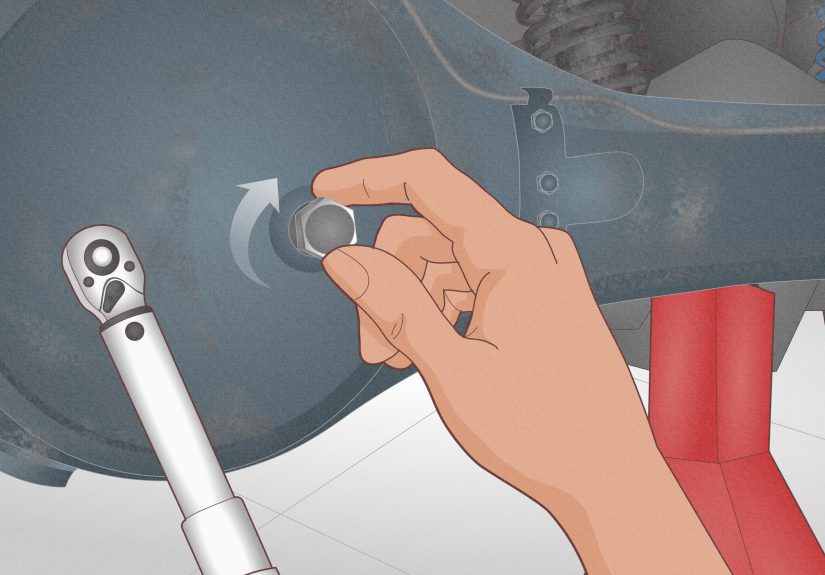
- 12. Reinstall the fill plug securely
- 13. Lower the car, take a short drive, and recheck for leaks or noise
- What Normal vs. Bad Differential Fluid Looks Like
- When You Should Not Just Top It Off
- Common Mistakes to Avoid
- Final Thoughts
- Real-World Experiences Checking Differential Gear Oil
- SEO Tags
If engine oil is the celebrity fluid of car maintenance, differential gear oil is the hardworking character actor who never gets enough credit. It does the dirty job of lubricating the gears that transfer power to your wheels, handles big loads, and quietly absorbs abuse every time you accelerate, tow, corner, or crawl through a muddy parking lot that looked way less muddy from a distance.
The problem is that many drivers never think about checking differential gear oil until the rear end starts humming like a haunted espresso machine. By then, your wallet may already be filing a complaint. The good news is that checking differential oil is usually straightforward if your vehicle has a separate differential housing and an accessible fill or inspection plug.
Before you dive in, one important note: not every vehicle has a separate differential you can inspect this way. Many front-wheel-drive cars use a transaxle, where the differential shares fluid with the transmission. So if you crawl under your car and don’t find a standalone differential housing, your owner’s manual is not gaslighting you. It is simply reminding you that cars love being mechanically dramatic.
This guide walks you through exactly how to check your car’s differential gear oil in 13 practical steps, plus what normal fluid looks like, what bad fluid is trying to tell you, and when to stop the DIY adventure and call a pro.
Why Differential Gear Oil Matters
Differential gear oil lubricates ring-and-pinion gears, bearings, and other internal components that live under heavy pressure. Unlike engine oil, gear oil is built for extreme pressure and heat. That is why it often has a thick texture and a smell that can only be described as “industrial regret.”
When the oil level is low or the fluid is contaminated, the gears and bearings can wear much faster. You may notice whining, rumbling, grinding, banging in turns, leaks around the differential cover, or vibration that seems to come from the drivetrain. Catching low or dirty fluid early can help you avoid expensive repairs and a terrible conversation that starts with, “So, your differential is toast.”
What You’ll Need
- Your owner’s manual
- Safety glasses and gloves
- Wheel chocks
- Floor jack and jack stands or ramps, if needed
- The correct socket, hex bit, or ratchet for the fill plug
- Shop rags or paper towels
- A flashlight
- A small zip tie, bent wire, or gloved finger to check the level
- The correct gear oil in case topping off is needed
- A hand pump if your fluid bottle cannot reach the fill hole directly
How to Check Your Car’s Differential Gear Oil: 13 Steps
-
1. Confirm your vehicle actually has a separate differential to inspect
Start with the owner’s manual. Rear-wheel-drive, four-wheel-drive, and many all-wheel-drive vehicles often have one or two differentials with their own gear oil. Many front-wheel-drive vehicles do not. This step saves you from spending half an hour under the car hunting for a component that is busy living inside the transmission.
-
2. Check the exact fluid spec before touching anything
Look up the required oil type, viscosity, and any limited-slip requirement. Common specs include 75W-90, 75W-140, or 80W-90, but “common” is not the same as “correct.” If your differential uses a limited-slip setup, it may require a fluid with the proper friction modifier. Using the wrong oil can cause chatter, poor lubrication, or unnecessary wear.
-
3. Park on a level surface
This matters more than people think. Differential fluid level is usually checked relative to the bottom of the fill hole, so if the vehicle is nose-up, nose-down, or leaning, your reading can be off. Put the transmission in Park or in gear for a manual, set the parking brake, and let everything settle.
-
4. Let the differential cool down a bit
If you just drove the car, the housing and fluid may be hot. Warm fluid flows better, but hot gear oil plus bare knuckles is a terrible friendship. Give it time to cool until you can work safely.
-
5. Chock the wheels and raise the vehicle safely if needed
If the differential is easy to reach, great. If not, use ramps or lift the vehicle with a floor jack and support it securely on jack stands. Never rely on the jack alone. Ever. Your car weighs too much to be trusted on optimism.
-
6. Locate the differential fill or inspection plug
The fill plug is usually on the differential cover or housing, often halfway up rather than at the very bottom. Clean the area around it with a rag first. That way, dirt and grit will not fall inside when you remove the plug. Think of this as basic hygiene for your axle.
-
7. Inspect the outside of the housing for leaks first
Before removing the plug, shine a flashlight around the differential cover, axle seals, and pinion area. Wet grime, fresh oil, or streaking can point to a leak. If the outside already looks suspiciously oily, there is a decent chance the fluid inside has been quietly making an exit.
-
8. Remove the fill plug carefully
Use the correct tool and break the plug loose slowly. Some plugs are stubborn, especially if they have not moved since the previous presidential administration. Once it is loose, remove it by hand if possible so you can feel whether fluid is right at the opening.
-
9. Check the fluid level
In many differentials, the correct level is even with the bottom of the fill hole or slightly below it. You may be able to touch the fluid with a gloved finger. If not, use a clean zip tie or bent wire as a simple dipstick. If the fluid sits noticeably below the opening, the differential may need topping off, and you should also investigate why the level dropped.
-
10. Check the fluid condition
This step is just as important as the level. Healthy gear oil should look oily and smooth. Dark fluid can be normal with age, but gritty fluid, visible metal flakes, or sludge are bad signs. Milky fluid suggests water contamination. A strong burnt odor can mean the oil is overheated or degraded. Gear oil does have a naturally powerful smell, so you are checking for “bad strong,” not just “wow, that is intense.”
-
11. Top off only if necessary, and use the exact right fluid
If the level is low and the fluid condition still looks acceptable, add only the specified gear oil. Use a pump if needed, and add slowly until the fluid is level with the bottom of the hole or the manufacturer’s specified height. Do not freestyle the fluid choice because a bottle happened to be on sale. Differentials appreciate accuracy, not improvisation.
-
12. Reinstall the fill plug securely
Wipe the area clean and reinstall the plug. Tighten it to the manufacturer’s torque specification if you have that information. If you do not, tighten it firmly without going full gorilla. Over-tightening can damage threads or the housing, which is a very annoying way to create a new problem while fixing an old one.
-
13. Lower the car, take a short drive, and recheck for leaks or noise
After everything is buttoned up, lower the vehicle and go for a short drive. Listen for whining, grinding, or clunking. Then inspect the fill plug area and differential housing for fresh seepage. If the level was low and drops again, or if noise continues, the issue may be more than a simple top-off.
What Normal vs. Bad Differential Fluid Looks Like
Normal: smooth, oily texture; no glittery metal; level at or near the fill opening; strong but not cooked smell.
Needs attention: fluid level clearly below spec; milky appearance from moisture; gritty texture; sparkly metal particles; sludge; dark fluid with a burnt smell; or any sign of leakage on the housing.
A small amount of very fine metallic sheen on older fluid may not mean instant disaster, but chunks, flakes, or heavy glitter definitely deserve professional attention. Your differential is not supposed to exfoliate.
When You Should Not Just Top It Off
Topping off is fine only when the fluid is slightly low and still in decent condition. You should plan a full service or inspection if:
- The fluid is contaminated or burnt
- You see metal debris
- The differential is noisy
- You tow often, off-road regularly, or have driven through deep water
- The housing, axle seals, or pinion seal are leaking
- You are dealing with a limited-slip differential that chatters in turns
In those cases, checking the oil is only the opening act. The real solution may be a fluid change, seal repair, or internal inspection.
Common Mistakes to Avoid
- Checking the level with the vehicle tilted
- Using the wrong gear oil viscosity
- Ignoring limited-slip requirements
- Opening the drain plug before confirming the fill plug comes out
- Letting dirt fall into the housing
- Assuming all burnt smells are normal
- Forgetting to look for the reason the fluid got low in the first place
Final Thoughts
Checking your car’s differential gear oil is not glamorous, but neither is paying for a new differential. This is one of those maintenance tasks that rewards a little curiosity, a little caution, and a willingness to smell like gear oil for the rest of the afternoon.
If the level is correct and the fluid looks clean, congratulations: your differential is probably happy. If the fluid is low, milky, gritty, or burnt, you caught a problem before it turned into a louder and more expensive one. Either way, that is a win.
The best rule is simple: trust the owner’s manual, use the exact fluid your vehicle calls for, and do not ignore leaks or drivetrain noises. Your car may not thank you verbally, but it will usually express its appreciation by not howling down the highway.
Real-World Experiences Checking Differential Gear Oil
People usually do not decide to check differential gear oil because they woke up craving a relaxing afternoon under the car. Most of the time, it starts with a clue. Maybe there is a faint hum at highway speed. Maybe you notice a dark wet patch on the differential cover while changing the engine oil. Maybe you bought a used truck from a guy who said, “It has been maintained,” using the same tone people use when they say, “This leftovers container should still be fine.”
One common experience is the first-time DIY owner who expects the fluid to be easy to identify and immediately discovers that gear oil has the smell profile of a medieval dungeon crossed with a chemistry lab. That surprise tends to be unforgettable. But it also teaches an important lesson: wear gloves, use rags generously, and do not climb into the cabin right afterward unless you want your seats to remember the experience too.
Another real-world scenario happens with trucks and SUVs that tow boats, campers, or utility trailers. The vehicle may feel perfectly normal, but when the fill plug comes out, the oil level is lower than expected or the fluid is darker and hotter-smelling than it should be. That moment often changes how owners think about “lifetime fluid.” In real life, severe service is very real. Towing, steep grades, summer heat, off-roading, and water crossings all make the differential work harder than the brochure photos suggest.
There is also the classic story of the careful owner who checks the fluid simply because the mileage seems right, only to find seepage around the cover gasket or pinion seal before any major symptoms appear. That is the maintenance equivalent of spotting a roof leak before the ceiling caves in. The fix is usually far simpler and cheaper when caught early.
Then there are the folks who discover that their vehicle does not use the “fill to the hole” rule exactly. Some axles are designed to sit slightly below the fill opening, and that is where the owner’s manual becomes the hero of the day. It may not be thrilling reading, but it beats guessing. In differential service, guessing is how perfectly decent weekends become repair bills.
What many drivers say afterward is that the job itself was less intimidating than expected. Once they found the plug, confirmed the fluid spec, and understood what they were looking for, the mystery disappeared. That is the big takeaway: checking differential gear oil is not about becoming a master mechanic overnight. It is about noticing problems early, understanding what normal looks like, and building a little confidence with every maintenance task. Even if the only reward is peace of mind and slightly smug satisfaction, that is still a pretty solid return on investment.