Table of Contents >> Show >> Hide
- What “Attic Flooring” Really Means
- Step One: Can Your Attic Handle a Floor?
- How to Assess Your Attic for Flooring (Without Guessing)
- Materials: Plywood vs. OSB (And What Thickness Actually Works)
- Insulation: The #1 Thing People Accidentally Mess Up
- Air Sealing + Ventilation: The Quiet Partners of Attic Flooring
- Planning Your Layout: Where Flooring Makes Sense (And Where It Doesn’t)
- DIY Installation Basics: A Practical, Safer Approach
- Costs: What to Expect
- When to Call a Pro (And Why It’s Not “Giving Up”)
- Quick FAQs
- Real-World “Attic Flooring” Experiences (The Stuff Homeowners Learn the Hard Way)
Your attic is basically your home’s “junk drawer,” except it’s overhead, dusty, and one wrong step can send your foot
through the ceiling like a surprise cameo in a slapstick movie. The good news: adding attic flooring can turn that
spooky, spider-adjacent space into practical storageor even the early stages of a future finished room. The not-so-fun news:
not every attic is built to carry the weight of your ambitions, your holiday decorations, and that treadmill you swore you’d use.
This guide walks you through attic flooring the smart way: how to tell what your attic can handle, which materials make sense,
how to install decking without crushing insulation, and what “good idea” habits keep your energy bills (and ceiling drywall)
from suffering. We’ll keep it practical, specific, and only mildly dramatic.
What “Attic Flooring” Really Means
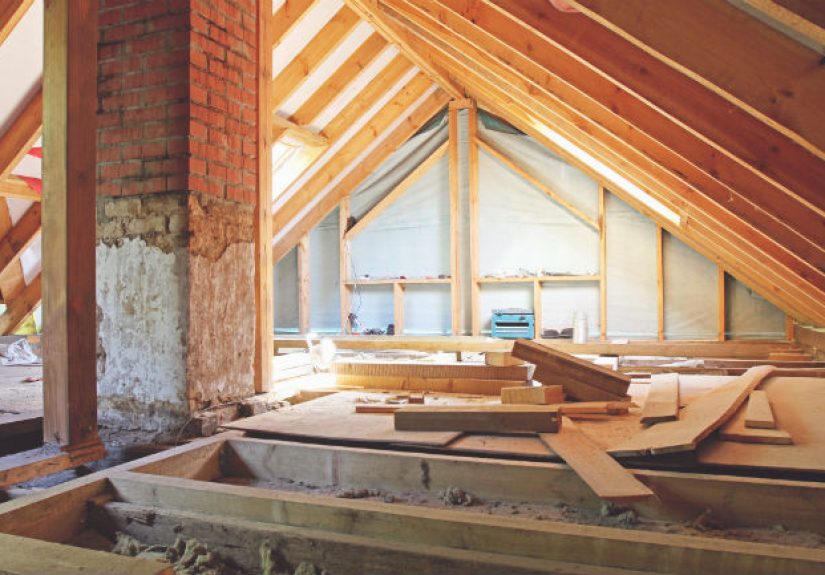
“Attic flooring” usually isn’t a fancy hardwood situation with baseboards and a throw rug. In most homes, it means adding
deckingtypically plywood or OSB (oriented strand board)over ceiling joists or attic truss bottom chords to create a stable platform.
That platform can be:
- A walkway for safe access to equipment (HVAC, wiring junctions, bath fan ducts, etc.).
- A small storage zone near the hatch (seasonal items, lightweight bins, luggage).
- A larger storage deck (only if the structure is designed to take it).
- A future finished space (a different level of engineering, permitting, and upgrades).
Step One: Can Your Attic Handle a Floor?
Before you buy a single sheet of plywood, you need the most important detail: what load your attic framing was designed for.
Many attics are framed primarily to hold up the ceiling belownot to support people walking around or stacks of storage bins.
This is why “it looks sturdy” is not a measurement anyone puts on a permit.
Know the Difference: Uninhabitable vs. Habitable Attics
Building codes distinguish between attics that are basically “access-only” and attics meant for real use. In the residential code,
you’ll see minimum design live loads that commonly include:
- Uninhabitable attic without storage: very limited load expectations (often around 10 psf).
- Uninhabitable attic with limited storage: higher (often around 20 psf), but still “limited.”
- Habitable attics / fixed stairs / sleeping areas: higher live loads (commonly 30–40 psf depending on use).
Translation: a “light storage” attic is not a “pile heavy stuff everywhere” attic, and neither is automatically a “build a bedroom”
attic. If you’re unsure, a structural engineer or qualified contractor can verify capacity and recommend reinforcement when appropriate.
Stick-Framed vs. Truss-Framed Attics
If your attic is stick-framed, you’ll often see rafters and separate ceiling joists. If it’s truss-framed, you’ll see
a repeating web of triangular members. Trusses are engineered systems; modifying them (cutting, drilling, “just trimming a little”)
is a fast way to turn “storage project” into “why is my roof sad?” If you have trusses and want serious attic flooring, treat it like
an engineering question, not a weekend improv show.
How to Assess Your Attic for Flooring (Without Guessing)
1) Measure Joist/Chord Size and Spacing
Note the size of the members (for example, 2×6 vs. 2×8) and spacing (commonly 16″ or 24″ on center). Smaller members and wide spacing
typically mean the attic was designed for limited loads. Also look for signs of deflection (sagging), cracking, or prior repairs.
If you see anything concerning, hit pause and get a pro opinion.
2) Identify What’s Below
Flooring over a guest bedroom ceiling and flooring over a garage ceiling can be two different worlds because of insulation, vapor control,
and temperature swings. Plus, if there’s HVAC equipment up there, you’ll need safe access paths that don’t crush insulation or block ventilation.
3) Decide the Use Case: Walkway, Small Storage, or “Big Plan”
The smartest, most common approach is to build only what you need: a walkway to the air handler, a small deck for holiday bins,
maybe a platform near the access hatch. It’s cheaper, safer, and far less likely to cause insulation or moisture problems.
Materials: Plywood vs. OSB (And What Thickness Actually Works)
Plywood and OSB are both widely used structural panels. In many applications, they perform similarly, but they behave a bit differently with moisture,
fasteners, and edges. Cost and availability also vary by region.
Plywood
- Pros: Stiffer feel in some cases, good fastener holding, tends to handle intermittent moisture a bit more forgivingly.
- Cons: Usually costs more, can delaminate if repeatedly exposed to moisture, still needs proper support.
OSB
- Pros: Often more budget-friendly, consistent strength across the sheet, widely available in subfloor-rated products.
- Cons: Edges can swell if repeatedly wet; it’s not a fan of long-term water drama.
Thickness: The “Don’t Regret This Later” Range
For attic decking used as a walkway or light storage platform, homeowners commonly choose panels in the 1/2″ to 3/4″ range,
depending on joist spacing and how “solid” they want it to feel. Many people prefer 3/4″ (or ~23/32″) subfloor-rated panels when
joists are 24″ on center or when they want less flex. Tongue-and-groove (T&G) edges can help reduce edge movement between sheets, especially
for floors that will be walked on frequently.
Insulation: The #1 Thing People Accidentally Mess Up
Attics are where homes either save energy… or leak it like a sieve wearing flip-flops. The big mistake with attic flooring is
compressing insulation. Fluffy insulation works because it traps air; smash it down and you lower its effectiveness.
That means higher utility bills and rooms below that feel like they’re arguing with the thermostat.
Raised Platforms: The Best of Both Worlds
If your attic has deep blown-in insulation (or you plan to add more), build a raised platform above the insulation instead of laying
sheets directly on the joists. A common method is adding framing “sleepers” (like 2x4s or 2x6s) across joists to create height,
then decking on top. This keeps insulation at full depth and creates a stable storage surface.
Don’t Block Ventilation Paths
If your attic is vented (most are), it needs airflow from soffits to higher vents (often a ridge vent). Insulation baffles at the eaves help
maintain an air channel so insulation doesn’t clog the intake. If you’re building decking or platforms, keep those vent paths openyour roof will
thank you by not growing mystery moisture.
Air Sealing + Ventilation: The Quiet Partners of Attic Flooring
If attic flooring is the “stage,” then air sealing and ventilation are the stage crew making sure the show doesn’t collapse.
A classic energy-efficiency trifecta shows up again and again: air sealing, insulation, ventilation. The order matters:
seal air leaks first, then insulate, then make sure ventilation is still doing its job.
Common Air Leaks to Seal (Before You Deck)
- Gaps around plumbing stacks and electrical penetrations
- Open chases (like around chimneys or duct chasesuse proper fire-safe methods)
- Attic access hatch gaps (weatherstripping + an insulated cover works wonders)
- Recessed lights (especially older, non-IC-rated fixtureshandle safely)
Safety note: areas around flues and chimneys may require noncombustible materials and high-temperature sealants. If you’re unsure, don’t freestyle it.
Heat + “mystery foam” is not the DIY legacy you want.
Planning Your Layout: Where Flooring Makes Sense (And Where It Doesn’t)
A smart attic floor plan is usually selective. Instead of carpeting the entire attic in plywood like you’re preparing for an
indoor skate park, focus on:
- A walkway from the hatch to essential equipment (air handler, junction boxes that need access).
- A storage pad near the hatch for lightweight, bulky items (holiday décor, empty suitcases, bins).
- Clearance zones around vents, ducts, and roof penetrations so you can inspect for leaks and maintain airflow.
Storage Rules That Save Headaches
- Store light items up high. Heavy items belong on lower floors unless the attic is engineered for it.
- Use sealed plastic bins to reduce moisture and pest surprises.
- Keep items away from recessed lights, chimneys, and exhaust ducts.
- Label everythingbecause future-you deserves kindness.
DIY Installation Basics: A Practical, Safer Approach
If your attic is appropriate for light decking and you’re staying within safe limits, a straightforward DIY approach is possible.
The goal is a stable walking surface without damaging insulation or compromising ventilation.
Tools and Supplies (Typical)
- Measuring tape, straightedge, marker
- Circular saw (or track saw), drill/driver
- Construction screws (avoid nails for squeak reduction and better hold)
- Plywood or OSB panels (subfloor-rated is a plus)
- 2x lumber for sleepers (if building a raised platform)
- Work light/headlamp, kneepads, dust mask/respirator, gloves
Install Like You Mean It (Not Like You’re in a Hurry)
- Map joists/truss chords and mark them so you’re fastening into structure, not hopes and dreams.
- Start with a walkwayget safe access first, then expand only if needed.
- Run panels perpendicular to joists for strength.
- Leave small gaps between panels where recommended to allow for seasonal expansion.
- Screw down securely on joists/sleepers so panels don’t shift when you walk.
- Keep insulation fluffyif you need height, raise the platform rather than compressing insulation.
Walking Safety: Your Ceiling Is Not a Trampoline
Only step on the decking or on framing members you’re certain can support you. Drywall between joists will not.
Move slowly, keep a bright light, and consider laying temporary boards first if you’re working before permanent decking goes down.
Costs: What to Expect
Attic flooring costs depend on how much you deck, panel type/thickness, and whether you build raised platforms. As a rough idea:
a small storage pad and walkway is usually far more budget-friendly than full attic coverage. Raised platforms add lumber and labor,
but they protect insulation performancewhich can pay back in comfort and energy savings.
When to Call a Pro (And Why It’s Not “Giving Up”)
Hire help or get an engineering consult if:
- You have trusses and want extensive flooring or any structural changes.
- You’re aiming for a finished living space or installing fixed stairs.
- You see sagging, cracked framing, water damage, or prior “creative” repairs.
- You plan to store heavy items or add equipment (like a large air handler) on a new platform.
A pro can prevent expensive mistakes: crushed insulation, blocked ventilation, overloaded framing, or moisture issues that quietly bloom
into bigger repairs later.
Quick FAQs
Can I floor my attic just for storage?
Often yesbut only for limited storage and only if the structure can support it. Many attics are designed for access and very light loads.
A small raised platform and walkway is usually the safest, most efficient compromise.
Will attic flooring make my home less energy efficient?
It can if it compresses insulation or blocks ventilation. Done right (raised platform + proper air sealing + maintained vent paths),
it can coexist with good energy performance.
Is tongue-and-groove worth it?
For walkable decking, T&G edges can help reduce movement at seams. It’s not mandatory for every attic project, but it’s a nice upgrade when you expect foot traffic.
Real-World “Attic Flooring” Experiences (The Stuff Homeowners Learn the Hard Way)
Let’s talk about what people actually experience once the project leaves the realm of “Pinterest-perfect” and enters the reality of “why is it 120 degrees up here?”
These aren’t one-person war storiesthey’re the most common patterns homeowners run into when they add attic flooring for storage.
Experience #1: The Great Insulation Pancake. A lot of folks start with the best intentions: “I’ll just lay a few sheets of plywood down.”
Then winter arrives, the upstairs gets drafty, and someone realizes they flattened eight inches of blown-in insulation into something that looks like a tired bath mat.
The fix usually involves pulling up panels (again), rebuilding the platform higher, and promising never to underestimate the power of fluffy insulation.
The lesson: if your attic has deep insulationor you plan to add itbuild a raised platform from the start. It’s cheaper than doing it twice.
Experience #2: The Wobble Walkway. Another classic is the walkway that “technically works,” but feels like a carnival funhouse bridge.
This often happens when thin panels span wider joist spacing or when fasteners are spaced too far apart. Homeowners describe it as “a little bouncy” right up until
they’re carrying a storage bin and suddenly discover their balance has feelings. The typical upgrade is thicker, subfloor-rated panels and more secure fastening.
The lesson: your attic walkway should feel boringly solid. “Boring” is the gold standard when gravity is involved.
Experience #3: The Surprise Moisture Mystery. Sometimes people deck first, store a bunch of cardboard boxes, and later find warped edges,
damp-smelling bins, or rusty tools. The culprit is usually a mix of seasonal temperature swings, humidity, and poor ventilationor bath fan ducts that dump moist air
into the attic like it’s their job (because apparently it is). Once the airflow and ducting are corrected, storage gets smarter: sealed plastic bins, a little spacing
off roof sheathing, and periodic checks. The lesson: attic storage is not “set it and forget it.” It’s “set it, label it, and inspect it sometimes.”
Experience #4: The “I Only Needed a Little Storage” Expansion Pack. A small platform near the hatch is a gateway project.
It starts with holiday décor. Then it’s suitcases. Then it’s “where should we put the baby stuff?” Suddenly the attic is being treated like a third garage.
This is where homeowners either get smart and keep storage light and limitedor they push beyond what the attic was designed for.
The lesson: decide your storage boundary early. If you truly need major storage capacity, it may be safer to improve storage somewhere else
(garage shelving, shed, closets) than to overload overhead framing.
Experience #5: The ‘Why Didn’t I Air-Seal First?’ Regret. Homeowners who do attic flooring often discover that once decking is down,
it’s harder to reach the ceiling plane for air sealing. That’s when they learn about the “stack effect” and the tiny gaps that add up to real energy loss.
The lesson: treat air sealing as your pre-flooring bonus level. Seal the big leaks, improve the hatch, confirm bath fans vent outdoors,
and keep ventilation paths clearthen build your platforms. You’ll be happier, and your HVAC system will stop working overtime like it’s trying to win a trophy.
If there’s one universal takeaway from real-world attic flooring projects, it’s this: the best attic floors are the ones that respect the attic’s real purpose.
In most homes, that purpose is not “extra room.” It’s “a controlled buffer zone that protects the house below.” Add smart, limited flooring, protect insulation,
keep ventilation working, and your attic will finally become usefulwithout becoming a problem.