Table of Contents >> Show >> Hide
- Gout 101: What’s Actually Happening in Your Body?
- Diet and Gout: The Truth (No, It’s Not “Never Eat Anything Fun Again”)
- So… Are Bananas Good for Gout?
- The Big Question: What About Sugar in Bananas?
- Best Ways to Eat Bananas If You Have Gout
- What to Limit Instead (Because Gout Has Real Villains)
- Bananas, Kidneys, and Gout: Why Hydration and Kidney Health Matter
- Practical “Banana Rules” for People With Gout
- When to Talk to a Clinician (Because Sometimes Food Isn’t Enough)
- Real-World Experiences With Bananas and Gout (500+ Words)
- Conclusion
If gout had a personality, it would be that dramatic friend who shows up unannounced, flips your life upside down,
and then leaves you googling “why does my big toe hate me?” at 2 a.m. The good news: you’re not alone. The better news:
you don’t have to live on plain lettuce and regret.
One of the most common food questions gout folks ask is surprisingly specific: “Are bananas okay?”
Like, can a harmless yellow fruit really cause chaos in your joints? Let’s break it downwhat gout is,
what foods actually matter, where bananas fit in, and how to eat them in a way that helps (not hurts) your uric acid goals.
Gout 101: What’s Actually Happening in Your Body?
Gout is a type of inflammatory arthritis. The short version: your body has too much urate (uric acid)
in the blood for too long, and it can form needle-like crystals that settle in joints. Your immune system
treats those crystals like an unwanted intruderhello swelling, redness, heat, and pain that can make a bedsheet feel rude.
Many people first feel gout in the big toe, but ankles, knees, feet, wrists, and elbows can also be targets.
Flares often come in wavespainful episodes followed by calmer periodsunless urate levels stay high and the condition becomes
more frequent or chronic.
Where does uric acid come from?
Uric acid is made when your body breaks down purinesnatural compounds found in your cells and in certain foods.
Normally, kidneys filter uric acid out through urine. But if your body makes too much, or your kidneys don’t remove enough,
uric acid builds up.
That’s why gout isn’t “just a diet problem.” Genetics, kidney function, dehydration, body weight, certain medications
(like some diuretics), alcohol, and overall metabolic health can all influence your risk.
Diet and Gout: The Truth (No, It’s Not “Never Eat Anything Fun Again”)
Food matters for goutbut not in the simplistic “one bite of shrimp equals instant misery” way the internet sometimes implies.
Think of diet as a volume knob, not an on/off switch.
Two helpful truths
-
Purines aren’t all equal. Purines from certain animal foods are more strongly linked with gout flares than
plant-based purines in vegetables and legumes. -
Diet supports treatment, but medication may still be needed. Many people need urate-lowering medication
to reach safe urate targets and prevent flaresespecially if they have frequent attacks, tophi, or kidney complications.
Most gout-friendly eating patterns look a lot like “general healthy eating”: more plants, more fiber, smart proteins,
fewer sugary drinks, and less alcoholespecially beer and spirits.
So… Are Bananas Good for Gout?
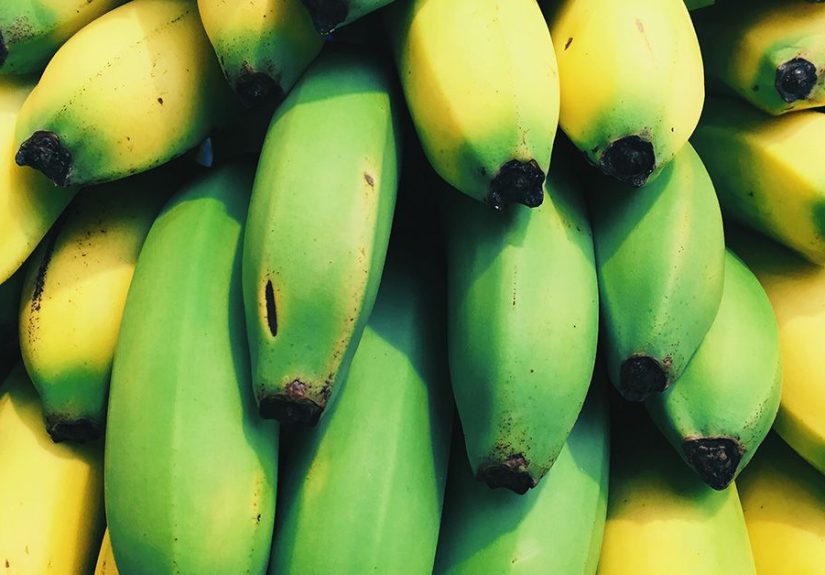
For most people with gout, bananas are a gout-friendly choice. They’re considered
low in purines, which means they aren’t a major direct contributor to uric acid production.
Bananas also come with some nutritional perks that can support a gout-smart lifestyle:
1) Bananas are low-purine and easy on your uric acid budget
If you’re trying to lower urate levels through food choices, you generally want more low-purine options.
Bananas fit that profilemaking them a reasonable fruit to keep on the menu during “maintenance mode”
(and usually during flares, too, when your appetite may be weird and your patience is gone).
2) They contain vitamin C (not a miracle, but a helpful supporting character)
Vitamin C has been associated with modestly lower uric acid levels in some research.
Bananas aren’t the highest vitamin C fruit, but they contribute a bitespecially if you’re building an overall pattern
that includes citrus, berries, peppers, and other vitamin C-rich foods.
3) They provide fiber, which helps your “whole-diet” gout strategy
A medium banana provides a few grams of fiber. Fiber supports healthy weight management, steadier blood sugar,
and better gut healthall of which matter because gout often travels with “metabolic buddies”
like insulin resistance, high blood pressure, and high cholesterol.
4) Potassium: great for many people, but not a gout cure
Bananas are known for potassium. Potassium supports normal muscle and nerve function and can help balance sodium
in a heart-healthy diet. But potassium doesn’t “flush gout out of your joints” (if only).
Consider it a bonus, not a treatment.
The Big Question: What About Sugar in Bananas?
Here’s where people get nervous: bananas contain natural sugars, including some fructose. And yeslarge amounts of fructose
(especially from sweetened beverages and foods with high-fructose corn syrup) have been linked to higher uric acid levels.
The key difference is dose and delivery. A banana is a whole food with water, fiber, and nutrients.
A soda or sugary energy drink is basically “fructose express” with no brakes.
When bananas may need a little strategy
-
If you have diabetes or prediabetes: You can still eat bananas, but portion size and timing matter.
Pair them with protein or fat (like Greek yogurt, nuts, or peanut butter) to blunt a blood sugar spike. -
If you’re eating very large portions of fruit daily: Whole fruit is generally encouraged, but extremes
can add up. You don’t need five bananas a day to prove you’re committed to potassium. -
If your personal triggers include certain sweet foods: Gout triggers vary. If you notice a pattern,
it’s worth discussing with a clinician or dietitian rather than assuming the internet is right.
For most people, a banana a day (or a few per week) fits comfortably in a gout-conscious planespecially when the bigger
targets are sugary drinks, heavy alcohol use, organ meats, and frequent high-purine seafood.
Best Ways to Eat Bananas If You Have Gout
The banana isn’t the problem. The banana plus a dessert mountain wearing a trench coat might be.
Here are gout-smart ways to eat bananas that support uric acid goals and overall health.
1) Banana + low-fat dairy (a classic gout-friendly combo)
Low-fat dairy has been associated with lower uric acid and reduced gout flare risk in several studies.
Try sliced banana with low-fat Greek yogurt, kefir, or cottage cheese.
2) Banana + nuts or nut butter (steady energy, less sugar drama)
Add a tablespoon of peanut butter or a handful of walnuts/almonds. This slows digestion and makes the snack
more fillinghelpful if you’re working on weight or blood sugar control.
3) Banana in a gout-smart smoothie
Smoothies can be either a health tool or a sugar trap. Keep it balanced:
- 1 small banana
- 1 cup frozen cherries or berries
- 1 cup low-fat milk or unsweetened yogurt
- A handful of spinach (you won’t taste it, promise)
- Optional: chia or ground flax for extra fiber
Skip fruit juice and sweetened protein powders. If it tastes like a milkshake from the mall,
it’s probably not helping your gout plan.
4) Frozen banana “nice cream” (dessert without the flare panic)
Blend frozen banana slices with a spoonful of yogurt and a dash of cinnamon. You get a creamy treat without
added syrup, candy, or a sugar storm.
What to Limit Instead (Because Gout Has Real Villains)
If you’re worried about bananas, it helps to zoom out and focus on the biggest dietary drivers of higher uric acid
and gout flares:
1) Alcohol (especially beer and spirits)
Alcohol can increase uric acid and make it harder for kidneys to excrete it. During a flare, many experts recommend
skipping alcohol entirely.
2) Sugary drinks and high-fructose corn syrup
Soda, sweet teas, energy drinks, and many packaged sweets are high-impact targets for gout.
If you make one nutrition change, start hereit’s often more meaningful than obsessing over fruit.
3) Organ meats and frequent high-purine animal foods
Liver, kidney, and some other organ meats are purine-heavy. Frequent large servings of red meat and certain seafood
can also increase risk for some people.
4) Crash dieting and dehydration
Rapid weight loss and dehydration can trigger flares in some people. Slow, steady progress is the goal.
And yes, water mattersa lotbecause your kidneys need fluid to help move uric acid out.
Bananas, Kidneys, and Gout: Why Hydration and Kidney Health Matter
Since kidneys do the heavy lifting for uric acid removal, kidney health and hydration are a big part of the gout story.
Some people with gout also deal with kidney stones, including uric acid stones.
Bananas themselves don’t prevent kidney stonesbut choosing whole foods, staying hydrated, and following medical advice
for kidney health can reduce complications. If you’ve had kidney stones or chronic kidney disease, ask your clinician
whether you need any special dietary adjustments.
Practical “Banana Rules” for People With Gout
If you want a simple, real-life guide:
- Yes, bananas are generally safe for gout.
- Portion is your friend. A medium banana is usually plenty.
- Pair it wisely. Combine with protein/fat (yogurt, nuts) for better blood sugar control.
- Don’t let banana fear distract you from the big stuff. Sugary drinks and alcohol are usually larger triggers.
- Track your personal patterns. If you suspect a trigger, keep a simple food-and-symptom note for a few weeks.
When to Talk to a Clinician (Because Sometimes Food Isn’t Enough)
If you’re having repeated flares, have tophi, have kidney disease, or your uric acid stays high, diet alone may not be enough.
Modern guidelines emphasize a long-term strategy that may include urate-lowering medication to prevent joint damage over time.
Food can support the plan. Medication can be the plan. Many people use bothand that’s not “failing,” that’s treating a medical condition.
Real-World Experiences With Bananas and Gout (500+ Words)
Let’s talk about what people actually experience in the wildbecause reading food lists is one thing, but living with gout
is another. And if you’ve ever tried to remember every “allowed” and “not allowed” food while your toe throbs like a tiny
angry drumline, you deserve practical context.
Experience #1: The “I ate a banana and panicked” moment
A lot of people with new gout diagnoses go through a phase I call Diet Detective Mode.
They eat something normallike a bananaand then mentally replay the next 48 hours like a crime documentary:
“Was it the banana? Was it the chicken? Was it the fact that I looked at a shrimp cocktail menu in 2019?”
In reality, gout flares often have multiple contributing factors. Someone might eat a banana and then flare because
they were dehydrated, had a few drinks at a party, slept badly, and their urate levels were already running high.
The banana gets blamed because it’s memorable and easy to point to. But in many cases, bananas are just… bananas.
Experience #2: Bananas as the “safe snack” replacement
Another common experience: people swap out high-risk snacks and accidentally improve everything.
Instead of grabbing a sugary soda and a bag of chips, they start doing banana + yogurt or banana + nuts.
A month later, they notice fewer “random” cravings, steadier energy, and sometimes even fewer flare-ups.
The banana isn’t acting like medicine. The shift is bigger than that: fewer added sugars, better satiety, and
less of the metabolic roller coaster that can make inflammation harder to manage. This is why gout nutrition isn’t
only about purinesit’s about your overall pattern.
Experience #3: The smoothie trap (and the fix)
Smoothies come up constantly in gout conversations. Some people start with good intentions:
“I’ll make a healthy smoothie!” Then the blender turns into a sugar portal: two bananas, fruit juice, flavored yogurt,
honey, and a sprinkle of granola (which is basically cereal wearing yoga pants).
The experience here is usually: it tastes amazing, but it doesn’t feel great latermaybe more hunger,
maybe higher blood sugar, maybe just a “blah” inflammation day. The fix is simple: keep one banana,
add protein (Greek yogurt or milk), choose berries or cherries, and avoid juice. Suddenly the smoothie feels like a meal,
not dessert in disguise.
Experience #4: “My triggers are weirdwhat now?”
Some people do report that certain fruits feel like a trigger. That doesn’t automatically mean the fruit is “bad for gout”
in a universal sense. It may mean the person’s overall urate level is high, they’re sensitive to rapid carbohydrate loads,
or there’s a separate issue (like reflux, IBS, or blood sugar swings) that makes the timing feel connected.
In real life, many people find peace with a simple experiment: keep bananas in the diet, but change the context.
Eat half a banana with yogurt instead of a full banana alone. Or eat it earlier in the day instead of late at night.
Or keep bananas, but cut soda to zero for two weeks and watch what happens. Often, the “trigger mystery” clears up when
the biggest variables are addressed first.
Experience #5: Bananas during a flare
During a flare, appetite can be unpredictable. Some people want bland foods. Some want comfort foods.
A banana can be a gentle option when cooking is the last thing you want to do. It’s soft, easy to digest for many,
and can be paired with something protein-rich if you can tolerate it.
The most consistent experience people share isn’t “bananas cure gout.” It’s more like:
bananas are a low-drama food that helps them eat reasonably when everything else feels complicated.
And honestly, that kind of reliability is underrated.
Conclusion
Bananas and gout aren’t enemies. For most people, bananas are a low-purine, nutrient-rich fruit that fits comfortably
into a gout-friendly eating pattern. The bigger wins usually come from limiting alcohol and sugary drinks,
staying hydrated, managing weight gradually, and following a treatment plan that keeps uric acid in a safe range.
If bananas make your life easierquick snack, smoothie base, “dessert” substitutekeep them.
Just don’t invite their chaotic cousins (soda, candy, and high-fructose everything) to the party.