Table of Contents >> Show >> Hide
- Why This Basic Crock Pot Black-Eyed Peas Recipe Works
- Ingredients for Crock Pot Black-Eyed Peas
- How to Make Basic Crock Pot Black-Eyed Peas
- Basic Crock Pot Black-Eyed Peas Recipe Card
- Should You Soak Black-Eyed Peas Before Slow Cooking?
- Best Liquid for Slow Cooker Black-Eyed Peas
- Flavor Variations
- What to Serve with Crock Pot Black-Eyed Peas
- Storage, Freezing, and Reheating
- Troubleshooting Common Problems
- Helpful Cooking Tips
- Frequently Asked Questions
- Personal Kitchen Experience: What I’ve Learned Making Crock Pot Black-Eyed Peas
- Conclusion
A good Basic Crock Pot Black-Eyed Peas Recipe is the kind of kitchen magic that makes you feel wildly accomplished while doing almost suspiciously little. You rinse the peas, add a few humble ingredients, press a button, and several hours later your house smells like you have been thoughtfully tending a Southern-style pot all afternoon. No one has to know the slow cooker did most of the work. Let the Crock Pot have its moment.
Black-eyed peas are beloved for their earthy flavor, creamy texture, and ability to soak up smoky, savory seasonings like they were born for it. They are a classic comfort food in Southern cooking, especially around New Year’s Day, when many families serve them for luck and prosperity. But honestly, waiting for January to make them is like only eating pie on your birthday. Technically allowed, emotionally questionable.
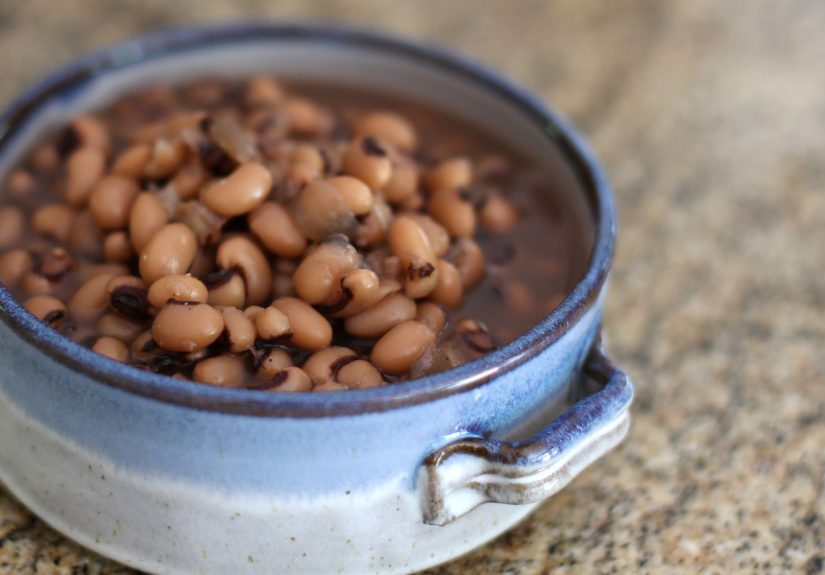
This recipe keeps things basic in the best possible way: dried black-eyed peas, onion, garlic, broth or water, a smoky seasoning element, and a slow cooker. You can make it with ham hock, bacon, smoked turkey, or keep it vegetarian with smoked paprika and vegetable broth. The result is a cozy, budget-friendly side dish or main dish that pairs beautifully with cornbread, rice, greens, roasted vegetables, or just a spoon and a quiet corner.
Why This Basic Crock Pot Black-Eyed Peas Recipe Works
The slow cooker is ideal for black-eyed peas because it gives them time to soften gently while absorbing flavor from aromatics and seasonings. Unlike stovetop cooking, which asks you to hover nearby like a bean babysitter, the Crock Pot keeps a steady low heat and turns simple ingredients into a rich, comforting dish.
The secret is balance. Black-eyed peas have a mild, slightly nutty flavor, so they need enough seasoning to shine without being buried under salt or spice. Onion and garlic build the base. Broth adds depth. A bay leaf gives the pot that mysterious “something tastes better but I can’t explain why” quality. Smoked meat or smoked paprika brings the cozy, Southern-style backbone.
The other key is patience. Dried black-eyed peas usually become tender faster than many other dried beans, but slow cookers vary. Some run hot, some run gentle, and some seem to have the personality of a sleepy turtle. This recipe gives a practical range so you can cook the peas until they are tender but not mushy.
Ingredients for Crock Pot Black-Eyed Peas
This recipe makes about 6 to 8 servings, depending on whether you serve the peas as a side dish or as the main event.
Main Ingredients
- 1 pound dried black-eyed peas, sorted and rinsed
- 1 medium yellow onion, diced
- 3 cloves garlic, minced
- 5 to 6 cups low-sodium chicken broth, vegetable broth, or water
- 1 smoked ham hock, 6 ounces diced ham, or smoked turkey leg optional but delicious
- 1 bay leaf
- 1 teaspoon smoked paprika
- 1/2 teaspoon black pepper
- 1/4 teaspoon cayenne pepper, optional
- 1 teaspoon kosher salt, plus more to taste near the end
- 1 tablespoon apple cider vinegar or hot sauce, optional for finishing
Optional Flavor Boosters
- 1 rib celery, diced
- 1 small green bell pepper, diced
- 1 jalapeño, sliced or minced
- 2 strips cooked bacon, chopped
- 1/2 teaspoon dried thyme
- 1 can diced tomatoes, drained, for a slightly tangy version
- Chopped parsley, scallions, or cilantro for garnish
How to Make Basic Crock Pot Black-Eyed Peas
Step 1: Sort and Rinse the Peas
Pour the dried black-eyed peas onto a clean sheet pan or plate and quickly sort through them. Remove any small stones, shriveled peas, or bits of field debris. This step takes two minutes and prevents the highly unpleasant experience of biting into something that is definitely not a pea. Rinse them well under cool running water.
Step 2: Decide Whether to Soak
Soaking is optional for black-eyed peas, but it can help them cook more evenly and may reduce the total cooking time. For an overnight soak, place the peas in a large bowl, cover with several inches of water, and refrigerate for 6 to 8 hours. Drain and rinse before adding them to the slow cooker.
If you forget to soak them, do not panic. This is not a baking recipe where one missed detail sends the whole project into chaos. Unsoaked black-eyed peas can still cook beautifully in the Crock Pot; they may simply need extra time and a little extra liquid.
Step 3: Add Everything to the Crock Pot
Add the rinsed black-eyed peas to a 5- to 6-quart slow cooker. Stir in the onion, garlic, broth or water, bay leaf, smoked paprika, black pepper, cayenne if using, and your smoked meat of choice. If you are making a vegetarian version, skip the meat and use vegetable broth, smoked paprika, and perhaps a small splash of liquid smoke if you enjoy a deeper smoky flavor.
Step 4: Cook Low and Slow
Cover and cook on low for 7 to 9 hours or on high for 4 to 5 hours, until the peas are tender. If they were soaked first, start checking a little earlier. If they were not soaked, expect the longer end of the cooking range.
Try not to lift the lid repeatedly. Every peek releases heat and adds time. The peas do not need emotional support; they need steady warmth.
Step 5: Season at the End
Once the peas are tender, remove the bay leaf. If using a ham hock or smoked turkey, take it out, pull off any tender meat, chop or shred it, and stir the meat back into the peas. Taste the broth, then add more salt as needed. Finish with apple cider vinegar or hot sauce if you want brightness. That little splash wakes up the whole pot.
Basic Crock Pot Black-Eyed Peas Recipe Card
Basic Crock Pot Black-Eyed Peas
Prep time: 10 minutes
Cook time: 4 to 9 hours
Total time: About 4 hours 10 minutes to 9 hours 10 minutes
Servings: 6 to 8
Ingredients
- 1 pound dried black-eyed peas, sorted and rinsed
- 1 medium yellow onion, diced
- 3 cloves garlic, minced
- 5 to 6 cups low-sodium chicken broth, vegetable broth, or water
- 1 smoked ham hock, smoked turkey leg, or 6 ounces diced ham, optional
- 1 bay leaf
- 1 teaspoon smoked paprika
- 1/2 teaspoon black pepper
- 1/4 teaspoon cayenne pepper, optional
- 1 teaspoon kosher salt, plus more to taste
- 1 tablespoon apple cider vinegar or hot sauce, optional
Instructions
- Sort through the black-eyed peas and discard any stones or damaged peas. Rinse well.
- Add peas, onion, garlic, broth, smoked meat if using, bay leaf, smoked paprika, black pepper, cayenne, and salt to the slow cooker.
- Cover and cook on low for 7 to 9 hours or high for 4 to 5 hours, until tender.
- Remove the bay leaf. If using ham hock or smoked turkey, remove it, shred the meat, and stir the meat back into the peas.
- Taste and adjust salt. Finish with apple cider vinegar or hot sauce if desired.
- Serve warm with cornbread, rice, collard greens, or roasted vegetables.
Should You Soak Black-Eyed Peas Before Slow Cooking?
You can soak black-eyed peas, but you do not always have to. Soaked peas generally cook a bit faster and may have a more even texture. Unsoaked peas are more convenient and still work well in a slow cooker, especially when you give them enough time and liquid.
For the most reliable result, soaking overnight is helpful if your dried peas have been sitting in the pantry for a while. Older dried legumes can take longer to soften. If you bought your peas recently, rinsing and cooking them straight away usually works just fine.
Best Liquid for Slow Cooker Black-Eyed Peas
Water works, but broth tastes better. Low-sodium chicken broth gives the peas a savory, rounded flavor without making them too salty. Vegetable broth is excellent for a meatless version. If you use ham hock, bacon, or smoked turkey, remember that these ingredients can be salty, so season lightly at the beginning and adjust at the end.
The peas should be covered by liquid, but they do not need to swim like they are training for the Olympics. Start with 5 cups for soaked peas and 6 cups for unsoaked peas. If the mixture looks dry near the end, stir in a little hot water or broth.
Flavor Variations
Southern-Style Black-Eyed Peas
Use chicken broth, a smoked ham hock, onion, garlic, bay leaf, black pepper, and a pinch of cayenne. Serve with collard greens and cornbread for a classic plate that tastes like comfort food with a porch swing.
Vegetarian Crock Pot Black-Eyed Peas
Use vegetable broth, smoked paprika, onion, garlic, celery, and bell pepper. Add a splash of apple cider vinegar at the end. For deeper flavor, include a small amount of liquid smoke or a chipotle pepper in adobo.
Spicy Black-Eyed Peas
Add jalapeño, cayenne, hot sauce, or crushed red pepper flakes. Start small. You can always add more heat, but you cannot politely remove a jalapeño once it has announced itself to the entire pot.
Tomato Black-Eyed Peas
Stir in drained diced tomatoes during cooking for a slightly tangy, stew-like version. Tomatoes pair especially well with smoked sausage, paprika, thyme, and rice.
What to Serve with Crock Pot Black-Eyed Peas
Black-eyed peas are flexible enough to be a side dish or the star of dinner. For a traditional Southern meal, serve them with cornbread, collard greens, cabbage, fried okra, or rice. They also work well next to roasted chicken, pork chops, smoked sausage, grilled vegetables, or baked sweet potatoes.
If you want a heartier bowl, spoon the peas over rice and top with scallions and hot sauce. For a lighter plate, serve them with a crisp green salad and roasted vegetables. Leftovers can even become a quick soup: add extra broth, chopped greens, and a squeeze of lemon.
Storage, Freezing, and Reheating
Let the black-eyed peas cool, then store them in an airtight container in the refrigerator for up to 4 days. The flavor often improves overnight, which is one of the great rewards of cooking a big pot. Reheat gently on the stovetop or in the microwave, adding a splash of broth or water if they have thickened.
To freeze, portion cooled peas into freezer-safe containers or bags. Freeze for up to 3 months for best quality. Thaw overnight in the refrigerator before reheating. If the texture thickens after freezing, loosen it with broth and stir gently.
Troubleshooting Common Problems
Why Are My Black-Eyed Peas Still Firm?
They may need more time. Dried peas vary by age, and older peas can take longer to soften. Keep cooking and check every 30 minutes. Make sure there is enough liquid in the slow cooker.
Why Are My Peas Mushy?
They cooked too long or your slow cooker runs hot. Next time, check earlier, especially if the peas were soaked. Mushy peas are still edible and can be turned into a thick stew or dip with extra seasoning.
Why Do They Taste Flat?
Add salt, acidity, or heat. A splash of vinegar, a few dashes of hot sauce, or a sprinkle of smoked paprika can quickly bring the pot back to life.
Helpful Cooking Tips
- Do not oversalt early. Smoked meats and broths can add plenty of salt as they cook.
- Use low-sodium broth. It gives you more control over the final flavor.
- Keep the lid closed. Opening the slow cooker slows everything down.
- Finish with acid. Vinegar or hot sauce adds brightness and balance.
- Make extra. Black-eyed peas are excellent leftovers and freeze well.
Frequently Asked Questions
Can I Use Canned Black-Eyed Peas?
Yes, but canned peas are already cooked, so they do not need hours in the Crock Pot. For canned black-eyed peas, drain and rinse them, then cook with seasonings on low for 1 to 2 hours until warmed through and flavorful.
Can I Make This Recipe Without Meat?
Absolutely. Use vegetable broth, smoked paprika, garlic, onion, bay leaf, and a finishing splash of vinegar. You can also add celery, bell pepper, and thyme for extra depth.
Can I Add Greens?
Yes. Collard greens, kale, or spinach are excellent additions. Add sturdy greens like collards during the last 60 to 90 minutes of cooking. Add spinach during the final 10 minutes so it wilts without disappearing.
Are Black-Eyed Peas Beans?
Despite the name, black-eyed peas are a type of legume often grouped with beans in cooking. They have a creamy texture, earthy flavor, and a signature dark spot that gives them their name.
Personal Kitchen Experience: What I’ve Learned Making Crock Pot Black-Eyed Peas
The first thing experience teaches you about a Basic Crock Pot Black-Eyed Peas Recipe is that “basic” does not mean boring. In fact, basic often means reliable. The best pot of black-eyed peas usually does not come from throwing every spice in the cabinet into the slow cooker. It comes from giving a few good ingredients enough time to become friends. Onion, garlic, broth, pepper, bay leaf, and smoke can do a lot of heavy lifting. They are not flashy, but they show up and do the job.
One practical lesson is to taste near the end, not just at the beginning. Early in cooking, the broth can seem mild, and it is tempting to add more salt right away. But as the peas cook, the liquid reduces slightly and smoked meat releases salt into the pot. If you season too aggressively at the start, you may end up with peas that taste like they have been personally sponsored by a salt shaker. Starting modestly and adjusting at the end gives you more control.
Another useful experience is learning how your particular slow cooker behaves. Some Crock Pots cook hot and can finish soaked peas in 5 or 6 hours on low. Others take their sweet time, especially with unsoaked peas. The first time you make this recipe, treat the cooking range as a guide rather than a commandment. Check the peas when you get near the low end of the time range. They should be tender and creamy inside but still hold their shape. If they are firm, keep cooking. If they are perfect, stop there and celebrate your excellent timing.
I have also learned that the finishing touch matters more than people expect. A spoonful of apple cider vinegar or a few dashes of hot sauce at the end can transform the whole dish. It does not make the peas taste sour; it simply brightens them. Slow-cooked dishes are rich and cozy, but they sometimes need a little lift. That splash of acidity is like opening a window in a warm kitchen.
Texture is another part of the experience. Some people love black-eyed peas thick and creamy, almost like a rustic stew. Others prefer them brothy enough to spoon over rice. Both versions are correct. If you like a thicker pot, remove a cup of cooked peas, mash them with a fork, and stir them back in. If you prefer a looser texture, add warm broth until the consistency feels right. This is home cooking, not a courtroom. You are allowed to adjust.
Leftovers are where this recipe quietly becomes a meal-planning hero. On day one, serve the peas with cornbread and greens. On day two, spoon them over rice with hot sauce. On day three, add broth and chopped vegetables to make a quick soup. If you still have more, freeze them in small portions. Future you will be grateful, especially on a busy night when dinner needs to appear with minimal drama.
The final lesson is that black-eyed peas are forgiving. Forgot to soak? Cook them longer. Added too much broth? Serve them over rice. Want them smokier? Add paprika or smoked turkey next time. Need them vegetarian? Skip the ham and build flavor with aromatics and seasoning. This recipe works because it gives you a dependable foundation while leaving room for your own taste. And that, really, is the charm of a basic Crock Pot recipe: it feels simple, but it keeps feeding people well.
Conclusion
This Basic Crock Pot Black-Eyed Peas Recipe is simple, hearty, and flexible enough for weeknight dinners, New Year’s Day traditions, Sunday suppers, and meal prep. With dried black-eyed peas, aromatics, broth, and a little smoky flavor, the slow cooker creates a comforting dish that tastes rich without needing complicated steps. Serve it with cornbread, rice, greens, or your favorite hot sauce, and you have a bowl that feels both humble and deeply satisfying.
Note: This article is original, web-ready SEO content written in standard American English and synthesized from established U.S. recipe practices and food-safety guidance. It does not include source-link blocks or content reference markers.