Table of Contents >> Show >> Hide
- What Is Bibimbap, and Why the Rice Matters So Much?
- Bibimbap Rice Recipe (Serves 4)
- How to Make Bibimbap Rice (Step by Step)
- Flavor Variations and Smart Shortcuts
- Common Mistakes (and How to Avoid Them)
- Make-Ahead, Storage, and Reheating Tips
- Serving Ideas and Pairings
- Conclusion
- Home Cook Experiences With Bibimbap Rice Recipe (Extra Notes, Tips, and Real-World Lessons)
If dinner has been feeling a little too beige lately, bibimbap is here to save the day. This Korean mixed rice bowl is one of those meals that looks restaurant-fancy, tastes deeply satisfying, and still lets you clean out the fridge like a genius. It’s colorful, customizable, and just dramatic enough to make a Tuesday night feel like an event.
This guide focuses on a bibimbap rice recipe that works for real home kitchens in the U.S.no stone bowl required (though we’ll talk about that glorious crispy-rice option too). You’ll get the classic balance: warm rice, seasoned vegetables, savory protein, egg, and a punchy gochujang sauce. Most importantly, you’ll learn how to make the rice taste like it belongs in the bowl, not like a bland afterthought hiding underneath the toppings.
What Is Bibimbap, and Why the Rice Matters So Much?
“Bibimbap” literally means “mixed rice,” and that name tells you exactly how to eat it: stir everything together before digging in. The dish is usually built with rice, assorted vegetables, protein (often beef, but tofu is excellent), an egg, sesame, and a spicy-savory sauce made with gochujang.
Now for the plot twist: the rice is not just a base. It’s the engine. Good bibimbap rice should be warm, slightly sticky (so it grabs sauce and toppings), and flavorful enough to stand up to bold ingredients. If you crisp part of it in a skillet, even betteryou get that irresistible crunchy layer that makes each bite more interesting.
Think of bibimbap like a band. The vegetables are colorful backup singers, the sauce is the lead guitar, the egg is the smooth vocalist, and the rice? The drummer. Without it, everything falls apart.
Bibimbap Rice Recipe (Serves 4)
Main Rice and Bowl Components
- 2 cups short-grain white rice (or short-grain brown rice for a nuttier version)
- 2 1/4 cups water (adjust per rice brand/package if needed)
- 1/2 tsp kosher salt (optional, for the rice)
- 1 tbsp toasted sesame oil (for finishing the rice or crisping)
- 4 eggs (fried sunny-side up or over-easy)
- 1 tbsp toasted sesame seeds (for garnish)
- Kimchi, optional but highly recommended
- Sliced scallions, optional
Vegetables (Choose 4–6 for a great bowl)
- 2 cups spinach
- 2 cups bean sprouts
- 1 large carrot, julienned
- 1 zucchini, julienned
- 8 oz shiitake or cremini mushrooms, sliced
- 1 cucumber, thinly sliced or julienned (fresh or lightly seasoned)
- Radish or quick-pickled vegetables, optional
Protein (Pick One)
- Beef: 12 oz thinly sliced steak (sirloin, ribeye, flank, or top round) or 1 lb ground beef
- Tofu: 14 oz firm tofu, pressed and cubed
- Mushroom-only: Add extra mushrooms for a vegetarian bowl
Quick Beef Marinade (Optional but Excellent)
- 2 tbsp soy sauce
- 1 tbsp brown sugar or honey
- 1 tsp grated garlic
- 1 tsp grated ginger
- 1 tsp toasted sesame oil
- 1 tsp rice vinegar (optional)
- 1–2 tbsp grated Asian pear or apple (optional, helps tenderize and sweeten)
Bibimbap Sauce (The Bowl’s Personality)
- 3 tbsp gochujang
- 1 tbsp soy sauce
- 1 tbsp rice vinegar or lemon juice
- 1 tbsp toasted sesame oil
- 1–2 tsp sugar or honey (to taste)
- 1 tsp minced garlic
- 1–2 tbsp water (to loosen, as needed)
- 1 tsp toasted sesame seeds (optional)
How to Make Bibimbap Rice (Step by Step)
1) Cook the Rice Properly
Rinse the rice in cold water until the water runs mostly clear. This removes excess surface starch and helps prevent gummy clumps. Add rice and water to a rice cooker (easy mode) or pot (chef mode). If using the stovetop, bring to a boil, reduce to low, cover, and cook until tender. Let it rest covered for 10 minutes, then fluff gently.
Pro tip: Short-grain rice is ideal because it’s stickier than long-grain rice and better at grabbing sauce, egg yolk, and sesame oil in every bite. Brown rice works toojust expect a chewier texture and longer cooking time.
2) Mix the Sauce
Whisk together gochujang, soy sauce, rice vinegar (or lemon juice), sesame oil, sugar, garlic, and a little water. Taste and adjust. Want it sweeter? Add a little more honey. Too intense? More water. Not spicy enough? Add more gochujang. This is your bowl. You are the boss.
3) Prep the Protein
If using sliced beef, toss it with the marinade and let it sit while you prep the vegetables (15–30 minutes is great). Cook in a hot skillet until browned and just cooked through. If using ground beef, brown it, drain excess fat if needed, then stir in a little soy sauce, sesame oil, garlic, and a spoonful of gochujang sauce.
For tofu, press well, cube, and pan-sear until golden. Season lightly with soy sauce and sesame oil. Crispy tofu plus spicy sauce is not a compromiseit’s a main character.
4) Cook the Vegetables Separately (Worth It, Promise)
Yes, this is the part that feels like a lot. Yes, it matters. Cooking vegetables separately helps preserve different textures and flavors, which is exactly what makes bibimbap special.
- Spinach: Quickly blanch or sauté, then season with a tiny splash of soy sauce, sesame oil, and sesame seeds.
- Bean sprouts: Briefly blanch or sauté; season lightly with salt and sesame oil.
- Carrots: Sauté until just tender but still a little crisp.
- Zucchini: Sauté with a pinch of salt until lightly softened.
- Mushrooms: Cook until browned and their moisture cooks off; add soy sauce near the end.
- Cucumber: Keep fresh for crunch, or salt briefly and pat dry for a softer bite.
5) Fry the Eggs
Fry one egg per bowl. A runny yolk is traditional in many home-style versions because it mixes into the rice and sauce like a built-in creamy dressing. If you prefer a firm yolk, go for it. Bibimbap is flexible by design.
6) Assemble the Bowls
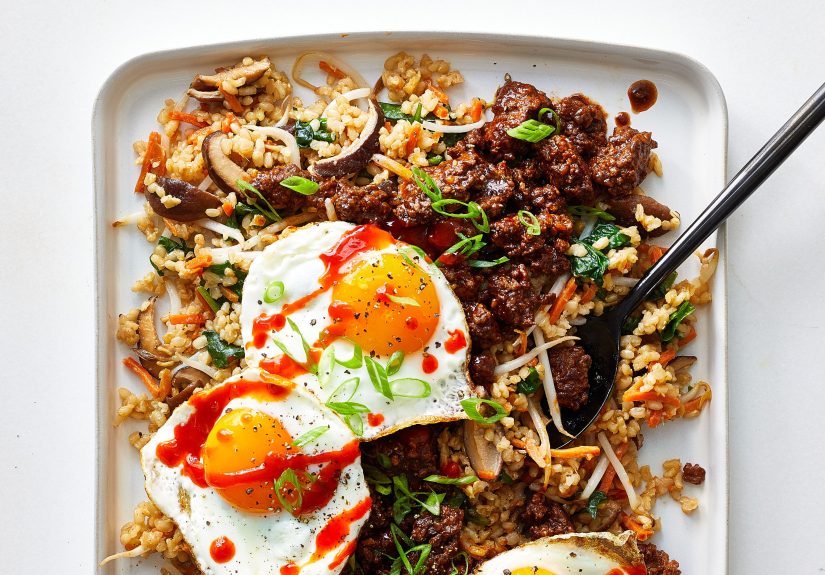
Divide hot rice among four bowls. Arrange the vegetables and protein in separate sections on top. Add the egg in the center (or off-center if you’re feeling artsy), then finish with sesame seeds, scallions, kimchi, and a spoonful or two of sauce.
Serve extra sauce on the side. Everyone has a different spice threshold, and not all of us are trying to have a life-changing sweating experience on a Wednesday.
7) The Crispy Rice Option (Highly Recommended)
For that dolsot-style crunch without a stone bowl, heat a skillet (cast iron works beautifully) with a little oil or sesame oil. Press a layer of cooked rice into the pan and cook until the bottom crisps and turns golden. Then top and serve, or transfer the crispy rice to bowls and build from there.
This small step changes the texture game completely. You get soft rice, crispy rice, juicy vegetables, and silky yolk all in one bowl. It’s basically a dinner-level magic trick.
Flavor Variations and Smart Shortcuts
Weeknight Bibimbap (Fast Version)
Use leftover rice, bagged shredded carrots, baby spinach, mushrooms, and a quick protein like ground beef or tofu. Roast or sauté veggies in batches, fry eggs, and assemble. You can absolutely make a satisfying bibimbap rice bowl in under 40 minutes if you keep the topping list focused.
Vegetarian Bibimbap Rice Recipe
Skip the meat and double up on mushrooms, tofu, or both. Add kimchi (if vegetarian), spinach, bean sprouts, zucchini, and carrots. A sprinkle of sesame seeds and a generous spoon of gochujang sauce will keep the bowl hearty and full of flavor.
Brown Rice Bibimbap
Short-grain brown rice gives a nuttier flavor and a firmer chew. It pairs especially well with mushrooms, spinach, and a slightly sweeter sauce. This version is great for meal prep because brown rice tends to hold texture well the next day.
Sheet-Pan-Inspired Bibimbap
If you’re cooking for a family, roast a big tray of sliced vegetables and marinated meat together, then serve over hot rice with eggs and sauce. It’s not the traditional separate-pan approach, but it’s practical, delicious, and a strong choice for busy weeknights.
Common Mistakes (and How to Avoid Them)
Mistake 1: Bland Rice
Solution: Use good rice, cook it well, and finish with a touch of sesame oil (or crisp part of it). The rice should taste good even before toppings hit the bowl.
Mistake 2: Too Much Sauce at Once
Solution: Start with 1 tablespoon of sauce per bowl, mix, then add more. Gochujang sauce is powerful. You can always add more, but you can’t un-spice your rice.
Mistake 3: Overcooked Vegetables
Solution: Aim for tender-crisp on carrots and zucchini, and just-wilted spinach. Bibimbap should have contrast, not vegetable mush.
Mistake 4: Skipping the Mix
Solution: Mix it! The whole point is that the sauce, yolk, sesame oil, and rice coat everything. If you leave it arranged like a food magazine cover, it’s prettybut it won’t taste like bibimbap yet.
Make-Ahead, Storage, and Reheating Tips
Bibimbap is meal-prep friendly because most components can be made in advance. Store cooked rice, vegetables, protein, and sauce in separate containers. Assemble fresh bowls and cook the egg right before serving for the best texture.
- Rice: Cool and refrigerate promptly. Reheat with a splash of water and cover to restore steam and softness.
- Vegetables: Store separately so flavors stay clean and textures don’t blend into one mysterious fridge identity.
- Sauce: Keeps well in the fridge; stir before using.
- Eggs: Best cooked fresh, but you can prep everything else ahead.
If using ground beef, cook it thoroughly and avoid guessing doneness by color aloneuse a food thermometer. For leftovers, keep hot foods out at room temperature for as little time as possible, then chill promptly.
Serving Ideas and Pairings
A bibimbap rice recipe can be a complete one-bowl meal, but it also plays nicely with:
- Kimchi or quick pickles
- Cucumber salad
- Miso soup or light broth
- Roasted seaweed snacks
- Extra sautéed greens
For guests, set up a “bibimbap bar” with bowls of rice, vegetables, proteins, eggs, and sauce so everyone can build their own. It looks impressive, reduces stress, and lets picky eaters stay in their comfort zone while adventurous eaters stack the bowl like they’re trying to win a trophy.
Conclusion
A great bibimbap rice recipe is all about balance: warm rice, bold sauce, colorful vegetables, and texture in every bite. You do not need a stone bowl, a culinary degree, or a perfect knife julienne to make it work. You just need well-cooked rice, a few thoughtfully prepared toppings, and the confidence to mix everything together. Once you get the rhythm, bibimbap becomes one of the most flexible, satisfying, and repeat-worthy meals in your kitchen.
Start with the classic version below, then make it your own. That’s the beauty of bibimbap: it’s structured enough to feel intentional, and flexible enough to save dinner when your fridge is full of “random but promising” ingredients.
Home Cook Experiences With Bibimbap Rice Recipe (Extra Notes, Tips, and Real-World Lessons)
One of the most common experiences people have when making bibimbap for the first time is this: they look at the ingredient list and think, “This is a lot of little tasks.” That reaction is completely normal. Bibimbap can feel like a project meal because each topping is prepared separately. But the second experience usually happens right after the first bite: “Oh. Okay. Now I get it.” The reason it tastes so layered and satisfying is exactly because the vegetables aren’t all cooked together into the same flavor profile.
Another frequent experience is discovering that rice texture matters more than expected. Home cooks who use leftover cold rice straight from the fridge without reheating or crisping it often end up with a bowl that tastes flat, even if the toppings are great. On the flip side, when the rice is hot and fluffyor better yet, crisped in a skilletthe entire dish suddenly tastes more “restaurant-level.” The rice becomes a flavor carrier, not just filler.
Many people also notice that bibimbap improves their cooking confidence. Why? Because it teaches a practical kitchen skill: building a complete meal from components. Once someone makes bibimbap successfully, they often become more comfortable preparing vegetables in batches, seasoning lightly, and adjusting sauces to taste. It’s a great “gateway” dish for becoming more intuitive in the kitchen.
There’s also the sauce-learning moment. At first, some cooks add too much gochujang sauce and overpower the bowl. Later, they learn the better approach: start small, mix, taste, and add more. This tiny habit changes not only bibimbap but also how they season other meals. In that way, bibimbap is secretly a cooking teacher wearing a very colorful outfit.
Families often report that bibimbap works surprisingly well for mixed preferences. One person wants beef, another wants tofu, someone skips mushrooms, somebody piles on kimchi like it’s a personality traiteveryone still eats the same dinner. That flexibility makes bibimbap a repeat recipe, not a one-time culinary experiment. It’s especially helpful for households trying to reduce food waste because leftover vegetables can be turned into toppings instead of being forgotten in the produce drawer.
And finally, a very real experience: the bowl might look too pretty to mix at first. This is the emotional hurdle. People spend time arranging carrots, spinach, mushrooms, and egg into neat sections, and then hesitate. The solution is simple: take one photo, then stir with confidence. Bibimbap is designed for the mix. The beauty is in the transformationfrom tidy arrangement to a perfectly sauced, spicy-savory, sesame-scented bowl where every bite tastes a little different and somehow exactly right.