Table of Contents >> Show >> Hide
- What Is a PSA Test?
- Why PSA Testing Matters
- Who Should Consider a PSA Test?
- What Happens During the PSA Blood Test?
- How to Prepare for a PSA Test
- Understanding PSA Test Results
- Reasons PSA Can Be High Besides Cancer
- What Is Free PSA?
- What Happens After an Abnormal PSA Result?
- Benefits of PSA Screening
- Risks and Limitations of PSA Screening
- PSA Velocity, PSA Density, and Trends Over Time
- Common Symptoms That May Lead to PSA Testing
- Questions to Ask Your Doctor About PSA Testing
- Practical Experiences and Real-World Lessons About PSA Testing
- Conclusion
The PSA test is one of those medical tests that sounds simple until you start reading the results. A little blood is drawn, a number comes back, and suddenly everyone is speaking in decimals, risk levels, repeat testing, and biopsy possibilities. Fun? Not exactly. Useful? Very much so when understood correctly.
PSA stands for prostate-specific antigen, a protein made by cells in the prostate gland. A PSA blood test measures how much of this protein is circulating in the bloodstream. Because PSA levels can rise when something is going on in the prostate, the test is commonly used as a screening tool for prostate cancer, as well as a monitoring tool for people already diagnosed or treated for the disease.
Here is the important part: a PSA test does not diagnose prostate cancer by itself. It is more like a smoke alarm than a fire report. A raised PSA level can suggest that more investigation is needed, but it cannot tell you exactly what is happening. Prostate cancer is one possibility. So are benign prostate enlargement, inflammation, infection, recent ejaculation, certain medical procedures, and even normal aging. In other words, PSA is helpful, but it is not a crystal ball wearing a white coat.
What Is a PSA Test?
A PSA test is a standard blood test that measures the level of prostate-specific antigen in nanograms per milliliter of blood, usually written as ng/mL. The prostate is a small gland located below the bladder. Its job is to produce part of the fluid found in semen. PSA is mostly found in that fluid, but small amounts normally enter the bloodstream.
Doctors use the PSA test in several ways. It may be used to screen for prostate cancer before symptoms appear, evaluate prostate-related symptoms, track PSA changes over time, monitor people with known prostate cancer, or watch for recurrence after treatment. Because early prostate cancer often causes no symptoms, PSA testing can sometimes detect a problem before a person feels anything unusual.
Why PSA Testing Matters
Prostate cancer is common, and for many people it grows slowly. Some prostate cancers may never become life-threatening. Others are aggressive and need treatment. The challenge is telling the difference early enough to make smart decisions without rushing into unnecessary procedures.
That is why PSA screening is not a one-size-fits-all test. It is usually best used as part of shared decision-making between a patient and a healthcare provider. The decision depends on age, family history, race, general health, life expectancy, previous PSA results, and personal comfort with the benefits and downsides of screening.
The goal is not simply to find any prostate cancer. The real goal is to find cancers that are likely to grow, spread, or cause harm if left untreated. That distinction matters because detecting a very slow-growing cancer may lead to anxiety, extra testing, and treatment that may not have been needed.
Who Should Consider a PSA Test?
Guidelines vary slightly, but most major U.S. medical organizations recommend discussing PSA screening with a healthcare provider rather than automatically testing everyone. Many average-risk men begin this conversation around age 50. Some guidelines suggest considering a baseline PSA test earlier, around ages 45 to 50, especially when long-term risk assessment is useful.
People at higher risk should usually have the conversation earlier. Higher-risk groups include Black men, people with a father or brother who had prostate cancer, people with multiple relatives affected by prostate cancer, and those with certain inherited genetic risks, such as BRCA-related cancer risk in the family. For these groups, discussing PSA screening around age 40 to 45 may be appropriate.
For men ages 55 to 69, the decision to screen is often considered especially preference-sensitive. Screening may reduce the chance of dying from prostate cancer in some people, but it can also lead to false alarms, biopsies, overdiagnosis, overtreatment, and side effects from treatment. For men 70 and older, routine PSA screening is generally not recommended by some preventive health guidelines because the potential harms may outweigh the benefits, especially if other health issues are present.
What Happens During the PSA Blood Test?
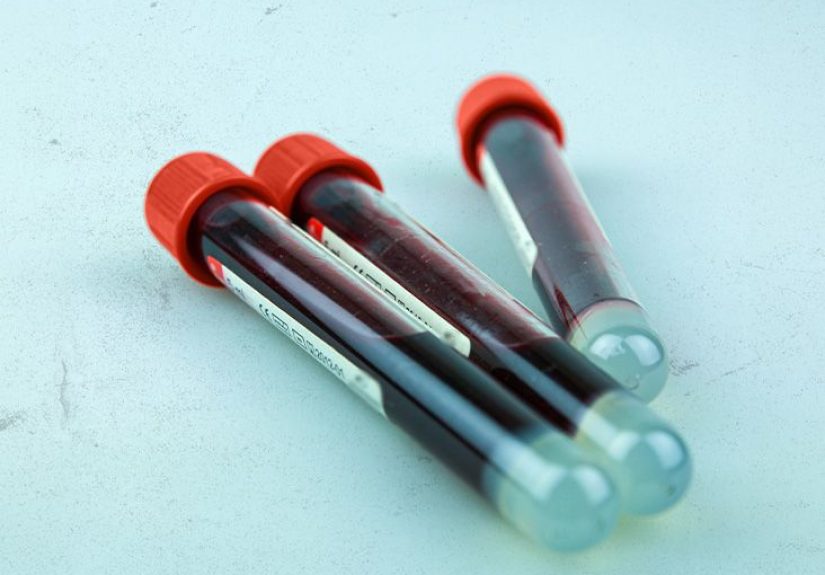
The test itself is quick. A healthcare professional draws a small blood sample from a vein, usually in the arm. The sample goes to a lab, and results often return within a few days depending on the clinic or laboratory. There is no special machine, no dramatic hospital scene, and thankfully no need to bring a suitcase.
The blood draw may cause brief discomfort, slight bruising, or tenderness where the needle was inserted. For most people, the test is low risk. The more complicated part is not the blood draw; it is interpreting what the number means.
How to Prepare for a PSA Test
PSA levels can be temporarily affected by several factors, so preparation matters. Before testing, ask your healthcare provider whether you should avoid ejaculation for 24 to 48 hours. Sexual activity that releases semen can temporarily raise PSA and make the result harder to interpret.
It is also smart to tell your doctor about any urinary symptoms, recent urinary tract infection, prostatitis, prostate procedures, catheter use, vigorous cycling, or medications you take. Some medications used for enlarged prostate can lower PSA levels, which means the result may need special interpretation. Never stop a prescribed medication just to “clean up” a lab number unless your clinician tells you to.
Understanding PSA Test Results
PSA results are not as simple as “normal” or “abnormal.” There is no single PSA number that proves a person has or does not have prostate cancer. In general, the higher the PSA level, the greater the chance that prostate cancer could be present. But some people with high PSA do not have cancer, and some people with prostate cancer have PSA levels that are not dramatically elevated.
PSA Below 2.5 ng/mL
A PSA level below 2.5 ng/mL is often considered relatively low for many screening situations, especially in average-risk men. If no cancer is found and the person chooses ongoing screening, some organizations suggest retesting every two years rather than annually. However, age, risk factors, and previous results still matter.
PSA Between 2.5 and 4 ng/mL
This range may be watched more closely, especially if the value is rising over time. A doctor may recommend repeat testing, a digital rectal exam, review of symptoms, or calculation of risk based on age and medical history. A single result in this range does not automatically mean cancer.
PSA Between 4 and 10 ng/mL
Historically, PSA above 4 ng/mL was often treated as a threshold for further evaluation. Today, doctors are usually more nuanced. PSA in this range may be caused by prostate cancer, but it may also come from benign prostatic hyperplasia, prostatitis, infection, or other noncancerous causes. Additional testing may include repeat PSA, free PSA, prostate MRI, urine tests, or referral to a urologist.
PSA Above 10 ng/mL
PSA levels above 10 ng/mL are generally associated with a higher risk of prostate cancer. Even then, the result is not a diagnosis by itself. A clinician will usually consider the full picture, including symptoms, prostate exam findings, PSA trend, age, overall health, and whether other conditions could be raising the number.
Reasons PSA Can Be High Besides Cancer
PSA is prostate-specific, not cancer-specific. That little distinction saves a lot of panic. Several noncancerous conditions can raise PSA, including benign prostatic hyperplasia, also called BPH, which means an enlarged prostate. BPH becomes more common with age and can cause urinary symptoms such as weak stream, frequent urination, or waking at night to urinate.
Prostatitis, or inflammation of the prostate, can also raise PSA. Infections, urinary tract problems, recent prostate stimulation, catheter placement, and some medical procedures can affect the result. PSA can also naturally rise as the prostate grows with age.
This is why doctors often repeat an unexpectedly high PSA test before jumping to more invasive testing. A repeat test a few weeks or months later may show that the PSA level has dropped, especially if the first increase was caused by temporary inflammation or infection.
What Is Free PSA?
Sometimes a doctor may order a free PSA test along with total PSA. PSA in the blood exists in different forms. Some PSA is attached to proteins, and some circulates freely. The percentage of free PSA can help refine risk in people with borderline or moderately elevated PSA levels.
In general, a lower percentage of free PSA may be associated with a higher chance of prostate cancer, while a higher percentage may suggest a noncancerous condition. This test does not replace medical judgment, but it can help decide whether more testing is needed.
What Happens After an Abnormal PSA Result?
An abnormal PSA result usually starts a conversation, not a sprint to the operating room. The first step may be to repeat the PSA test, especially if the person has no symptoms. Doctors may also review medications, recent infections, sexual activity, exercise habits, and urinary symptoms.
If the PSA remains elevated or continues to rise, the next steps may include a digital rectal exam, urine testing, prostate MRI, advanced biomarker tests, or referral to a urologist. MRI has become increasingly useful because it can help identify suspicious areas and guide biopsy decisions.
A prostate biopsy is the test that can diagnose prostate cancer. During a biopsy, small tissue samples are removed from the prostate and examined under a microscope. If cancer is found, the pathology report helps determine the grade and aggressiveness of the disease. From there, treatment choices may include active surveillance, surgery, radiation, hormone therapy, or other approaches depending on the individual case.
Benefits of PSA Screening
The main benefit of PSA screening is early detection. Some prostate cancers are more treatable when found before they spread. For people at higher risk, a PSA test may provide important information that leads to earlier diagnosis and better planning.
PSA testing is also valuable for monitoring known prostate cancer. After treatment, PSA levels can help doctors watch for recurrence. During active surveillance, PSA trends can help determine whether a low-risk cancer is stable or needs closer evaluation.
Risks and Limitations of PSA Screening
PSA testing has real limitations. A false positive result can cause worry and lead to more tests, including biopsy. Biopsies are usually safe, but they can cause discomfort, bleeding, infection, or urinary problems.
Another major concern is overdiagnosis. Some prostate cancers grow so slowly that they would never cause symptoms during a person’s lifetime. Finding these cancers may sound like a victory, but it can lead to stress and treatment decisions that carry side effects. Treatment may affect urinary, bowel, or sexual function, so doctors try to avoid treating cancers that are unlikely to cause harm.
False negatives can also happen. A person may have prostate cancer even if PSA is not very high. That is why PSA should be interpreted with risk factors, physical exam findings, symptoms, and long-term trends rather than treated as a perfect yes-or-no answer.
PSA Velocity, PSA Density, and Trends Over Time
Doctors often care about PSA patterns, not just one number. PSA velocity refers to how quickly PSA changes over time. A steadily rising PSA may deserve more attention than a stable PSA at the same level. PSA density compares PSA level with prostate size, often using imaging to estimate gland volume. A large prostate may produce more PSA even when cancer is not present.
This is why keeping records matters. If you have PSA testing over several years, ask for the actual numbers, not just “fine” or “a little high.” A trend can tell a better story than one isolated result.
Common Symptoms That May Lead to PSA Testing
Early prostate cancer often causes no symptoms. When symptoms do occur, they may overlap with noncancerous prostate problems. These can include frequent urination, difficulty starting urination, weak urine stream, waking often at night to urinate, blood in urine, pelvic discomfort, or back pain. Having these symptoms does not mean a person has prostate cancer, but it does mean a medical evaluation is wise.
Because urinary symptoms are common with aging and benign prostate enlargement, many people delay talking about them. That is understandable, but not helpful. Doctors discuss these issues every day. To them, prostate symptoms are not awkward; they are Tuesday.
Questions to Ask Your Doctor About PSA Testing
Before having a PSA test, consider asking: Am I at average or higher risk for prostate cancer? At my age and health status, what are the benefits and downsides of screening? What PSA level would concern you for me? If my PSA is high, would we repeat it before moving to other tests? Should I avoid ejaculation, cycling, or certain activities before testing? How often should I repeat screening if my result is low?
If your PSA is elevated, ask: Could infection, inflammation, BPH, or medication explain this? Should we repeat the test? Would free PSA, MRI, or another biomarker test help? At what point should I see a urologist? What would active surveillance look like if a low-risk cancer were found?
Practical Experiences and Real-World Lessons About PSA Testing
Many people first hear about PSA testing during a routine checkup. The doctor says, “Do you want to discuss prostate cancer screening?” and the patient suddenly wishes the appointment had stayed focused on cholesterol, where at least the villain is usually cheese. The first real-world lesson is that PSA testing works best when it is not rushed. A thoughtful five-minute conversation can prevent months of confusion.
One common experience is the surprise of a mildly elevated result. A person may feel perfectly healthy, have no urinary symptoms, and still receive a PSA number that is higher than expected. This can be stressful, but it is not unusual. In many cases, the next step is simply repeating the test under better conditions. For example, the doctor may recommend waiting several weeks, avoiding ejaculation before the test, checking for infection, or reviewing medications. Sometimes the repeat number drops, and the situation becomes much less dramatic.
Another common experience involves learning that “high” depends on context. A PSA of 3.2 ng/mL might be interpreted differently in a 48-year-old with a strong family history than in a 72-year-old with a very large prostate and stable PSA for years. This is why comparing PSA numbers with friends is not very useful. Human bodies are not smartphones; you cannot judge them by one model number.
People also discover that PSA testing can lead to choices rather than immediate answers. A urologist may recommend MRI before biopsy, especially when the PSA is persistently elevated. MRI can help identify suspicious areas and may reduce unnecessary biopsies. If a biopsy is recommended, patients often feel anxious, but understanding the reason for the procedure helps. The biopsy is not punishment for having a high PSA; it is the test that can confirm whether cancer cells are present.
Some people are diagnosed with low-risk prostate cancer and are surprised when the doctor does not recommend immediate treatment. This approach, called active surveillance, can involve regular PSA tests, exams, imaging, and repeat biopsies when needed. At first, “watching cancer” may sound like ignoring a leaking roof during a thunderstorm. But for carefully selected low-risk cases, active surveillance can help avoid treatment side effects while still keeping a close eye on the disease.
Family conversations can also become part of the experience. A father’s diagnosis may prompt sons and brothers to ask about their own risk. This is useful, because family history matters. Black men and those with close relatives who had prostate cancer should be especially proactive about discussing screening timing with a clinician.
The biggest lesson is that PSA testing is not about chasing the lowest possible number. It is about understanding risk, watching trends, and making decisions that fit the person’s health and values. The best PSA test experience is not necessarily the one with the lowest anxiety on day one. It is the one where the patient understands the result, knows the next step, and does not have to Google medical abbreviations at 2 a.m. while imagining worst-case scenarios.
Conclusion
The PSA blood test is a useful but imperfect tool for prostate cancer screening and monitoring. It measures prostate-specific antigen in the blood, but it cannot diagnose cancer on its own. A high PSA level may be linked to prostate cancer, but it may also come from benign enlargement, inflammation, infection, medication effects, or normal aging.
The smartest approach is shared decision-making. People at average risk often begin discussing PSA screening around age 50, while those at higher risk may need the conversation earlier. Results should be interpreted with personal risk factors, symptoms, age, prostate size, previous PSA trends, and overall health.
If your PSA is elevated, do not panic. Ask what might have influenced the result, whether it should be repeated, and what additional tests may help clarify the picture. PSA testing is not perfect, but when used wisely, it can be an important part of finding serious prostate cancer early while avoiding unnecessary treatment whenever possible.
Note: This article is for educational web content only. It should not replace medical advice, diagnosis, or treatment from a licensed healthcare professional.